When people talk about Chinese regional cuisine, they usually start with the big ones: the fiery punch of Sichuan, the delicate dim sum of Cantonese cooking, the luxury of Shanghai cuisine. But if you really want to discover China’s most honest, most soul-satisfying food, you need to head inland — way inland — to the mountainous province of Anhui.
Anhui cuisine, also called Hui cuisine after the historical Huizhou region, is the quiet genius of Chinese cooking. It doesn’t shout for your attention with chilies or fancy presentations. Instead, it whispers — but what it whispers is profound. This is food that tastes like the mountains themselves: clean, earthy, and deeply comforting. It’s the kind of food that makes you close your eyes and feel like you’re sitting in a small village house, watching mist roll across the peaks while something delicious simmers on the stove.
The Mountains That Shaped a Cuisine
Anhui province sits in eastern China, and if you picture it in your mind, think mountains. Lots of them. The Huangshan (Yellow Mountains) are literally world-famous for their otherworldly beauty — towering peaks that disappear into clouds, ancient pines clinging to cliffs, and sunrise views that have inspired Chinese artists for a thousand years.
But these mountains aren’t just pretty to look at. They’re the source of Anhui cuisine’s soul. The people who lived in these remote valleys had access to wild game, mountain herbs, freshwater fish from local rivers, and vegetables grown in the thin mountain soil. There were no luxury imports, no exotic spices from distant lands. What you had was what the mountain gave you, and you made it work.
That’s the philosophy that defines Anhui cuisine to this day: use what’s local, respect the ingredient, and don’t mess with perfection. Cooks here don’t drown their food in sauce or hide behind heavy seasoning. They let the natural flavors shine, and they use cooking techniques that enhance rather than mask.
What Defines Anhui Cuisine
Here’s the thing about Anhui cuisine: it’s not flashy. It won’t wow you with complicated presentations or blow your mind with extreme heat. But what it will do is slowly, gently convince you that simple food done right is the most satisfying food of all.
The hallmark of Anhui cooking is its use of wild herbs and mountain vegetables. Think bamboo shoots fresh from the ground, ferns foraged from forest edges, mushrooms picked from shady clearings. These ingredients bring an earthy, green, almost forest-floor freshness that you simply can’t get from supermarket produce.
Braising and stewing are the primary cooking methods. Because mountain winters are cold and fuel was historically precious, slow-cooking was both practical and delicious. A dish might simmer for hours, allowing tough cuts of meat to become tender, allowing vegetables to absorb the rich flavors of the broth.
Smoking and curing also play important roles. The mountains provided plenty of time and cold, dry air — perfect conditions for preserving meat and fish. Smoked ham from Anhui is legendary in Chinese cooking, and you’ll find it used in everything from stir-fries to soups.
And then there’s the use of bamboo. Not just the shoots, but also bamboo wine, bamboo salt, and bamboo as a cooking vessel. The plant is woven into the cuisine almost as deeply as it weaves through the mountains themselves.
The Dishes That Define the Province
Now let’s get into the food — and yes, some of it is an acquired taste. But that’s part of the adventure, and honestly, that’s what makes exploring new cuisines so fun. You’re not just eating food; you’re challenging your assumptions and expanding your palate.
Stinky Mandarin Fish (臭鳜鱼) is the dish that defines Anhui cuisine, for better or worse. This is a whole fish that’s been fermented until it develops a smell that — and I want to be honest with you here — can be pretty intense. Some describe it as similar to aged cheese, others say it’s an acquired funk that somehow works. The smell hits you before the taste does. Walking into a restaurant that serves this dish, you might think something has gone wrong in the kitchen. But this is intentional. This is the point.
But here’s the miracle: once you get past the aroma, the fish is actually incredible. The fermentation process breaks down proteins and creates new, complex flavors — savory, umami-rich, with a texture that’s surprisingly firm and satisfying. It’s often braised with ginger, scallions, and a splash of rice wine, creating a dish that’s aromatic, savory, and unlike anything you’ve ever tasted. The flesh becomes firmer during fermentation, almost like a cross between fresh fish and aged meat. And the sauce — oh, the sauce — is deeply savory, slightly sweet, and carries all those fermented notes in a way that’s genuinely addictive.
If you’re curious about Anhui food, you have to try this dish. Go in with an open mind. Let your nose adjust. And then take that first bite. You’re either going to be converted or confused, but either way, you’ll have experienced something genuinely unique in the world of culinary traditions.
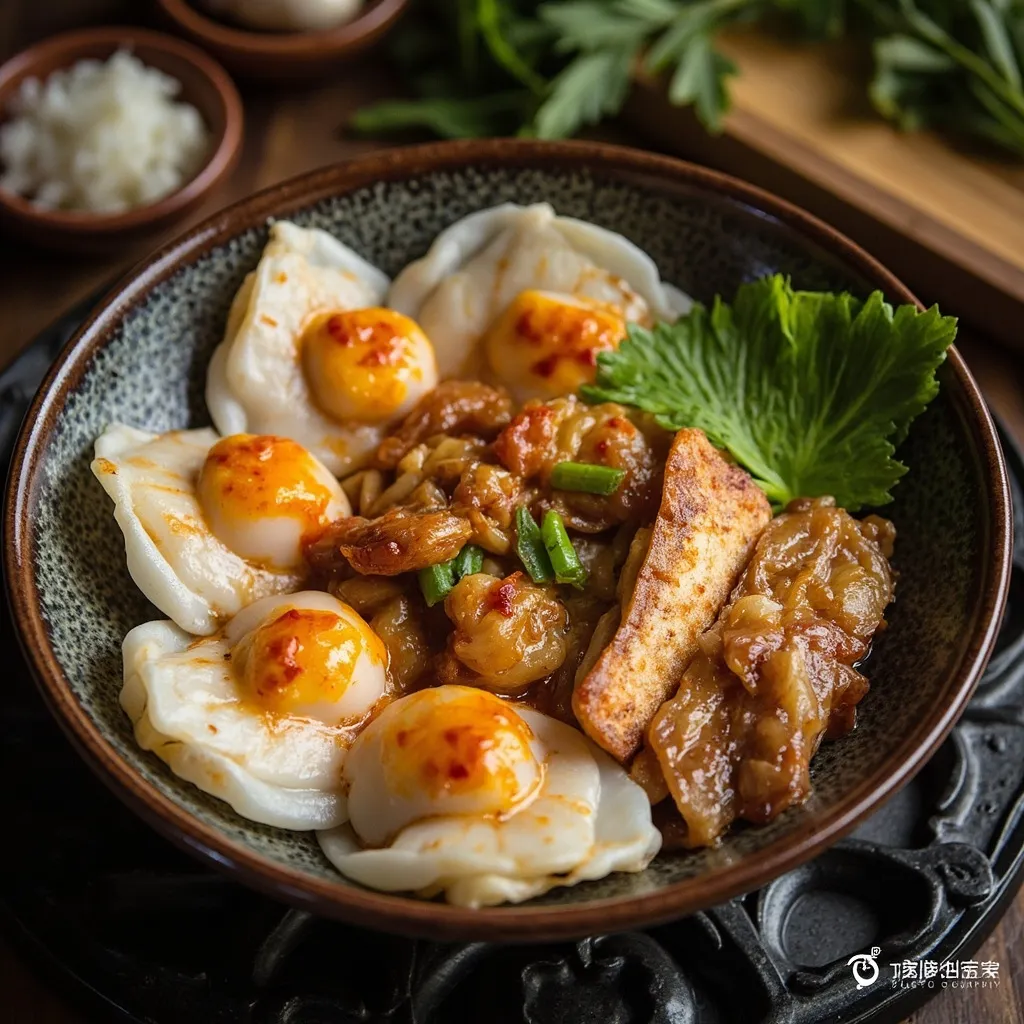
Hairy Tofu (毛豆腐) is another iconic Anhui dish that sounds more confusing than it is. “Hairy” refers to the fuzzy white mold that grows on the surface of the tofu blocks during fermentation. Yes, mold. But before you click away, hear me out: this is essentially the Chinese version of aged cheese, and like stinky mandarin fish, it’s all about that fermentation magic. The fuzz is actually a beneficial mold — similar to the white rind on some expensive French cheeses — that adds depth and complexity to the tofu.
The tofu is pan-fried until golden, which creates a crispy exterior while the inside stays creamy. The “hair” adds depth and complexity, and when you bite into it, you’re hit with a combination of textures and flavors that’s weirdly addictive. It’s often served with a sweet chili sauce that provides a nice counterpoint to the earthy, slightly funky tofu. The contrast between the crispy, fried outside and the soft, slightly tangy inside is genuinely wonderful. Street vendors in Anhui sell this as a quick snack, the tofu squares sizzling on a flat-top grill, ready to be devoured hot off the pan.
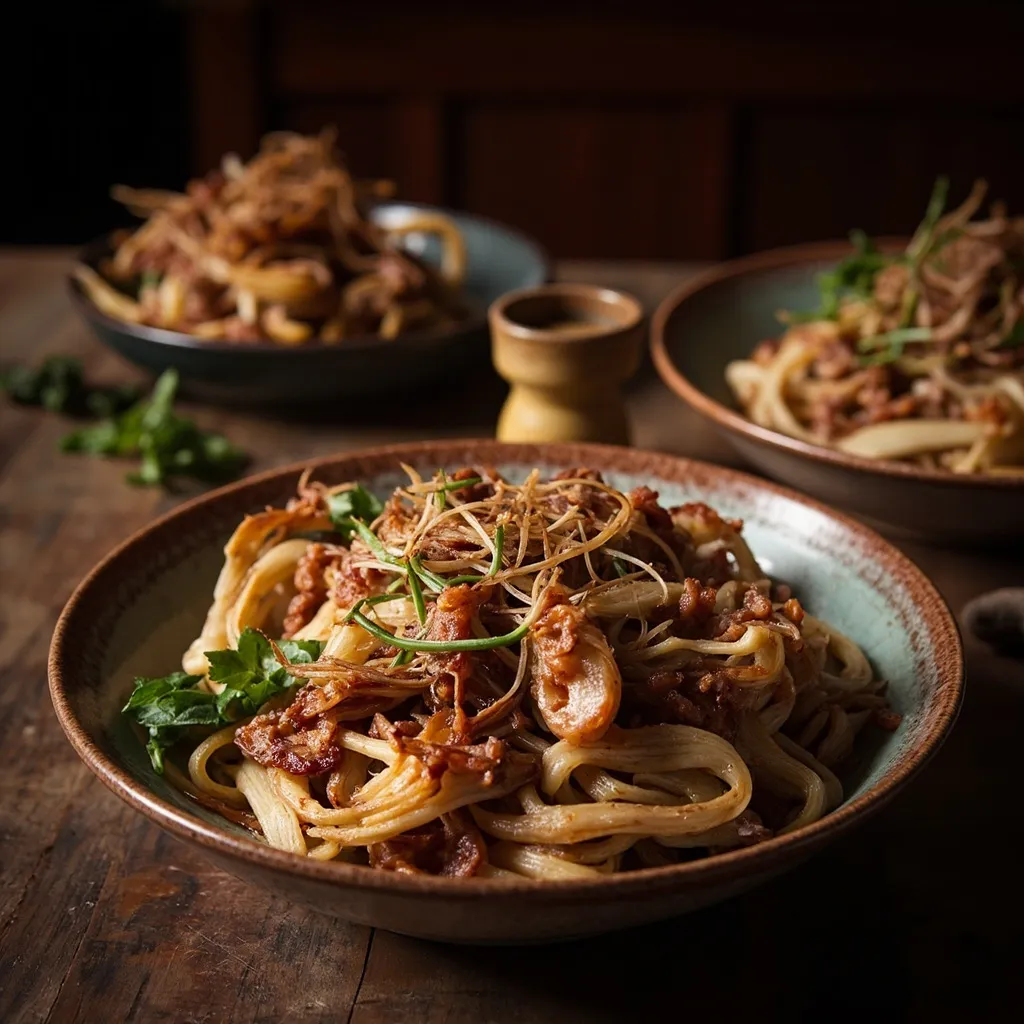
Bamboo Shoots with Pork (笋炒肉) is exactly what it sounds like — tender bamboo shoots stir-fried with juicy pork. But don’t let the simplicity fool you. The bamboo shoots have a natural sweetness and crunch that pairs beautifully with the savory pork. It’s the kind of dish that tastes like the mountain spring it came from: fresh, clean, and deeply satisfying. The key is using fresh bamboo shoots when available, or properly rehydrated dried ones. Either way, you get that distinctive slightly sweet, slightly earthy flavor that says “mountain” in the most delicious way possible.
Stewed Chicken with Ham (火腿炖鸡) showcases another Anhui specialty: the region’s famous ham. Anhui ham is dry-cured and aged, giving it a deep, concentrated pork flavor that’s both salty and sweet. When you stew it with free-range chicken, the meat becomes incredibly tender and the broth becomes something transcendent. This is comfort food at its absolute finest. The ham adds depth and umami, while the chicken adds richness and body. Together, they create a dish that’s greater than the sum of its parts.
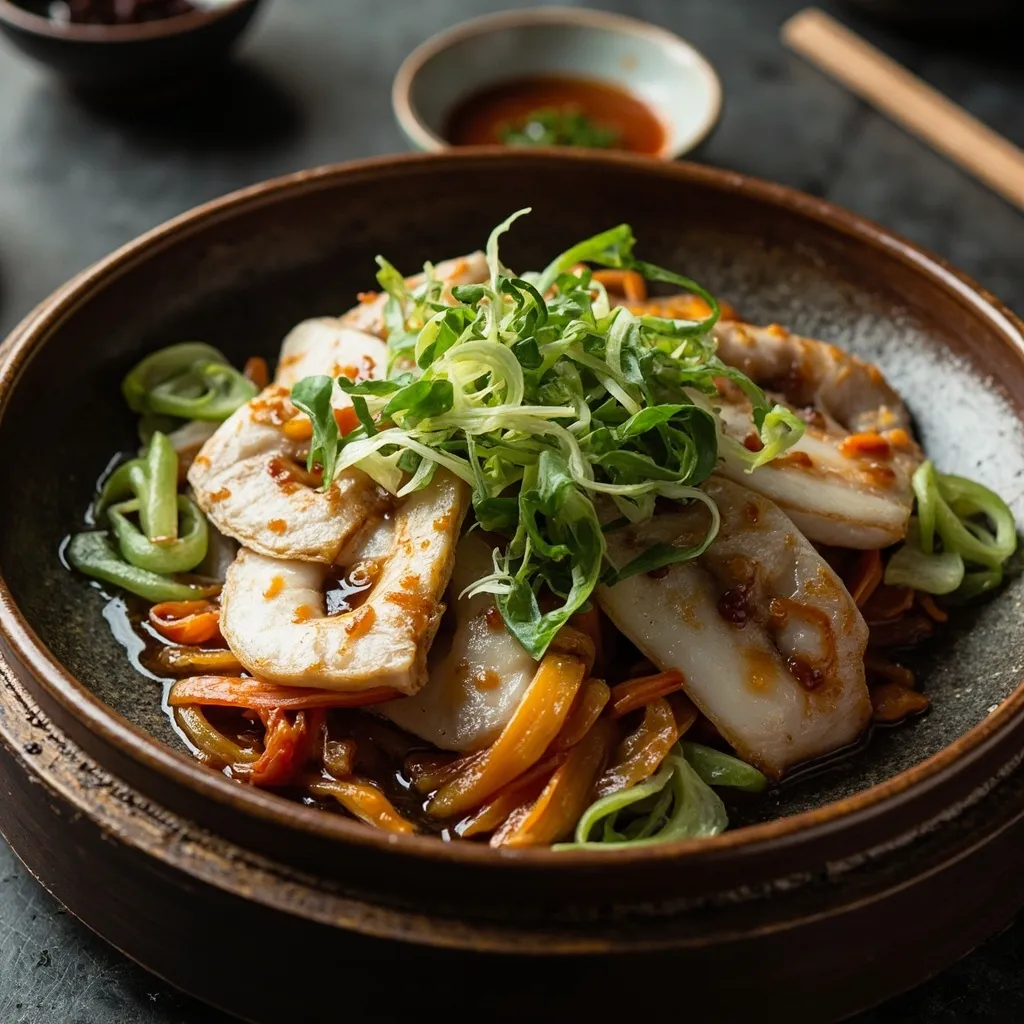
Steamed Stone Fish (清蒸石鱼) represents the lighter side of Anhui cuisine. Stone fish are small freshwater fish native to the mountain streams of Anhui. They’re typically steamed with ginger, scallions, and a splash of soy sauce, resulting in a dish that’s delicate, sweet, and pure. It’s the perfect example of the Anhui philosophy: simple ingredients, simple cooking, extraordinary results. The fish are tiny — often no bigger than your finger — but they’re sweet and tender, with a delicate flavor that shows off the quality of the mountain waters they came from.
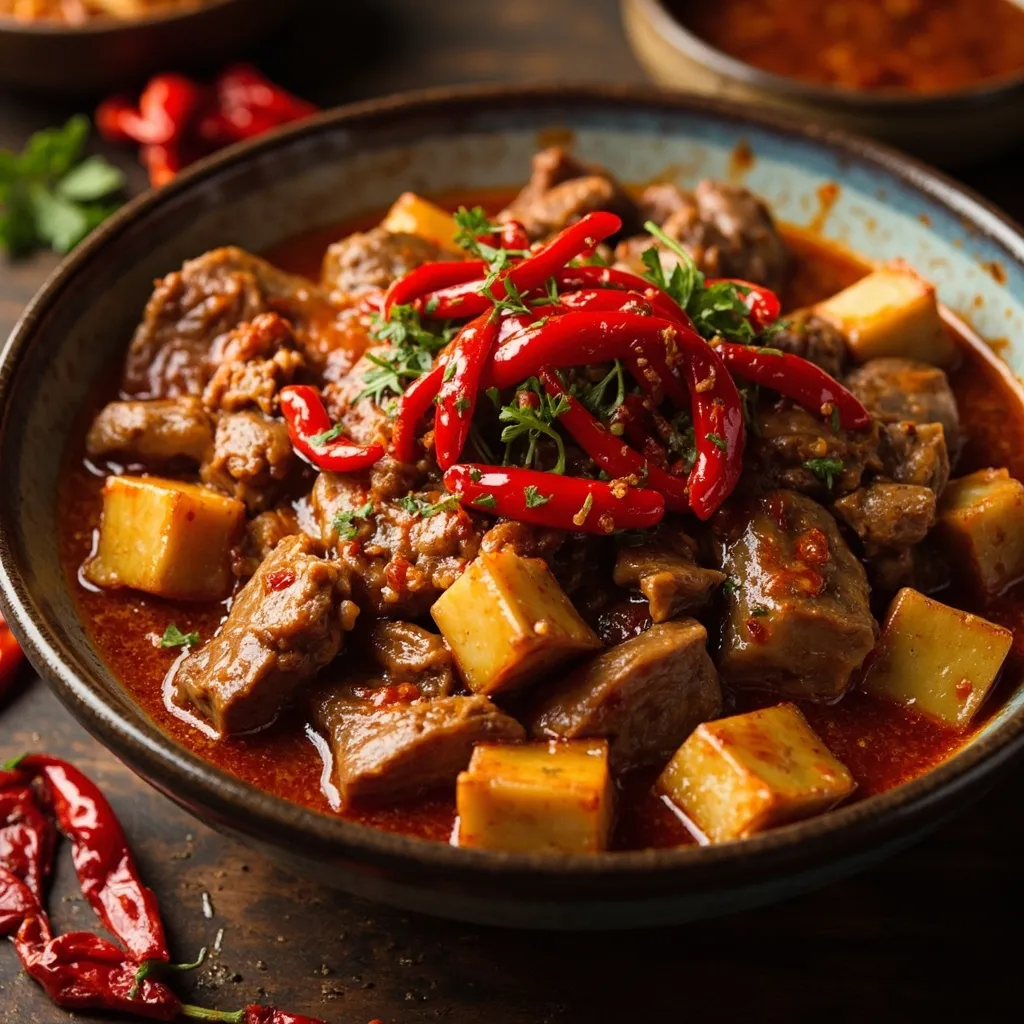
There’s also Braised Pork with Dried Bamboo Shoots (笋干红烧肉), which combines two Anhui favorites: the famous ham-style preserved pork and dried bamboo shoots that have been rehydrated and slow-cooked until they’ve absorbed all the rich, savory sauce. It’s a winter dish, the kind of thing that warms you from the inside out when the mountain air gets cold.
The Philosophy Behind the Food
What strikes me most about Anhui cuisine is its humility. This is food that doesn’t try to impress you with complexity or wow you with novelty. Instead, it invites you to slow down, to taste carefully, to appreciate the subtle flavors that come from good ingredients handled with respect.
The cooking techniques themselves reflect this philosophy. Long braising extracts maximum flavor from humble ingredients. Smoking preserves and enhances. Steaming lets the natural taste of the food speak for itself. There’s no hiding behind heavy sauces or artificial shortcuts.
Anhui cuisine also reflects the region’s history. This was never a wealthy province — the mountains made farming difficult, and trade routes were hard to come by. The food that developed here was the food of mountain people: resourceful, thrifty, and deeply connected to the land. Nothing was wasted, everything was used, and the result is a cuisine that’s as sustainable as it is delicious.
In many ways, Anhui cuisine is the antidote to everything wrong with modern food culture. No extreme processing, no chemical shortcuts, no artificial anything. Just ingredients, time, and care.
Finding Anhui Cuisine
Here’s the honest truth: Anhui cuisine is harder to find outside China than Sichuan or Cantonese food. It’s simply less known, and fewer restaurants have mastered its subtle techniques. But if you’re determined to try it, here’s what to look for.
The key is finding a restaurant that focuses on “rustic” or “mountain” cuisine. Some Anhui restaurants will explicitly call themselves “Huangshan cuisine” after the famous mountains. Look for dishes with bamboo shoots, fermented tofu, and that telltale stinky fish.
If you’re feeling adventurous and want to cook at home, your best bet is an Asian grocery store with a solid Chinese section. Look for fermented tofu (it should be in the refrigerated section, often vacuum-sealed). For the bamboo shoots, you can often find them canned or jarred. As for the stinky mandarin fish, that’s a harder find — you might need to special-order from a fishmonger or try an online supplier that specializes in Chinese regional ingredients.
Why You Should Care About Anhui Cuisine
In a world saturated with fiery Sichuan dishes and rich Cantonese dim sum, Anhui cuisine offers something different: a return to basics. It’s cuisine that reminds us that food doesn’t need to shout to be satisfying. Sometimes the most profound flavors come from the quietest plates.
The next time you feel burned out on heavily seasoned food, when you want something that feels like a mountain breeze instead of a flavor explosion, think about Anhui. Think about the misty peaks, the clear streams, and the village cooks who’ve been making magic with simple ingredients for generations.
Anhui cuisine won’t change your life in an instant. But it might just change the way you think about food — and that’s worth more than any amount of chili oil.