Bailu (White Dew): Embracing the Cool of Early Autumn
There’s something magical about those first mornings when you step outside and feel that crispness in the air. Summer’s sticky heat is finally loosening its grip, and there’s a freshness to the dawn that wasn’t there a few weeks ago. That’s Bailu, the White Dew solar term, settling in around September 7th each year. It’s nature’s way of telling us that autumn is officially here, even if the calendar hasn’t caught up yet.
For many of us, this transition sneaks up gradually. One day you’re still cranking the air conditioning, and then suddenly you notice you don’t need it anymore. The evenings have that gentle coolness that makes you want to reach for a light sweater. The sun sits lower in the sky, casting longer shadows, and there’s a quality of light that feels somehow more golden than before. That’s Bailu doing its subtle work, easing us from one season into another.
What Bailu Really Means
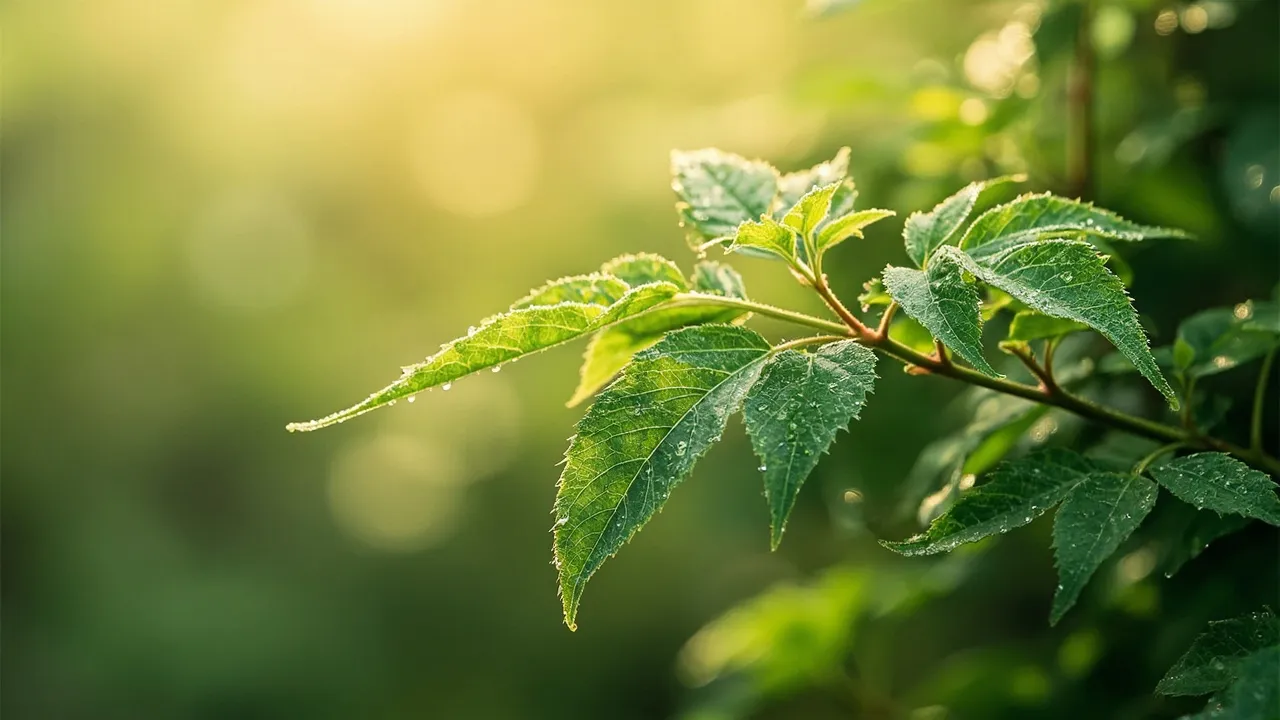
The name says it all — white dew. This is the time of year when you’ll actually see dew glistening on the grass in the early morning, those tiny droplets that sparkle like scattered diamonds when the first rays of sun hit them. But this isn’t just any dew. According to the ancient Chinese solar term system, Bailu marks the moment when the weather shifts from hot summer days to genuinely cool autumn mornings.
The Chinese solar term system, known as 二十四节气 (èr shí sì jié qi), divides the year into 24 distinct periods, each roughly 15 days long. These solar terms were developed over thousands of years by ancient Chinese astronomers and farmers who carefully observed the patterns of nature. Bailu is the 15th solar term, arriving right in the middle of autumn, and it carries significant meaning both practically and symbolically.
In Chinese culture, this was a really big deal. Farmers watched for Bailu because it told them harvest time was approaching. The morning dew signaled that the intense heat of summer had broken, and it was time to start gathering the autumn crops. Rice was being harvested in the south, and millet was ready in the north. It was a practical marker that had been refined over thousands of years of agricultural observation.
From a TCM perspective, Bailu represents a critical transition in the body’s relationship with the environment. The yang energy of summer is fading, and the yin of autumn is rising. Your body is literally adjusting to a new energy pattern — one that’s cooler, drier, and more introspective. This is why so many people feel a bit off during this week. You’re not imagining it. Your whole system is recalibrating.
The traditional explanation is that the excess summer heat has finally depleted. That lingering internal heat from those brutal August days starts to clear out, making room for the cooler, more yin energy of autumn. It’s a reset button for your body, but it doesn’t happen automatically. Your habits during this transition matter a lot.
This is also the time when the lungs, according to TCM, become the most vulnerable organ. The lungs are closely connected to the skin and the immune system, and they’re particularly sensitive to the drying quality of autumn air. This is why autumn often brings colds, dry coughs, and respiratory issues for many people. Understanding this vulnerability allows you to take proactive steps to protect yourself.
Traditional Customs Around White Dew
One of the most interesting Bailu traditions involves drinking white dew water. In some parts of China, people believed that collecting the morning dew on this specific day brought special health benefits. They’d set out clean containers overnight and gather the dew at dawn, then drink it or use it to make tea. Whether you believe the metaphysical properties or not, there’s something lovely about this ritual — it encourages you to slow down and pay attention to nature’s rhythms.
There’s also a custom of eating certain foods during Bailu. In many regions, people eat foods that help the body transition into autumn. This isn’t random — it’s practical wisdom based on what grows naturally during this season. Fresh pears, for instance, are at their peak. These fruits help combat the dryness that naturally increases as the weather cools. Similarly, foods like lotus root, which has a fibrous quality that supports the lungs and digestive system, become popular menu items.
In some coastal areas, there’s a tradition of eating duck during Bailu. Duck is considered a “cooling” food in TCM, which helps balance the lingering summer heat in the body while also preparing you for the colder months ahead. The idea was to enjoy one last “cool” protein before autumn really set in. It’s a thoughtful way of eating with the season.
Another custom involves preparing the home for autumn. This might mean switching out lighter bedding for something warmer, or starting to seal up any drafty windows. In a world without central heating, these practical preparations mattered. People also started eating more warming foods in their final forms — roasted nuts, warm porridges, dishes with ginger and garlic. The body was being gently guided toward the winter eating patterns.
For those keeping with the agricultural tradition, Bailu was also a time for final planting decisions. In many regions, late September was the last chance to plant certain crops before winter. Gardeners today can still honor this by planting fall gardens or preparing beds for spring. There’s a deep satisfaction in working with these ancient rhythms.
There’s also a tradition of taking autumn walks during Bailu. The weather is comfortable enough for extended time outdoors, and there’s an understanding that connecting with nature during this transition is health-supporting. The Chinese have a phrase “spring strolling, summer sauntering, autumn walking, winter standing” — each season has its own ideal form of movement, and autumn calls for mindful, intentional walks.
Health Tips for the White Dew Transition
Now here’s where things get practical. How do you actually navigate this transition without getting sick or feeling depleted? The key is understanding what’s happening in your body and supporting it through diet, lifestyle, and a few simple adjustments.
First, let’s talk about dryness. This is the biggest health concern during Bailu. The air is getting drier, and your body is responding. You might notice a dry throat, chapped lips, slightly rough skin, or even a nagging dry cough. The traditional answer is to add moisture — both externally and internally. Drink more water than you think you need. Herbal teas are excellent during this period. Chrysanthemum tea is perfect — it has a cooling effect and helps with the dryness that’s creeping in.
Pear is the MVP fruit of this season. Whether you eat them fresh, bake them with cinnamon, or make a simple pear and honey soup, pears help moisten the lungs and relieve that dry throat feeling. If you’ve ever had the traditional Chinese pear soup (bing tang chuan cha), you know how soothing it can be. You can make a simple version at home: core a pear, add a little honey and ginger, and simmer until soft.
Your lungs need extra attention right now. In TCM, the lungs are closely tied to the autumn season and to the quality of your skin and immune system. Gentle breathing exercises, maybe some light stretching or yoga, helps keep the lung energy flowing. You don’t need anything intense — even five minutes of deep breathing in the morning makes a difference. The key is consistency, not intensity.
This is also the time to start being careful about raw or cold foods. During summer, you might have enjoyed more salads, cold drinks, and fresh fruits. As autumn deepens, your digestive system benefits from warmer foods. That doesn’t mean you need to give up your salad, but maybe swap the iced tea for room temperature, and add some warming elements like roasted vegetables or a small amount of ginger to your meals. Your stomach will thank you.
Don’t forget about sleep. The shorter days are a signal to gradually adjust your sleep schedule. Going to bed a little earlier during Bailu helps your body align with the seasonal shift. Think of it as syncing your internal clock with nature’s new schedule. This isn’t about being tired — it’s about working with your natural rhythms.
Finally, take a moment each morning to simply be outside, even if it’s just a few minutes. The crisp morning air during Bailu is genuinely refreshing, and there’s real wisdom in the old customs that encouraged people to go outside at dawn. It wakes you up naturally, gets you some gentle movement, and helps you feel connected to the season. Plus, morning light exposure helps regulate your melatonin and sleep hormones as the days get shorter.
One more tip: consider adding a humidifier to your bedroom. As the air gets drier, your sleep quality can suffer. A small humidifier adds moisture to the air and can help you sleep more comfortably. This is especially helpful if you wake up with a dry throat or static electricity problems.
Embracing the Season’s Gifts
Bailu is a reminder that change doesn’t have to be jarring. It’s a gentle nudge from nature, a gradual shift rather than a sudden shock. The white dew appears, the mornings get cooler, and slowly but surely, autumn arrives. Your body knows how to adapt — you just have to give it the right support.
Think of this solar term as a bridge between the expansive energy of summer and the inward focus of winter. It’s a time to start gathering your resources, both physical and mental. The habits you establish during Bailu — staying hydrated, eating seasonally, getting adequate rest, moving gently — become the foundation for a healthy autumn and winter.
So the next time you see those morning diamonds on the grass, take a moment. You’re witnessing one of nature’s most elegant transitions, and you’re part of it. That’s something worth pausing for.
Remember, autumn doesn’t have to be a time of struggle. With a few simple adjustments to your routine, you can move through this transition smoothly and even come to enjoy the crisp mornings, the harvest flavors, and the gentle slowdown that this season offers. Bailu is an invitation to shift with the seasons rather than fighting against them.