Chinese Kites: Ancient Art of Sky Dancing
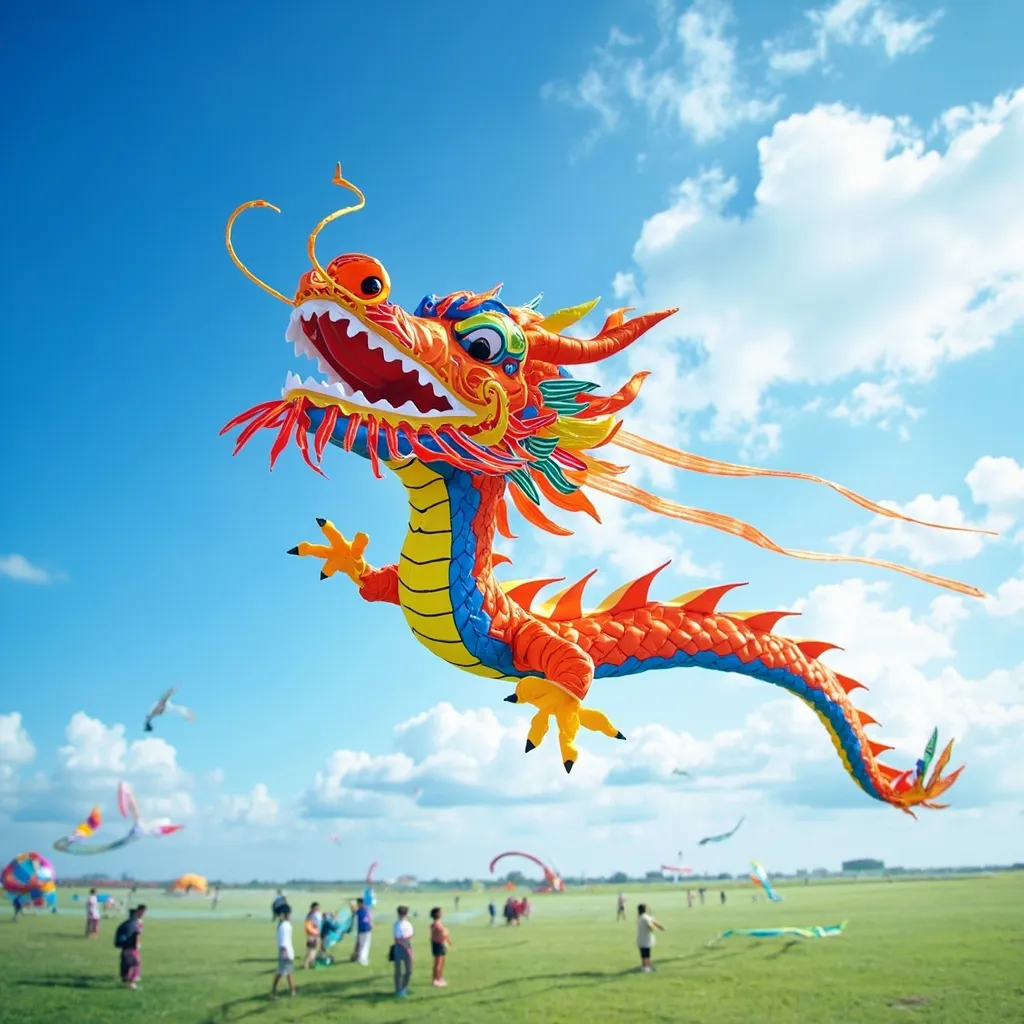
There is something almost impossibly light about the moment a kite leaves your hands and catches the wind — that instant when an object made of paper and bamboo suddenly becomes alive, pulling upward, dancing at the end of its string as if it has been waiting all its life for exactly this gust, this temperature, this slant of sunlight. For thousands of years, Chinese people have known this feeling. Kite flying in China is not a hobby or a sport; it is an art, a science, a meditation practice, and a link to ancient history all wrapped into one simple pleasure that requires nothing more than wind, a well-made kite, and someone willing to stand in an open field and look up.
The Chinese word for kite is fengzheng, which literally means “wind harp” — a name that captures something essential about what these objects feel like when they are airborne. A properly flown kite makes sounds. The string hums and whistles as air moves across it, producing a range of tones that experienced kite flyers learn to read the way sailors once read the wind. In some traditions, the kite string is fitted with glass beads or small bamboo attachments that increase the sound, making the kite into a kind of musical instrument playing the sky. This connection between kite flying and music is ancient, and it reflects a Chinese understanding of the natural world in which even the wind has a voice if we are willing to listen.