Chinese Opera Masks: Reading the Colors of Beijing Opera
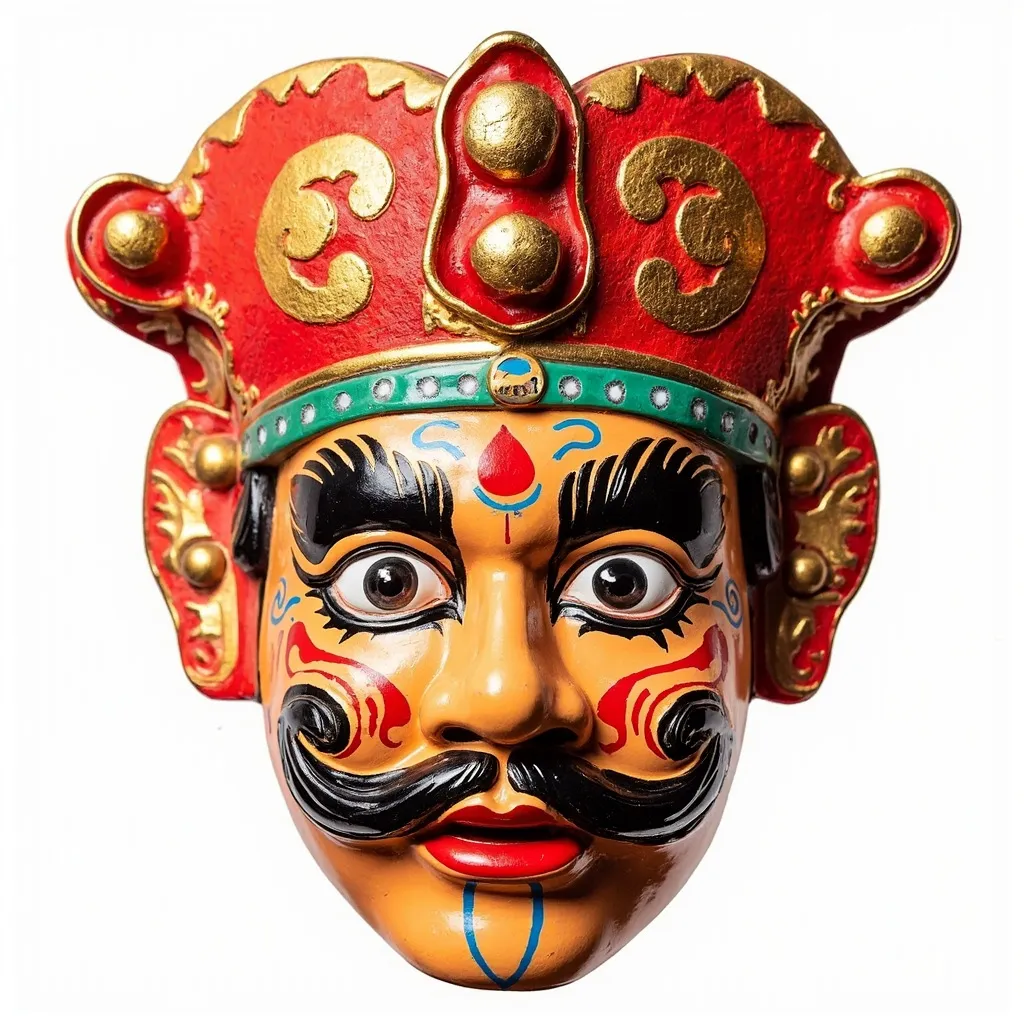
There is a moment in every Beijing Opera performance when the actor steps onto the stage, and before he speaks, before he moves, the audience already knows who he is. They know whether he is a loyal servant or a treacherous minister, a courageous warrior or a scheming villain. They know this because of what is painted on his face — a language of color and pattern so developed, so deeply embedded in Chinese theatrical tradition, that it functions almost like a second alphabet. This is the art of the opera mask, and once you learn to read it, Beijing Opera becomes a completely different experience.
The Chinese word for these painted faces is lianpu, which literally means “face-slapping” or “face-pounding” — a reference to the way the makeup is applied, patted onto the skin in layers until the desired effect is achieved. Lianpu is not unique to Beijing Opera; similar traditions exist in other Chinese theater forms like Sichuan opera and Kunqu, but the Beijing Opera version has become the most widely recognized, both within China and internationally. When people think of Chinese opera face painting, it is usually the bold, graphic style of Beijing that comes to mind: sweeping patterns, dramatic colors, and eyebrows that seem to reach toward the heavens.