Dragon Boat Festival: Zongzi, Dragon Boat Races, and the Legend of Qu Yuan
The Dragon Boat Festival falls on the fifth day of the fifth lunar month, a date that was historically considered unlucky or dangerous — precisely the kind of day that required special rituals to ward off evil spirits and disease. Over the centuries, this端午节 (Duanwu Festival) has evolved from a预防疫病的驱邪仪式 into one of China’s most exciting and visually spectacular celebrations. If you’ve never witnessed a dragon boat race in person, you’re missing one of the most thrilling traditions in world culture.
The Tragic Story Behind the Festival: Qu Yuan’s Final Dive
To understand the Dragon Boat Festival, you need to know the story of Qu Yuan, a poet and statesman whose life ended in tragedy but whose memory endures through this annual celebration.
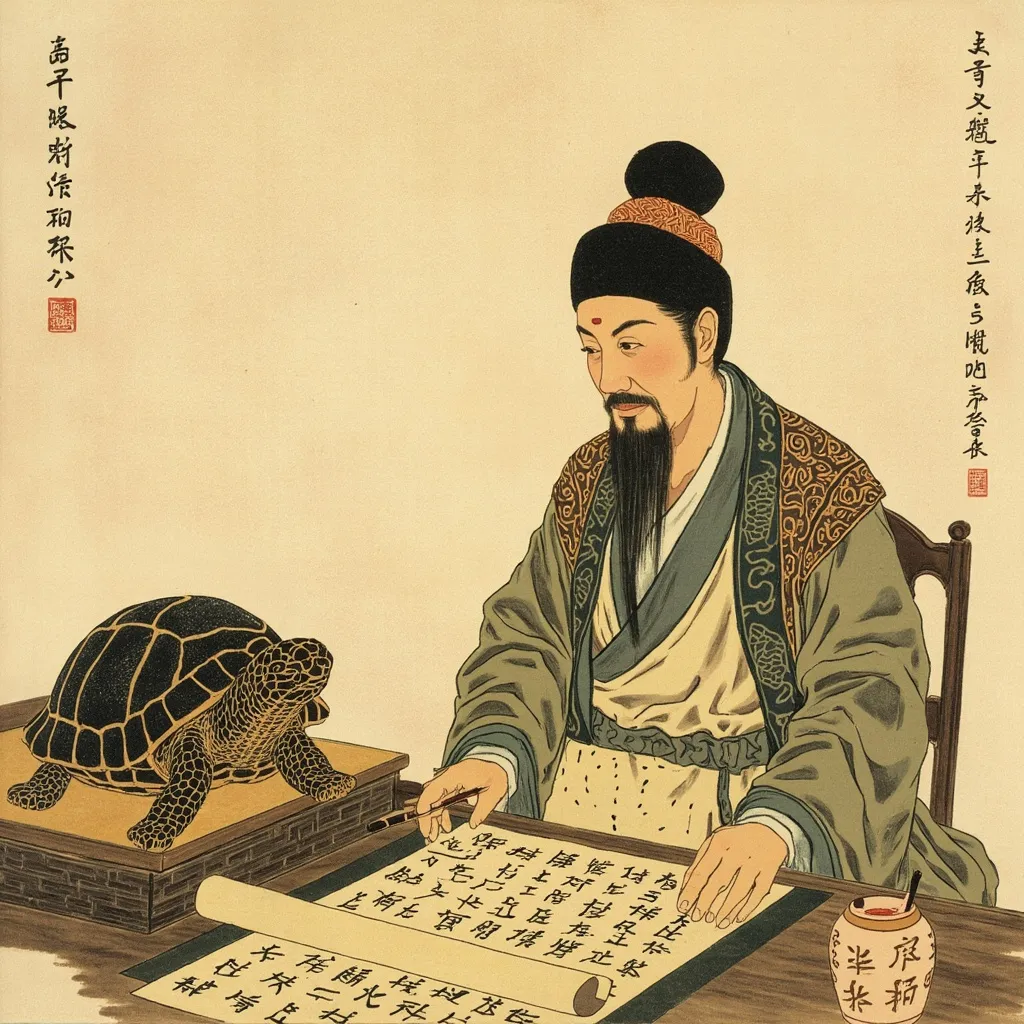
Qu Yuan lived during the Warring States period, roughly 2,300 years ago, serving as a trusted advisor to the King of Chu. He was a brilliant thinker and writer, credited with founding the Chu ci (Songs of Chu) style of poetry that remains a cornerstone of Chinese literature. But his greatest passion was seeing his state of Chu rise peacefully and prosperously.
Unfortunately, political rivals within the Chu court conspired against him, convincing the king that Qu Yuan was a traitor. The poet was exiled to the remote regions of the kingdom, stripped of his titles and influence. During his exile, Qu Yuan traveled through the countryside, pouring his heartbreak and hopes into poetry that expressed his undying loyalty to Chu and his sorrow at its decline.
When news reached him that Chu had been invaded and conquered by Qin, Qu Yuan was devastated. On the fifth day of the fifth lunar month, he walked to the Miluo River in present-day Hunan Province, wrapped himself in a large stone, and drowned himself rather than live to see his homeland subjugated.
Local fishermen rushed out in boats to try to save him, but they arrived too late. They beat drums and splashed their oars in the water to ward off fish and water spirits, keeping Qu Yuan’s body from being consumed. This origin story explains why dragon boat racing involves such intensity and noise — it’s a reenactment of that desperate search.
The Zongzi Tradition: Wrapping Rice in Bamboo Leaves
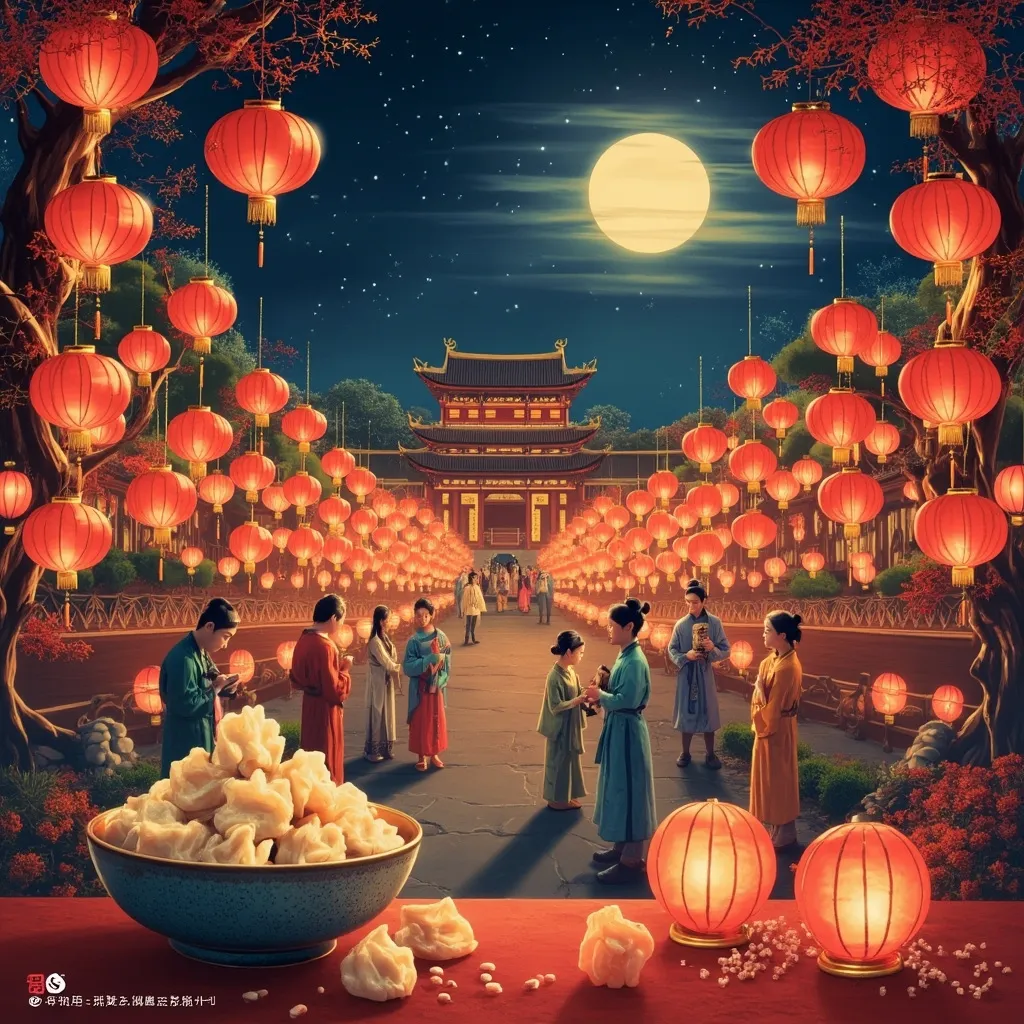
If dragon boat races are the spectacle of the Dragon Boat Festival, zongzi are the soul food — the thing that makes the holiday taste like home for millions of Chinese people.
Zongzi are glutinous rice dumplings wrapped in bamboo leaves, and they come in two major regional varieties. The northern style tends toward sweet fillings — red bean paste, jujube, or even just plain rice with a touch of sugar. The southern style is more likely to feature savory fillings, with pork belly, salted egg yolk, and mushrooms being popular choices. The ratio of rice to filling, the tightness of the wrap, and the specific leaves used all vary by family tradition.
Making zongzi is a serious undertaking that typically involves multiple family members working together. First, the bamboo leaves must be soaked until pliable. The glutinous rice gets washed and sometimes soaked overnight. The fillings are prepared — meats are marinated, beans are sweetened, egg yolks are salted. Then comes the actual wrapping, which is an art form in itself.
A skilled zongzi maker can wrap a dumpling in under a minute, using just a few leaves and a clever folding technique that holds everything together without any string. The finished dumplings are boiled for hours, transforming the ingredients into something cohesive and aromatic. The bamboo leaves impart a subtle green, earthy flavor that no other cooking method can replicate.
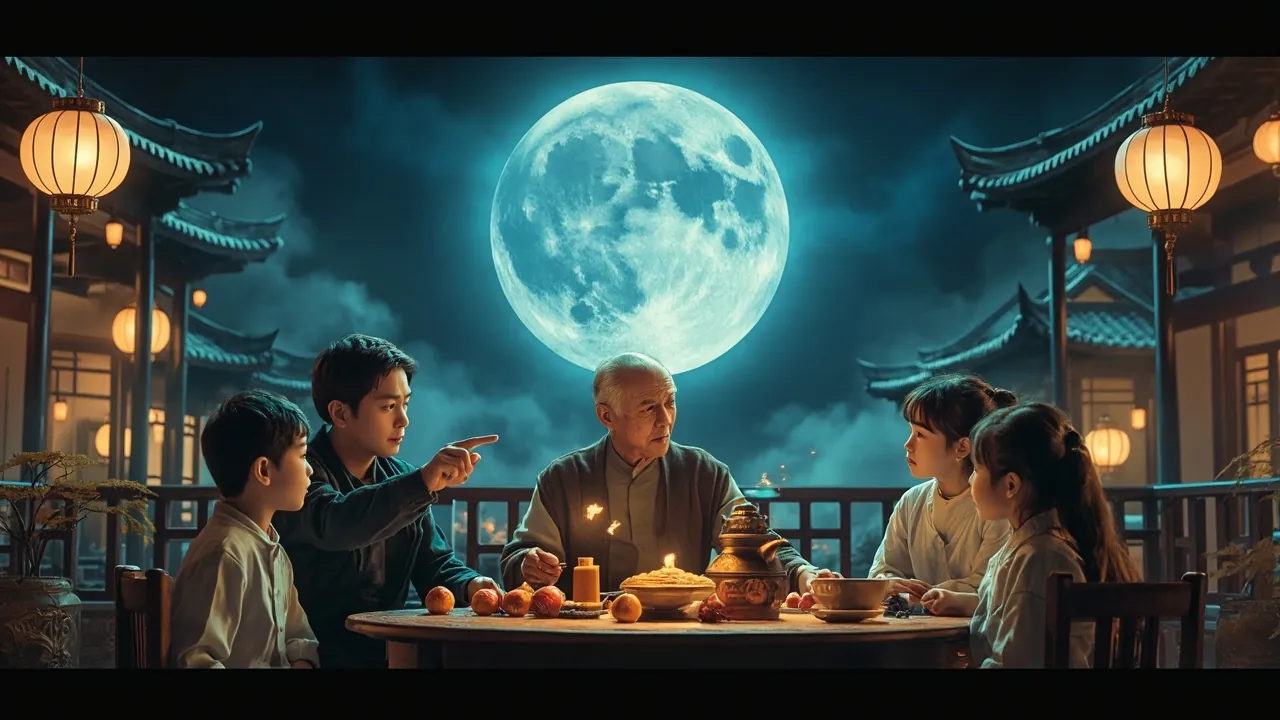
In China, families have fierce debates about the “correct” way to make zongzi. Sweet versus savory is just the beginning — there are arguments about which region’s technique is superior, whether certain leaves are better than others, and exactly how soft the rice should be. These debates are a lighthearted fixture of the festival, conducted with a passion that would impress political commentators.
Dragon Boat Racing: Modern Sport with Ancient Roots
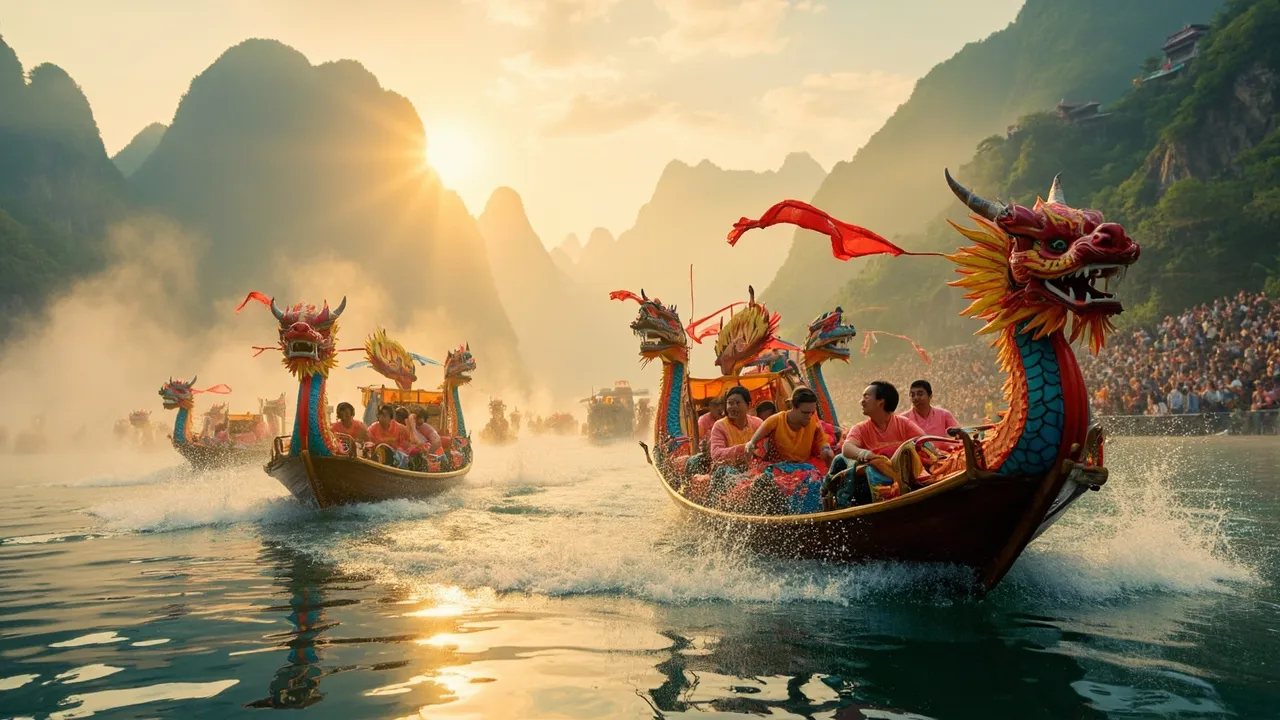
Watching a dragon boat race is an unforgettable experience. The boats themselves are works of art — long, narrow vessels painted to look like dragons, with intricately carved heads and tails. Most competitive dragon boats are about 12 meters long, with a drummer at the front whose rhythm sets the rowing pace.
The crew typically includes twenty rowers, a drummer, a steerer, and sometimes a flag-catcher who stands at the bow and grabs flags from a nearby pole during races. The drummer doesn’t just keep time — they serve as the heart of the team, their calls and beats motivating the rowers to push harder with each stroke.
Races usually involve heats leading up to finals, with teams from different villages, companies, or organizations competing for glory. The atmosphere at a major dragon boat event is electric — crowds line the riverbanks, vendors sell snacks and drinks, and the sound of drums and fireworks fills the air. When a team wins, they celebrate by dumping their drummer into the water.
Dragon boat racing has spread far beyond China. Today, the sport has a global following, with teams in the United States, Europe, Australia, and beyond. International dragon boat festivals draw competitors from dozens of countries, all united by their love for this ancient yet dynamic sport. There’s something primal and deeply satisfying about the coordination required — dozens of people moving as one, their bodies and breath synchronized by the drum’s beat.
Warding Off Evil: The Deeper Meaning of Duanwu
Beyond the stories of Qu Yuan and the pleasures of zongzi, the Dragon Boat Festival has roots in older traditions meant to protect against illness and misfortune. The fifth lunar month historically fell during the transition into summer, when heat and humidity created ideal conditions for disease spread.
Ancient Chinese people believed that evil spirits and venomous creatures became more active during this time of year. Dragons, while powerful, were unpredictable beings who needed to be appeased. To address these concerns, people developed a set of protective rituals that survive in modified form today.
Hanging calamus and mugwort on doors is one such tradition. These aromatic plants were believed to have protective properties, and hanging them above doorways was thought to keep evil spirits from entering the home. Many Chinese households still maintain this practice, especially in rural areas, though urban residents might use plastic versions for convenience.
Another tradition involves making sachets filled with powdered herbs, worn by children during the festival period. These sachets, often shaped like animals or small pouches, contain mixtures of herbs said to ward off evil and promote health. Parents tie them to their children’s clothing or hang them around their necks, a custom that adds color and fragrance to the celebration.
The festival also involves some surprising prohibitions. Children are told not to go swimming during the Duanwu period, as the water is considered dangerous — the dragon who controls the waters is being honored, and disturbing him might bring misfortune. Similarly, there are beliefs about not traveling far from home or making major life changes during this time, as the boundary between the physical and spiritual worlds is considered thin.
The Festival in Modern China and Around the World
The Dragon Boat Festival in contemporary China is a study in contrasts — ancient traditions thriving alongside modern innovations, and rural practices being adapted for urban life.
In rural areas, the festival retains much of its traditional character. Families wake early to gather bamboo leaves and herbs. The zongzi-making session can last all morning, with several generations participating. Local dragon boat teams practice for weeks before the big races, and the entire village turns out to watch and cheer.
In cities, the celebration has been commercialized and scaled up. Companies sponsor dragon boat teams as team-building exercises. Restaurants offer special zongzi menus. Shopping malls stage promotional events around the holiday. The government has designated it as a public holiday, giving urban workers a three-day weekend to travel home or rest.
International Chinese communities have maintained the traditions while also adapting them to local contexts. In San Francisco, Vancouver, Sydney, and London, annual dragon boat races draw both Chinese participants and curious locals. These events serve as cultural ambassadors, introducing thousands of people each year to this distinctive aspect of Chinese heritage.
The global spread of Chinese food has also spread awareness of zongzi. While nothing matches the taste of homemade dumplings, specialty food shops in major cities often carry them during the festival season, and Asian supermarkets freeze them year-round for those times when homesickness strikes.
Celebrating the Dragon Boat Festival at Home
You don’t need Chinese heritage or a river nearby to participate in the Dragon Boat Festival spirit. The holiday offers several accessible entry points for anyone curious about Chinese culture.
Making zongzi is challenging but rewarding. Kits are available online that include bamboo leaves, rice, and simple fillings, making the process more approachable for beginners. Even if your first attempts don’t match your grandmother’s perfection, the act of making food together creates the same bonding experience that makes the festival meaningful for Chinese families.
Attending a local dragon boat festival is another option. If you live in or near a major city with a significant Chinese population, there’s likely an annual dragon boat event somewhere nearby. These festivals typically include much more than races — food vendors, cultural performances, and family activities make them full-day events.
Understanding Qu Yuan’s story offers a window into Chinese literary tradition. The Songs of Chu that he wrote are among the most beautiful and melancholy poetry in Chinese literature, and reading even translations can give you insight into the emotional landscape that the festival commemorates.
A Festival That Connects Past and Present
What makes the Dragon Boat Festival endure is its combination of elements — tragic history, athletic competition, culinary tradition, and spiritual practice all wrapped into one. It’s a holiday that satisfies on multiple levels, whether you’re a sports fan, a food lover, a history buff, or someone searching for deeper meaning.
The story of Qu Yuan reminds us that loyalty and principle matter more than comfort or safety. The dragon boat races teach us about teamwork and shared purpose. The zongzi connect us to ancestors and hometowns. And the protective rituals acknowledge that there are forces beyond our control, urging us to be humble and prepared.
As summer begins and the rivers fill with the sound of drums, take a moment to appreciate this ancient celebration. Whether you’re watching a race, eating a zongzi, or simply learning about the traditions, you’re participating in a cultural heritage that stretches back over two millennia.
The Dragon Boat Festival also serves as a reminder of the importance of cultural preservation. In an age when many traditional practices are being simplified or abandoned, this holiday has maintained its vitality. Children still learn to race boats, families still gather to wrap zongzi, and communities still come together to watch the races. The festival’s continued relevance suggests that it meets enduring human needs — needs for connection, meaning, and shared experience that no amount of modernization can eliminate.
Affiliate Product Recommendations:
Authentic Zongzi Making Kit with Bamboo Leaves — Complete kit including bamboo leaves, glutinous rice, twine, and recipe guide for making traditional rice dumplings at home.
Premium Dragon Boat Racing Team Apparel — Authentic racing team jerseys and gear, perfect for joining or starting your own community dragon boat team.
Traditional Chinese Herb Sachets for Protection — Handmade protective sachets with calamus, mugwort, and traditional herbs, suitable for wearing or hanging in the home.
Premium Gift Box of Regional Zongzi Varieties — Sampler pack featuring savory and sweet zongzi from different Chinese regions, shipped fresh for festival celebration.
Asian Grocery Delivery Gift Card — Give the gift of authentic ingredients so friends and family can prepare their own traditional Dragon Boat Festival zongzi at home.