Jasmine Tea: China’s Most Beloved Fragrant Tea
Every culture has its entry point tea — the one that introduces people to the idea that tea can be something more than a bag in hot water. In the United States and Europe, that role is often played by Earl Grey (though that’s a Western invention built on Chinese black tea). In Russia, it’s a strong, sweet brew served with jam. In Morocco, it’s mint tea poured from height with theatrical flair. In China, if there is a single tea that has introduced more people to the world of fine tea than any other, it is jasmine tea — and not because it’s exotic or fashionable, but because it is genuinely, universally delicious.
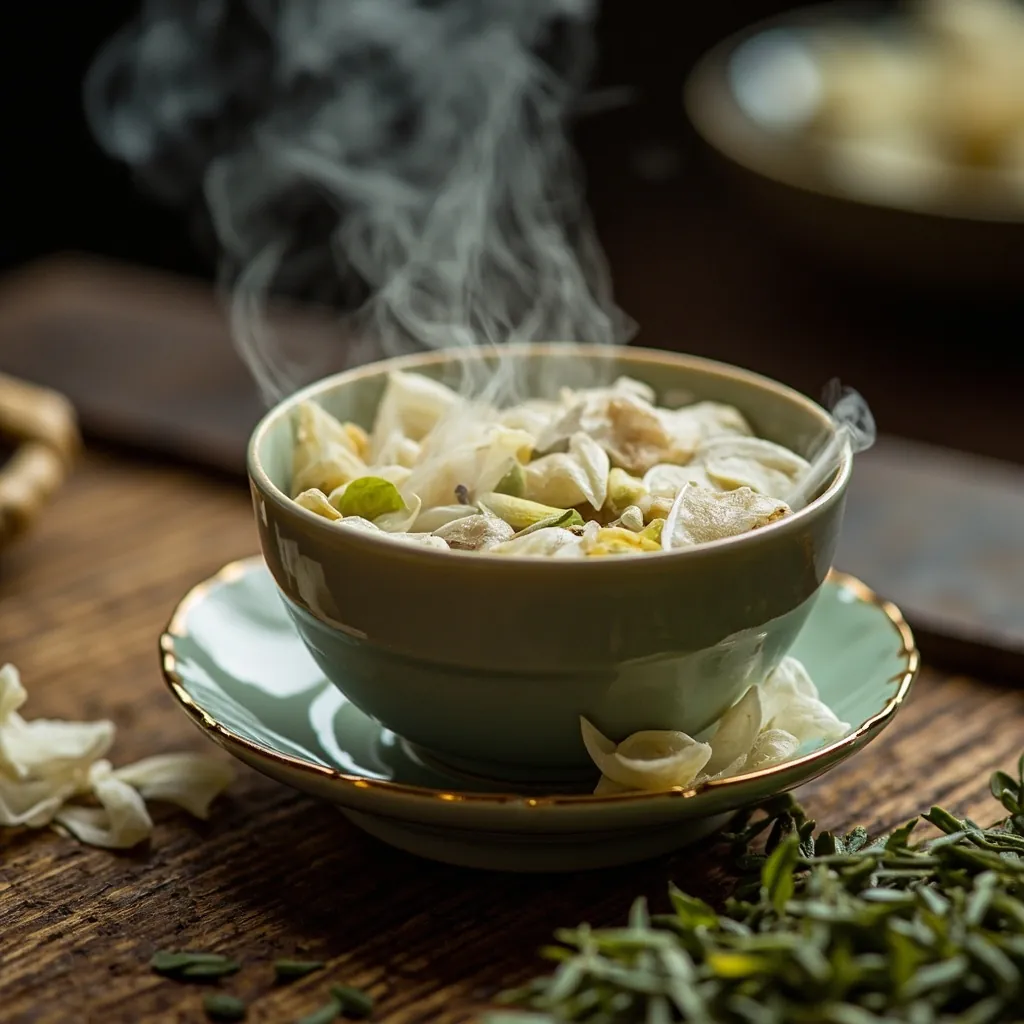
Jasmine tea occupies a unique position in the Chinese tea landscape. It is not made from a special tea plant or grown in a particular microclimate that produces uniquely flavored leaves. Instead, it is a transformation — a careful marriage of ordinary green tea with the extraordinary fragrance of jasmine blossoms. The result is something that transcends its components: a tea that is floral without being perfumy, sweet without being cloying, and accessible without being ordinary. It manages to be both the people’s tea and a tea that serious enthusiasts return to throughout their lives.
I have a particular fondness for jasmine tea, probably because it was my own gateway into serious tea drinking. Years ago, in a cramped apartment in Beijing, a Chinese colleague brewed me a pot using nothing more than a ceramic pot, a few grams of jasmine pearl tea, and water from a thermos. The fragrance that rose from that pot was one of those sensory moments you don’t forget — sweet, heady, immediate, and somehow deeply calming at the same time. I drank cup after cup, and by the end of the evening I had bought my first proper tea set and was already planning my next purchase. That colleague, now a close friend, still laughs about how easy it was to get me hooked on this particular tea.