Lantern Festival: Sweet Dumplings, Glowing Lanterns, and the Sweet Finale to Chinese New Year
After weeks of feasting, family visits, fireworks, and celebration, the Chinese New Year period needs a proper ending. That ending comes in the form of the Lantern Festival, celebrated on the fifteenth day of the first lunar month — the first full moon of the new year. This holiday brings the extended Spring Festival celebration to a close with an evening of spectacular lantern displays, sweet rice dumplings, and festivities that feel both ancient and vibrantly alive. If you’ve been following the Chinese New Year celebrations, the Lantern Festival is the grand finale you’ve been waiting for.
Why the Lantern Festival Marks the True End of Chinese New Year
Many people assume Chinese New Year ends after a day or two, but the reality is quite different. The official celebration stretches for about two weeks, with various traditions and taboos marking each day. The Lantern Festival represents the final flourish, the moment when all those restrictions are lifted and the new year can truly begin in earnest.
During the Lantern Festival, the streets come alive with a different kind of energy than the rest of the Spring Festival. Rather than the solemn reverence of honoring ancestors or the boisterous family reunions of New Year’s Eve, this holiday is about light, playfulness, and celebration. Children dart through crowds clutching their lanterns, families stroll together through illuminated streets, and entire communities gather to appreciate the spectacle.
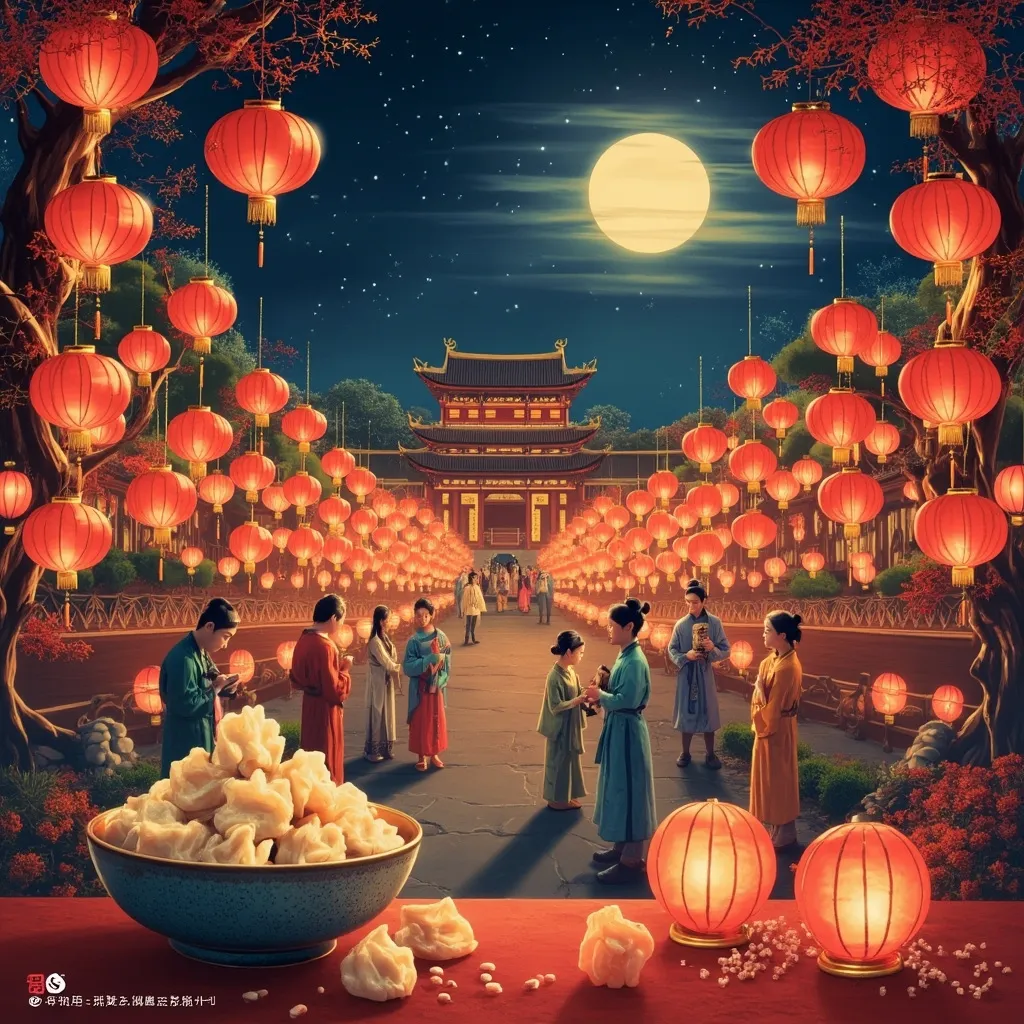
There’s something particularly magical about how this festival transforms ordinary spaces. Parks that might be quiet any other evening become seas of floating lights and glowing paper lanterns. Street vendors sell lanterns shaped like rabbits, dragons, fish, and flowers. The atmosphere feels almost dreamlike, like stepping into a different world where light itself is the main currency.
The Tangyuan Tradition: Sweet Dumplings for Sweet Beginnings
No Lantern Festival celebration is complete without tangyuan — sticky rice dumplings served in a sweet soup. These small, round balls represent completeness and reunion, since their shape echoes the full moon and their name sounds like the word for “reunion” in Chinese.
The dumplings themselves come in various sizes. The smallest are no bigger than marbles, while larger versions might be golf ball-sized. Inside, they’re filled with sweet ingredients like black sesame paste, red bean paste, or peanut butter. The soup they’re served in ranges from simple clear syrup to rich fermented rice wine soup. Either way, the combination of chewy dumpling and sweet liquid creates a comfort food that perfectly suits the cool evenings of late winter.
Making tangyuan is often a family activity, similar to how many families make dumplings together during the Spring Festival. Grandparents show children how to roll the sticky rice dough into smooth spheres, and how to tuck the filling inside without any cracks. The tactile pleasure of working with the soft, pliable dough makes this a wonderful bonding activity, and children take pride in creating something beautiful as well as delicious.
In some regions, the act of eating tangyuan carries additional symbolic weight. Brides who eat tangyuan before their wedding are said to be blessing themselves with many children. Families might count the number of dumplings each person eats — eleven symbolizes “wish upon wish,” while nine represents longevity. These small superstitions add layers of meaning to an already meaningful ritual.
Lanterns That Tell Stories and Light Up the Night
The Lantern Festival is named for its most visible feature — the lanterns. Throughout China, but especially in traditional areas, this holiday means millions of lanterns transforming cities and villages into glowing wonderlands.
The oldest lantern traditions involve simple red paper lanterns, the kind you’ve probably seen hanging in Chinese restaurants or tourist shops around the world. During the Lantern Festival, these lanterns are everywhere — strung across streets, hanging from trees, displayed in windows. But the holiday has evolved to include much more elaborate creations.
Giant lantern exhibitions have become major tourist attractions in many Chinese cities. In Zichang, Shandong Province, a massive lantern festival draws visitors from across the country to see installations that can be tens of meters tall. In Zigong, Sichuan, lantern makers have developed such sophisticated techniques that their company exports elaborate lantern displays to cities around the world. These modern creations use silk, steel, and LED lights to create everything from traditional dragons to massive cartoon characters, all lit from within to produce a soft, ethereal glow.
For children, the holiday means receiving their own small lanterns. Traditional versions use bamboo frames covered with silk or paper, with a small candle or oil lamp inside. Modern parents often opt for battery-powered versions that produce the same visual effect without the fire hazard. Children carry these lanterns through the streets, sometimes playing games where they try to make their lanterns touch or “steal” someone else’s candle. In some regions, lantern displays include riddles written on them — solving a riddle earns a small prize, adding an educational element to the festivities.
Ancient Origins: The Story Behind the Celebration
Like many Chinese festivals, the Lantern Festival has roots that stretch back centuries, though the exact origins are somewhat murky, woven together from different historical threads and legends.
One popular origin story involves Emperor Wu of Han, who was said to be a devout Buddhist. According to this tradition, the emperor ordered that all temples be illuminated on the fifteenth day of the first lunar month, as Buddhist monks would light lanterns to show respect for the Buddha. Over time, this imperial and religious practice spread to the general population, becoming a folk tradition.
Another legend connects the festival to a celestial phenomenon. The story goes that a beautiful heavenly palace maid named Yuan Xiao was exiled to the mortal world for some transgression. To earn her freedom and return to the sky, she had to complete a special task involving fire and disguises. Mortals learned of her predicament and agreed to help by creating a massive deception — lighting lanterns and setting off firecrackers to make it seem as though the world was burning. The Jade Emperor, deceived by the spectacle, allowed Yuan Xiao to return to heaven. To commemorate this rescue, people began celebrating annually with lanterns and noise.
A third story ties the festival to romantic love. In ancient China, unmarried women were rarely allowed outside the home except during certain festivals. The Lantern Festival was one of those rare occasions when young women could go out, see the lanterns, and potentially meet eligible young men. Some of the most beautiful poetry in Chinese literature describes chance encounters during the Lantern Festival — lovers meeting by the light of the same lantern, parting with promises to meet again, and writing heartfelt messages to express their longing.
How Modern China Celebrates Its Ancient Festival
The Lantern Festival in contemporary China exists in an interesting tension between preservation and reinvention. On one hand, the core elements — lanterns, tangyuan, family outings — remain very much alive. On the other hand, modernization has introduced new ways of celebrating that would be unrecognizable to ancestors.
In cities, the festival has become a major public celebration. Major parks and landmarks stay open late, often until midnight, with special lighting installations and cultural performances. The Yuyuan Garden in Shanghai stages one of the country’s most famous lantern exhibitions, attracting visitors who patiently wait in lines that can stretch for hours. Similar spectacles appear in Chengdu, Xi’an, and dozens of other cities, drawing huge crowds who come specifically to see the lanterns.
Technology has transformed the lantern tradition in surprising ways. Projection mapping can turn entire buildings into animated light shows. Drone shows, like those used for other celebrations, now feature in some Lantern Festival displays, with hundreds of small drones choreographed into formations that create the illusion of floating lanterns. Social media platforms fill with photos of the most photogenic displays, and young people compete to capture the most creative shots.
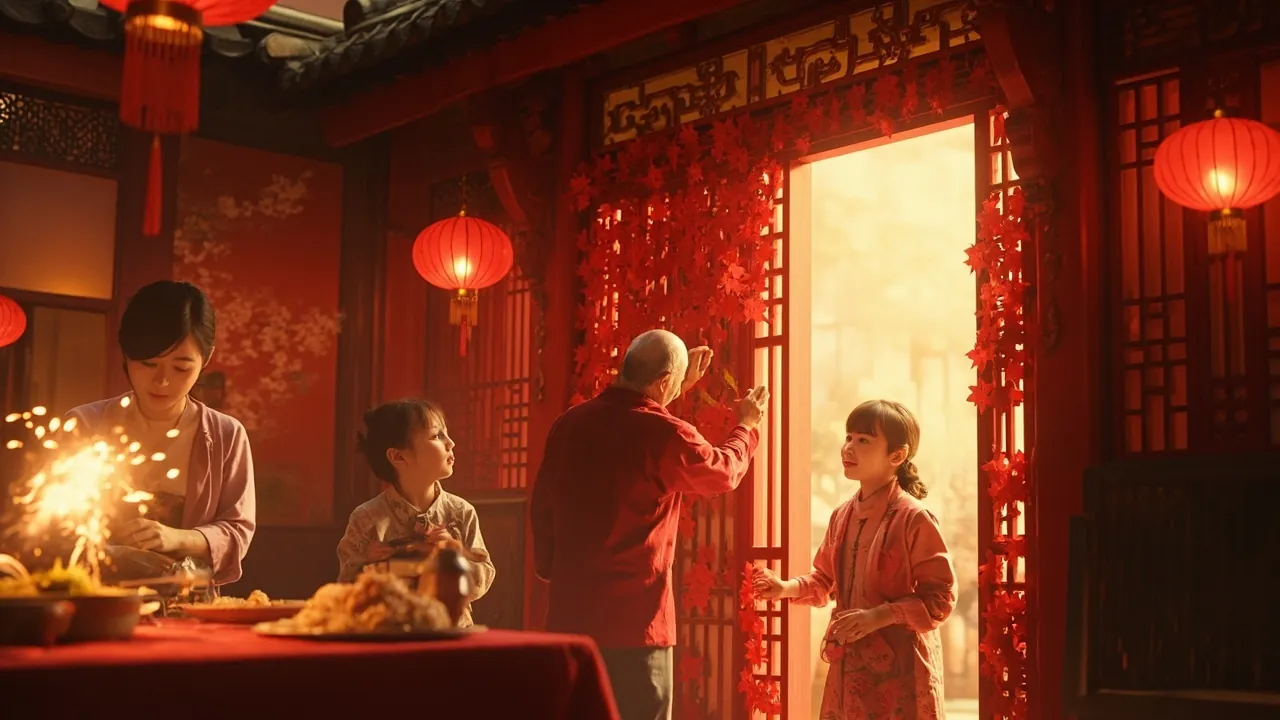
At the same time, more traditional observances continue in homes and communities. Families still make or buy tangyuan, still hang lanterns in their doorways, and still take evening walks to see the decorations. In southern China, particularly in Guangdong and Fujian provinces, some communities still release real sky lanterns — though concerns about fire hazards and environmental impact have led to increasing restrictions in many areas.
The festival has also found new audiences internationally. Chinese communities in the United States, Canada, the United Kingdom, Australia, and elsewhere hold their own Lantern Festival celebrations, adapting traditions to local contexts. In some cities, the festival has become a public event that draws non-Chinese visitors, creating opportunities for cultural exchange and understanding.
Making the Lantern Festival Part of Your World
You don’t need Chinese heritage to appreciate the Lantern Festival and incorporate its spirit into your life. The holiday offers something increasingly rare in modern life — a reason to slow down, gather with people you care about, and appreciate beauty for its own sake.
Consider hosting a simple Lantern Festival gathering of your own. Pick up some tangyuan from an Asian grocery store (many supermarkets now carry them frozen or fresh, particularly in areas with large Chinese populations). String up some lanterns in your backyard or living room. Serve the tangyuan in their sweet soup, and take the evening to appreciate the light and warmth with friends or family.
If you have children, the festival offers wonderful opportunities for crafts. Making simple paper lanterns is a fun project that even young children can help with, and the result creates real festival atmosphere. Older children might enjoy writing riddles on their lanterns or learning about the legends behind the celebration.
The underlying message of the Lantern Festival — that light pushes back darkness, that sweetness follows hardship, that endings lead to new beginnings — resonates regardless of cultural background. The winter months can feel long and dark in many parts of the world, and here’s a holiday that says: yes, it’s been a tough season, but look — the first full moon of the new year has risen, and it’s time to celebrate.
The Festival That Reminds Us to Look Up
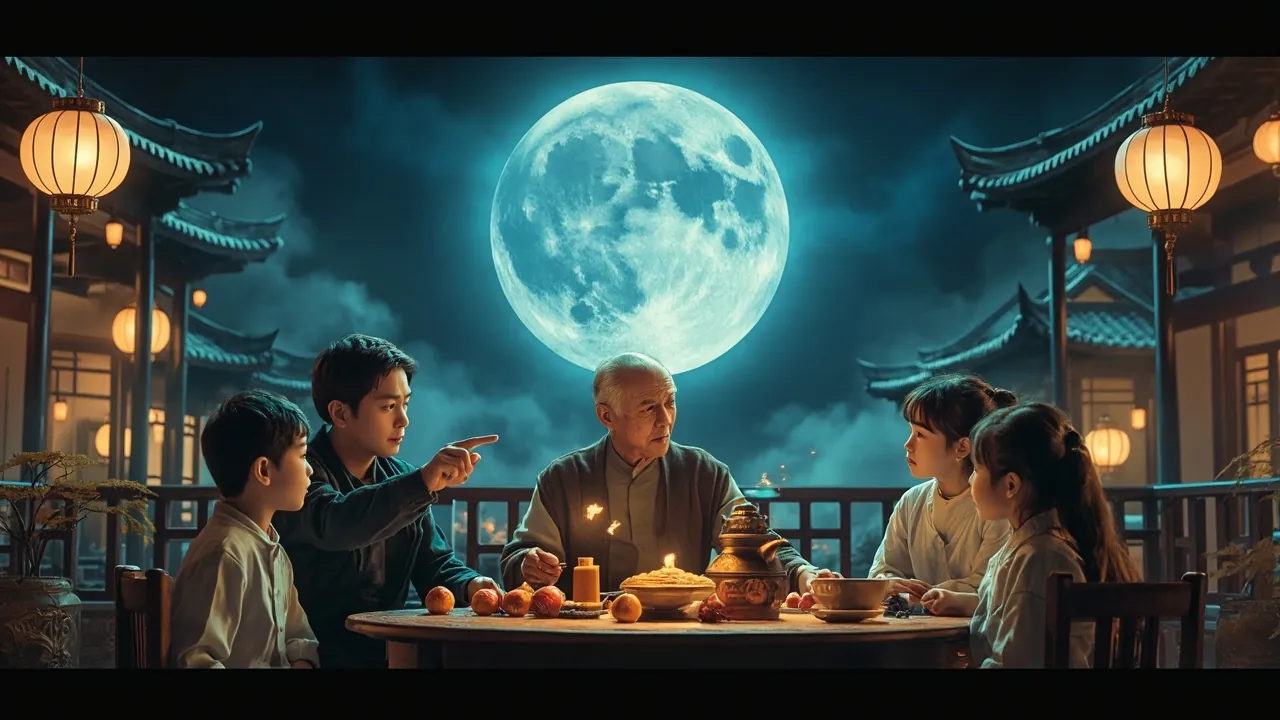
There’s something special about a holiday that takes place at night, outdoors, focused on light. In our modern world of screens and indoors, the Lantern Festival asks us to step outside, look up, and share a moment of beauty with the people around us.
The lanterns don’t need to be elaborate. Even a single lantern hung in a window sends a message: someone is here, someone is celebrating, someone is hoping for good things in the year ahead. And when thousands of those lanterns come together, they create something that transcends the individual parts — a collective expression of joy and hope that has endured for centuries and shows no signs of dimming.
The festival also carries a deeper meaning in the context of the Chinese New Year period. After weeks of honoring ancestors, observing taboos, and participating in solemn traditions, the Lantern Festival represents liberation. The restrictions are lifted, the New Year is truly underway, and everyone can return to normal life with fresh energy and spirits. It’s the punctuation mark at the end of an extended sentence, the ceremonial closing of one celebration and the opening of another phase.
In Chinese communities around the world, the Lantern Festival serves as a vital link to heritage for diaspora families. Parents who may have emigrated still make sure their children experience the festival, teaching them to make tangyuan, showing them how to hang lanterns, and telling them the stories behind these traditions. These small acts of cultural transmission ensure that the Lantern Festival will continue to be celebrated for generations to come, no matter where in the world Chinese families make their homes.
Next time the Lantern Festival comes around, find your way to a celebration. Eat something sweet. Watch the lanterns glow. And remember that in the darkest moments, human beings have always found reasons to make light.
Affiliate Product Recommendations:
DIY Paper Lantern Craft Kit — 24 reusable lanterns in various sizes with LED candles and instruction booklet, perfect for creating your own Lantern Festival atmosphere at home.
Premium Frozen Tangyuan Gift Box — Assortment of tangyuan dumplings with different fillings including black sesame and red bean, ready to boil and serve in sweet soup.
Chinese Festival Decoration String Lights — 100-foot red LED string lights featuring traditional Chinese knot decorations, ideal for transforming any space for the Lantern Festival.
Traditional Ceramic Tangyuan Serving Bowl Set — Beautiful handcrafted ceramic bowls with lattice pattern, perfect for serving tangyuan in sweet osmanthus soup.
Asian Grocery Delivery Gift Card — Give the gift of authentic ingredients so friends and family can prepare their own traditional Lantern Festival treats at home.