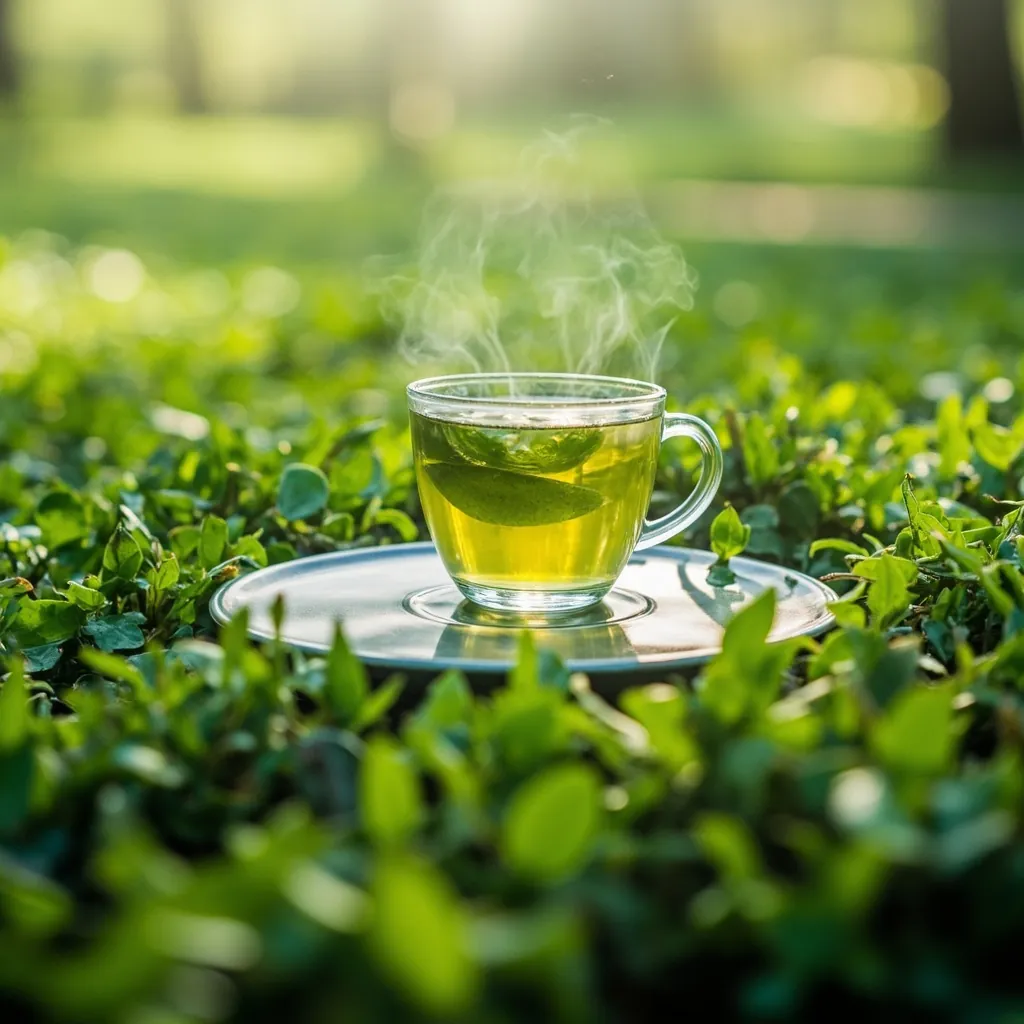
Longjing Tea (Dragon Well): The Legendary Green Tea of Hangzhou
There are few teas in the world that carry the weight of history quite like Longjing, commonly known as Dragon Well tea. Walk into any respectable tea shop in China and ask for Longjing, and you’ll see faces soften, shoulders relax, and a quiet reverence settle over the conversation. This isn’t just a tea — it’s a cultural artifact, a diplomatic gift, a morning ritual, and a testament to what happens when geography, climate, and centuries of craftsmanship align perfectly.
I first encountered Longjing properly during a visit to Hangzhou a few years back. Not in a tourist tea house with English menus and gift-wrapped boxes, but at a small family operation tucked behind a temple on the hillsides overlooking West Lake. The farmer — a weathered man in his sixties with soil-stained hands — brewed me a pot using nothing fancy: a glass vessel, water just off the boil, and leaves he’d processed that spring. The taste stopped me cold. There was something in that cup that no tea I’d had before had managed to capture: a mellow sweetness, like fresh toasted nuts, with this incredible lingering aftertaste that stayed with me for twenty minutes. I understood then why emperors fought over this tea, why poets wrote about it, and why people spend more on a single ounce of top-grade Longjing than they would on a week’s worth of groceries.