Mencius’s Mother Moves Three Times: How One Mother’s Sacrifice Built One of China’s Greatest Philosophers
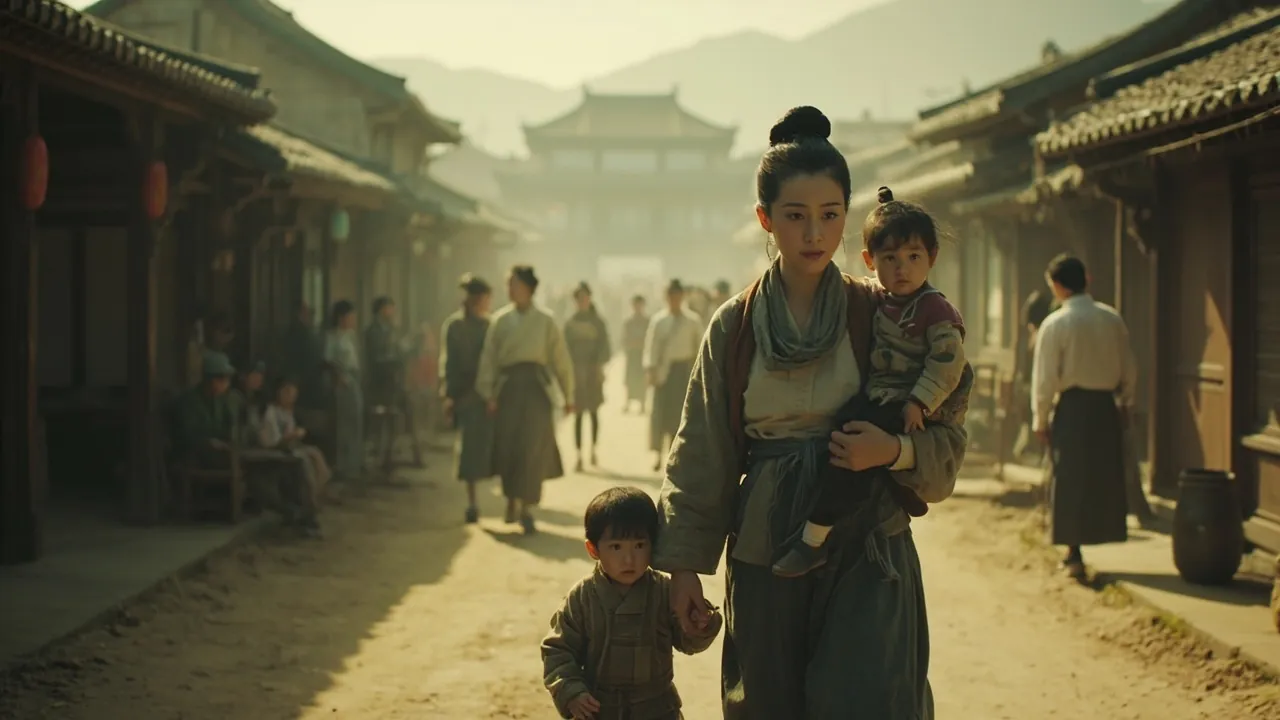
There is a story from ancient China about a woman who moved her family three times so that her son could have the right neighbors.
On the surface, it sounds like the kind of thing parents everywhere say when they’re trying to get into the right school district. But this story is about much more than real estate. It’s about the profound recognition that environment shapes who we become — and about the willingness of one mother to upend her own life to give her child the best possible chance to grow into his full potential.
The woman was Mencius’s mother (孟母), known in history as Lady Ren (任氏). Her son would become Mencius (孟子), the philosopher whose ideas about human nature, virtue, and government would become the foundation of Neo-Confucianism and one of the most influential intellectual traditions in world history.
Without his mother’s three moves, there might have been no Mencius as we know him.
The Woman Who Understood Environment
Mencius was born in 372 BC in the state of Zou, in what is now Shandong province. His family was not wealthy. His father died when Mencius was very young, leaving his mother, Lady Ren, to raise him alone. What she lacked in wealth she apparently made up for in clarity of purpose and fierce determination.
The earliest accounts of the mother’s three moves come from the Liu Tao (韩诗外传), an early Han Dynasty text that collected stories about notable figures. According to these records, Lady Ren understood something that many parents intuit but few act on with her consistency: the people and environment around a child shape that child’s character as surely as any lesson or lecture.
She was going to make sure her son’s environment was right.
The First Move: Away From the Market
The family’s first home was located near a market. In ancient China, markets were noisy, crowded, and full of the kind of vigorous commerce that attracts all kinds of people — honest merchants, certainly, but also gamblers, salespeople using every trick in the book, and the general chaos of commerce where money talks and principles sometimes take a back seat.
The young Mencius, like all children, was an imitator. He began playing market games — setting up mock stalls, practicing haggling, adopting the language and attitudes of the merchants he heard all day. His play took on the character of the market: competitive, transactional, oriented around money.
Lady Ren watched this with growing concern. She had aspirations for her son that went beyond the marketplace. She wanted him to grow into a man of principle, someone who understood virtue and could contribute to society in a meaningful way. The market was not going to give him that.
So she moved. They left the market district and settled somewhere else.
The Second Move: Near the Graveyard
The second home was near a cemetery. Ancient Chinese cemeteries were active places — mourners came regularly to tend graves, burn offerings, and perform rituals. There were also people whose job it was to dig graves and handle the dead. The atmosphere was solemn, ritualistic, and centered on death.
The young Mencius, being a child, did what children do: he imitated what he saw. He began playing funeral games — organizing mock burial rituals, digging small holes in the ground, carrying objects as if carrying the deceased. His play had shifted from commerce to mortuary ritual.
Lady Ren was again concerned. She wanted her son to grow into someone who contributed to life, not someone whose world centered on death. A cemetery was not the environment she was looking for.
So she moved again. This time, she was deliberate. She thought carefully about what kind of environment would shape her son into the kind of person she believed he could become.
The Third Move: Near the School
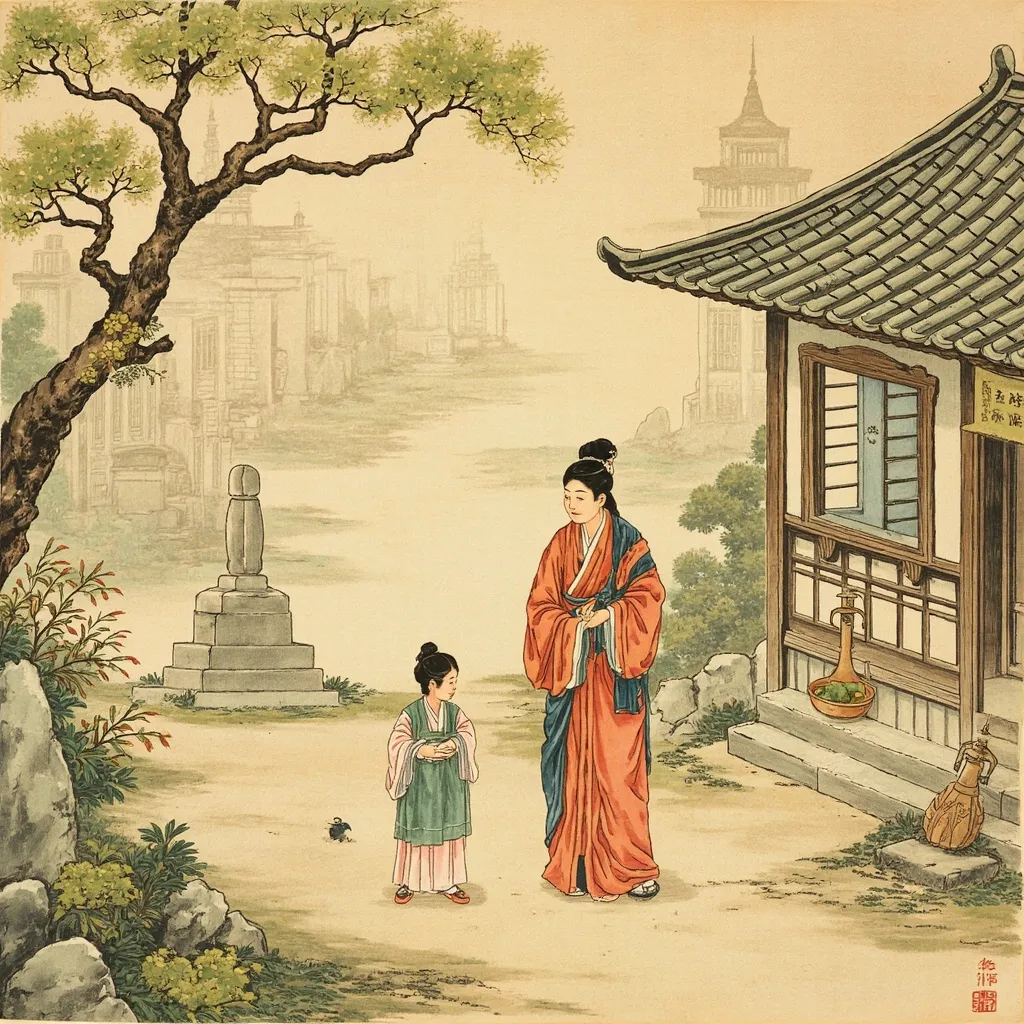
The third home was near a school — or more precisely, near the residence of a scholar. In ancient China, formal education was reserved for the sons of wealthy or noble families. Schools were places where young men learned the classics, calligraphy, music, and the Confucian virtues that would prepare them for lives as officials, scholars, and men of moral character.
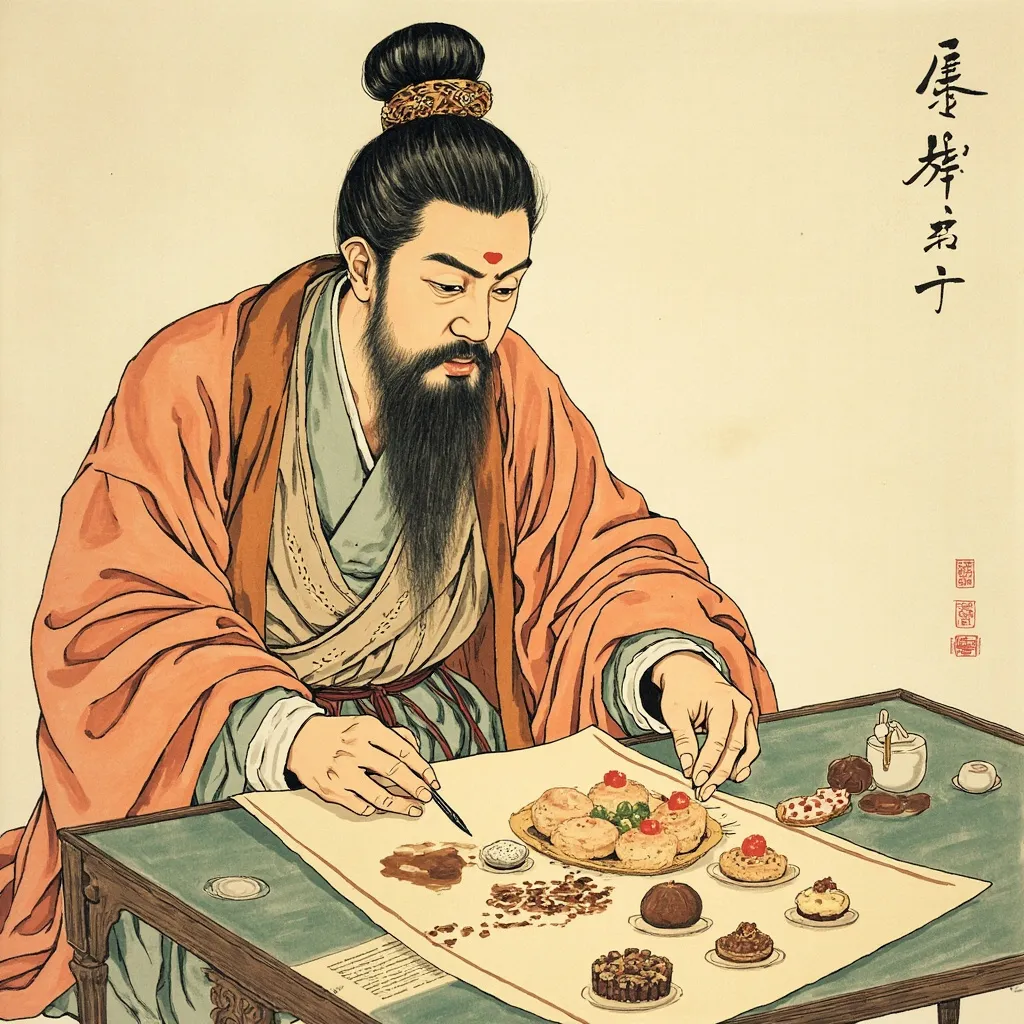
Lady Ren placed her son in the vicinity of this environment, and the effect was immediate. Mencius began playing scholar games — imitating reading, practicing calligraphy strokes in the dirt, organizing his friends into groups that mimicked the structured learning he observed. He was fascinated. He was engaged. And crucially, he was absorbing the habits of mind that would serve him for the rest of his life.
Lady Ren, according to the account, was satisfied. This was the environment that would shape her son correctly.
The Story of the Torn Cloth
There’s a postscript to the three moves story that Chinese parents also love to tell. Once, when Mencius was older and already showing the scholarly promise his mother had worked so hard to cultivate, he came home from school one day and found his mother sitting alone, looking at a piece of cloth she had been weaving.
She looked troubled. Mencius asked what was wrong. She said she had been thinking about his education and felt she was failing him — that she wasn’t doing enough.
Shortly after this conversation, Mencius reportedly dropped out of school. He didn’t tell his mother. He just stopped going.
Lady Ren found out. She was devastated — and furious. To show her son how his abandonment of his education felt to her, she took a knife to the cloth she had been weaving and cut it in half. The cloth, she told him, was ruined. Just as her years of effort on his behalf would be ruined if he didn’t return to his studies.
Mencius was reportedly shaken by this demonstration. He returned to school and never abandoned his education again.
The story illustrates the intensity of Lady Ren’s commitment to her son’s formation — and the recognition that even a mother as dedicated as she could feel moments of doubt and frustration. It also shows that Mencius himself was not a perfect child. He needed guidance, correction, and the kind of firm love that his mother provided.
Mencius Grows Up: The Philosopher and His Ideas
Mencius (372–289 BC) went on to become one of the most important Confucian philosophers in Chinese history. He was a direct disciple of the school ofConfucius’s grandson, and his interpretations of Confucian thought became foundational to what later developed into Neo-Confucianism — the philosophical tradition that shaped Chinese civilization for over a thousand years.
Mencius’s most famous philosophical contribution was his argument about human nature. He believed that humans are fundamentally good — that every person has an innate moral sense (he called it 良知, liangzhi, or “good knowing”) that, if cultivated properly, would lead them to virtue. This optimistic view of human nature distinguished Mencius from some other Confucian thinkers who took a more cautious view of human potential.
He also developed sophisticated ideas about political legitimacy. Rulers, he argued, had a divine obligation to govern in the interest of the people. If a ruler became tyrannical or neglectful, the people had the right — even the obligation — to replace him. This was a radical idea in an era of absolute monarchs, and it would echo through Chinese political thought for centuries.
Mencius’s mother, who had shaped him so carefully through her choices about environment, lived to see her son become one of the most respected scholars in China. She died before Mencius did, but her influence was acknowledged by the philosopher himself in later years.
The Idiom: 孟母三迁
The phrase 孟母三迁 (Mèng Mǔ Sān Qiān) — “Mencius’s mother moves three times” — entered Chinese vocabulary as shorthand for the importance of environmental influence on children’s development. It’s used when discussing neighborhoods, schools, friendships, and any context where environment is shaping someone’s growth.
The idiom speaks to a truth that modern American parents also grapple with constantly: the awareness that “it takes a village” extends to geography. Where you live, who your neighbors are, what your child is exposed to every day — these things matter. Lady Ren’s three moves were an extreme example of this awareness, but they captured something that resonates across cultures and centuries.
In modern China, the idiom is frequently invoked in discussions about education policy, neighborhood planning, and the perennial question of how to give children the best start in life. It’s also cited by Chinese-American families navigating questions about school districts and community environments in their new country.
What Americans Can Learn From This Story
American culture tends to celebrate individual initiative and personal responsibility as the primary drivers of success. Lady Ren’s story doesn’t contradict that — Mencius still had to do the work — but it adds a crucial layer: environment enables or constrains individual potential.
The story of the three moves is essentially a story about investment. Lady Ren invested her time, her energy, and her stability in creating the right conditions for her son’s growth. She didn’t move three times because she was wealthy and任性; she did it because she understood that the cost of the wrong environment was higher than the cost of the move.
For American readers, there’s a practical message here that applies to parenting, education, and community-building. The people and places around children are not incidental. They are formative. The mother who thinks carefully about her child’s environment is doing exactly what Lady Ren did: making a strategic investment in human potential.
If you found this story of a mother’s dedication moving, you might also enjoy our article on Kong Rong Yields the Pear, another story of childhood virtue and family wisdom from ancient China that has been told for over two thousand years.