Spring Festival Traditions: How Chinese People Celebrate Chinese New Year
Every year, millions of families across China and around the world come together to celebrate the most significant event on the Chinese calendar — the Spring Festival, commonly known as Chinese New Year. This isn’t just a holiday; it’s a weeks-long explosion of food, family, fireworks, and traditions that have been passed down for thousands of years. If you’ve ever wondered what makes this celebration so special and why it matters so much to Chinese people, grab a cup of tea and settle in.
The Heart of Spring Festival: Family Reunion Above All Else
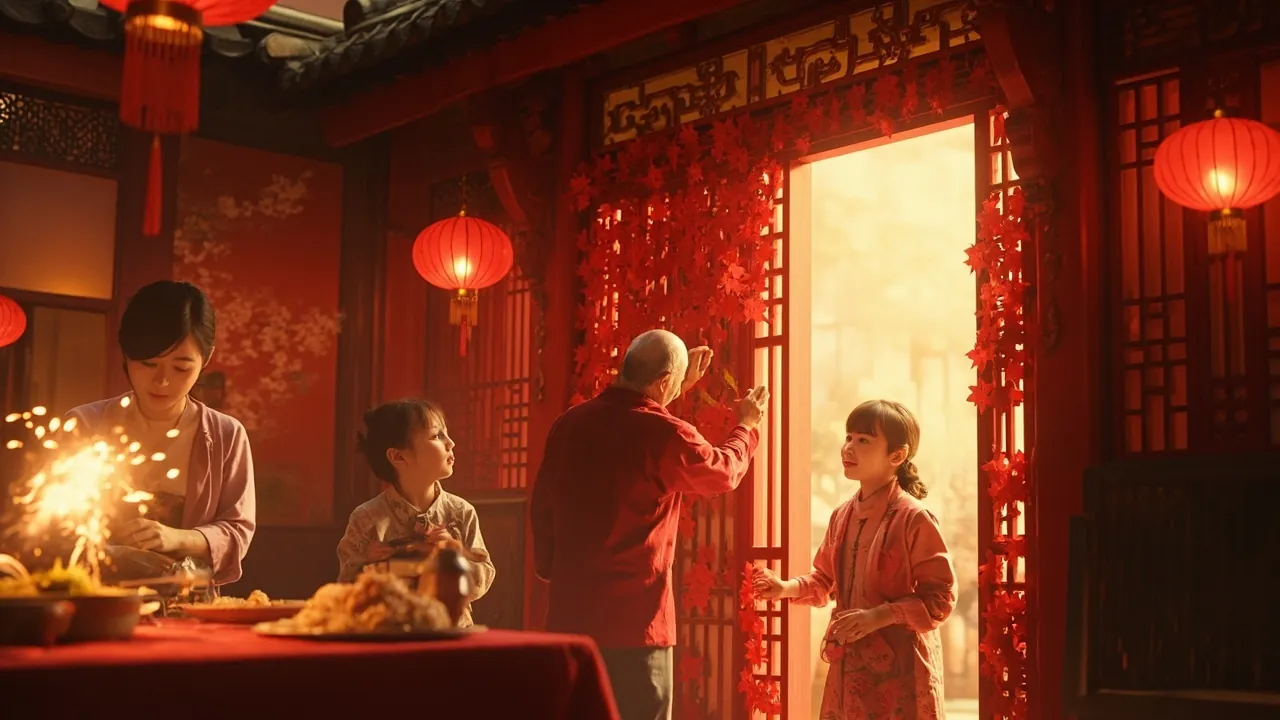
The Spring Festival officially begins on the first day of the first lunar month, but the preparations start weeks earlier. For Chinese people, the single most important aspect of this holiday is the family reunion. Think of it like Thanksgiving, Christmas, and New Year’s all rolled into one massive celebration — except the family gathering can involve traveling across the entire country.
During the Spring Festival travel rush, known as Chunyun, China’s transportation systems handle billions of trips as migrant workers leave cities to return to their hometowns. Trains sell out months in advance, highways become parking lots, and airports overflow with passengers. Why? Because being with family during this time isn’t just tradition — it’s practically a moral obligation. The reunion dinner on New Year’s Eve is the pinnacle of this gathering, where multiple generations sit around a large circular table, sharing dishes that carry deep symbolic meaning.
My grandmother always said that no matter where you work or how far you travel, you must come home for New Year’s Eve dinner. That belief still holds strong in Chinese culture today. The dinner table groan with dishes like whole fish (symbolizing abundance), dumplings (shaped like ancient gold ingots for wealth), and noodles for longevity. Each dish carries a wish for the coming year — prosperity, happiness, health, and success.
Red Envelopes: The Sweet Tradition of Hongbao
If there’s one Spring Festival tradition that outsiders recognize most easily, it’s the red envelope. Known as hongbao in Mandarin or lai see in Cantonese, these small red packets stuffed with money represent good luck and best wishes for the recipient’s future.
The tradition stems from ancient beliefs about fending off evil spirits and welcoming prosperity. Parents, grandparents, and even employers give red envelopes to children, unmarried adults, and employees. The money inside is always in even amounts — odd numbers are associated with funeral offerings and would be considered insulting. Common amounts range from 66 yuan (a wish for smooth sailing) to 888 yuan (a fortune of prosperity).
In recent years, the digital红包 has taken China by storm. During the Lunar New Year, it’s common to see groups of people huddled over their smartphones, frantically tapping to grab virtual red envelopes in WeChat group chats. Companies send digital envelopes to employees, and grandparents who once frowned upon screen time now master the art of the electronic hongbao. But no matter the medium, the sentiment remains the same — sharing good fortune with loved ones.
The giving of red envelopes creates chains of reciprocity and strengthens social bonds. When a child receives a red envelope, parents often remind them to thank the giver graciously. There’s also etiquette around receiving and opening them — traditionally, you shouldn’t open a red envelope in front of the person who gave it, as that might suggest you were hoping for more money.
Fireworks and the Legend of Nian
Ask any Chinese person why they set off fireworks during the Spring Festival, and many will mention the legend of Nian. According to folklore, Nian was a monstrous beast that lived beneath the sea or in the mountains and would emerge once a year to terrorize villages. The creature was afraid of the color red and loud noises.
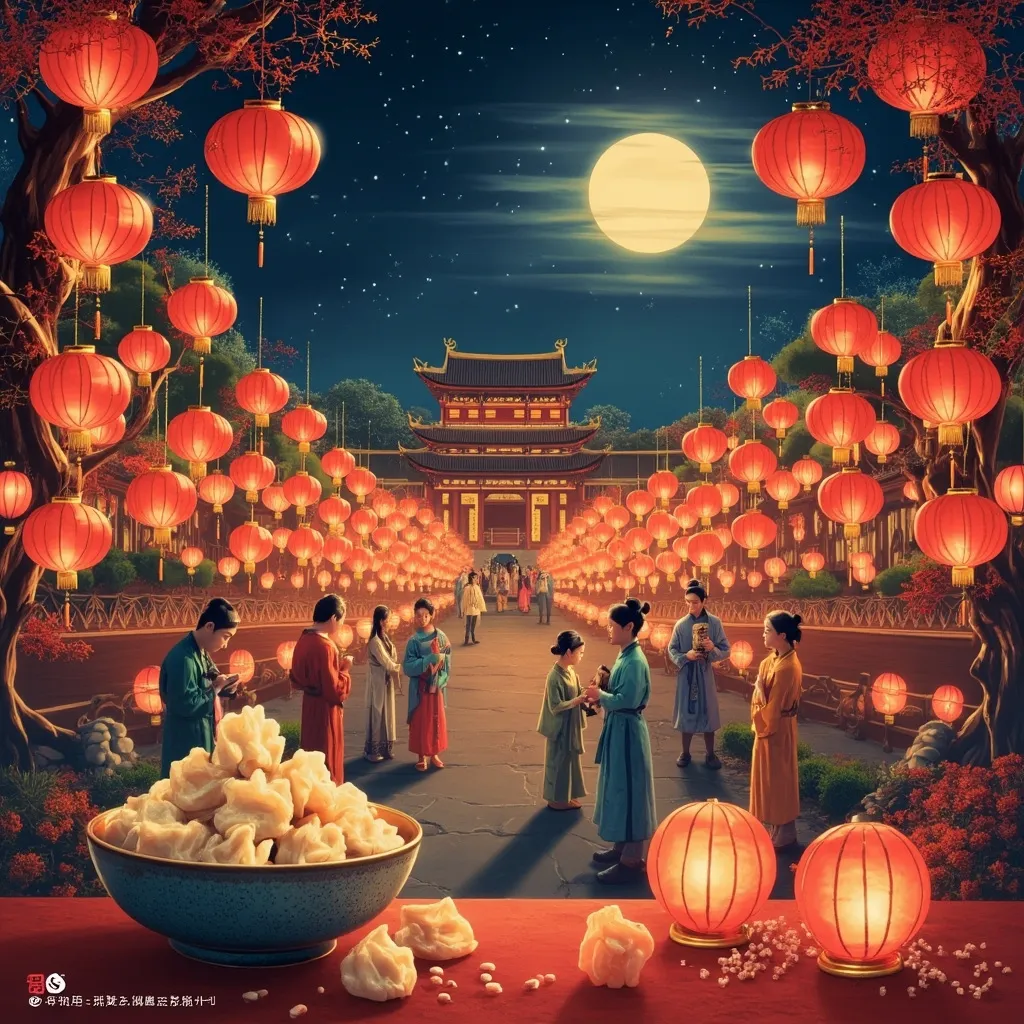
Thus, the tradition of decorating with red couplets, hanging red lanterns, and setting off firecrackers was born. On New Year’s Eve, as midnight approaches, the fireworks begin in earnest. Across China, you’ll witness what might be the most spectacular coordinated fireworks display on Earth — millions of individual celebrations creating a continuous symphony of light and sound that can last well into the early morning hours.
The noise serves a dual purpose: scaring away evil spirits and symbolizing the joy of seeing out the old year and welcoming the new one. Many believe that the louder the fireworks, the better the coming year will be. Some families even time their fireworks to coincide exactly with the stroke of midnight, believing that the transition moment is when the year’s fortune is most malleable.
Traditional Foods That Carry Deep Meaning
No Spring Festival celebration is complete without the traditional foods that grace every table. These dishes are about far more than just taste — each carries symbolic meaning that expresses wishes for the coming year.
Dumplings occupy a central place on the Spring Festival table, particularly in northern China. The dumpling’s shape resembles that of an ancient gold ingot, and therefore eating dumplings is said to bring wealth and prosperity. Families often gather together in the afternoon to make dumplings, treating the process as a bonding activity. Some families even hide a clean coin inside one dumpling — whoever bites into it is said to have especially good luck that year.
Fish is another essential dish, almost always served whole. In Chinese, the word for fish (yu) sounds like the word for surplus or abundance. Therefore, eating fish symbolizes that you hope to have surplus and abundance in the coming year. The fish is typically the last dish served and often isn’t completely eaten — leaving some leftover symbolizes that you’ll have abundance to carry over into the next year.
Noodles represent longevity and longevity is the ultimate New Year wish, especially for elders. Long noodles should never be cut short, and the act of slurping them up is encouraged. Rice cakes, called nian gao, symbolize growth and progress — the word gao sounds like the word for tall or high, representing improvement and achievement. Spring rolls, with their golden fried exterior, represent wealth due to their resemblance to gold bars.
The Days After: Traditions That Extend Well Beyond New Year’s Eve
While New Year’s Eve and New Year’s Day are the most intense celebration periods, the Spring Festival actually extends for about two weeks, ending with the Lantern Festival. Each day during this period has its own traditions and taboos.
The first day of the new year is spent visiting relatives and friends, exchanging greetings, and eating sweets. Many people avoid taking showers or washing hair on this day, as these activities might “wash away” good luck. Cleaning is strictly prohibited — you’re not supposed to sweep or take out trash, because you’d be sweeping away your good fortune.
The second day is traditionally when married daughters return to their birth families, bringing gifts for their parents. The third day, called “chì kǒu,” is considered a day for paying respects to the deceased — families visit graves to honor their ancestors. The seventh day is everyone’s birthday, according to the lunar calendar, when people eat tang yuan (sweet rice balls) to celebrate.
Throughout this period, you’re likely to see dragon and lion dances performing in streets and marketplaces. The dragon dance originated from an ancient belief that dragons control weather and bring rain for good harvests. The lion dance drives away evil and brings good luck. These performances feature elaborate costumes and acrobatic choreography that captivate audiences of all ages.
Modern Spring Festival: Tradition Meets Technology
Today’s Spring Festival isn’t purely traditional — it’s evolved to reflect modern Chinese society. While core values of family, reunion, and good wishes remain unchanged, the way people celebrate has transformed significantly.
The Spring Festival Gala, a variety show broadcast on CCTV on New Year’s Eve, has become a beloved ritual for millions of families. The four-hour show features skits, singing, dancing, and comedy acts, and families gather around the television to watch while eating their reunion dinner. While younger generations sometimes complain the show has become predictable, ratings remain enormous, proving that tradition dies hard.
Online shopping has transformed gift-giving, with Alibaba’s Taobao and JD.com seeing massive sales spikes in the weeks before the holiday. People order gifts, specialty foods, and new clothes from the comfort of their phones. Travel booking apps help families navigate the notoriously difficult Chunyun travel period. Digital red envelopes via WeChat have become so popular that they now account for more红包 exchanges than physical envelopes.
The Spring Festival travel rush, known as Chunyun, has itself become a phenomenon worth observing. China’s railways now operate some of the world’s most advanced high-speed trains, yet during peak travel, tickets still sell out almost instantly. The government’s 40-day travel period sees over 3 billion trips — that’s nearly half the world’s population moving in a single month. Airports see record passenger counts, and long-distance bus stations overflow with travelers clutching heavy bags of gifts for family back home.
Yet despite these modern changes, the essential spirit of the Spring Festival remains unchanged. Families still gather, elders still give children red envelopes, and everyone eats way too much good food. The Spring Festival endures because it serves fundamental human needs — connection with family, a moment to reflect on the past year, and hope for the year ahead.
There’s also a growing trend of young Chinese people choosing “反向春运” — reverse Spring Festival travel — where parents come to the city to visit their children rather than the traditional reverse. This reflects changing demographics, urbanization, and the practical realities of modern life where many young people cannot easily leave their jobs for weeks at a time. It also represents an adaptation rather than abandonment of tradition.
The commercial side of the Spring Festival has also exploded in recent years. Luxury brands release special New Year collections. Tourism companies offer " Spring Festival travel packages." Restaurants offer premium reunion dinner takeout services. While some criticize this commercialization, others see it as a natural evolution of how a living tradition adapts to a modern consumer economy. Whatever your view, the fact that businesses invest so heavily in the holiday shows just how central it remains to Chinese cultural and economic life.
Making Your Own Spring Festival Traditions
You don’t need to be Chinese to appreciate and incorporate some Spring Festival traditions into your life. The holiday’s emphasis on family, gratitude, and fresh starts resonates universally. Consider hosting a Chinese New Year dinner with friends, incorporating some traditional foods with symbolic meanings into your menu, or using the occasion to reconnect with distant family members.
The Spring Festival offers a reminder that in our increasingly digital and disconnected world, there’s still immense value in gathering around a table with the people who matter most. Whether you’re watching fireworks in Shanghai, eating dumplings in a cramped Beijing apartment, or celebrating in a small town anywhere across the globe, the spirit of the Spring Festival connects us all.
Affiliate Product Recommendations:
Premium Chinese Dumpling Making Kit — Everything you need to make authentic dumplings at home, including bamboo steamers, dumpling wrappers, and a recipe booklet. A great way to start your own Spring Festival tradition.
Traditional Red Envelope Set with Gold Decorations — 100 authentic hongbao with festive designs, perfect for sharing good fortune with family and friends.
Chinese Tea Gift Set for Reunion Gatherings — Premium Chinese teas including Pu-erh and Dragon Well, ideal for the tea ceremonies during Spring Festival visits.
Portable Fireworks LED Lantern Set — Safe, reusable LED lanterns that capture the festive glow of traditional Spring Festival without the noise or danger.
Asian Grocery Delivery Gift Card — Give the gift of authentic Chinese ingredients so recipients can prepare their own traditional Spring Festival feast at home.