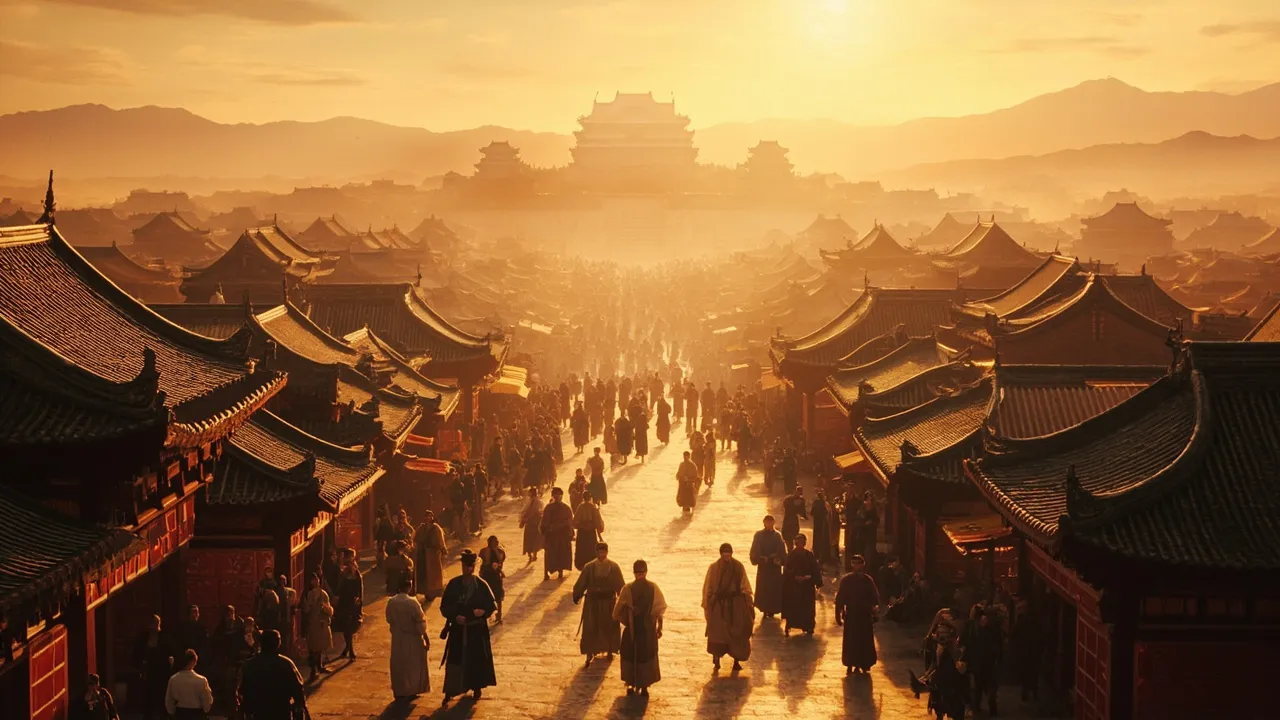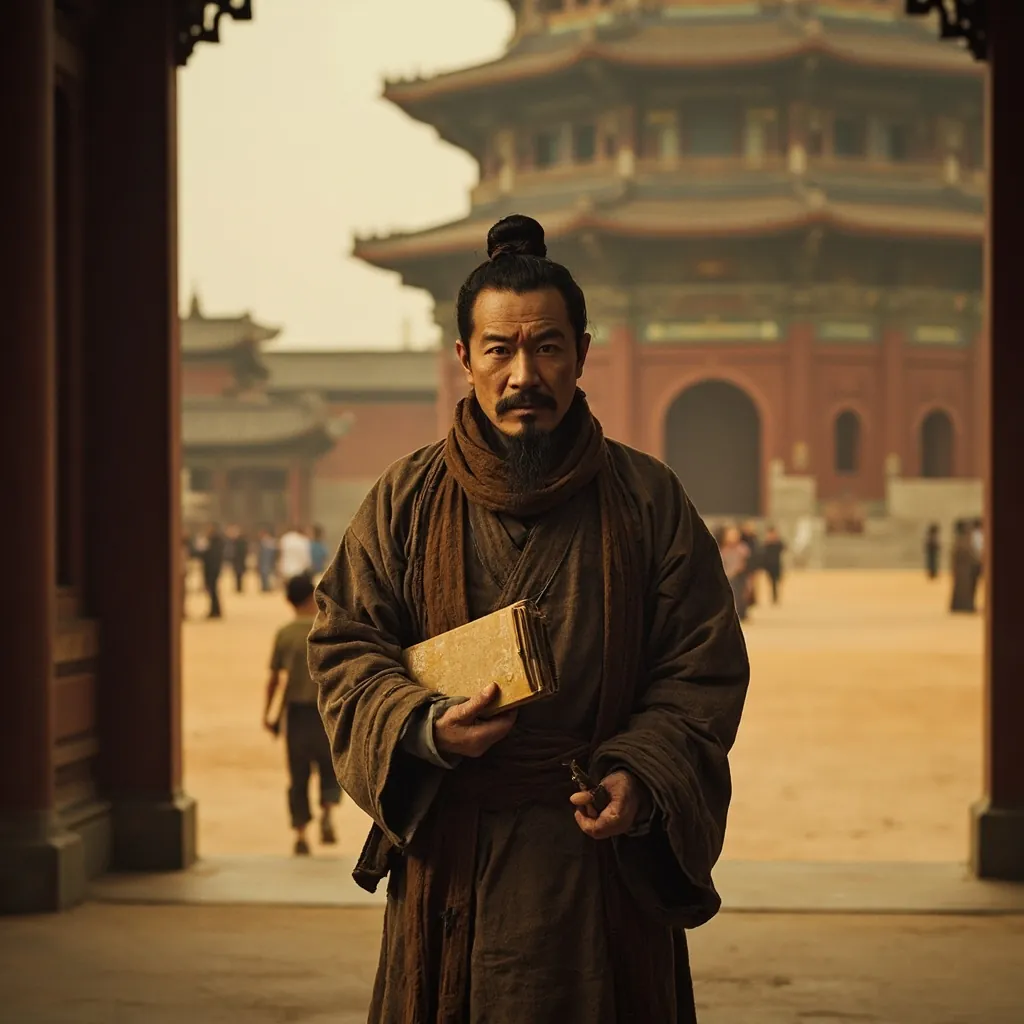
In the summer of 629 CE, a thirty-year-old Buddhist monk named Xuanzang did something that seemed almost insane. He slipped out of the imperial city of Chang’an through a side gate, avoiding the guards who would have stopped him, and walked into the desert. He had no official permission to travel. China had recently closed its borders after a catastrophic war, and anyone caught trying to leave faced severe punishment. But Xuanzang was not to be deterred. He had one goal: to travel to India, the birthplace of Buddhism, and bring back the original Buddhist scriptures so that Chinese Buddhists could study their religion in its purest form.
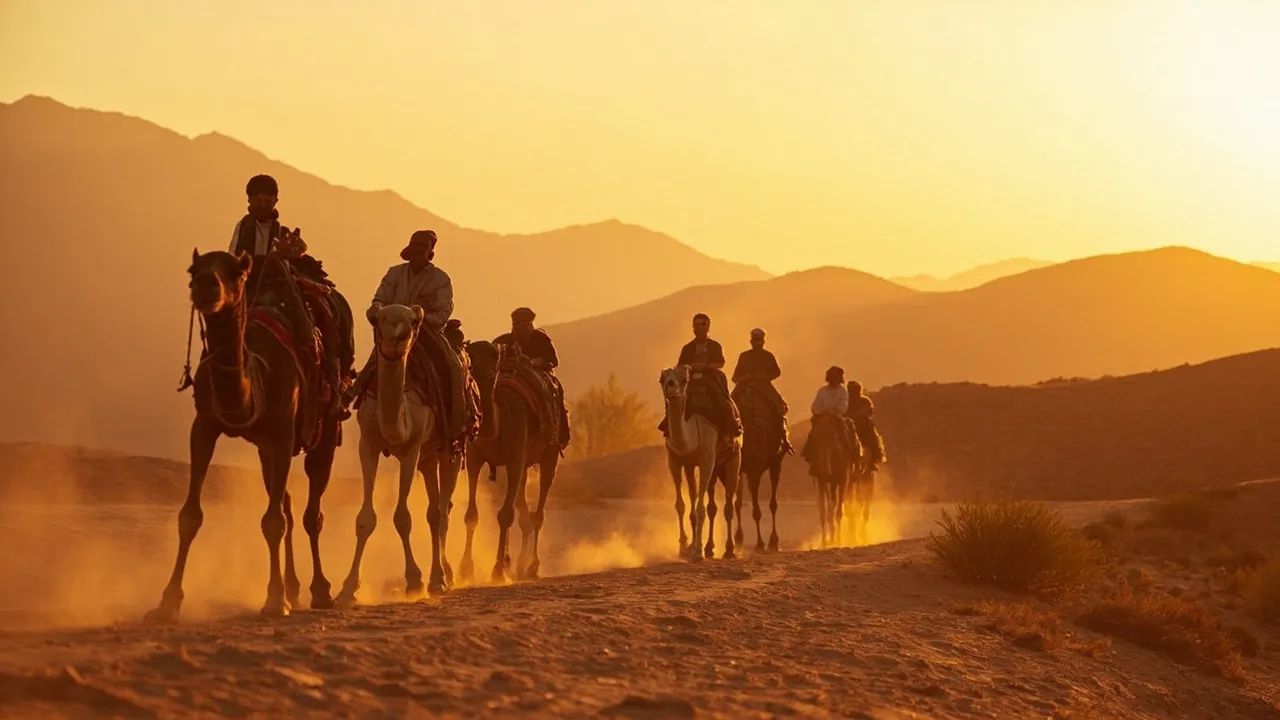
What followed was one of the greatest journeys in human history. Over the next seventeen years, Xuanzang would walk more than 10,000 miles — across the Taklimakan Desert, over the frigid mountain passes of the Pamirs, through war-torn Central Asia, and deep into the Indian subcontinent. He would study with the greatest Buddhist masters of his age, debate philosophers of every stripe, and witness a world of staggering diversity. And when he finally returned to China, he would do something no one had done before: he would translate the original Sanskrit scriptures into Chinese, creating a translation corpus so vast and authoritative that it shaped Buddhism across all of East Asia for the next thousand years.
Today, Xuanzang is a hero in both China and India. In China, his story inspired the classic novel “Journey to the West,” in which a monkey king and a pig spirit accompany a Buddhist monk on an adventure that echoes Xuanzang’s real travels. In India, he is remembered as one of the most important pilgrims who ever visited, his detailed accounts of Indian life and religion providing invaluable historical records of a civilization at its height. Understanding Xuanzang is understanding how Buddhism became a genuinely Chinese religion — and how one man’s stubborn devotion changed the spiritual landscape of an entire continent.