暗渡陈仓: The Brilliant Deception That Sealed Xiang Yu's Fate
Uncover the clever stratagem behind 暗渡陈仓 (Crossing the Hidden Path), the military tactic Han Xin used to outsmart the enemy and change the tide of the Chu-Han war.
Read More →43 articles

Uncover the clever stratagem behind 暗渡陈仓 (Crossing the Hidden Path), the military tactic Han Xin used to outsmart the enemy and change the tide of the Chu-Han war.
Read More →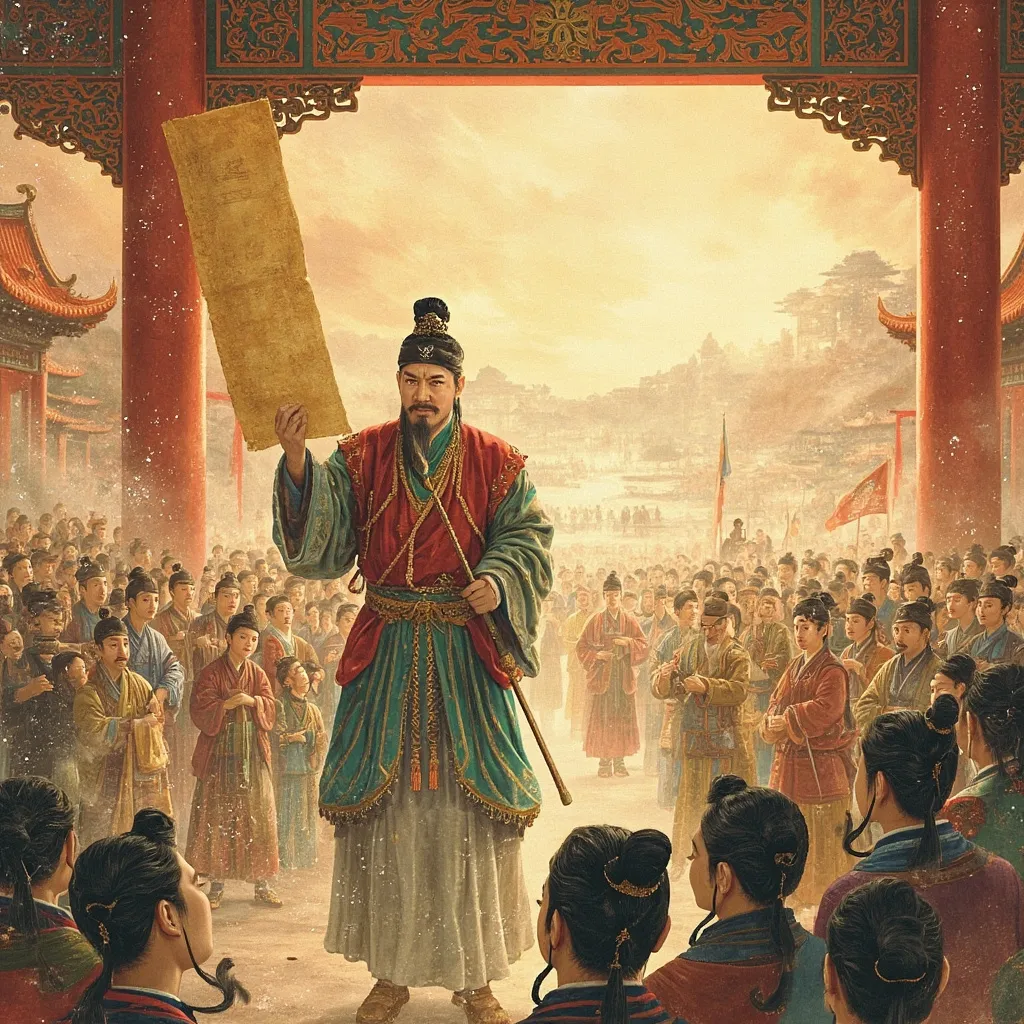
Explore the inspiring story behind 约法三章 (Three Laws Agreed), the moment Liu Bang promised simple, fair governance and changed the course of Chinese political philosophy forever.
Read More →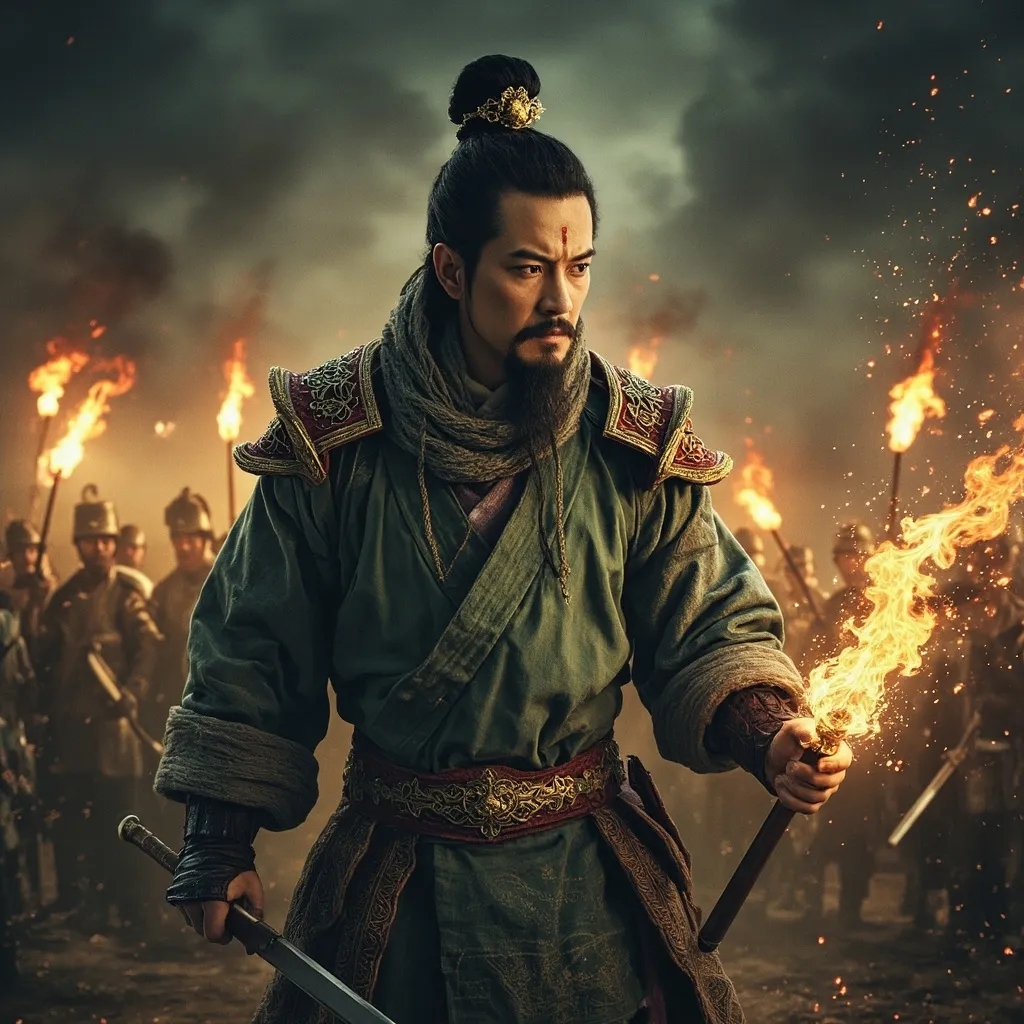
Discover the tragic story behind 四面楚歌 (Songs on All Sides), the ancient Chinese idiom that captures the moment a mighty warrior realized his empire was crumbling around him.
Read More →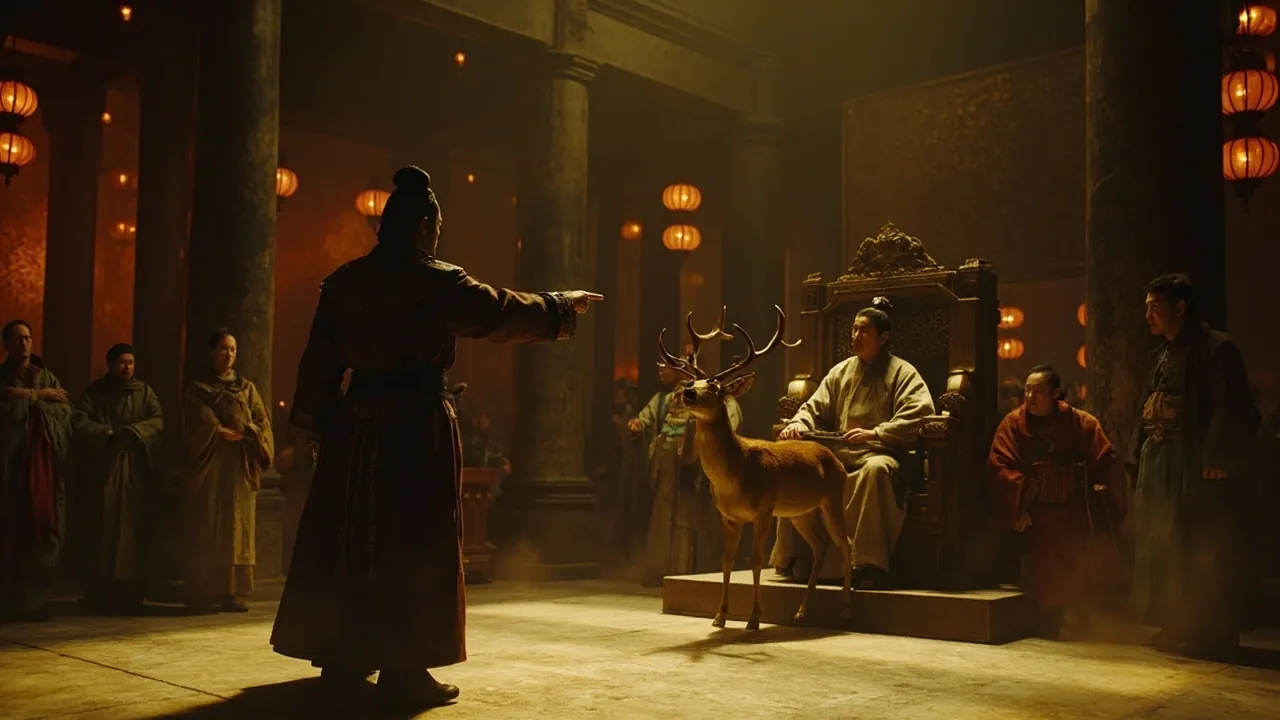
Uncover the dark story behind 指鹿为马 (zhǐ lù wéi mǎ) — Zhao Gao's infamous trick of pointing at a deer and calling it a horse to identify his enemies. Learn how this ancient Chinese political manipulation became a metaphor for corruption, power, and calling things the opposite of what they truly are.
Read More →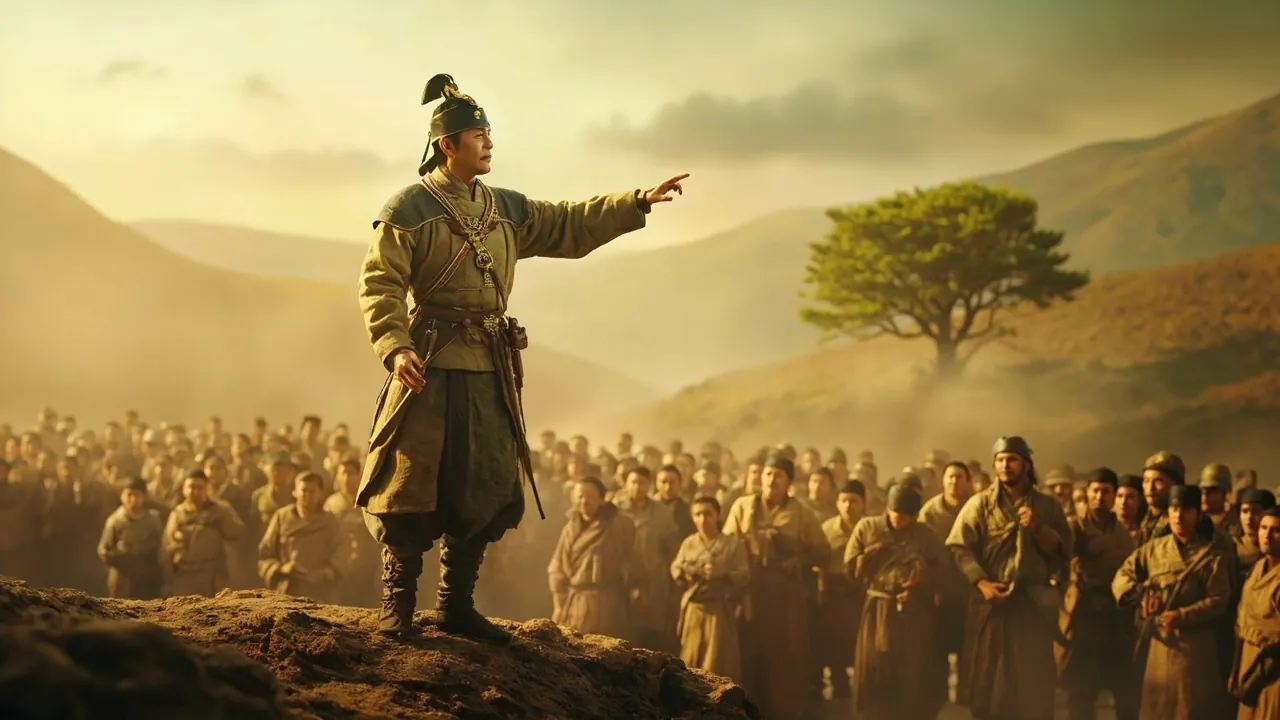
Discover the story behind 望梅止渴 (wàng méi zhǐ kě) — Cao Cao's clever deception about plums that saved his army from death by thirst. Learn how this ancient general used the power of imagination and suggestion to achieve the impossible.
Read More →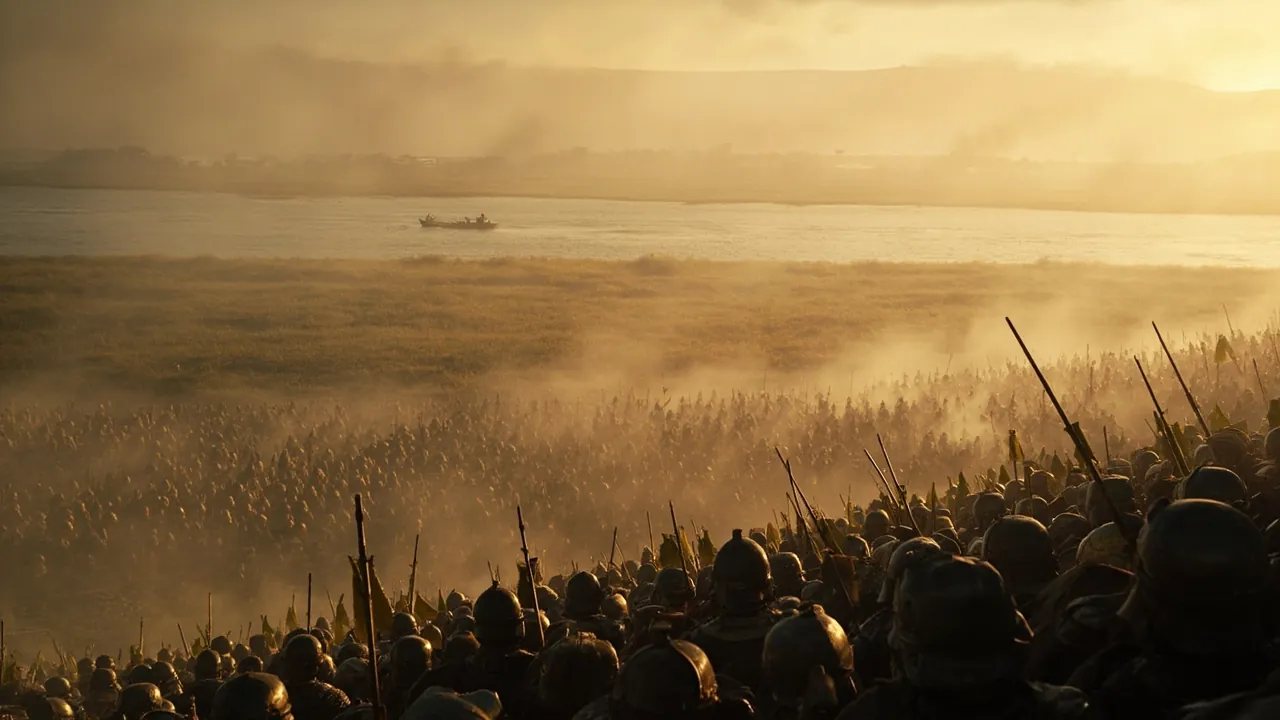
Explore the fascinating origin of 背水一战 (bèi shuǐ yī zhàn) — Han Xin's brilliant military tactic of placing his troops with their backs to a river, turning certain defeat into victory through the power of desperate courage and tactical genius.
Read More →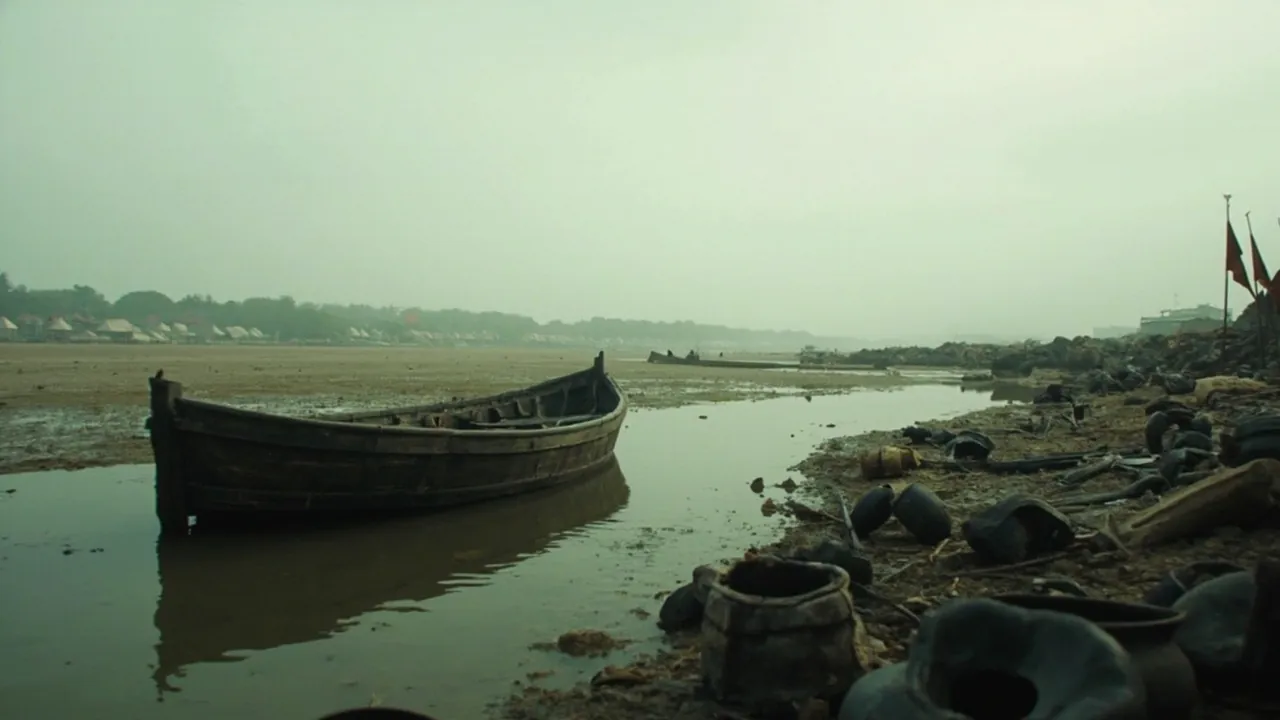
Discover the powerful story behind 破釜沉舟 (pò fǔ chén zhōu) — General Xiang Yu's legendary command to break cauldrons and sink ships, showing resolute determination to win or die. Learn how this ancient military tactic became a metaphor for unwavering commitment.
Read More →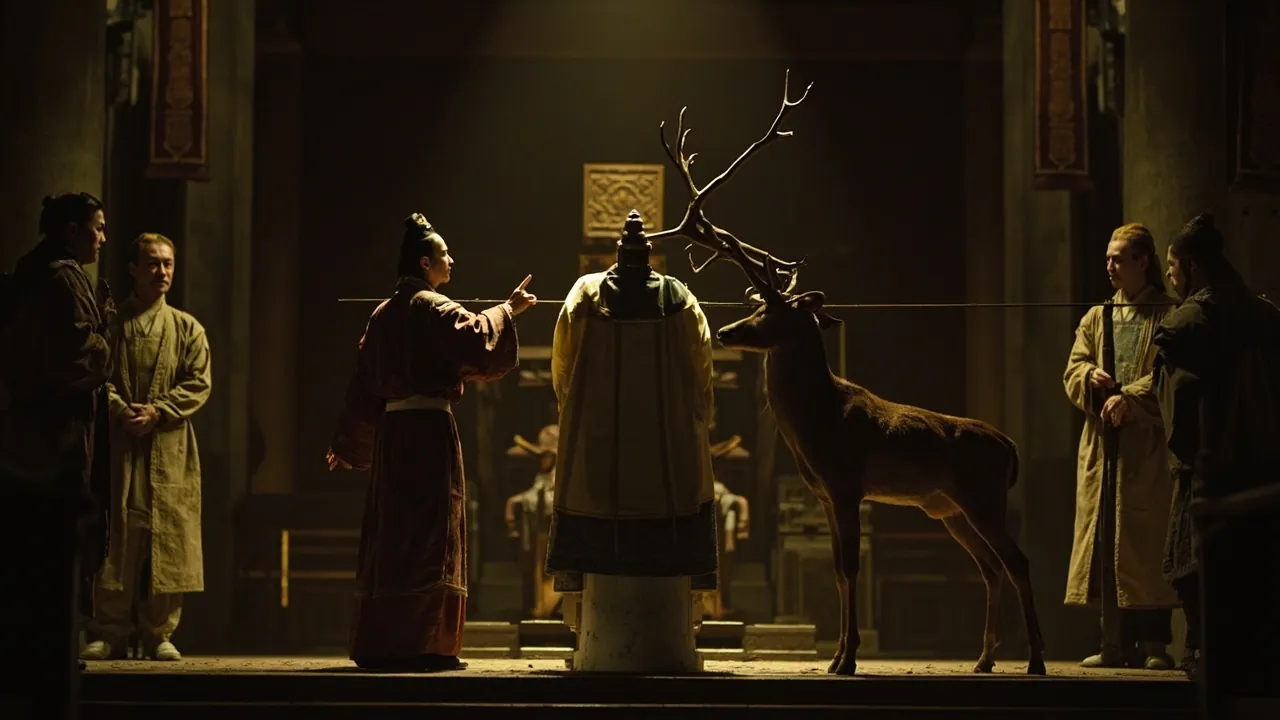
Learn the scandalous story behind '指鹿为马' (zhǐ lù wéi mǎ) — the Chinese idiom about a minister who called a deer a horse to test who would agree with the emperor. A story of power, loyalty, and willful blindness.
Read More →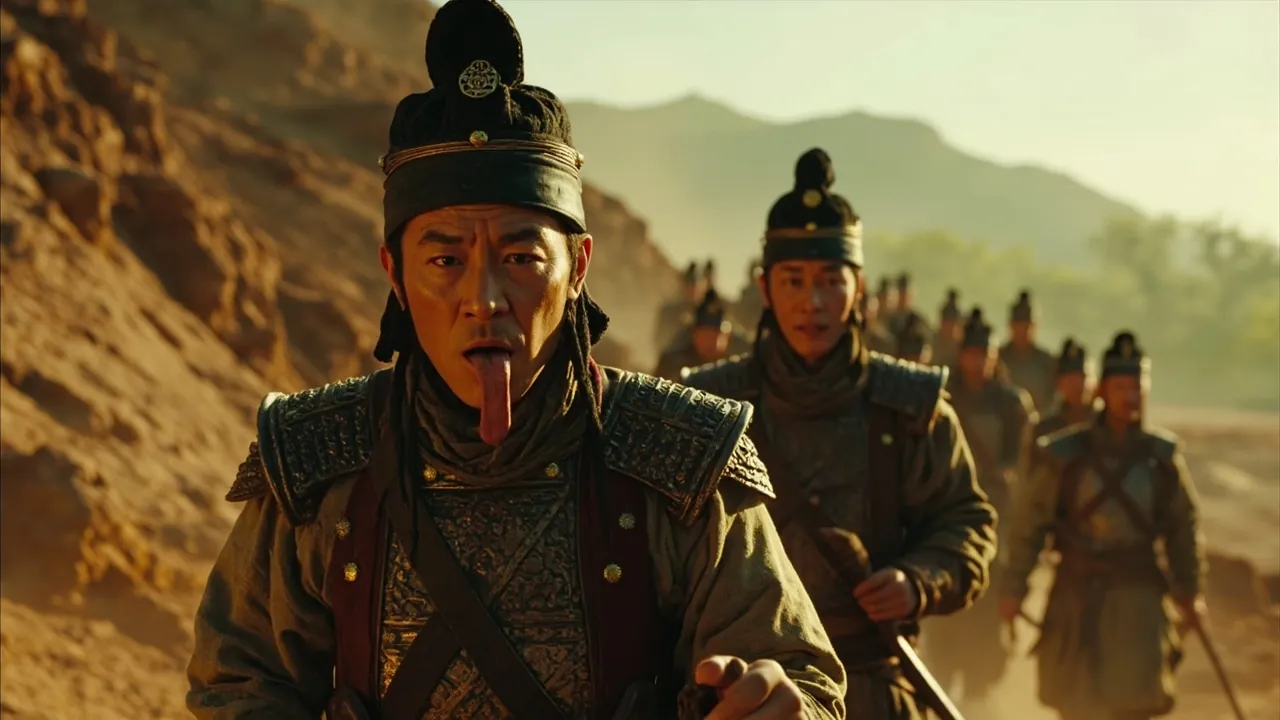
Learn the story behind '望梅止渴' (wàng méi zhǐ kě) — the Chinese idiom about soldiers who stopped feeling thirsty just by thinking about plums. Discover the fascinating psychology behind this ancient story.
Read More →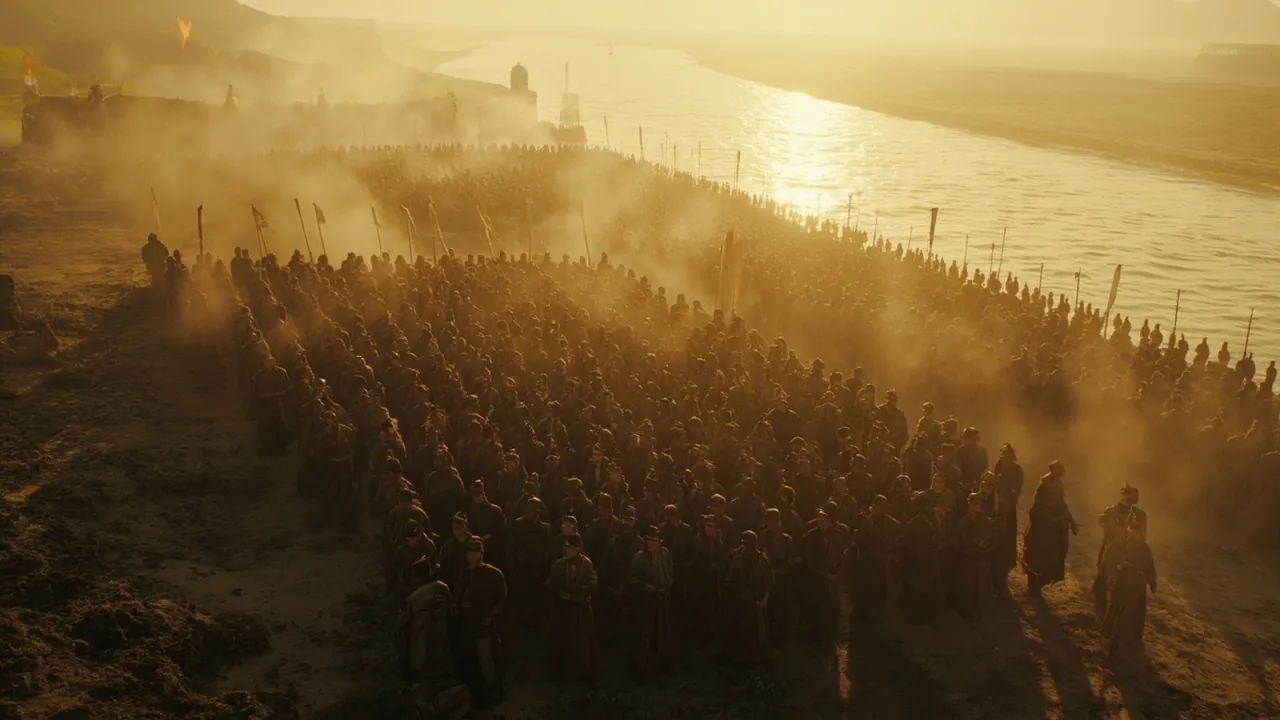
Explore the meaning of '背水一战' (bèi shuǐ yī zhàn) — the Chinese idiom describing a desperate last stand. Learn the story of Han Xin and how desperate situations forge extraordinary courage.
Read More →