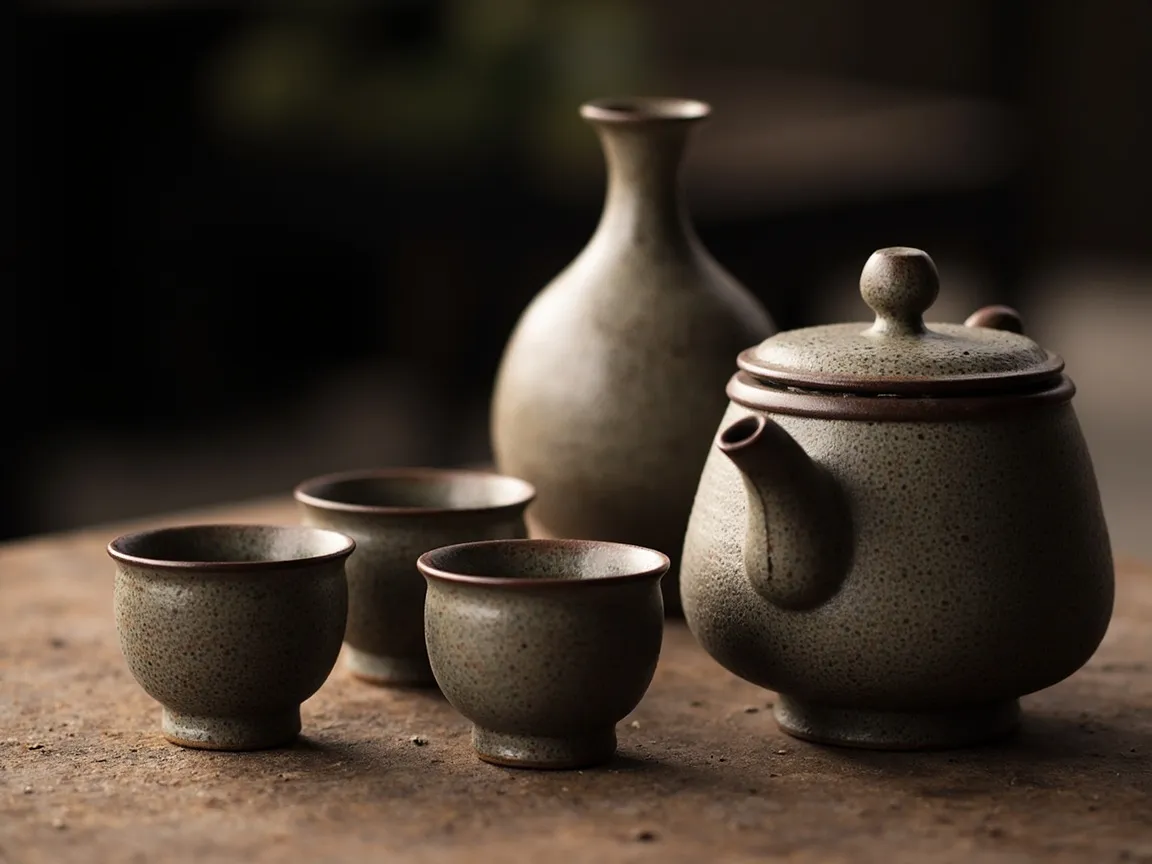
When most people think of Chinese drinks, tea immediately comes to mind. And honestly, that’s fair — China basically invented the stuff, and the country has been sipping it for over 4,000 years. But here’s the thing: Chinese beverage culture is way bigger than just tea. We’re talking about a whole universe of drinks that range from silky smooth rice wines to herb-packed elixirs that your grandmother would swear by.
So let’s dig into the full picture. Whether you’re curious about what to order at a Chinese restaurant or just want to understand why your Chinese friend’s dad keeps a bottle of baijiu on the shelf, this guide will walk you through the drinks that matter.
Tea: The National Drink
Okay, we have to talk about tea first. It’s impossible to avoid, and honestly, why would you want to? Tea isn’t just a drink in China — it’s a way of life, a philosophy, and in many ways, the backbone of Chinese social culture. The moment you sit down at someone’s house, the first thing they’ll do is put the kettle on. It’s literally the first thing. Forget small talk about the weather — the tea ceremony starts immediately, and honestly, it’s one of the most welcoming rituals I’ve ever experienced.
Chinese tea comes in several major types, each with its own personality and flavor profile. Green tea (绿茶) is what most Americans think of when they hear “tea” — light, refreshing, with that slightly grassy flavor that wakes you up without the jitters. Think Longjing (Dragon Well) from Hangzhou, which is so smooth it almost tastes sweet, like there’s a hint of chestnut in every sip. Then there’s oolong tea (乌龙茶), which is partially oxidized, giving it a complexity that swings from floral and fruity to toasty and rich depending on how it’s processed. If you’ve ever had bubble tea, you’re already familiar with black tea (红茶), though Chinese black teas like Keemun have a maltier, more layered flavor than what you might expect from a standard English Breakfast.
But here’s what surprises most people: tea in China isn’t about adding milk, sugar, or lemon. That’s more of a British thing, honestly. In China, you drink tea plain, no accompaniments, and you savor the natural flavors of the leaves themselves. That might sound intimidating at first, but once you try a really good Longjing, you’ll get it — the tea doesn’t need anything extra because it’s already perfectly balanced on its own.
The tea trade along the ancient Silk Road helped shape entire economies and even sparked wars. The British, for example, got so hooked on Chinese tea that they started the Opium Wars to force China to open up to trade. That’s how important tea was — and still is. The British even stole tea plants and smuggled them to India, where they eventually built their own tea empire. But even with global tea production now spanning continents, Chinese teas remain the gold standard for connoisseurs.
Rice Wine and Huangjiu
Now let’s get into the alcohol. If tea is the daytime drink, huangjiu (黄酒) is the evening star. This is traditional Chinese rice wine, and it’s been around for thousands of years — archaeologists have found evidence of rice wine production in China dating back to 7,000 BCE. That’s older than most civilizations. Some historians would argue that civilization itself was built on the ability to ferment grains and create alcoholic beverages, and China is definitely one of the pioneers in that department.
Huangjiu is made by fermenting glutinous rice, and it’s usually warm, slightly sweet, and super smooth. The alcohol content is typically around 15-20%, so it packs a bit more punch than your average beer but less than hard liquor. In colder months, Chinese people often warm it up — the heat releases all those aromatic compounds and makes the whole experience feel like a warm hug from the inside. There’s something almost sacred about drinking warm rice wine in winter, sitting around a table with friends or family, the steam rising from the cup as you take sip after sip.
The most famous varieties come from Shaoxing, a city in Zhejiang province. Shaoxing wine is basically the Japanese sake’s more complex cousin — same basic idea (fermented rice), but with a different flavor profile that tends toward deeper, earthier notes. It’s used in cooking too — Shaoxing wine is the secret ingredient in a lot of Chinese braised dishes, the kind where you bite into a piece of pork belly and wonder why it’s so ridiculously good. If you’ve ever had mapo tofu or braised chicken, there’s a good chance Shaoxing wine was involved.
Now, if you’re ready to level up, there’s baijiu (白酒). This is Chinese distilled liquor, made from sorghum or other grains, and it’s the most consumed spirits in the world by volume. Yeah, you read that right — more than vodka, whiskey, or tequila combined. In China, baijiu is the drink of choice at business dinners, celebrations, weddings, and pretty much any gathering where people want to show respect to each other. If you’ve seen those elaborate Chinese dinner scenes in movies where people keep toasting each other, they’re almost certainly drinking baijiu.
Baijiu has a reputation for being strong — typically 50-60% alcohol — and the flavor can be polarizing to newcomers. Entry-level baijiu can taste harsh or even like gasoline (no joke, some Western first-timers compare it to paint thinner or rubbing alcohol). But premium baijiu is something else entirely. The best varieties have incredible layers of flavor: fermented grains, aged wood, even a hint of fruit and flowers. Moutai, probably the most famous brand, costs more than most whiskeys and is served in tiny cups meant to be savored, not chugged. A single shot of premium Moutai can cost you $50 or more, and people treat it like liquid gold.
Here’s a cultural tip: if someone offers you baijiu at a dinner, it’s a sign of respect — they’re welcoming you into their circle. And the proper response is to clink glasses (ideally your rim should be lower than your elder’s, as a sign of respect) and drink up. Just pace yourself — those tiny cups add up fast, and baijiu has a sneaky way of hitting you after you’ve had a few.
Herbal Beverages
This is where things get really interesting, at least from a Western perspective. Traditional Chinese medicine has a massive influence on what Chinese people drink, and we’re not just talking about weird-sounding remedies that sound like they belong in a Harry Potter potion class. We’re talking about drinks that are genuinely delicious and have been refined over centuries. The philosophy here is fundamentally different from Western approaches — it’s less about treating specific ailments with strong medicine and more about maintaining balance in your body through what you consume daily.
Herbal teas (花草茶) are huge in China, but they’re not quite what you’d find at a Western health food store with their suspicious-looking tinctures and overwhelming vitamin smell. We’re talking about drinks made from dried flowers, roots, and leaves that are supposed to do everything from cooling down your body during summer to helping you sleep better at night. The concept of “body heat” in Chinese medicine is fascinating — certain foods and drinks are believed to either heat up or cool down your internal system, and you adjust what you consume based on how you’re feeling. Chrysanthemum tea (菊花茶) is one of the most popular examples — it’s subtly sweet, perfectly refreshing on a hot day, and supposedly helps with heat exhaustion. You’ll find it served at restaurants, especially in summer, and it’s the kind of thing that makes you feel like you’re being simultaneously pampered and health-conscious. It’s like the ultimate summer refresher that also happens to be good for you.
Then there’s goji berry tea (枸杞茶). Goji berries have become a superfood in the Western world, flying off shelves at health food stores for astronomical prices, but in China, they’ve been used for centuries in cooking and tea. The tea is mild, slightly sweet, and said to be good for your eyes and immune system. Whether you fully believe in all the health claims or not (and there’s actually some science backing several of them), it’s genuinely tasty and worth trying at least once.
For more serious herbal remedies, there’s zhong yao (中药) — literally “Chinese medicine” — which your local Chinese pharmacy can brew up for whatever ails you. These aren’t casual drinks you’d sip while watching TV, but if you’re sick or feeling off balance, a trip to the pharmacy for a bag of herbs to simmer at home is a totally normal thing to do. It might sound intense to Western ears, but it’s part of daily life for a lot of Chinese families, kind of like how Americans might take echinacea or vitamin C supplements when they feel a cold coming on — just with a much longer history and more elaborate preparation.
One more absolutely worth mentioning: red date and ginger tea (红枣姜茶). This is the comfort drink of choice when you’re feeling under the weather, it’s cold outside, or you just had a rough day. The ginger gives it a gentle warmth that spreads through your chest, the red dates add natural sweetness without being overpowering, and it somehow makes everything feel better. If you’ve never had it, think of it as Chinese chicken soup — both in terms of comfort level and how everyone’s mom insists it’s the cure for whatever you have. It’s the beverage equivalent of a warm blanket and a sympathetic friend asking if you want to talk about it.
Modern Chinese Drinks
Here’s where tradition meets the twenty-first century, and honestly, it’s kind of chaotic in the best way. China has this fascinating relationship with modernity — it’s simultaneously deeply traditional and relentlessly forward-looking, and nowhere is that more apparent than in its beverage scene.
The big story here is bubble tea (珍珠奶茶), which has basically taken over the world. What started as a Taiwanese invention in the 1980s has become a global phenomenon — those chewy tapioca pearls (the “bubbles”) in a sweet, creamy milk tea have spawned entire franchises and made bubble tea shops a fixture in cities worldwide. But here’s what a lot of people don’t realize: bubble tea is just one branch of a much bigger family of drinks. You can get it with fruit instead of milk tea, with cheese foam on top (which sounds weird but is actually incredible), with coconut milk instead of dairy, with popping boba that burst in your mouth — the variations are honestly endless, and new ones seem to appear every month.
In mainland China itself, bubble tea culture has evolved into something almost overwhelming in its variety. New shops seem to open every week in any given city, each trying to out-innovate the others with new toppings, new flavor combinations, new ways to make the whole experience Instagram-worthy. It’s chaotic, fiercely competitive, and honestly kind of fun to be part of — there’s always something new to try, and the energy around new drink releases is legitimately exciting, like waiting for a new iPhone but you can drink it.
But there’s more to modern Chinese drinks than just bubble tea. The wang hong yinliao (网红饮料) phenomenon — “internet-famous drinks” — is a whole subculture unto itself. These are the drinks that blow up on Chinese social media, get reviewed by thousands of food bloggers, and generate lines around the block that snake around the corner and down the street. Think unique flavors like cheese tea (yes, actual cheese), brown sugar boba, and increasingly wild combinations that might sound strange on paper but somehow work in practice. Some of them are absolutely delicious, others are more about the novelty, but all of them are part of China’s vibrant drinking culture that treats new beverage releases almost like cultural events.
One interesting cultural shift: there’s a growing movement back toward traditional drinks, but with a modern twist. Some shops are serving classic herbal teas in sleek, minimalist packaging that wouldn’t look out of place in a high-end Stockholm cafe. Others are reimagining traditional rice wines for younger audiences, adding fruit flavors or making them more approachable for people who find the traditional versions too intense. It’s a fascinating tension — China is simultaneously obsessed with innovation and deeply respectful of tradition, and it manages to hold both of those things at once in a way that feels natural rather than contradictory.
And let’s not forget coffee. Starbucks might have been the pioneer that introduced mainstream coffee culture to China, but Chinese coffee culture has exploded in the last decade in ways that would have seemed unimaginable twenty years ago. Local chains like Luckin have made coffee affordable and accessible to the masses — you can get a decent latte for the equivalent of $3, which is barely more than what you’d pay for a fancy milk tea. Meanwhile, specialty coffee shops are popping up in every major city, with Third Wave-style roasters bringing the same obsessive attention to bean sourcing and brewing methods that you’d find in Portland or Melbourne. It’s not traditional by any means, but it’s part of what Chinese people drink today, and it shows how the country embraces new things while keeping one foot firmly planted in its own rich history.
Conclusion
So there you have it — Chinese beverages are way more than just tea. From thousand-year-old rice wines to the latest viral milk tea, there’s a whole world of drinks to explore, each with its own story, its own traditions, and its own way of bringing people together. Whether you’re sipping a delicate Longjing in a traditional teahouse, clinking tiny cups of baijiu at a celebration, or unwinding with a bowl of red date and ginger tea on a cold evening, you’re participating in a beverage culture that’s been perfected over millennia.
The next time you walk into a Chinese restaurant or a boba shop, you now have a little context for what’s on the menu. Or maybe you’re inspired to try brewing some chrysanthemum tea at home, or to hunt down a bottle of Shaoxing wine for your next stir-fry. Either way, you’re now equipped to appreciate just how deep and varied Chinese drink culture really goes.
Here’s the thing: the best way to understand any culture is through its food and drink. And Chinese beverage culture is one of the richest in the world — it’s got history, science, social rituals, and straight-up delicious flavors all rolled into one. So next time someone says “Chinese drinks? Oh, you mean tea?” — well, now you know better. You’ve got stories to tell and drinks to try.
Now go get yourself a cup of something. You deserve it. And who knows — maybe that something will be your new favorite thing you never knew existed.