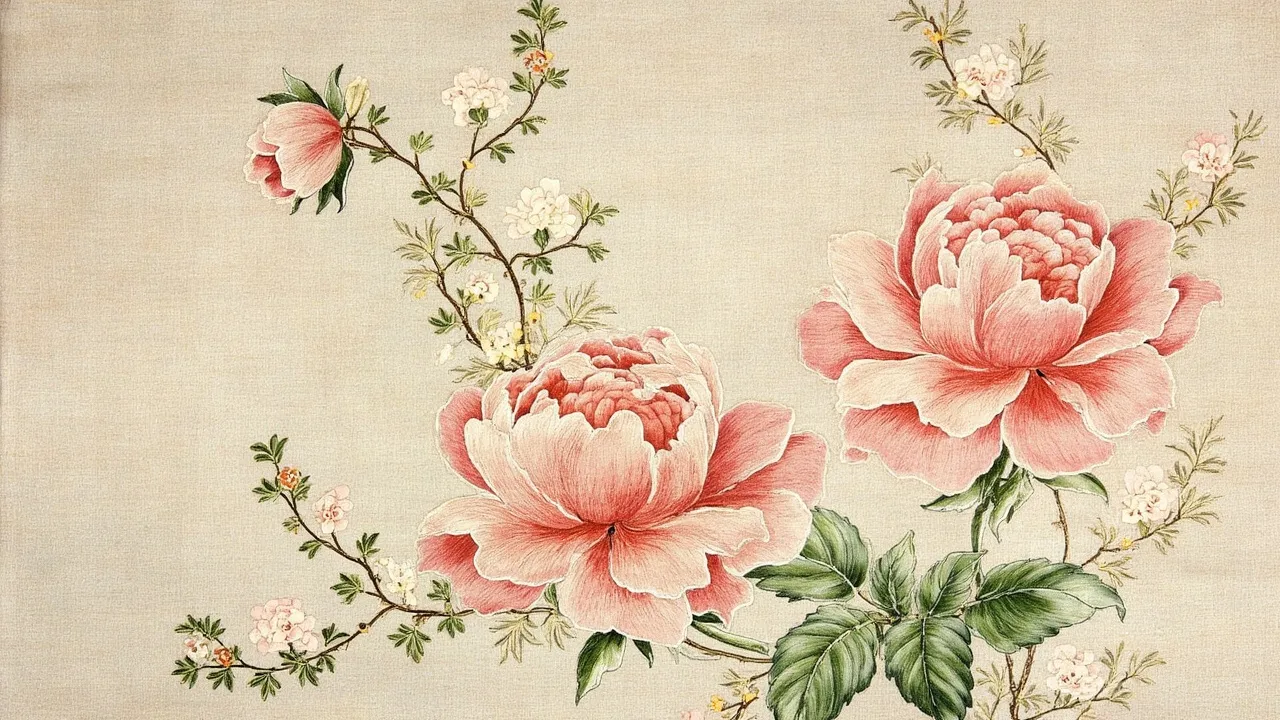
Chinese Embroidery: Threads of Beauty Woven Through History
Pick up any piece of Chinese embroidery and you’re holding centuries of dedication, skill, and artistic vision. A wall hanging might take a master craftsperson years to complete. A simple decorative pouch could represent weeks of meticulous work. Every stitch carries meaning, every color signals symbolism, and every design tells a story that Chinese people have told for generations.
Chinese embroidery stands as one of China’s greatest artistic achievements. While needlework exists in cultures worldwide, China’s particular tradition—developed over more than two thousand years—reached heights of technical sophistication and artistic expression unmatched anywhere else. For Americans interested in Chinese culture, understanding embroidery opens a door to appreciating Chinese aesthetics, symbolism, and craftsmanship.
The Ancient Roots of a Living Art
Archaeologists have found embroidered fragments in Chinese tombs dating back to the Warring States period (475-221 BCE). These ancient artifacts already show remarkable skill, with neat stitches and complex patterns that indicate a well-developed craft tradition. The Chinese word for embroidery, xiu, literally means “embellish with needlework,” and the earliest examples were likely simple decorative additions to clothing.
During the Han Dynasty (206 BCE – 220 CE), embroidery became more widespread and sophisticated. Silk production was flourishing, providing perfect canvas and thread for embroidery work. The famous “silk road” trade routes that connected China to the West began during this period, and Chinese silk—including embroidered pieces—became highly prized commodities in Rome and other Mediterranean civilizations.
The Tang Dynasty (618-907) is often considered embroidery’s golden age in China. Imperial workshops employed hundreds of embroidery specialists, and the craft reached new levels of artistic refinement. During this period, techniques like the “locked stitch” (su miao) and “outline stitch” (gou miao) were developed, creating the foundation for styles that still exist today. Embroidered Buddhist thangka scrolls from this era survive in museums worldwide, their colors still vibrant after more than a millennium.
The Song Dynasty (960-1279) saw embroidery become a recognized art form practiced by elite women. The famous embroidress Wei Shu (Lady Wei) gained imperial patronage and became something of a celebrity in her time. During this period, the technical vocabulary of Chinese embroidery was codified, with names for hundreds of different stitches and techniques.
Ming Dynasty (1368-1644) embroidery emphasized intricate detail and elaborate designs. The imperial court maintained workshops producing spectacular pieces for ceremonial use. This era also saw the regional styles that we know today begin to differentiate themselves clearly.
The Great Schools: Regional Styles That Define Chinese Embroidery
Chinese embroidery isn’t a single uniform tradition—it encompasses several distinct regional styles, each with its own aesthetic and techniques. Understanding these schools helps explain the remarkable variety within the broader craft.
Su embroidery (Su Xiu), from Suzhou in Jiangsu Province, is perhaps the most famous style. Often called “the queen of embroidery,” Su emphasizes delicate beauty, refined elegance, and technical perfection. The stitching is incredibly fine—some masters work with threads so thin that a single needle might carry eight separate strands. The designs typically feature landscapes, flowers, cats, and birds rendered with almost photographic realism.
What sets Su embroidery apart is its use of “double-sided embroidery” (shuang mian xiu). Both sides of the fabric show equally perfect stitching, with the design appearing identically from either direction. This technique requires extraordinary skill, as the artist must plan how the back of the work will look while stitching the front. A good Su embroidery piece might have 40-50 stitches per square inch, with some masterworks reaching 100 or more.
Su embroidery developed its distinctive character over centuries in Suzhou, a city renowned for its cultured elite and artistic refinement. The style reflects Suzhou’s genteel atmosphere—it’s elegant, subtle, and sophisticated. Traditional Su subjects include graceful cranes, slender willow trees, tranquil garden scenes, and the famous “four gentlemen” of Chinese art: plum blossoms, orchids, bamboo, and chrysanthemums.
Xiang embroidery (Xiang Xiu), from Hunan Province, takes a different approach. Where Su is delicate and refined, Xiang is bold, vivid, and dramatic. This style emerged from the artistic traditions of the Xiang River region, known for its vibrant folk culture and colorful festivals.
Xiang embroidery is famous for its “lion cat” (shi mao) technique, which creates a shaggy, three-dimensional effect that makes animals seem ready to leap off the fabric. The stitching is looser than Su, allowing for greater texture variation. Colors tend to be more saturated and striking, and compositions are often more dynamic.
The Hunan region has produced many famous embroiders, including the legendary Chen Yuhua (1889-1975), whose works are considered national treasures. Chen specialized in portraits, creating embroidered versions of historical figures and classical paintings that almost seem to breathe with life.
Yue embroidery (Yue Xiu), from Guangdong Province in southern China, developed under different cultural influences. This style shows the impact of Western art, incorporating more perspective and three-dimensional rendering than northern styles. Yue often features brighter colors and more varied textures.
Cantonese embroidery (as it’s often known in English) has been an important export art for centuries. The port of Canton (Guangzhou) was China’s primary gateway for foreign trade, and embroidered products found eager markets among European and American buyers. This commercial connection influenced Yue’s development, encouraging technical innovation and appealing to diverse tastes.
蜀绣 (Shu Xiu) or Sichuan embroidery comes from the mountainous Sichuan Province. This style is known for its “fish and dragon” technique (yu long zu) that creates remarkably lifelike scales and flowing manes. Sichuan embroiders developed unique methods for rendering the sinuous bodies of dragons and the glistening scales of mythic fish.
What Makes Chinese Embroidery Different
If you’re new to Chinese embroidery, you might wonder what distinguishes it from other needlework traditions. Several key characteristics set this craft apart.
First, Chinese embroidery uses silk almost exclusively. While cotton and wool appear in some regional traditions, the finest Chinese embroidery always uses silk thread. Chinese silk has been legendary for millennia, and embroidery simply extends silk’s luxury into the visual arts. The natural sheen of silk thread creates a luminous quality that synthetic threads cannot replicate.
Second, Chinese embroidery emphasizes “painting with the needle.” The goal isn’t simply to cover fabric with stitches but to create images that function as paintings. Embroiders study the same artistic traditions as painters—landscape composition, flower arrangement, the rules of Chinese aesthetics—and translate those principles into thread.
Third, symbolism pervades Chinese embroidery. Every element in a design carries meaning, often drawn from classical literature, mythology, or folk beliefs. A crane represents longevity. Peonies symbolize wealth and honor. Bats signify happiness. Dragons mean power and good fortune. When you understand these symbols, reading Chinese embroidery becomes like understanding a visual language.
This symbolic vocabulary developed over centuries and was particularly important when embroidery served practical purposes. A wedding embroidery might include symbols for fertility, prosperity, and harmony—the piece literally blessed the new couple’s life together. Understanding this context helps explain why certain motifs appear again and again across different eras and regions.
The Craftsmanship Behind the Beauty
Creating fine Chinese embroidery requires dedication that borders on the monastic. Traditional training begins in childhood, with young apprentices spending years mastering basic techniques before attempting their first serious work.
The basic tools are elegantly simple: an embroidery frame to hold the fabric taut, fine needles, and silk thread. But simplicity masks tremendous difficulty. Holding the frame steady for hours while making precise, tiny stitches demands exceptional hand control and patience. The finest Su embroidery requires such delicate work that masters sometimes use a magnifying glass to ensure precision.
The stitching techniques themselves take years to master. The “flat stitch” (ping xiu) creates smooth, even coverage. The “seed stitch” (dian xiu) builds texture through tiny, closely spaced dots. The “couching stitch” (kun xiu) lays thick threads across the fabric and secures them with fine binding stitches. The “knot stitch” (ding xiu) creates raised, three-dimensional effects.
Most Chinese embroidery is created without any pattern or guide. The embroidress visualizes the final design and works directly on the fabric, building the image stitch by stitch. This “blind embroidery” (meng xiu) requires not just technical skill but genuine artistic vision—the ability to see the completed work in your mind’s eye and work toward that vision with needle and thread.
A large, detailed embroidery might take years to complete. The most ambitious works can represent a decade or more of full-time work. This explains why fine Chinese embroidery commands extraordinary prices—the labor intensity alone makes each piece genuinely precious.
Chinese Embroidery Today: Tradition in the Modern World
Chinese embroidery faces the same challenges as many traditional crafts. Young people have many career options that didn’t exist a century ago, and the patience required for traditional training is increasingly rare. The economic pressures of modern manufacturing have pushed many embroidery workshops toward simplified production methods.
Yet Chinese embroidery is far from dead. The Chinese government recognizes it as an important cultural heritage and has implemented programs to preserve the craft. Master embroiderers receive official recognition and support. Schools teach traditional techniques to new generations of students.
Contemporary artists have found ways to innovate within the tradition. Some combine traditional techniques with modern design sensibilities, creating pieces that speak to contemporary aesthetics while honoring craft traditions. Others use embroidery to engage with social and political themes, showing that this ancient craft can address modern concerns.
The international market for Chinese embroidery has grown substantially. Collectors worldwide prize antique pieces, and contemporary works find audiences among those who appreciate handmade excellence. Major museums regularly feature Chinese embroidery in their exhibitions, introducing new audiences to this remarkable art form.
For Americans interested in collecting or appreciating Chinese embroidery, several avenues exist. Antique pieces appear at auction houses and specialty dealers. Contemporary studio works offer opportunities to own new creations by living artists. And even tourist-quality pieces, while technically modest, can introduce beginners to the aesthetic pleasures of this craft.
Learning to Appreciate Chinese Embroidery
You don’t need to become an expert to appreciate Chinese embroidery. Simply slowing down to look at a piece closely reveals details that casual viewing misses. Notice how the stitches vary in direction to create the illusion of volume. Observe how colors shift subtly across an area to suggest lighting and shadow. Look for the tiny variations that mark handmade work versus machine production.
If you want to learn more, museums with Asian collections often feature Chinese embroidery. The Metropolitan Museum of Art in New York, the British Museum in London, and the Shanghai Museum all hold significant collections. Many have online resources that let you examine pieces in extraordinary detail.
Chinese embroidery represents far more than decorative craft. It’s a window into Chinese aesthetics, a carrier of cultural meaning, and a testament to human patience and artistic dedication. Whether you ever own a piece or simply admire them in museums, understanding this tradition enriches your appreciation of Chinese civilization’s remarkable achievements.