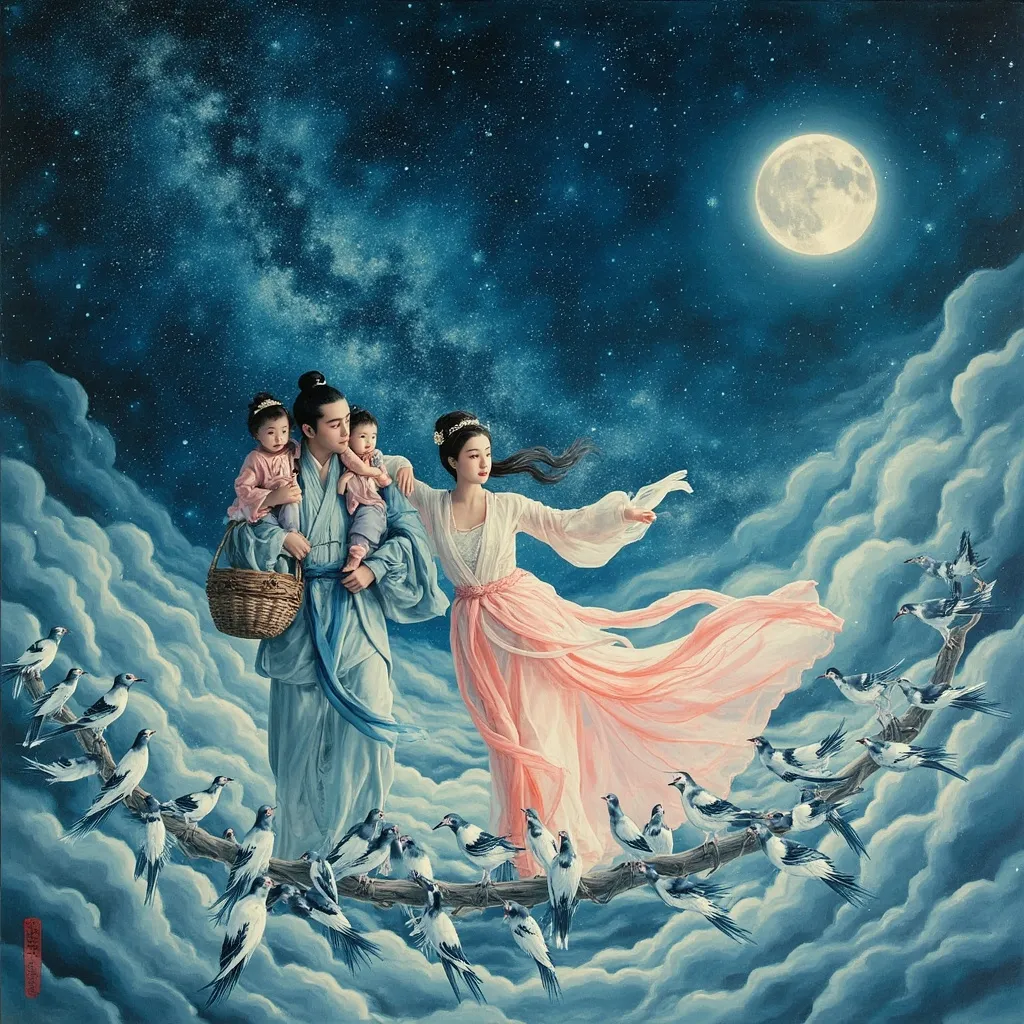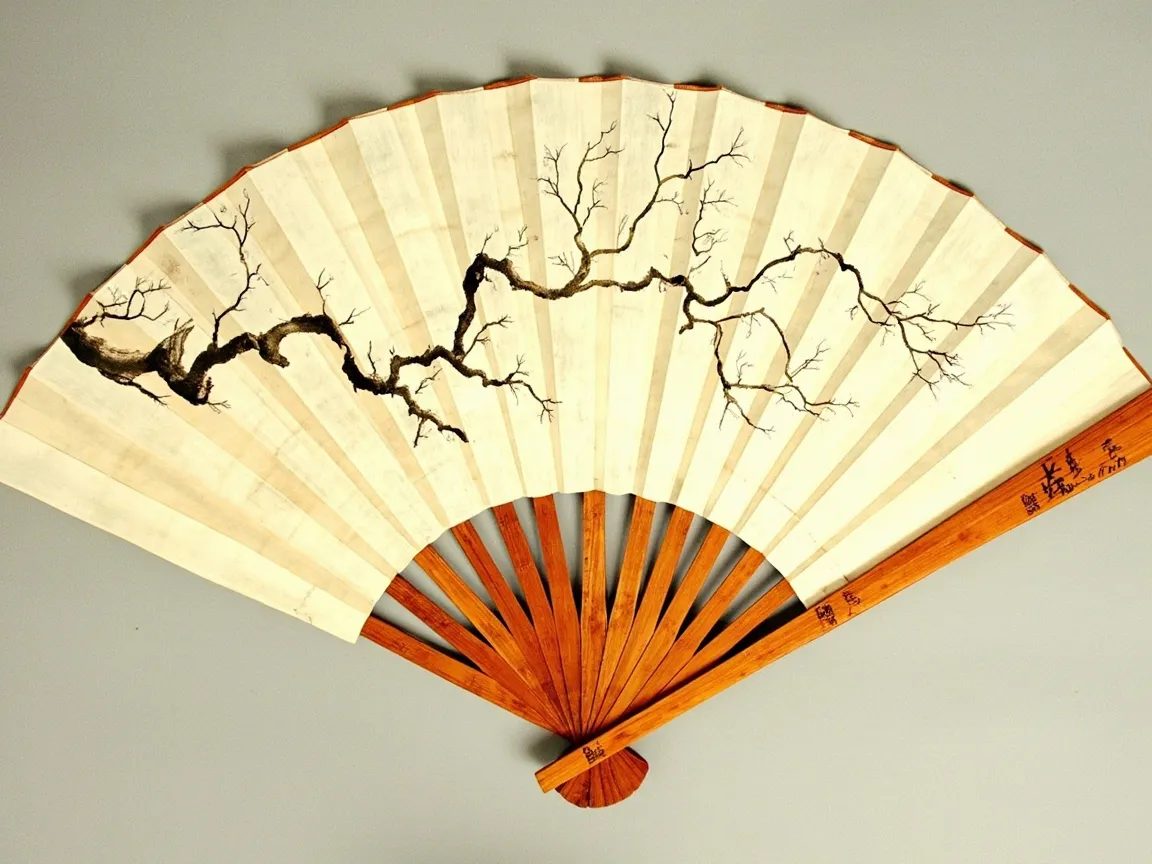
The first time I saw a Chinese fan unfold, it felt like watching a flower bloom in slow motion. The bamboo ribs splayed outward with an almost musical rustle, and suddenly a painting of mountain peaks or a few strokes of calligraphy appeared where there had been only a folded circle of silk. That moment stuck with me. Chinese fans aren’t just tools for moving air around-they’re centuries of artistry folded into your palm.
If you’re curious about traditional Chinese crafts, fans are one of the best places to start. They touch on history, poetry, painting, social customs, and everyday life all at once. And unlike museum pieces locked behind glass, these are objects people still use, give as gifts, and hang on walls as decorations.
History of Chinese Fans
Chinese fans go back much further than most people realize. The earliest ones weren’t for cooling off at all-they were ritual objects used in ceremonies by ancient shamans. Those early fans were made of feathers, attached to wooden handles, and waved to invoke spirits or direct energy during religious rites. You can find references to them in texts from the Zhou Dynasty, which dates back to around 1046 BC.
“Records of the Grand Historian” mentions fans being used in courts and among the educated class. But these were not the folding fans we know today-they were round, flat fans called “shan,” made by stretching silk or paper over a circular frame with a handle sticking out from the bottom.
The folding fan as we recognize it today came from Japan around the 9th or 10th century, brought to China through trade and cultural exchange. The Japanese called them ogi, and the Chinese quickly adopted and adapted the design. What made folding fans special was their portability-you could close them completely and slip them into a sleeve or belt, then open them with a snap for instant shade. This convenience made them enormously popular, especially among scholars, officials, and anyone who wanted to look polished while staying cool.
The Ming Dynasty saw fan-making transform into a recognized art form. Imperial workshops produced fans for the emperor and his court, using the finest materials: sandalwood, ivory, mother-of-pearl, and silk painted by court artists. These were not mass-produced items-each one could take weeks to complete, with multiple artisans contributing different skills. One person might cut the bamboo ribs, another would stretch and paste the leaf, a third would paint the design, and a fourth would mount the calligraphy.
By the Qing Dynasty, fan culture had spread beyond the elite. Merchants, doctors, teachers, and ordinary citizens all carried fans. Different professions even had their own fan styles, with scholars favoring clean, minimalist designs with calligraphy, while wealthy merchants preferred elaborate inlays and flashy materials. The fan became a social object, a way to signal who you were without saying a word.
Types of Traditional Fans
What strikes most Western visitors to China is the sheer variety of traditional fans. They’re not all the same-they’re made from different materials, serve different purposes, and carry different meanings. Here’s a look at the main types.
Silk fans are probably what most people picture when they think of a traditional Chinese fan. The leaf (the part that opens up) is made of silk stretched over bamboo ribs, giving it a smooth, almost glossy surface that takes ink and paint beautifully. Silk fans feel luxurious in the hand, and they’re surprisingly durable if cared for properly. The best ones use raw silk that’s been stretched and treated so it doesn’t sag or wrinkle easily.
Sandalwood fans are the aristocrats of the fan world. Made from aromatic sandalwood, these fans release a subtle, pleasant fragrance when you open them-or even when they’re closed and tucked away. The wood itself is usually carved with intricate patterns, sometimes featuring relief designs of dragons, lotus flowers, or scrolling vines. Sandalwood fans were popular among Qing Dynasty officials and wealthy families, and they’re still considered prestigious gifts today. A good sandalwood fan can cost several hundred dollars, and antique ones sell for much more.
Bone and ivory fans represent another category of luxury items. The ribs are made from polished animal bones or carved ivory, often with delicate carvings of mythological creatures or scenes from classical stories. These fans were signs of wealth and taste, showing you could afford something beautiful that served no practical purpose beyond aesthetics.
Paper fans are the everyday workhorses. Made with paper leaves (sometimes multiple layers for durability), they’re more affordable and more common than silk or wood versions. But “affordable” doesn’t mean “plain”-paper fans can be just as artistic, with hand-painted landscapes, calligraphy verses, or colorful decorative papers featuring traditional patterns.
Feather fans hark back to the earliest ceremonial origins. These use actual feathers-often from peacocks, pheasants, or other colorful birds-arranged in a fan shape and attached to a handle. They’re less common today but still made for traditional performances, theatrical productions, and as decorative objects.
Palm leaf fans, sometimes called “boyi”, represent the most humble category. Made from the dried and flattened leaves of the palm tree, these are the fans of common people, farmers, and working-class families. They’re inexpensive, effective at moving air, and have a wonderfully natural texture that develops a rich patina with age. You can still find these being sold in markets throughout rural China today.
Fan Art and Poetry
This is where Chinese fans really become fascinating. The fan leaf isn’t just a blank surface waiting for decoration-it’s a small canvas with its own cultural significance, shaped by centuries of artistic convention.
The most prestigious fan art combines painting and calligraphy in a single composition, often balanced according to classical aesthetic principles. A typical format might place a small landscape painting in one section, with a poem written vertically in another area, separated by empty space that lets the eye rest. The poem might relate to the image-a misty mountain scene paired with a verse about wandering among clouds, for instance-or it might address something entirely different, like autumn thoughts or friendship.
Many of the most beautiful antique fans come from the Ming and Qing periods, created by professional artists who specialized in this art form. Some of these artists are famous in their own right; others remain anonymous, their names lost to time but their work still preserved. A well-known Qing Dynasty artist named Wang Zhenpeng, for example, painted exquisite fans that now sell for tens of thousands of dollars at auction.
The content of fan paintings drew from the same pool of subjects as larger Chinese art-landscapes, flowers and birds, figures, and mythological scenes. Bamboo, plum blossoms, orchids, and chrysanthemums (the “Four Gentlemen” of Chinese art) appeared constantly, each carrying symbolic meaning. Bamboo represents integrity and flexibility. Plum blossoms symbolize perseverance through adversity. Orchids suggest refinement, and chrysanthemums evoke autumn and the idea of withdrawing from worldly concerns.
Calligraphy on fans was equally important. A fan with fine calligraphy-particularly classical poetry-was considered a mark of education and cultivation. Scholars would exchange fans painted by friends as expressions of friendship, much like sharing a favorite poem. Some collectors today focus specifically on fans with calligraphy, finding beauty in the way different writing styles (regular script, running script, cursive) interact with the painted imagery.
One interesting social custom involved giving fans as gifts at certain times of year. During summer, it was polite to give fans to friends, employees, or people you wanted to show appreciation for. Servants might receive fans from their masters. Merchants might give fans to regular customers. These weren’t promotional freebies-they were genuine expressions of care, and receiving a fine fan meant something.
Fans in Modern China
Walk through any traditional market in China today-Beijing’s Panjiayuan, Shanghai’s Yuyuan Garden, Xi’an’s Muslim Quarter-and you’ll find fans for sale alongside the crafts. They haven’t disappeared into museums. But the fan’s role in daily life has changed.
Electric fans and air conditioning have largely replaced the hand-held fan for practical cooling. You won’t see many people on Beijing streets waving fans to cope with summer heat-most people carry small battery-powered fans or simply stay in air-conditioned spaces. The hand fan has become more symbol than tool.
That said, fans haven’t faded away entirely. They’re popular as decorative items, hung on walls or displayed in glass cases. They’re given as gifts, particularly to tourists and foreign friends who appreciate Chinese craftsmanship. And they’re still used in traditional contexts-classical Chinese music performances, traditional dance, opera, and cultural ceremonies all feature fans as stage props and costume elements.
Contemporary Chinese designers have also started reimagining fans for modern tastes. You’ll find fans with minimalist contemporary designs, fans featuring pop art or anime characters, and fans made with unusual materials like recycled paper or synthetic fabrics in bright colors. These aren’t traditional in any sense, but they show that the fan form still inspires creativity.
One heartening development is the revival of traditional fan-making as a craft. Some younger artisans are learning the old techniques-not because they need to, but because they value the skills and want to keep them alive. Workshops in places like Suzhou, Hangzhou, and Chengdu offer classes where visitors can try making their own fans, stretching silk over bamboo frames and learning basic painting techniques. It’s a small industry, but it’s growing, driven partly by tourists seeking authentic experiences and partly by Chinese people who want to reconnect with their heritage.
For collectors, antique Chinese fans have become increasingly desirable. Museum exhibitions featuring fans attract crowds. Auction houses report rising prices for fine examples, particularly those with imperial provenance or by named artists. A Qing Dynasty sandalwood fan in good condition can easily fetch several thousand dollars; truly exceptional pieces sell for much more.
Conclusion
The next time you see a Chinese fan-maybe at a museum, in a shop, or in a friend’s home-try looking at it differently. Don’t just see something that makes a breeze. See a small object that carries centuries of history, artistry, and meaning. See the bamboo that was cut, dried, and split into perfect ribs. See the silk that was stretched and pasted, ready to receive ink. See the painter’s brush, the calligrapher’s hand, the craftsman’s patience.
Chinese fans are, in a sense, compressed art-hours of work folded into a few inches that fit in your pocket. They were gifts between friends, symbols of status, tools for scholars, and props for performers. Today they serve mostly as decorations and collectibles, but they haven’t lost their power to surprise and delight.
If you’re ever in China and get the chance to visit a traditional craft market, find the fan seller. Ask to hold a sandalwood fan, feel its weight, smell that faint woody fragrance. Open it slowly and watch the ribs spread. You’ll see why these objects have persisted for a thousand years-and why people still find them worth making, even in an age of electric cooling.
There’s something in the human hand that wants to hold something beautiful. The Chinese fan satisfies that desire in a way that a plastic electric fan simply can’t match.
Recommended Reading and Products
Disclosure: This article contains affiliate links. We earn a commission on qualifying purchases.