Chinese Folk Tales: Stories Passed Down Through Generations
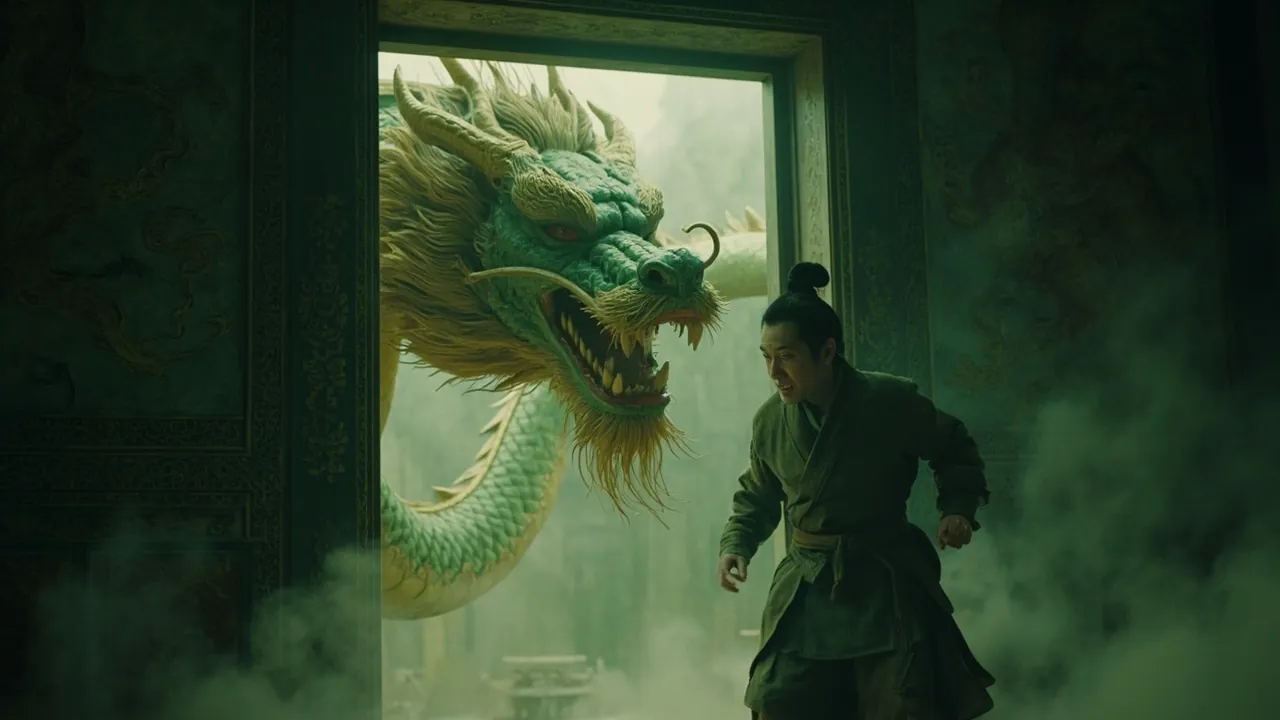
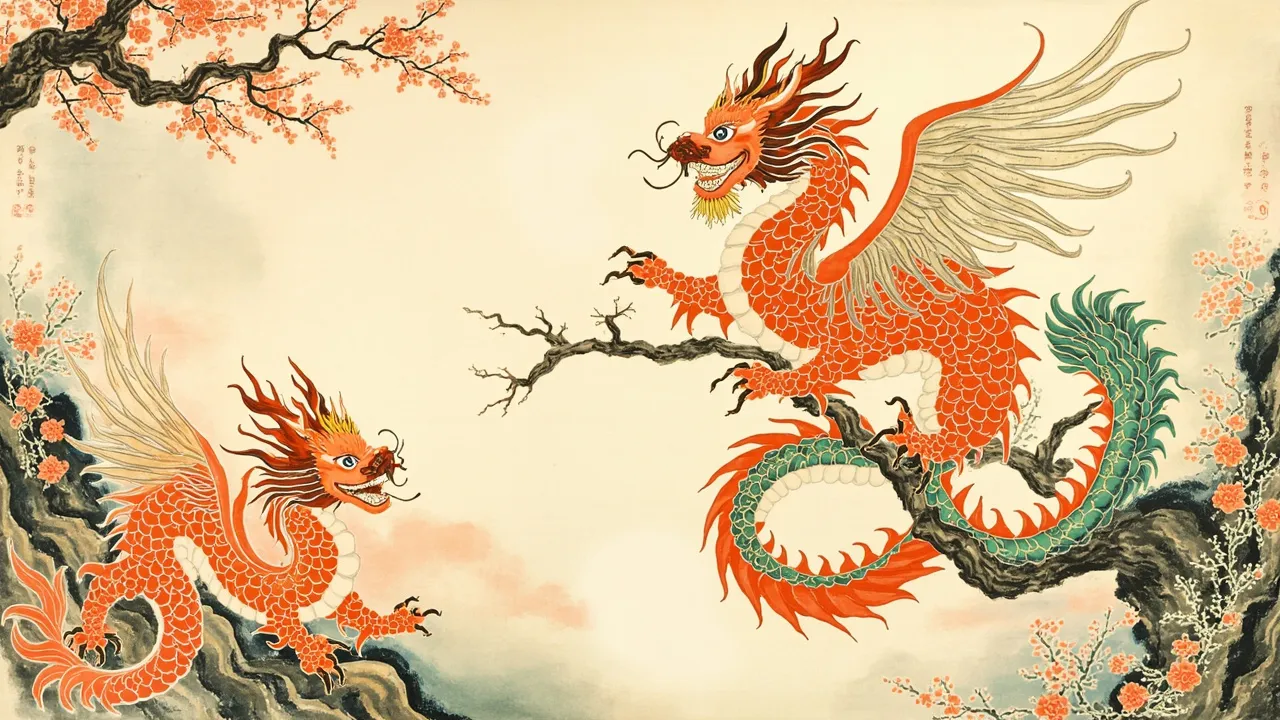
Long before television, movies, or even books, Chinese families gathered around fires in village homes to share stories. These weren’t just bedtime entertainment—they were the way communities passed down wisdom, taught moral lessons, and kept their history alive. Chinese folk tales have been circulating for over three thousand years, and they still hold the same power to captivate audiences today.
The Power of Storytelling in China
In ancient China, storytelling was serious business. Traveling performers would walk from village to village, reciting epic poems and tales that audiences already knew by heart. People would shout out the next line if the performer hesitated. That’s how familiar these stories were—everyone knew them by heart, the way Americans know the plot of popular movies.
This tradition came from somewhere practical. In a country where most people couldn’t read, stories were the best way to preserve history and teach values. The tales about brave heroes, cunning tricksters, and magical creatures weren’t just for fun. They carried lessons about honesty, loyalty, respect for elders, and the consequences of greed. A good story does that better than any lecture.
What makes Chinese folk tales different from Western fairy tales is their connection to the natural world and family bonds. Many stories feature animals that can transform into humans, trees that have spirits, and family relationships that span lifetimes—even reincarnation. These aren’t just fantasy elements. They reflect the Chinese view that humans are part of nature, not separate from it, and that family ties extend beyond death.
Classic Folk Tales
Every child in China grows up hearing these stories. They’re as familiar to Chinese families as Cinderella or Santa Claus is to American households.
The Journey to the West tells the story of Sun Wukong, the Monkey King. Born from a stone and trained in martial arts by a Taoist sage, Sun Wukong becomes powerful enough to challenge the gods themselves. He rebelliously declares himself “Great Sage, Equal to Heaven” and creates chaos in the Heavenly Kingdom. The Jade Emperor, ruler of the heavens, finally captures him and imprisons him under a mountain. Five hundred years later, he’s released to accompany the monk Tang Sanzang on a pilgrimage to India to retrieve Buddhist scriptures. The journey involves fighting demons, crossing dangerous rivers, and learning humility—the trickster hero becomes a wise protector.
This story has inspired countless adaptations, from video games to the classic arcade game Dynasty Warriors. The Monkey King is probably the most recognizable character in Chinese folklore worldwide.
The Cowherd and the Weaver Girl is a love story that has been told for over two thousand years. A poor cowherd named Niulang stumbles upon seven fairy sisters bathing in a lake. He falls in love with the youngest, Zhinu, the Weaver Girl, who weaves the clouds in the sky. They marry in secret and live happily for years, raising two children. But the goddess of heaven discovers the marriage and separates them, forcing Zhinu back to the sky. Niulang’s loyal ox helps him fly up to find her, but the goddess creates a river of stars—the Milky Way—to keep them apart. They can only meet once a year, on the seventh night of the seventh lunar month, when magpies form a bridge across the sky. This story is the origin of the Qixi Festival, China’s version of Valentine’s Day.
The Legend of the White Snake centers on a snake spirit named Bai Suzhen who falls in love with a human doctor named Xu Xian. She takes human form and they marry, opening a medical shop together. A monk named Fahai discovers her true identity and tries to destroy the marriage. He traps Xu Xian in a magic bowl and demands that Bai Suzhen surrender herself. In her desperation to save her husband, Bai Suzhen unleashes a powerful storm that floods the city. In the end, she’s imprisoned under a tower by the goddess of mercy. Twenty years later, her son becomes a scholar, passes the imperial exams, and finally rescues her. The story explores themes of love, transformation, and the blurred line between humans and spirits.
Hou Yi Shoots the Suns tells of an ancient time when ten suns rose in the sky together, scorching the earth and causing terrible suffering. The great archer Hou Yi shoots down nine of the suns, leaving only one to provide light and warmth. In gratitude, the Queen Mother of the West gives him an elixir of immortality. But his wife, Chang’e, drinks it when Hou Yi is away, and she floats up to the moon, where she lives still. On the Mid-Autumn Festival, people leave offerings for Chang’e, hoping she’ll grant them happiness and good fortune.
The Story of Meng Po adds another layer to Chinese ideas about the afterlife. According to legend, Meng Po is the Lady of Forgetfulness who works at a bridge spanning the River of Souls. Before souls can be reborn, they must drink from her bowl of forgetting water, which makes them forget everything from their past lives. This explains why we don’t remember previous incarnations. Some stories say that if you can recite your past good deeds while drinking, you’ll be reborn into a better life. Others say the memory loss is inevitable—a reset button on the soul.
Moral Lessons in Chinese Stories
Chinese folk tales aren’t just entertaining—they’re loaded with wisdom wrapped in narrative. Understanding these moral layers helps explain why these stories have survived so long.
Filial piety appears in almost every story. The duty of children to respect and care for their parents is treated as the foundation of all virtue. In the White Snake story, Bai Suzhen’s son eventually saves his mother precisely because he honors this duty even toward a spirit mother. Stories teach that breaking this bond leads to misfortune, while keeping it brings blessing.
The danger of greed shows up repeatedly. Characters who try to take more than their share usually face terrible consequences. In some versions of the Weaver Girl story, Niulang becomes so obsessed with wealth that he forgets his wife temporarily. The moral isn’t subtle: contentment brings happiness, greed brings ruin.
Community over individualism runs through these tales in ways that might surprise Western readers. The Monkey King starts as a troublemaker who only cares about himself, but his arc involves learning to work with others and put the group’s needs before his own ego. The hero wins not by being the strongest, but by being part of something larger.
Respect for nature and tradition appears in the magical elements. Animals become spirits when they accumulate enough virtue. Mountains have gods who can bless or punish those who disturb them. Humans who live in harmony with natural forces prosper; those who exploit nature carelessly face disaster. This isn’t primitive superstition—it’s an ecological wisdom embedded in story form.
The importance of keeping one’s word surfaces in contract-making tales. A character who makes a promise—even a foolish one—must honor it, while characters who lie and trick their way to success eventually face judgment. This reflects the high value Chinese culture places on xin (trust/trustworthiness).
Modern Retellings
These ancient stories haven’t stayed stuck in the past. They’ve adapted to new media and new audiences while keeping their core power.
The 1986 television series Journey to the West became one of the most-watched shows in Chinese broadcast history. Its special effects look dated now, but the performances—especially by the actor playing Sun Wukong—remain beloved. Families gather to watch it during the Lunar New Year, the same way American families watch certain holiday movies.
In recent years, Chinese filmmakers have mined these tales for blockbusters. The 2013 film Journey to the West: Conquering the Demons reimagined the Monkey King story with comedy and romance. White Snake (2019) animated the legendary tale with stunning visuals and brought it to international audiences through Netflix. These films prove that old stories can find new life when they’re handled with care.
Western creators have also embraced Chinese folklore. The popular game * Genshin Impact* features characters inspired by Chinese mythology. The Netflix series The Witcher drew on Chinese narrative structures for its monster-hunting framework. Hollywood has taken notice—Disney’s Mulan adapts the Legend of Hua Mulan, another folk tale about a woman who disguises herself as a man to join the army.
The key to successful retellings seems to be respecting the original spirit while updating the presentation. Audiences can tell when creators treat the source material as a sacred trust versus when they’re just mining it for surface-level aesthetics. The best modern adaptations keep the moral core while making the stories accessible to new generations.
Conclusion
Chinese folk tales have traveled a remarkable journey. They started as oral traditions passed from grandparent to grandchild, survived through wars and revolutions, and now reach millions through movies, games, and books. Their endurance speaks to something fundamental about storytelling: a good tale doesn’t just entertain—it illuminates something true about being human.
What makes these stories special isn’t just their age or their exotic imagery. It’s the way they weave together entertainment and wisdom, wrapping moral lessons in characters so vivid that audiences remember them for centuries. The Monkey King, the Weaver Girl, the White Snake—these figures have become part of the world’s cultural heritage because they speak to feelings and values that transcend any single culture.
The next time you encounter one of these stories, whether in a museum exhibit, a video game, or a friend’s recommendation, take a moment to appreciate what you’re experiencing. You’re participating in a tradition that has brought wonder to Chinese listeners for over three thousand years—and it’s not done yet. Every new retelling adds another thread to this rich tapestry, ensuring these tales continue to find fresh audiences and inspire new generations.
Disclosure: This article contains affiliate links. We earn a commission on qualifying purchases.