Hanfu: A Friendly Guide to Traditional Chinese Clothing
Hanfu means “Han clothing,” but it is not the name of one unchanging costume. It is a modern umbrella term for styles associated with the Han Chinese tradition, and those styles shifted dramatically across centuries. A Qin or Han robe, a Tang woman’s dress, a Song scholar’s jacket, and a Ming formal outfit do not look identical. Treating them as one fixed uniform makes the history harder to understand.
You will usually see Hanfu built from robes, crossed collars, wide sleeves, layered skirts or trousers, belts, and textile panels that let the body move. The visual effect can be quiet and narrow or roomy and theatrical, depending on the period and occasion. Rank, gender, climate, technology, ritual, and fashion all mattered. So did trade. Silk, dyes, weaving methods, and foreign influences moved through the same cities and roads that carried people and ideas.
The contemporary Hanfu movement adds another layer. Young people wear reconstructed historical styles for festivals, photographs, ceremonies, campus events, and ordinary outings. Some want accurate period clothing. Others borrow a silhouette or color palette and create something new. That conversation about accuracy is part of the revival, not a sign that the tradition is failing.
Qin and Han foundations
The Qin dynasty was short, from 221 to 206 BCE, but it unified political institutions and left an enormous archaeological record. Clothing in the Qin and early Han worlds was shaped by earlier regional traditions rather than invented overnight. Surviving figurines, tomb paintings, and textile finds show layered garments, wrapped fronts, belts, trousers, robes, and distinctions of rank.
One familiar Hanfu feature is the crossed collar, often closing with the left panel over the right. This construction is called jiaoling youren. You will see it in many later styles, though collar shape, sleeve width, length, and layering changed. It is useful as a visual clue, not a complete definition. People also wore round collars, jackets, skirts, trousers, and garments suited to work.
The Han dynasty, from 206 BCE to 220 CE, expanded trade and political contact across Eurasia. Silk was an important luxury and diplomatic product, but most people did not spend daily life in elaborate court robes. Materials and quality depended on wealth, region, and occupation. Hemp and other practical fibers mattered. A farmer’s clothing had different demands from ceremonial dress worn at court.
The shenyi, a robe constructed with upper and lower sections joined together, became associated with classical clothing and ritual interpretation. Modern Hanfu discussions often give it special attention. Yet archaeological clothing is complicated, and names in historical texts do not always map neatly onto every reconstructed outfit sold online. If a shop labels something “Han dynasty,” ask what painting, tomb figure, or textile pattern inspired it.
Color also carried meaning, though online charts can oversimplify it. Court rules linked colors, materials, and ornaments to rank and occasion, and those regulations changed. Dyes varied in cost and availability. A modern bright polyester robe may use a historical silhouette without recreating historical texture. That does not make it worthless; it makes it a modern garment with a particular relationship to history.
Wei-Jin ease and Tang cosmopolitan fashion
The centuries after the Han saw political division, migration, religious change, and cultural mixing. Clothing during the Wei, Jin, Northern and Southern dynasties reflected that complexity. Art from the period often shows long robes, layered collars, broad sleeves, and a visual taste for flowing movement. Later admirers sometimes connect these silhouettes with the cultivated, unconventional image of reclusive scholars.
That image can be seductive. Loose robes do not prove that everyone lived as a free-spirited poet. Clothing still communicated status, gender, ritual role, and occupation. Northern regimes and communities brought equestrian habits and garments suited to riding, while southern courts developed their own tastes. Buddhism introduced new visual forms as well, visible in murals and sculpture.
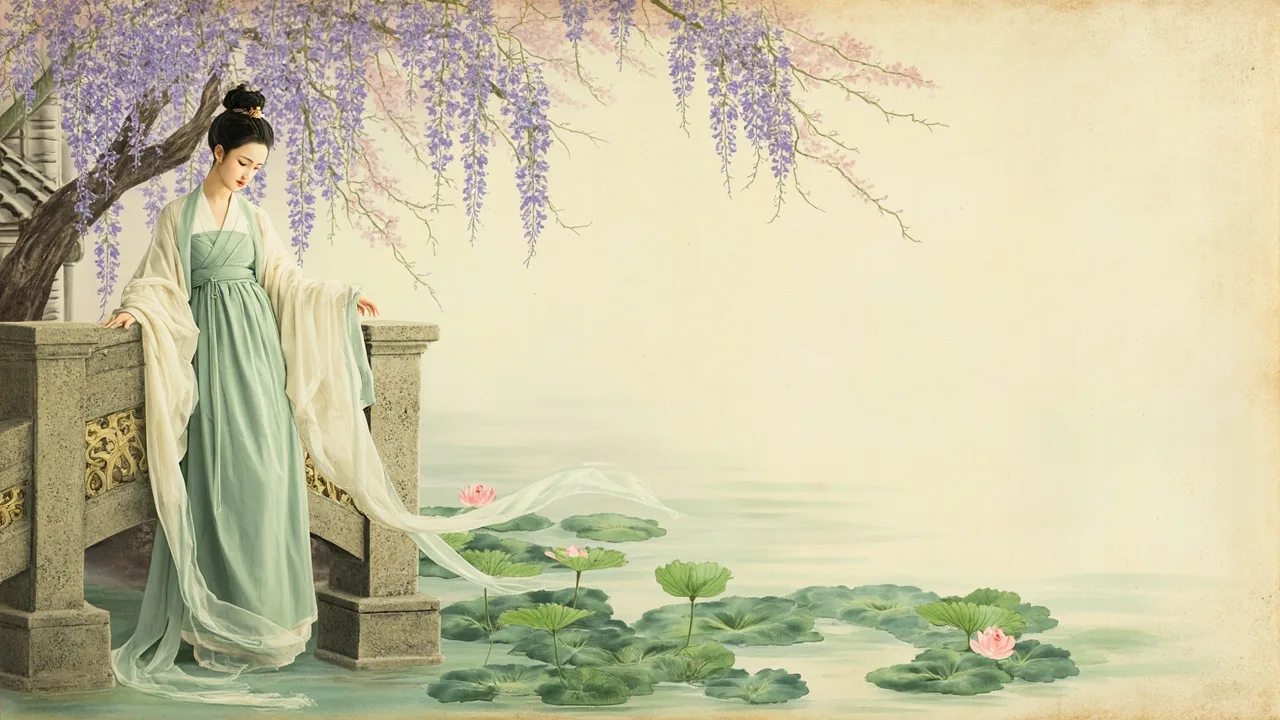
Tang dynasty clothing is famous for confidence and variety. The Tang capital Chang’an was connected to Central Asian trade routes and hosted merchants, diplomats, performers, and religious communities. Women’s fashions included high-waisted skirts, short jackets, long scarves, and, in some periods, lower necklines than later moralists preferred. Men’s clothing included robes with round collars as well as other forms.
Tang art shows women riding horses, playing music, attending court, and wearing different silhouettes. Makeup and hairstyles could be as striking as the clothing. Wide sleeves and flowing scarves look dramatic in modern photographs, but they were part of a complete appearance that included hair ornaments, shoes, underlayers, and social context.
Foreign influence does not make Tang fashion “less Chinese.” Cultures become themselves partly through contact. A textile pattern, musical instrument, or garment detail could travel and acquire a new local meaning. The Tang case is a good reminder that tradition is not the same as isolation.
If you want to wear Tang-inspired Hanfu, pay attention to underlayers and proportion. A skirt that sits too low or a scarf tied without reference to paintings can change the whole silhouette. Museum collections and tomb figurines give better guidance than fantasy television alone.
Song restraint and Ming structure
Song dynasty clothing often looks quieter beside the bold image of Tang fashion. Paintings show layered jackets, long skirts, narrow or moderate sleeves, robes, and restrained color combinations. “Quiet” does not mean boring. Small changes in collar, fabric, edging, and proportion created distinct effects. Urban prosperity and commercial textile production also gave consumers choices.
Women wore forms such as the beizi, a long outer jacket with parallel front edges, over skirts or trousers. Men wore robes and official dress governed by rank. Scholars in paintings can look effortlessly simple, but simplicity was culturally coded. The right fabric, cut, headwear, and posture could announce education and respectability.
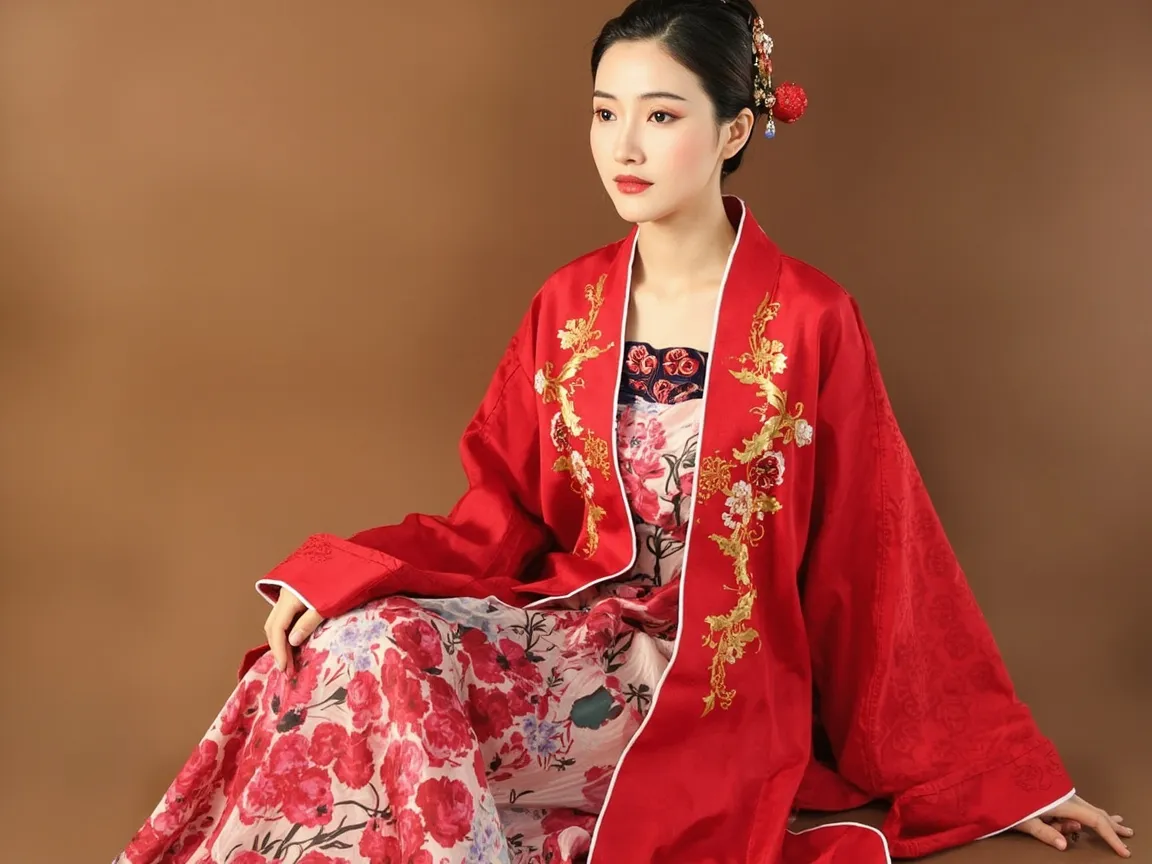
The Ming dynasty, founded in 1368, looked back to earlier Han traditions while developing recognizable forms of its own. Clothing could have more structured silhouettes, fuller skirts, long jackets, round-collared robes, and carefully regulated court dress. The mamianqun, or “horse-face skirt,” became one of the best-known Ming-associated garments in the modern revival. Its name refers to the skirt’s flat front and back panels, not an animal image printed on it.
Ming textiles could be richly woven and embroidered. Rank badges on official robes displayed animals connected with civil and military grades. These details were a readable language within government society. A crane, lion, tiger, or other animal was not simply decoration. It told informed viewers about the wearer’s office.
Modern Hanfu makers often love Ming styles because the garments can feel substantial and are easier to adapt for cool weather. A long jacket over a mamianqun can work in daily settings without enormous sleeves. Still, mass-market versions sometimes combine Ming skirts with collars, sleeves, or accessories from other centuries. Some wearers enjoy that blend. Historical reenactors usually demand stricter consistency.
There is room for both approaches if labels remain honest. “Ming-inspired” is a useful phrase for a modern outfit that borrows forms without claiming museum-level reconstruction. Historical accuracy should be a method of learning, not a weapon used to humiliate beginners.
How the revival works today
The modern Hanfu movement grew rapidly in the early twenty-first century, supported by online communities, student clubs, photography, festivals, e-commerce, and television dramas. Participants often describe a desire to reconnect with cultural history. Wearing a garment makes that connection bodily. You learn how sleeves move, how layers sit, and why a belt or pin matters.
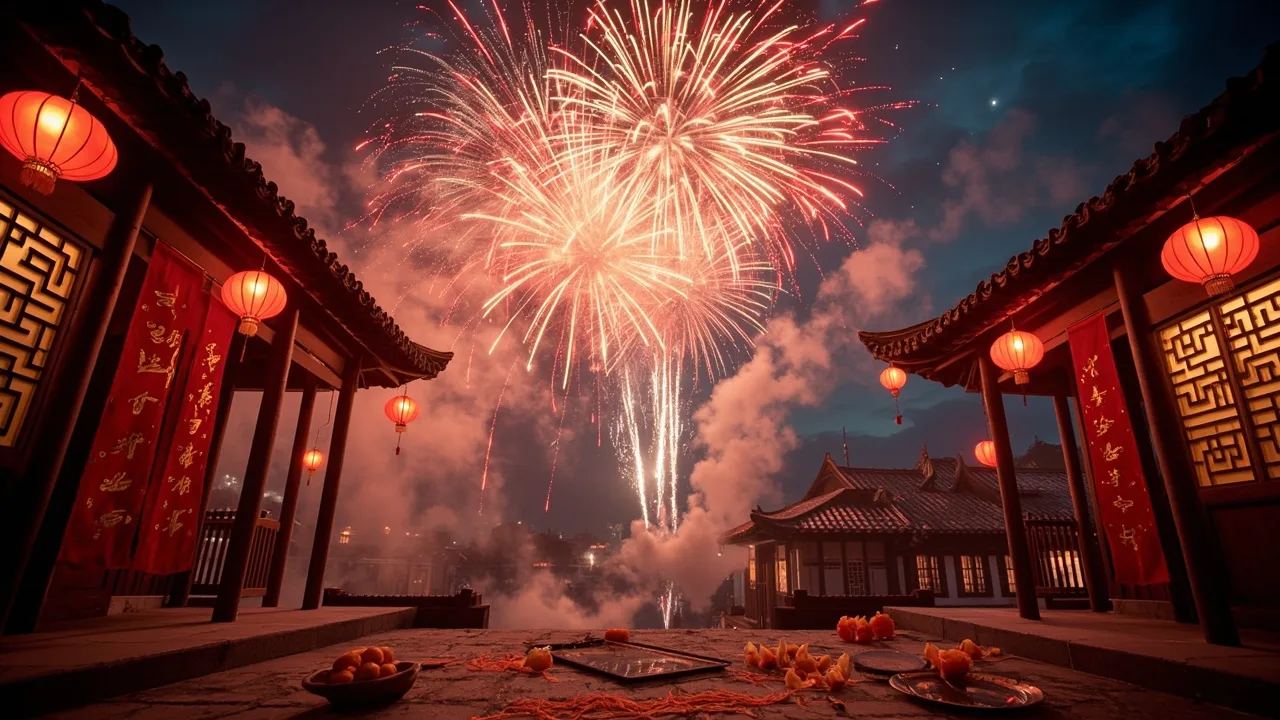
The movement is diverse. Some participants study archaeology and pattern cutting. Some dress for holidays such as Lunar New Year or Qixi. Some wear Hanfu for weddings or coming-of-age ceremonies. Others simply enjoy the clothes. Motivations can include heritage, fashion, craft, community, performance, and social media. One person may have several motives at once.
Modern materials make Hanfu cheaper and easier to wash, but they change the look. Polyester chiffon catches light differently from silk. Machine embroidery can repeat patterns impossible to produce cheaply by hand. Hidden zippers and snaps make dressing faster. These choices are reasonable for daily wear if you know what you are buying.
The revival also raises questions about ethnicity and national identity. Hanfu is associated specifically with Han Chinese traditions, while China is home to many ethnic groups with their own clothing histories. Calling every Chinese traditional garment “Hanfu” erases those distinctions. Tibetan, Uyghur, Mongolian, Miao, Manchu, and other clothing traditions should be named on their own terms.
If you are an American beginner, start respectfully and practically. Learn the garment names, avoid treating the clothing as a Halloween costume, and ask permission before using sacred or ceremonial settings for a photo shoot. You do not need Chinese ancestry to appreciate and wear Hanfu thoughtfully, but you should be willing to learn what you are wearing.
Fit matters more than an overloaded outfit. Begin with a simple two- or three-piece set. Check garment measurements rather than relying on US letter sizes. Learn one historically plausible hairstyle or use a plain bun. Comfortable shoes, secure pins, and weather-appropriate layers will improve your experience more than buying every accessory at once.
A few useful ways to keep learning
A museum catalog of Chinese textiles is the best reference purchase because it shows close-up fabric, construction, and dating. A Hanfu sewing pattern book is useful even if you never sew; pattern diagrams explain how flat cloth becomes a wrapped garment. A beginner two-piece Hanfu set in washable fabric is a sensible first outfit, while a wood or metal hairpin set can finish the look without turning it into costume overload. These are affiliate recommendations; a retailer may pay a small commission without changing your price.
A padded garment bag helps protect long skirts and wide sleeves, especially if you attend festivals. A Chinese fashion history book will keep you from treating drama costumes as documentary evidence. Look for books that cite tomb murals, paintings, preserved textiles, and archaeological reports.
Before ordering, check measurements, fiber content, return policies, and customer photographs. Search the listed Chinese garment name rather than only “ancient Chinese dress.” A responsible seller should identify the dynasty or inspiration instead of attaching “traditional” to everything.
Wearing Hanfu Today: Practical Tips for First-Timers
If you live in the United States and want to try Hanfu without booking a flight to Hangzhou, you have more options than you might think. Lunar New Year festivals, Mid-Autumn celebrations, college cultural nights, and Chinese community meetups happen in many midsize and large cities. Most welcome curious newcomers, especially when you arrive already knowing the names of the pieces you are wearing.
Start with a simple two- or three-piece set rather than a full nine-piece formal rig. A basic ruqun (a wrapped top over a skirt) or a straight-called miao (a long robe and trousers pair) is forgiving and easier to move in. A beizi jacket layered on top adds drama for cooler weather. Avoid buying a single “ancient Chinese dress” with no era label; responsible shops name the dynasty they are referencing, even loosely.
Check the fabric and the measurements. Pure polyester will photograph brightly but can trap heat and feel clammy in summer. Cotton blends and modern linen-like weaves breathe better and survive a washing machine. Sleeves that are too long become a hazard around food, candles, and small children. Always read the size chart in centimeters, not US letter sizes, and add two or three centimeters to your longest measurement for comfort.
On your first wear, expect a small learning curve with layers. A cross-collared top wraps the left panel over the right (jiaoling youren), and ties or hidden inner sashes hold it in place. You will tie it too loosely at first, then too tightly, then somewhere in between. Give yourself an extra twenty minutes to dress before meeting friends. Hair matters more than you think: a plain bun, a low ponytail with center parting, or a soft half-up style usually works better than loose hair fighting with a high collar.
Common mistakes Westerners make include wearing Hanfu as a costume with random “exotic” accessories, posing in front of statues or altars without permission, and using sacred ceremonial pieces for everyday photos. Skip the heavy forehead tassels and the staged “imperial concubine” poses. Choose a relaxed park, garden, or courtyard setting, ask before photographing worshippers, and credit the shop or community that helped you dress.
If you want to buy something online without a local shop nearby, search for established Chinese e-commerce platforms that ship internationally and clearly describe fabric, measurements, and inspiration. Look for sellers who label pieces as “Song-style” or “Ming-style mamianqun” rather than the vague “traditional Chinese costume.” Customer reviews with real photos and a recent, dated batch of comments are far more useful than a polished homepage.
Pin your collar, skip the loaded accessory shelf, and remember that restraint reads as more confident than overload. The best Hanfu look, like the best outfit of any kind, looks like the wearer barely had to think about it.
Closing thoughts
Hanfu is best understood as a family of historical clothing traditions and a modern culture of revival. The old garments changed across dynasties, and today’s wearers continue that process through study, craft, fashion, and community. You do not need to settle every argument about authenticity before trying on a robe. Learn the name, understand the period, wear it with care, and let the clothing teach you how history feels in motion.