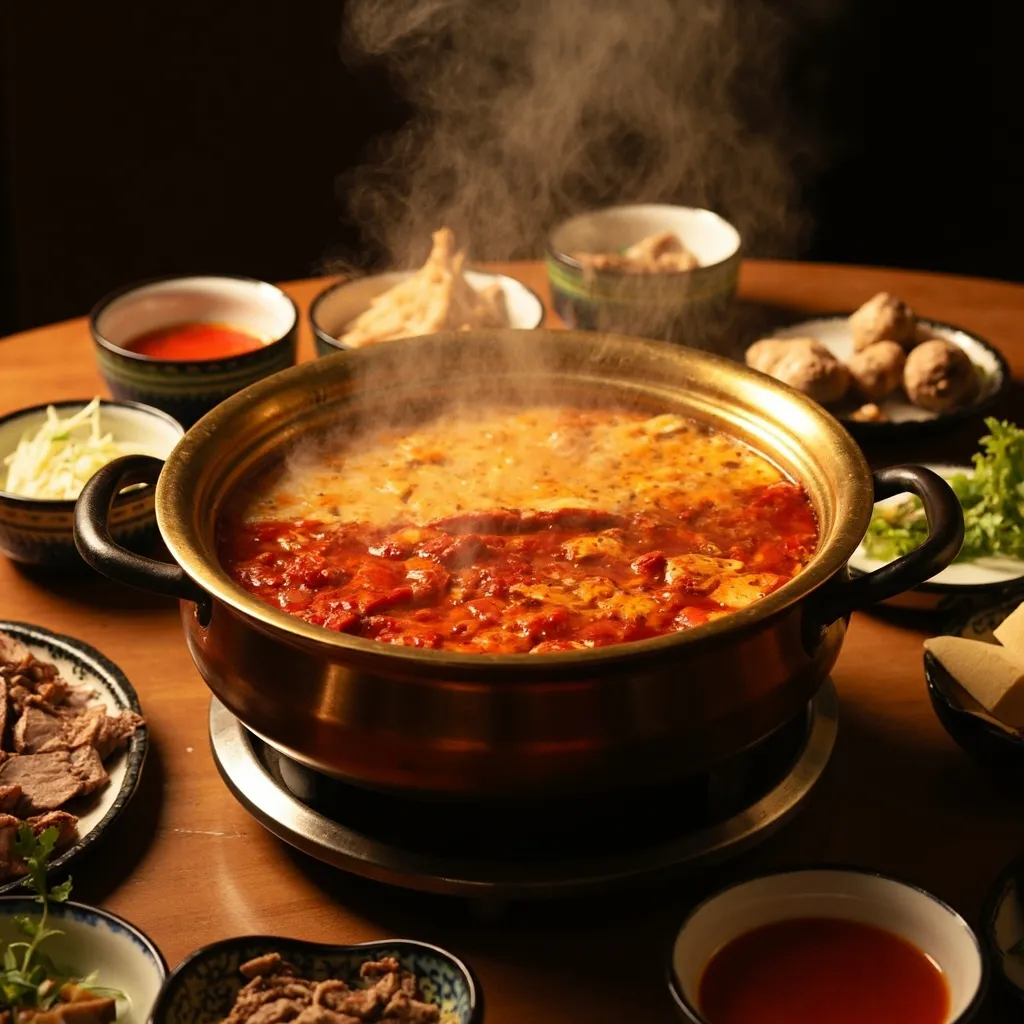
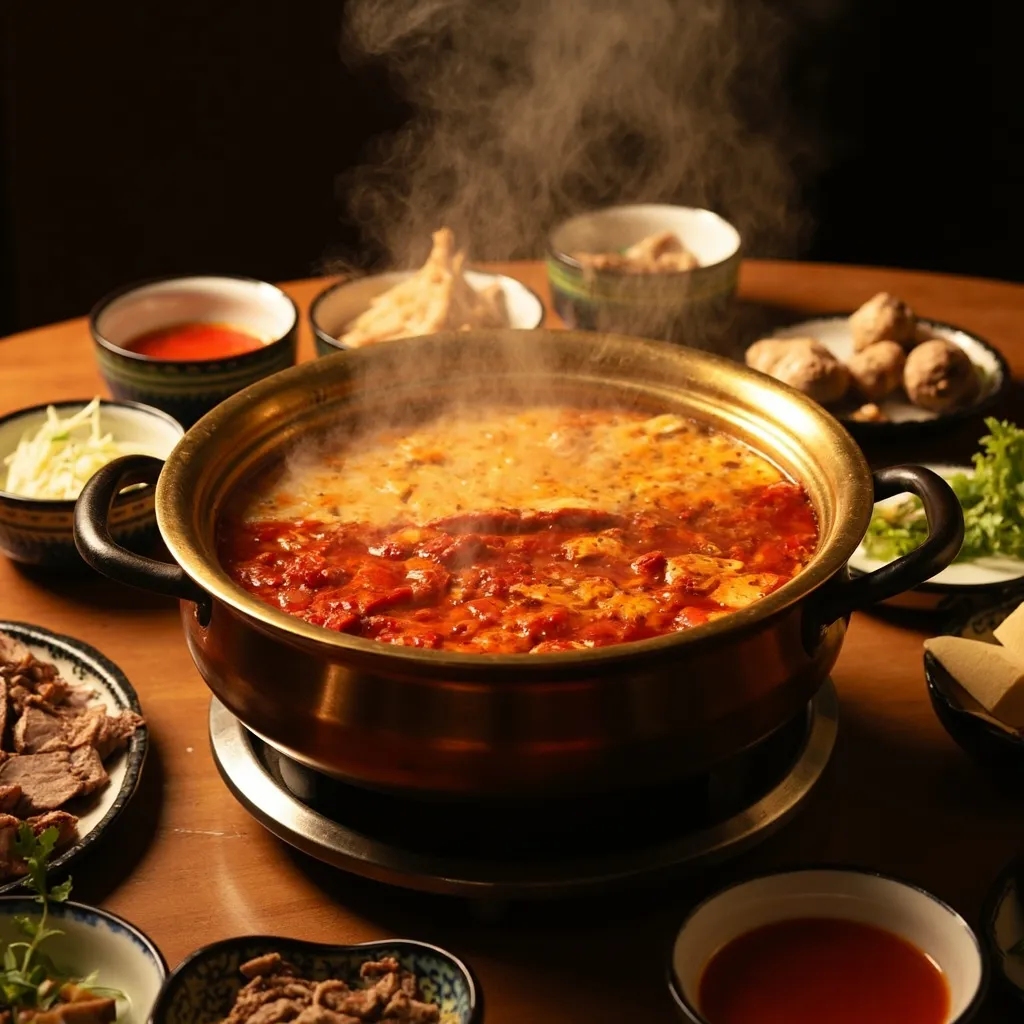
There’s something magical about a meal that gathers everyone around a single bubbling pot. Whether it’s freezing outside or you’re celebrating with close friends, hot pot has a way of making any moment feel special. It’s the kind of food that demands conversation, forces you to slow down, and leaves everyone at the table full and happy.
If you’ve ever walked past a hot pot restaurant and caught that incredible aroma wafting through the air, you know exactly what I’m talking about. Those steaming pots, the sizzling sound of ingredients dropping in, the laughter and chatter filling the room — it’s an experience that sticks with you.
So let’s dive into the wonderful world of Chinese hot pot. I’ll walk you through what it is, where it came from, the different regional styles, and how you can enjoy it like a pro. By the end of this guide, you’ll be ready to find your nearest hot pot restaurant and join in on the fun.
What Is Hot Pot?
At its core, hot pot is a cooking method where diners sit around a pot of simmering broth — either at the table or in the kitchen — and cook various raw ingredients directly in the boiling liquid. The word “hot pot” in Chinese is 火锅 (huǒguō), which literally means “fire pot.” Simple enough, right?
But hot pot is so much more than just cooking food in boiling water. It’s a whole dining experience that combines cooking, eating, and socializing into one memorable activity. The broth sits bubbling at the center of the table, and everyone uses their chopsticks to grab whatever they want from the shared pot. No waiting for the kitchen to bring your food — you’re the chef here.
What makes hot pot special is the interactivity. Unlike a regular meal where everyone gets their own plate, hot pot turns dinner into a group activity. You grab your ingredients, drop them in the pot, wait for them to cook, fish them out, dip them in sauce, and eat. Then you do it all over again. The conversation flows naturally because everyone’s engaged in the same ritual.
The beauty of hot pot also lies in its flexibility. The broth can be mild and flavorful or fiery and numbing. The ingredients range from thinly sliced meats to fresh vegetables, from tofu to fish balls, from mushrooms to noodles. There’s truly something for everyone at the table, which is why hot pot is such a popular choice for family dinners, friend gatherings, and celebrations of all kinds.
A Brief History of Chinese Hot Pot
Hot pot’s history in China stretches back over a thousand years, with roots that go even deeper than many Western dishes. The earliest evidence of hot pot-like cooking in China dates back to the Tang Dynasty (618-907 CE), where historians have found references to dishes that involved cooking food in hot broth at the table.
But the hot pot we know and love today really took shape during the Yuan Dynasty (1271-1368 CE), when the Mongols ruled China. The Mongols were famous for their love of lamb, and they would gather around fires to cook meat in boiling water — a practice that influenced the development of what we now call Beijing hot pot. This nomadic tradition merged with Chinese culinary practices to create something new and delicious.
During the Ming Dynasty (1368-1644 CE), hot pot became more popular among the general population, not just the ruling class. Cookbooks from that era include recipes for various hot pot dishes, showing that it had become a fixture in Chinese households. The broths became more sophisticated, the dipping sauces more complex, and the variety of ingredients expanded dramatically.
By the Qing Dynasty (1644-1912 CE), hot pot had spread across all of China, with different regions developing their own unique styles. It became especially popular in northern China, where the cold winters made the idea of gathering around a steaming pot especially appealing. Different provinces began putting their own spin on the dish, adding local ingredients and flavors to create the regional varieties we enjoy today.
Today, hot pot is more popular than ever in China. You can find hot pot restaurants on nearly every street corner in major cities, and it’s become a go-to choice for everything from quick weeknight dinners to elaborate birthday celebrations. It has also spread worldwide, with hot pot restaurants now found in cities across the globe, introducing this wonderful communal dining tradition to millions of new fans.
Regional Styles of Chinese Hot Pot
Just like how Americans might debate the best style of barbecue, Chinese people have passionate opinions about their preferred type of hot pot. Each region has developed its own unique style, with differences in broth, ingredients, and dipping sauces. Let’s explore the three most famous varieties.
Sichuan Hot Pot (川味火锅)
If you love bold, spicy flavors, Sichuan hot pot is the one for you. This style comes from China’s Sichuan Province, famous for its cuisine that packs a serious kick. The broth in Sichuan hot pot is typically deep red and loaded with dried chili peppers and Sichuan peppercorns.
The Sichuan peppercorn is what makes this style truly unique. It creates a “numbing” sensation that tingles your tongue rather than just burning it. When you combine that with the heat from the chili peppers, you get a complex flavor profile that many describe as “mala” — which means “numbing and spicy” in Chinese. It’s an addictive sensation that keeps you reaching for more.
The traditional Sichuan hot pot broth is called 红油锅 (hóngyóu guō), or “red oil pot.” It’s made with a base of chili bean paste, garlic, ginger, and a generous amount of chili oil. Some restaurants offer a “double boiled” version where the broth is cooked for hours to develop deeper, more complex flavors.
Common ingredients in Sichuan hot pot include thin slices of beef and lamb, pork blood tofu, duck blood, lotus root, and various types of mushrooms. The numbing-spicy broth pairs exceptionally well with these rich, savory ingredients.
Beijing Hot Pot (老北京涮羊肉)
Beijing hot pot, also known as 涮羊肉 (shuàn yáng ròu), which literally means “washed lamb meat,” is the more mild and traditional style. This is the hot pot that first introduced many Westerners to the dish, and it remains incredibly popular throughout China.
The broth in Beijing hot pot is typically clear and simple — often just water with ginger, scallions, and a few dried goji berries. Some restaurants add a small amount of mild chili oil, but the flavor profile is much subtler than Sichuan style. The focus here is on the quality of the meat and the dipping sauce, not the broth itself.
The star ingredient in Beijing hot pot is lamb — specifically, thin slices of lamb that cook almost instantly in the boiling broth. The meat is typically sourced from lambs raised in northern China or Mongolia, and it’s sliced so thin that you can almost see through it. When you dip these slices in the broth for just a few seconds, they come out tender and flavorful.
The dipping sauce is crucial for Beijing hot pot. The traditional sauce, called 芝麻酱 (zhīmá jiàng), is a thick sesame paste mixed with pickled garlic, scallions, chili oil, and sometimes fermented bean curd. This rich, nutty sauce complements the delicate lamb perfectly.
Cantonese Hot Pot (粤式火锅)
Heading to southern China, we find Cantonese hot pot, which takes a lighter, more refined approach. Originating from Guangdong Province, this style emphasizes fresh ingredients, clear broths, and subtle flavors that let the quality of each ingredient shine through.
The broth in Cantonese hot pot is often made with chicken, pork bones, and seafood, creating a rich but delicate base. Some restaurants offer multiple broth options in the same pot — a “yin-yang” pot with spicy broth on one side and mild broth on the other, or even several different flavors to please everyone at the table.
Cantonese hot pot is known for its incredible variety of ingredients. You’ll find not only the usual meats and vegetables but also seafood like shrimp, crab, and fish balls. There are also unusual items like fish maw, chicken feet, and various types of offal that might seem adventurous to newcomers but are considered delicacies.
The dipping sauces in Cantonese hot pot tend to be simpler and lighter — often just soy sauce with sliced ginger and scallions, or a simple 海鲜酱 (hǎixiān jiàng) / seafood sauce. The focus is on freshness and allowing the natural flavors of the ingredients to come through.
How to Enjoy Hot Pot: A Beginner’s Guide
If you’ve never experienced hot pot before, don’t worry — it’s much easier than it might look. Here’s your beginner’s guide to navigating a hot pot meal like a seasoned pro.
The Order of Operations
First, let your ingredients cook in the broth. Meat goes in first because it cooks quickly — just 15-30 seconds for thin slices. Then add vegetables, tofu, and noodles. The broth soaks up the flavors of everything you cook, making it more delicious as the meal goes on.
Cooking Times Matter
Different ingredients need different cooking times. Thin beef or lamb slices need only a few seconds. Pork dumplings might take 3-5 minutes. Vegetables like bok choy need just a minute or two, while denser items like lotus root might need longer. When in doubt, ask your dining companions — everyone at the table is in the same boat.
The Dipping Sauce is Key
Your dipping sauce can make or break the experience. Don’t just drown your food in sauce — experiment to find the right balance. Start with a small amount, taste, and adjust. You can always add more, but you can’t take it away.
Take Your Time
Hot pot is not a race. It’s meant to be savored over the course of an hour or two. The broth gets better as more ingredients cook in it, developing complex flavors. Plus, the whole point is the social experience — enjoy the conversation, laugh with friends, and don’t rush through it.
Be Courteous
Since everyone shares the same pot, there are some unwritten rules. Don’t double-dip raw ingredients after they’ve been in the pot. Use the serving utensils provided. Don’t fish for that one piece of meat you’ve been eyeing while it cooks — let it come to you. These small courtesies keep the meal enjoyable for everyone.
Hot Pot Ingredients
One of the best things about hot pot is the sheer variety of ingredients you can enjoy. Here’s a rundown of what you’ll typically find at a hot pot table.
Proteins
- Thinly sliced beef and lamb — The classic hot pot meats
- Pork — Sometimes in slices, sometimes as dumplings
- Chicken — Often served as breast meat or in meatballs
- Seafood — Shrimp, crab, fish balls, and fish slices are especially popular in Cantonese style
- Offal — For the adventurous: beef or pork tripe, lamb kidney, and duck blood
Vegetables
- Leafy greens — Bok choy, lettuce, and spinach
- Root vegetables — Potatoes, carrots, and lotus root
- Mushrooms — Shiitake, enoki, and oyster mushrooms
- Tofu — Regular tofu, tofu skin, and tofu puffs
- Noodles — Rice noodles, glass noodles, or udon
Special Items
- Fish balls and meat balls — Elastic, flavorful spheres that are a hot pot staple
- Egg dumplings — Little pockets of egg and meat
- Corn and edamame — Sweet additions that add variety to the pot
Most restaurants offer a buffet or à la carte option where you can pick and choose whatever looks good. Don’t be afraid to try something new — that’s half the fun of hot pot!
The Social Experience
Here’s the thing about hot pot that might surprise you: the food is almost secondary to the experience itself. Yes, the broth is delicious and the ingredients are fresh, but what really makes hot pot special is who you’re sharing it with.
In China, hot pot is often the go-to choice for family gatherings, birthday dinners, and holiday celebrations. There’s something about the act of cooking together, passing chopsticks around a shared pot, and chatting while waiting for ingredients to cook that creates a unique sense of closeness. You’re not just eating with your family or friends — you’re actively cooking and caring for each other.
The communal nature of hot pot breaks down social barriers in a way that few other dining experiences can. Everyone sits as equals around the same pot. There’s no one person ordering for the table or controlling the pace. Everyone participates, everyone contributes, and everyone enjoys the fruits of that collective effort.
For Western readers, this might take some getting used to. We’re often used to individual plates and personal space at meals. But once you embrace the communal aspect, you’ll understand why hot pot has remained popular for over a thousand years. There’s a warmth and intimacy to sharing a pot that goes beyond the food itself.
Many Chinese people have fond memories of hot pot gatherings with their families. The sound of the broth bubbling, the steam rising, the laughter filling the room — these sensory details are deeply tied to feelings of home and happiness. Now that hot pot has spread around the world, those same experiences are being created in restaurants everywhere, connecting people across cultures through the simple joy of a shared meal.
Conclusion
Chinese hot pot is much more than just a meal — it’s a celebration of food, friendship, and togetherness. Whether you prefer the fiery punch of Sichuan style, the classic elegance of Beijing lamb, or the fresh sophistication of Cantonese hot pot, there’s a version of this ancient dish that’s perfect for you.
The next time you’re looking for a dining experience that’s interactive, delicious, and perfect for groups, consider gathering your friends and heading to a hot pot restaurant. Bring your appetite, an open mind, and a willingness to try new things. Let the broth bubble, drop in your ingredients, and enjoy the simple pleasure of good food shared with good company.
Trust me — once you’ve experienced hot pot, you’ll understand why millions of people across China and around the world have been gathering around steaming pots for centuries. It’s a tradition that nourishes not just the body, but the soul as well.
Now go find that hot pot restaurant you’ve been curious about. Your taste buds — and your friends — will thank you.
📚 Recommended Reading & Products
Disclosure: This article contains affiliate links. We earn a commission on qualifying purchases.