The Enduring Beauty of Chinese Knotting: Decorative Arts Through Rope
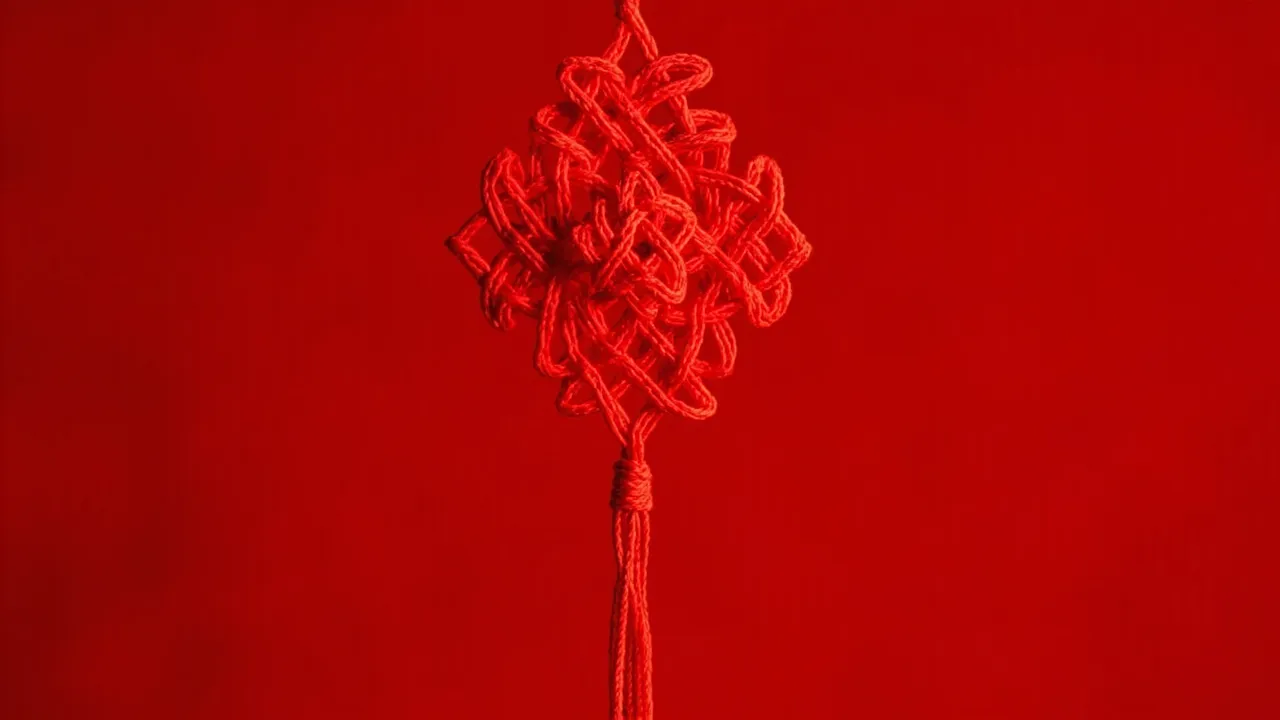
Walk through any Chinatown during the Lunar New Year and you’ll see them everywhere—elaborate red ornaments hanging from doorways, wrapped around gift packages, and adornment on traditional clothing. These intricate patterns aren’t just pretty decorations. They’re Chinese knots (中国结, Zhongguo Jie), a decorative art form that transforms simple cord into meaningful designs that have been culturally significant for thousands of years.
The beauty of Chinese knotting lies in its elegant simplicity. Using a single length of cord, without cutting or gluing, artisans create complex patterns that are both visually stunning and symbolically rich. Each knot carries meaning—good luck wishes, prosperity hopes, happiness blessings. Understanding this craft reveals a beautiful intersection of artistry, tradition, and cultural identity. In a world where much traditional craft has been lost to modernization, Chinese knotting continues to thrive, adapting to contemporary uses while maintaining its ancient significance.
What makes these knots particularly special is their accessibility. Unlike some traditional Chinese arts that require years of apprenticeship, basic Chinese knotting can be learned in an afternoon. Yet mastery—creating complex, symmetrical, meaningful designs—takes a lifetime. This combination of easy entry and infinite depth makes knotting both approachable and endlessly rewarding.
The Aesthetics of Chinese Knots
What makes Chinese knotting distinctive starts with its visual language. Unlike decorative knots in other cultures that might emphasize complexity for its own sake, Chinese knots balance intricacy with clarity. Every knot has a recognizable form with clear beginnings, middles, and endings—elements that create a sense of completion and satisfaction.
The characteristic look comes from the way the cord doubles back on itself, creating symmetrical patterns with the characteristic “S” curves that define traditional Chinese knot designs. These curves flow into each other in ways that feel both structured and organic—the mathematical precision of the patterns combined with the natural drape of the cord. When you see a well-made Chinese knot, there’s an inherent rightness to its appearance, a sense that it couldn’t be improved upon.
Color plays an essential role in Chinese knot aesthetics. Red dominates because it symbolizes luck, joy, and celebration in Chinese culture. You’ll see red in wedding decorations, New Year celebrations, and festive occasions generally. Gold accents add prosperity symbolism and create visual contrast—the combination of red and gold is instantly recognizable as distinctively Chinese. Black appears in some traditional designs, representing protection and warding off evil influences. Other colors like green, blue, and purple may appear in more modern interpretations, sometimes carrying their own meanings (green for health, for example) or simply chosen for aesthetic variety.
The cords themselves matter enormously. Traditional Chinese knotting uses silk cord, which has a natural sheen that catches light beautifully. The way light plays across a silk knot—highlighting curves and pooling in shadows—adds dimension that flat materials cannot achieve. Modern versions might use nylon, polyester, or cotton, which are more affordable and durable. These synthetic materials have their own appeal: they’re washable, don’t fade as quickly, and can be produced in virtually any color. Yet for special occasions and traditional uses, silk remains preferred for its luxurious feel and traditional authenticity.
The cord is typically twisted or braided, creating surface interest that adds to the visual appeal even before the knot pattern is considered. This texture catches the eye and rewards close inspection—the casual observer sees a beautiful pattern, but closer examination reveals the craftsmanship of the cord itself.
Historical Roots and Development
Chinese knotting didn’t emerge as a deliberate art form—it evolved gradually from practical origins. Understanding this history helps explain why these knots carry such cultural weight, connecting modern practitioners to centuries of human experience.
The earliest precursors appear in prehistoric times, when people needed to tie things together for practical purposes. These basic knots had no decorative intent, but they established the fundamental techniques that would later be adapted for ornamentation. Every civilization developed knot-tying for practical reasons, but only Chinese culture made the leap from function to art.
By the Han Dynasty (206 BCE – 220 CE), knotwork began appearing on ceremonial objects and clothing. The complex belt hooks and decorative elements found in Han tombs show early forms of decorative knotting—interlocking patterns that served both aesthetic and symbolic purposes. These weren’t merely functional fasteners; they were deliberate design choices meant to communicate status, wealth, and good fortune.
The craft developed significantly during the Tang Dynasty (618-907 CE), when Chinese culture reached new heights of sophistication. Knots began appearing on Buddhist relics, imperial objects, and everyday items. The vocabulary of knots expanded considerably during this period, establishing many patterns still used today. The Tang Dynasty was a golden age for Chinese art and culture, and knotting benefited from the period’s creative energy, absorbing influences from across the vast empire and beyond.
The Song Dynasty (960-1279 CE) saw knotting become more elaborate and widespread. Knotted ornaments became common on clothing, especially for important occasions. Different regions began developing distinctive styles, creating the regional variations that still exist. The rise of a prosperous merchant class created demand for decorative objects that could demonstrate both taste and good fortune, and knots fit this need perfectly.
The Ming and Qing Dynasties (1368-1912) refined Chinese knotting to its classical form. Professional knotting guilds emerged, and the craft became systematized with standardized patterns and techniques. This period established most of the knot types we recognize today and codified their symbolic meanings. The knotting traditions that we now consider “traditional” were largely solidified during these centuries, giving us the vocabulary of knots that contemporary artisans continue to use.
Despite the disruptions of the 20th century—including wars, revolutions, and rapid modernization—Chinese knotting survived. It even experienced revival in recent decades as Chinese communities worldwide have worked to preserve and promote their cultural heritage. Today, Chinese knots appear everywhere from luxury fashion to smartphone charms, proving that this ancient craft continues to resonate with contemporary aesthetics and values.
Major Knot Types and Patterns
Chinese knotting includes dozens of distinct knot types, each with its own name, appearance, and meaning. Learning the major patterns helps you appreciate the craft more deeply when you encounter it.
双联结 (Shuang Lian Jie, Double Connection Knot) serves as the most common building block in Chinese knotting. This simple knot connects two cords or forms the foundation for more complex patterns. Its name reflects the idea of connection—between people, between ideas, between past and future. Understanding this knot is essential because it appears in almost every more complex knot pattern, making it the alphabet from which more elaborate sentences are built.
团锦结 (Tuan Jin Jie, Round Brocade Knot) is one of the most beautiful and complex forms in the Chinese knotting repertoire. This knot creates a circular, flower-like pattern that’s often used as a centerpiece. It represents unity, perfection, and completeness—appropriate for its frequent use in wedding decorations and other important occasions. Creating a proper Tuan Jin Jie requires considerable skill, as the pattern must be perfectly symmetrical and the tension distributed evenly throughout.
盘长结 (Pan Chang Jie, Pan Chang Knot) is perhaps the most symbolically important. Named after a mythical creature (the Pan Chang, which has no mouth or nostrils), this knot symbolizes eternity and the cycle of life. Its continuous loop has no beginning or end, representing the eternal flow of qi (vital energy). This knot frequently appears in Buddhist contexts and represents the interconnection of all things. The Pan Chang is a powerful symbol that appears throughout Chinese art, but nowhere is it more elegantly expressed than in this knot form.
如意结 (Ru Yi Jie, Ruyi Knot) takes its name from the ceremonial scepter that represents wishes fulfilled. This elegant knot resembles the curved handle of a ruyi scepter and symbolizes good fortune, wishes coming true, and generally positive outcomes. It’s especially popular during the Chinese New Year, when everyone hopes for their wishes to come true in the year ahead. The smooth curves of the Ru Yi create a sense of flow and positive momentum.
桂花结 (Gui Hua Jie, Osmanthus Knot) is named for the sweet-scented osmanthus flower, which blooms in autumn and symbolizes wealth and honor in Chinese tradition. This knot represents wishes for prosperity and good fortune. The flowery appearance of this knot adds a softer, more organic element to the typically geometric Chinese knot vocabulary.
平结 (Ping Jie, Flat Knot) is a practical knot that creates a secure, adjustable connection. While more functional than decorative, it appears in many traditional knot combinations and is one of the first techniques beginners learn. The simplicity of the Ping Jie makes it an excellent starting point for those new to knotting, building confidence before moving on to more complex patterns.
Advanced knotting combines multiple basic knots into complex compositions. Master artisans can create elaborate arrangements with multiple colors and dozens of individual knots, each contributing to an overall design that carries layers of meaning. These complex works might take weeks to complete, representing not just technical skill but deep knowledge of the symbolic language of knots.
Cultural Significance and Symbolism
In China, nothing is purely decorative. Every visual element carries meaning, and Chinese knotting is no exception. Understanding this symbolism transforms these ornaments from pretty crafts into cultural messages that communicate something meaningful.
Luck and Good Fortune dominate the symbolic vocabulary. Many knots incorporate the character for luck (福) or double happiness (喜), explicitly wishing positive outcomes for the recipient. The Pan Chang knot’s eternal loop suggests never-ending good fortune—a wish that the luck will never run out. This emphasis on luck reflects a cultural value system that takes seriously the question of what we wish for those we care about.
Prosperity and Wealth appear in knots featuring fish (鱼 sounds like “abundance” in Chinese), coins, or the character for wealth (财). These knots frequently appear in business settings and during the Chinese New Year, when wishes for financial success are particularly appropriate. The association of fish with abundance comes from the Chinese word for fish (yu) sounding like the word for surplus or abundance. A knot showing fish is really a wish for perpetual plenty.
Marriage and Relationships use specific knots to express wishes for harmony, love, and fertility. The mandarin duck (鸳鸯) symbolizes devoted couples—the birds mate for life and appear in wedding decorations, often paired with lotus flowers representing reproductive success. Double happiness knots appear on wedding invitations and decorations, announcing the union to all who see them. These wedding knots carry hopes for a happy, fertile marriage that will last a lifetime.
Protection and Blessings for children, travelers, and those starting new ventures appear in appropriate contexts. Red, the luckiest color, protects against evil and misfortune. Some knots specifically ward off bad influences and ensure safe journeys. The protective function of knots reveals a deeper layer of Chinese belief—that beauty and protection can be combined, that something attractive can also be functional.
The act of giving knotwork gifts carries its own significance. Receiving a hand-knotted ornament from someone indicates they’ve taken time and care to wish you well. The labor involved represents the value the giver places on the relationship—making these gifts especially meaningful for important occasions. When you receive a Chinese knot as a gift, you’re receiving not just the object but the time, skill, and good wishes of the giver.
Knots in Modern Life
Chinese knotting has adapted remarkably well to contemporary contexts while maintaining its traditional essence. Today you can find these ancient patterns in surprisingly modern applications, demonstrating that traditional crafts can thrive in the modern world.
Fashion and Accessories incorporate Chinese knots extensively. Handbags, belts, jewelry, and clothing details feature knot motifs. High-end fashion houses have incorporated traditional Chinese knot designs into their collections, bringing this craft to international runways. The elegant curves and meaningful symbolism of Chinese knots appeal to designers seeking to add depth and cultural resonance to their work.
Home Decor uses Chinese knots as wall hangings, plant hangers, and curtain tie-backs. The vibrant colors and interesting textures add Chinese aesthetic to any room. Many Chinese restaurants and businesses feature prominent knotwork decorations, creating a sense of welcome and cultural identity. The knots serve both aesthetic and cultural purposes, communicating something about the values and aesthetics of the space.
Celebrations remain the most traditional contexts for Chinese knots. Chinese New Year, weddings, birthdays, and the Mid-Autumn Festival all feature these ornaments. The patterns are often chosen specifically for the occasion—romantic knots for weddings, prosperity symbols for business openings, longevity symbols for birthdays. This continued use in celebration keeps the tradition alive and meaningful, connecting modern practice to centuries of continuous tradition.
Technology Accessories represent an unexpected modern application. Chinese knot designs appear on phone charms, laptop stickers, and cable organizers. These small items keep the tradition visible in everyday life, especially for younger generations who might otherwise not encounter this craft. The adaptation to technology accessories shows how traditional crafts can find new relevance in contemporary contexts.
For those interested in learning, Chinese knotting is surprisingly accessible. Starting with simple flat knots, beginners can progress to more complex patterns within weeks. Books and online tutorials provide step-by-step instructions. The materials are inexpensive—just cord and scissors. The primary requirement is patience and willingness to practice, not expensive equipment or rare materials. The learning curve rewards persistence.
Traditional artisans spend years mastering their craft, learning not just the physical techniques but also the cultural meanings and aesthetic sensibilities that make their work meaningful. While few of us will achieve that level of mastery, the basic satisfaction of creating beautiful knotwork with our own hands is available to everyone who takes the time to learn.
Chinese knotting represents something important about Chinese cultural values: finding profound meaning in humble materials, transforming the everyday into the beautiful, and using aesthetics to express our deepest wishes for ourselves and those we love. Next time you see one of these red ornaments, pause for a moment to appreciate the centuries of tradition wrapped up in those intricate loops—each one a small prayer for happiness, luck, and love. In a world that often seems too busy for such deliberate beauty, Chinese knots remind us of the enduring value of taking time to create something meaningful.