Chinese Martial Arts: The Ancient Art of Mind, Body, and Spirit
There’s something almost magical about watching a skilled martial artist move. The way their body flows from one position to another, the apparent ease with which they deflect attacks, the years of discipline visible in every gesture. Chinese martial arts represent one of humanity’s most sophisticated approaches to physical cultivation, mental discipline, and spiritual development. For Americans curious about Chinese culture, understanding martial arts opens a door to centuries of wisdom, tradition, and practical philosophy that still resonates in the modern world.
The Legendary Origins: From Buddhist Monks to National Treasure
The history of Chinese martial arts stretches back over two thousand years, with roots intertwined with religious practice, military strategy, and philosophical development. The most famous origin story centers on the Shaolin Temple, founded in 495 CE in Henan Province. According to legend, an Indian Buddhist monk named Bodhidharma (known as Da Mo in Chinese) traveled to China and introduced a series of exercises to the Shaolin monks. These movements, designed to strengthen the body for long hours of meditation, evolved into what we now recognize as Shaolin Kung Fu.
The monks at Shaolin developed a reputation for extraordinary fighting ability. Their training combined rigorous physical conditioning with Buddhist meditation, creating practitioners whose bodies seemed to move independently of their minds. Over centuries, they developed hundreds of different styles, each with its own philosophy, techniques, and training methods. The famous “iron shirt” training, where practitioners struck their own bodies to develop resistance, and the “iron crow” exercises that built leg strength and stability, became legend.
But Shaolin wasn’t the only birthplace of Chinese martial arts. Wudang Mountain in Hubei Province became the cradle for internal martial arts, particularly Tai Chi. According to tradition, the Taoist sage Zhang Sanfeng created Tai Chi after witnessing a crane and snake in combat, observing how the bird’s attacks were deflected by the serpent’s fluid movements. Whether or not this story is literally true, it captures an essential truth about Chinese martial arts: they developed through careful observation of nature and human behavior.
The relationship between martial arts and Chinese philosophy runs deep. Confucian teachings emphasized self-improvement and discipline, values that became central to martial training. Taoist concepts of naturalness and following the flow of energy influenced the development of internal styles. Buddhist principles of mindfulness and emptiness shaped the mental approach of practitioners. This philosophical foundation distinguishes Chinese martial arts from simple fighting systems—they represent a path to personal cultivation, not merely a means of self-defense.
Understanding the Major Styles: External and Internal Arts
Chinese martial arts are broadly categorized into two main divisions: external (waijia) and internal (neijia). Understanding this distinction helps make sense of the remarkable diversity within Chinese fighting traditions.
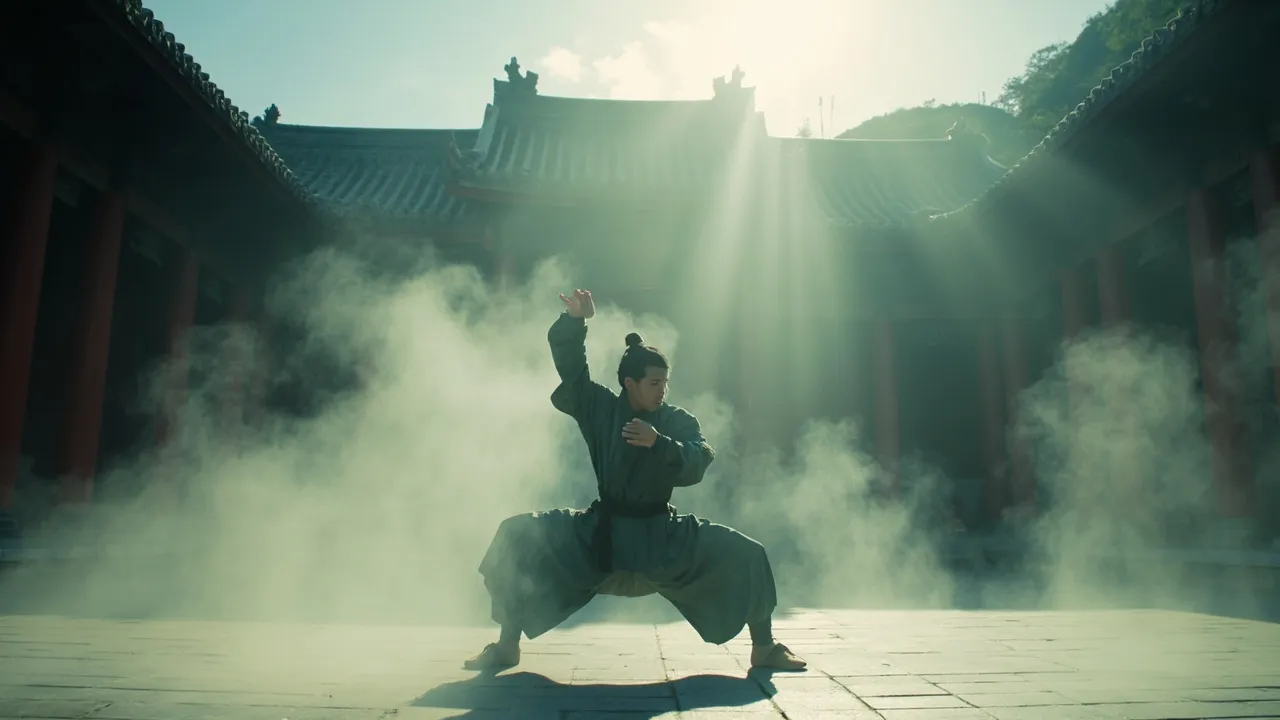
External styles focus on physical conditioning, explosive power, and rigorous technique. These arts build strength through repetitive training, developing muscles, speed, and precision. Shaolin Kung Fu stands as the quintessential external art, with its dynamic kicks, powerful punches, and acrobatic movements. Practitioners spend years mastering basic forms, drilling techniques, and building the physical foundation necessary for advanced work. The training is demanding—often brutal by Western standards—with hours spent on conditioning exercises, forms practice, and partner drills.
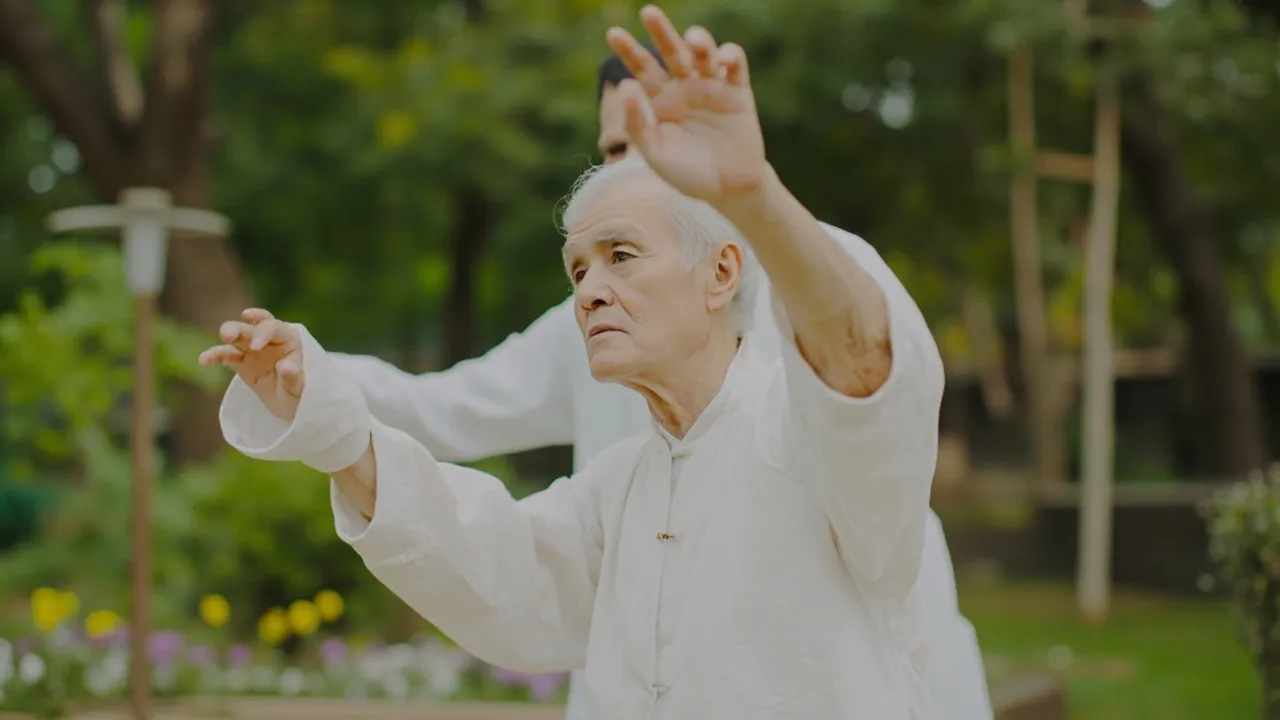
Internal styles, by contrast, emphasize cultivated energy (qi), relaxed movement, and mental focus. Rather than building raw physical power, internal artists work to develop subtle body mechanics and sensitivity to force. Tai Chi (Taijiquan), Xingyiquan, and Baguazhang represent the three major internal arts. Training involves slow, careful movements that build awareness of body mechanics and energy flow. The goal is not muscular strength but rather natural, efficient movement that overcomes force through redirection and yielding.
Within these broad categories exist hundreds of distinct styles. Wing Chun, made famous by Ip Man and the Bruce Lee legend, emphasizes close-range combat and speed. Practitioners learn to neutralize incoming force and deliver rapid, economical strikes. Hung Gar builds powerful, sweeping movements on a foundation of structural integrity. The Five Animals style mimics the movements of the tiger, crane, leopard, snake, and dragon, each representing different tactical principles.
Northern and southern China developed different specializations. Northern styles tend to emphasize kicking, long-range fighting, and more athletic, acrobatic techniques. Southern styles typically focus on close-quarters combat, hand techniques, and stable, rooted stances. This geographic division reflects both practical tactical considerations and the different physical environments of China’s diverse regions.
The Philosophy Beneath the Fists
What truly distinguishes Chinese martial arts from other combat traditions is their philosophical foundation. Training in these arts was never simply about learning to fight—it was about developing character, cultivating virtue, and achieving harmony between mind, body, and spirit.
The concept of qi (often translated as “energy” or “life force”) pervades Chinese martial arts thinking. In external styles, practitioners work to strengthen and circulate qi through rigorous training. In internal styles, the cultivation and application of qi becomes the primary focus. The goal is not just physical capability but the development of what might be called vital presence—the quality that makes an experienced martial artist seem to occupy space differently than an untrained person.
Martial arts philosophy emphasizes the complementary principles of yin and yang, the dualistic concept describing opposing but interconnected forces. In combat, hardness and softness must be balanced. Aggressive offense must be tempered by defensive awareness. The most skilled fighters don’t rely solely on strength or speed but understand when to yield and when to strike. This philosophical framework turns physical combat into an art form, a moving meditation on the nature of conflict and harmony.
The martial code of conduct, or martial ethics, emphasizes virtues that extend beyond the training hall. Courage, honesty, loyalty, and respect form the moral foundation of a true martial artist. The relationship between teacher and student carries sacred weight, with knowledge passed down through generations carrying the accumulated wisdom of countless practitioners. This transmission of tradition creates living connections to the past, making each student part of an ongoing lineage.
Contemporary practitioners often speak of the transformative effect of serious martial arts training. The discipline required builds mental fortitude. The physical demands teach patience and persistence. The philosophical dimensions encourage reflection and self-improvement. Many Western students report that their martial arts training changed their lives in ways that extended far beyond the physical benefits.
Modern Practice: From Ancient Temples to Global Studios
Today, Chinese martial arts have spread to every corner of the globe. While the Shaolin Temple continues training monks in traditional methods, millions of Western practitioners study these arts in local studios and community centers. This global diffusion has transformed Chinese martial arts while preserving their essential character.
The international popularity of martial arts cinema brought Chinese fighting traditions to worldwide attention. Bruce Lee’s films in the 1970s sparked American interest in Kung Fu. Jet Li and Jackie Chan introduced Chinese martial arts to new generations through their action movies. More recently, films like “Crouching Tiger, Hidden Dragon” presented the artistic and spiritual dimensions of these arts to mainstream audiences.
Competition Wushu (taolu) represents the sportification of traditional martial arts. Athletes perform choreographed routines judged on difficulty, execution, and artistic impression. This modern interpretation has produced athletes with extraordinary athletic abilities, though some traditionalists argue it has drifted from the deeper purposes of martial training. The inclusion of Wushu in the Asian Games and ongoing efforts toward Olympic recognition highlight its growing competitive presence.
At the same time, traditional schools continue operating according to centuries-old methods. Students at these schools learn forms that took their teachers decades to master. Training remains physically demanding and mentally challenging. The emphasis on character development and philosophical understanding persists. For those seeking deeper engagement with Chinese martial arts heritage, these traditional paths remain available.
The rise of MMA (Mixed Martial Arts) has created new dialogues between Chinese martial arts and modern combat sports. While traditional practitioners sometimes view cage fighting as lacking the philosophical dimensions they value, others see opportunity for cross-training and technique exchange. Several well-known MMA fighters have incorporated techniques from Chinese arts, demonstrating that these ancient systems still have practical applications in contemporary combat.
Beginning Your Own Journey
If Chinese martial arts have caught your interest, getting started is easier than you might think. The first step is finding a qualified instructor—something that requires some careful research.
Different styles suit different body types and temperaments. Tai Chi offers gentle, flowing movement excellent for those seeking low-impact exercise with philosophical depth. Wing Chun provides efficient close-range techniques that don’t require exceptional athletic ability. Shaolin training challenges committed practitioners with demanding physical conditioning. Exploring different styles through introductory classes helps identify what resonates with your body and personality.
Credentials matter when selecting a school. Look for instructors with documented lineage connections, meaningful training time in China, or recognized certifications from established organizations. Be wary of schools that promise quick results or downplay the demands of serious training. The best instructors emphasize proper technique over advanced tricks and prioritize student development over their own status.
Training expectations should be realistic. Mastery of Chinese martial arts takes years—often decades—of consistent practice. Progress comes gradually, with plateaus and breakthrough moments alternating over time. The journey itself becomes the reward, with each training session offering opportunities for physical exercise, mental challenge, and spiritual growth. Those who persist find that the arts become a lifelong practice, evolving with each stage of life.
Equipment needs vary by style. Tai Chi practitioners often begin with comfortable, loose-fitting clothing. Kung Fu students typically invest in traditional training uniforms and eventually protective gear. Weapons training requires additional equipment as students advance. Many schools provide initial guidance on appropriate gear, so starting with basic clothing and an open mind is sufficient for the first several months.
Chinese martial arts offer something increasingly rare in modern life: a comprehensive system for developing mind, body, and character through disciplined practice. Whether your interest lies in self-defense, physical fitness, philosophical exploration, or cultural connection, these ancient traditions provide a rich framework for personal development. The journey may be long, but practitioners who persist discover rewards that extend far beyond the training floor.