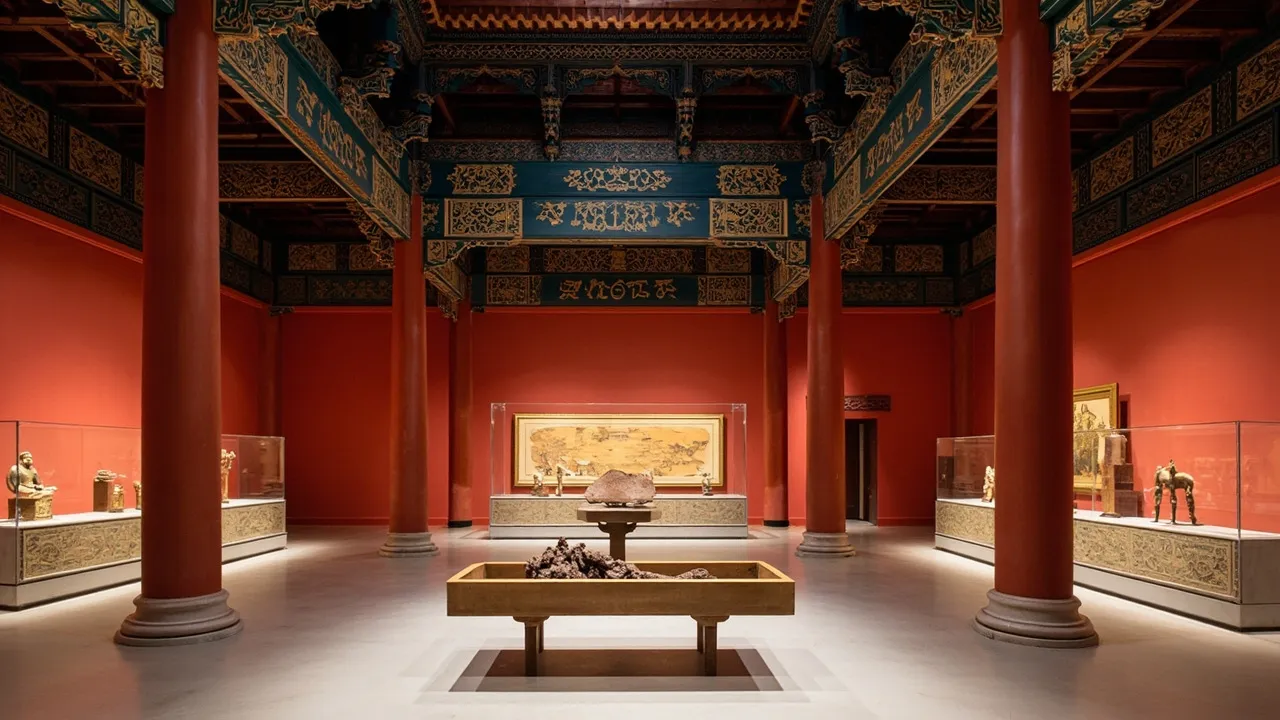
Chinese Museums: Treasure Houses of Civilization
If you think museums are just dusty display cases with little placards, China’s museum scene is about to blow your mind. Walk into any major Chinese museum and you’ll find yourself surrounded by millennia of human achievement—jade carved 5,000 years ago, bronze vessels from the Zhou dynasty, paintings that made emperors weep, and artifacts so beautiful they’ll stop you in your tracks.
Here’s something that might surprise you: in 2024, Chinese museums welcomed nearly 1.5 billion visitors. That’s more than the entire population of Europe walking through their doors in a single year. And here’s an even crazier number—between 2021 and 2024, China opened almost one new museum every single day. Yes, you read that right.
Whether you’re planning a trip to China or just curious about what all the fuss is about, let’s dive into the world of Chinese museums and why they should be on every culture lover’s radar.
China’s Museum Renaissance
China’s relationship with museums goes back further than you might think. The country has been collecting and preserving its treasures for thousands of years, but the modern museum movement really took off in the early 2000s. What we’re seeing now is something else entirely—a full-blown cultural renaissance.
In 2024 alone, 213 new museums opened their doors across China. That’s roughly one new museum every day and a half. The total now stands at over 7,000 registered museums nationwide. Government support has been massive, with significant investment in building world-class institutions that can compete with—or surpass—anything in the West.
But it’s not just about quantity. The quality of Chinese museums has skyrocketed. We’re talking cutting-edge architecture, state-of-the-art climate control systems, world-class conservation labs, and exhibition designs that rival the Met or the British Museum. Many Chinese museums have also embraced technology in ways that make Western institutions look like they’re still in the dark ages.
The visitor numbers tell the story. Over 1.49 billion visits in 2024—that’s not a typo. Chinese people have developed a genuine passion for exploring their own heritage, and honestly, once you step inside one of these places, it’s easy to see why.
Must-Visit Museums
Let’s be real: you could spend months in China and still not see everything. But if you’re going to invest your time in a few museums, these are the ones that should be at the top of your list.
The National Museum of China, Beijing
Sitting right on Tiananmen Square—that massive plaza in the heart of Beijing—the National Museum of China is one of the largest museums in the world. We’re talking over 190,000 square meters of exhibition space. The building itself is gorgeous, a grand neoclassical structure that used to house the Ministry of Justice.
The collections here are staggering. They’ve got Chinese art and artifacts spanning from the Neolithic period all the way to the modern era. The Bronze Gallery alone is worth the trip—these aren’t just relics, they’re masterpieces of metalwork that rival anything the Romans or Greeks produced. Terracotta warriors, ancient jade, imperial ceramics, revolutionary propaganda art—it’s all here.
Pro tip: you’ll need to make a reservation online before you go. The museum operates on a timed-entry system, and slots fill up fast, especially during holidays. Weekday mornings are usually your best bet for a more relaxed experience.
Shanghai Museum
If the National Museum of China is about breadth, the Shanghai Museum is about depth—and some of the finest collections you’ll find anywhere. This place houses over one million artifacts, with about 144,000 of those considered rare treasures.
What makes Shanghai Museum special is its focus on Chinese art in all its forms. The bronze collection is legendary, featuring pieces from different dynasties that show how this ancient craft evolved over centuries. The ceramics gallery traces the entire history of Chinese pottery, from primitive earthenware to the delicate porcelains that drove European collectors mad with desire.
The calligraphy and painting collections are equally impressive. Imagine standing in front of masterpieces that represent the absolute pinnacle of Chinese artistic achievement—works so good they’ve been treasured for centuries by emperors and collectors alike.
One more thing: it’s free. Yes, completely free to enter. The museum asks for a reservation, but once you’re in, you can spend hours exploring without spending a single yuan.
The Palace Museum (Forbidden City), Beijing
Okay, technically this is a palace complex, not just a museum—but the collections housed within the Forbidden City are extraordinary. We’re talking about 180 acres of imperial buildings, now filled with Ming and Qing dynasty treasures.
The Palace Museum has been around since 1925, making it one of the oldest museums in China. It’s also one of the most visited—over 16 million people wander through these ancient halls every year. The architecture alone is worth the trip, but the treasure houses within the various halls will keep you occupied for hours.
Don’t skip the Clock Exhibition Hall. Yes, it sounds boring, but the collection of European clocks given as diplomatic gifts to Chinese emperors is absolutely stunning. These aren’t your grandmother’s mantel clocks—we’re talking about elaborate mechanical masterpieces covered in gold and gems.
The National Silk Museum, Hangzhou
Here’s one that often flies under the radar. The National Silk Museum in Hangzhou is the only museum in the world dedicated entirely to silk—the fabric that changed global trade and fashion forever.
Located in the city where silk production was perfected centuries ago, this museum takes you through the entire story: silkworm cultivation, weaving techniques, the intricate patterns that made Chinese silk the most sought-after fabric in the world, and the famous Silk Road that carried it all the way to Rome.
The reconstructions of ancient looms alone are worth the visit. Watching how silk was made hundreds of years ago gives you a whole new appreciation for the craft.
Shaanxi History Museum, Xi’an
Xi’an is famous for the Terracotta Warriors, but the Shaanxi History Museum might actually be the better overall museum experience. The building itself is modeled on Tang dynasty architecture, and the collections inside cover roughly a million years of history—this is one of the oldest continuously inhabited regions on Earth.
The museum’s highlight is the Tang Dynasty Treasure Hall, which contains artifacts from the imperial tombs. Gold, silver, glazed ceramics—these are objects that haven’t seen the light of day for over a thousand years.
Virtual Museum Experiences
Can’t make it to China in person? No problem. Chinese museums have embraced virtual experiences in a big way, and some of them are genuinely impressive.
The Palace Museum launched a virtual reality experience called “V故宫” (V Forbidden City) that lets you explore the entire complex from your living room. Using VR technology, you can walk through pavilions, admire ceilings you couldn’t see from ground level, and explore areas that aren’t open to the public. It’s not quite the same as being there, but it’s pretty close.
Beijing’s museums got especially creative during the pandemic, developing virtual tours that let you explore their collections from anywhere in the world. Many of these tours are still available and completely free.
The National Museum of China also offers virtual exhibitions and online collections that you can browse at your leisure. High-resolution images let you zoom in on details you might miss in person, and detailed descriptions explain the historical context of each piece.
For a different take, check out the Silk Road Virtual Museum, which uses digital technology to recreate the ancient trade routes and showcase artifacts from different periods and cultures that connected East and West.
These virtual experiences won’t replace the magic of standing in front of a 2,000-year-old bronze vessel, but they’re a great way to preview what you want to see or satisfy your curiosity if travel isn’t on the cards right now.
Conclusion
China’s museum landscape has undergone a transformation that few people outside the country have really noticed. What was once a handful of dusty institutions has become a vibrant, world-class network of cultural attractions that can hold their own against anywhere else on Earth.
The numbers don’t lie—1.49 billion visits in a single year tells you that Chinese people themselves have fallen in love with their museums. And honestly, once you experience what these places have to offer, it’s easy to understand why.
Whether you find yourself in Beijing standing before the National Museum’s incredible collections, wandering through Shanghai Museum’s pristine galleries, or exploring the Forbidden City’s endless pavilions, you’re guaranteed to encounter something that will stay with you long after you leave.
And if you can’t make the trip just yet, the virtual options are getting better every year. Start with a virtual tour, do some research, and start planning—the treasure houses of Chinese civilization are waiting.