Chinese Opera: Where Ancient Stories Come Alive on Stage
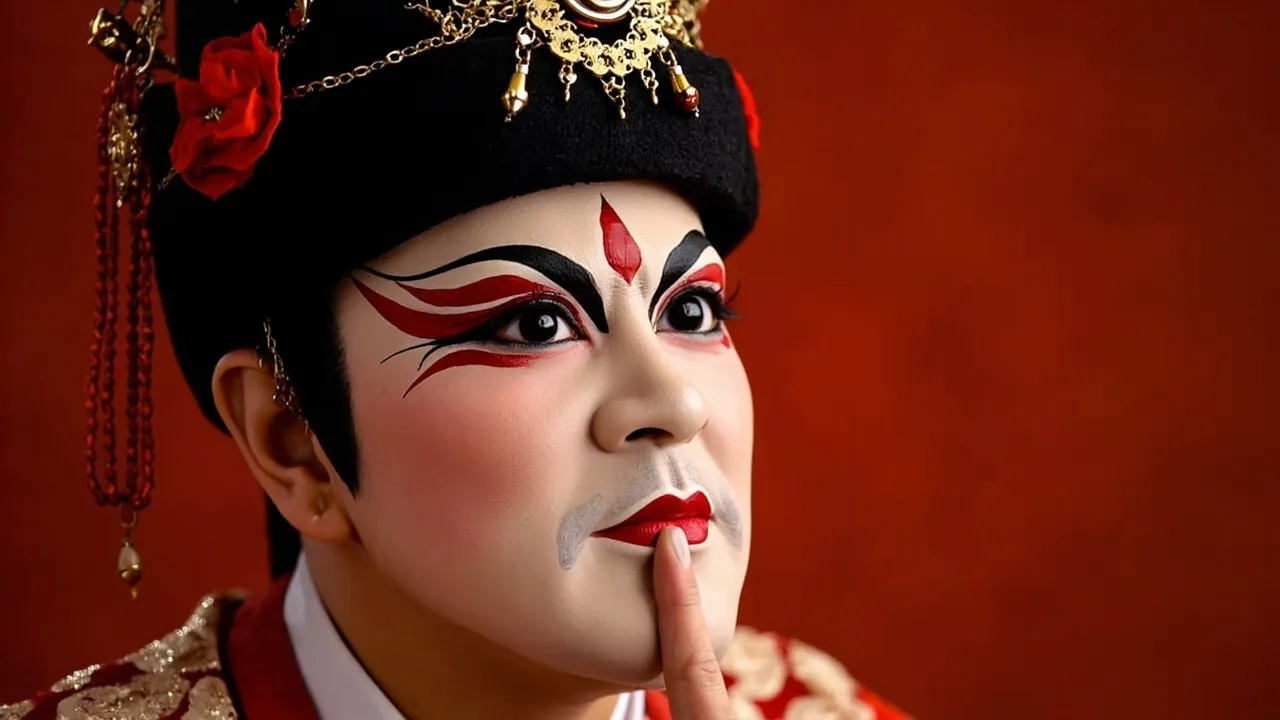
Walk into a Chinese opera house and you’ll immediately sense something different from Western theater. The sounds hitting your ears might seem strange at first—high-pitched singing, crashing gongs, rhythmic drumming. The visual spectacle is equally striking: performers in face-painting that tells you instantly whether they’re hero or villain, elaborate costumes that seem to weigh more than the actors themselves, and movements so stylized they feel like a kind of beautiful magic.
Chinese opera isn’t just entertainment. It’s a 900-year-old living tradition that blends singing, acting, dancing, martial arts, and acrobatics into one breathtaking art form. For Americans curious about Chinese culture, understanding opera opens a window into how Chinese people have expressed their values, history, and emotions for generations.
The Rich History Behind Chinese Opera
Chinese opera didn’t appear suddenly. It evolved slowly over centuries, borrowing elements from various regional performance traditions. Most historians trace its roots back to the Song Dynasty (960-1279), when traveling entertainers began combining folk songs, dances, and acrobatics into organized theatrical presentations.
During the Yuan Dynasty (1271-1368), a more sophisticated form emerged. Scholars who couldn’t pass the imperial civil service exams turned to writing plays instead. These educated writers brought literary depth to opera, creating the foundation for what we recognize today. The famous playwright Guan Hanqing wrote dozens of plays during this period, and some of his works are still performed.
The form really took shape during the Ming Dynasty (1368-1644). Opera became a courtly amusement, with emperors hosting elaborate performances. But it was the Qing Dynasty (1644-1912) that saw Chinese opera reach its peak of popularity and sophistication. Different regional styles crystallized during this time, each developing its own unique characteristics.
What makes Chinese opera different from Western opera? For starters, it’s not primarily about the singing. Chinese opera is a total theatrical experience where singing is just one element alongside acting, mime, acrobatics, and elaborate stagecraft. A single performance might include a fight scene, a comedic exchange, a graceful dance, and soaring vocals—all within a few minutes.
The Big Players: Peking Opera and Its Cousins
When people talk about Chinese opera internationally, they’re usually referring to Peking opera (Jingju), which is the most famous style. Developed in Beijing during the late 18th century, Peking opera combines elements from various regional opera traditions into a standardized form. It became so popular that it was practically China’s national theater form for two centuries.
Peking opera is instantly recognizable by its distinctive face painting. Characters are divided into four main types based on their roles: sheng (male), dan (female), jing (painted face male), and chou (clown). The painted face characters—warriors, officials, and spirits—wear elaborate colorful designs that communicate their personality to the audience. Red means loyalty and bravery. Black suggests integrity and bluntness. White indicates treachery or cunning. You’ve basically got a visual shorthand that tells you who to root for before anyone speaks a word.
The music in Peking opera is equally distinctive. A small ensemble typically accompanies the performance, including instruments like the jinghu (a two-stringed violin), suona (a double-reed horn), drums, and gongs. The melodies follow strict formulas—certain situations call for certain musical patterns. Western audiences sometimes compare it to jazz in this way: there’s improvisation within a structured framework, and trained listeners can “hear” the dramatic significance of each phrase.
While Peking opera dominates internationally, it’s just one style in a rich ecosystem. Kunqu (Kunju) is the oldest surviving form of Chinese opera, originating in Jiangsu Province. It’s considered the ancestor of many other Chinese opera styles, including Peking opera itself. UNESCO recognized Kunqu as a “Masterpiece of the Oral and Intangible Heritage of Humanity” in 2001, which tells you how highly experts regard this elegant tradition.
Kunqu moves at a more leisurely pace than Peking opera. The singing is softer, more lyrical, and the movements are gentler. Rather than dramatic acrobatics, Kunqu emphasizes beautiful gesture and poetic expression. For Americans, it might feel closer to European opera in its slow-burning drama and refined aesthetics.
Other major regional styles include Yue opera from Zhejiang Province, known for its romantic stories and all-female casts, and Cantonese opera from Guangdong, which incorporates more elaborate costumes and contemporary themes.
What’s Actually Happening On Stage: Understanding the Performance
Attending your first Chinese opera show can be bewildering. Everything operates according to different rules than Western theater. Here’s what you need to know to enjoy the experience.
The stage in traditional Chinese opera is almost bare. There’s no elaborate set, no lighting effects to speak of, no realistic props. A table and two chairs—that’s it. Everything else gets conveyed through symbolism. A performer carrying a whip suggests they’re riding a horse. Holding a paddle means they’re in a boat. Walking in a circle around the stage represents a long journey. This minimalism isn’t a limitation—it’s an invitation for the audience to participate in creating the world of the story.
The acting style emphasizes convention over realism. Performers train for years to master specific gestures, movements, and vocal techniques. A character opening a door has a particular form. Drinking tea follows another prescribed pattern. These conventions work like a visual language—once you learn the vocabulary, you can “read” the action as clearly as any spoken dialogue.
The stories themselves usually come from historical novels, folk legends, and classic literature. Battles between good and evil, tales of righteous officials, romantic entanglements, and family dramas dominate the repertoire. Many plots center on Confucian values—filial piety, loyalty to friends, honor above personal gain. But there’s plenty of humor and humanity mixed in too.
Peking opera performances typically last three to four hours, though they often feature multiple short plays in sequence. This might sound exhausting, but the variety keeps things engaging. A typical evening might include a comedy, a battle scene, and a tragedy—each showcasing different aspects of the art form.
Why This Art Form Matters So Much
Chinese opera isn’t just historical curiosity—it’s a living tradition that continues to evolve and inspire. Understanding its cultural significance helps explain why Chinese people feel such deep affection for this art form.
First, opera serves as a vehicle for moral education. For centuries, most Chinese people couldn’t read. Opera brought stories from history and literature to life, teaching audiences about virtuous behavior, the consequences of greed or treachery, and the importance of loyalty and honor. Going to the opera wasn’t just fun—it was how people learned their culture’s values.
The art form also preserves classical Chinese language. The libretto of traditional operas uses literary Chinese, the formal written language that educated people studied for centuries. Even as vernacular Chinese has evolved, opera maintains this elegant linguistic connection to the past.
Chinese opera reflects distinctly Chinese aesthetic values. The emphasis on symbolic representation over realistic imitation, the balance between restraint and expressiveness, the integration of multiple art forms into a unified whole—these all embody principles that extend far beyond the opera stage into Chinese painting, poetry, architecture, and design.
In recent decades, Chinese opera has faced real challenges. Western entertainment forms captured younger audiences, and the traditional training systems struggled to attract recruits. The government has invested heavily in preserving opera, recognizing its cultural importance. Contemporary artists have experimented with new approaches, creating modern works that incorporate traditional techniques.
The good news is that Chinese opera is experiencing something of a renaissance. Young performers are finding ways to make traditional forms relevant to contemporary audiences. International interest has grown, with Chinese opera companies touring worldwide and foreign artists studying the form. Netflix has even featured Chinese opera elements in some productions, introducing the art form to millions of new viewers.
Experience Chinese Opera Yourself
You don’t need to travel to China to experience Chinese opera. Major American cities with significant Chinese populations—New York, Los Angeles, San Francisco, Boston—regularly host performances. University campuses often feature cultural events that include opera demonstrations. And the internet offers plenty of resources for curious beginners.
If you get the chance to attend a live performance, go prepared. Don’t expect a linear narrative with clear exposition. Let go of your need to understand every detail immediately. Instead, focus on the visual spectacle, the musical sounds, and the emotional atmosphere. Let the experience wash over you—you’ll be surprised how much you absorb.
For those who want to dig deeper, numerous English-language resources explain Chinese opera’s history and conventions. YouTube features full-length performances with English subtitles. Several excellent books introduce the art form to Western readers.
Chinese opera represents one of humanity’s great theatrical traditions—an art form that has continuously evolved for nearly a millennium while maintaining its essential character. Whether you eventually become a devoted fan or simply appreciate it as cultural heritage, understanding Chinese opera enriches your appreciation of Chinese civilization and the endless variety of ways human beings create meaning through performance.