Chinese Silk Culture: The Fabric That Changed the World
Imagine a fabric so luxurious that ancient Roman emperors hoarded it like treasure, so precious that it was once worth its weight in gold, and so beautiful that it inspired wars, sparked trade routes, and connected civilizations separated by thousands of miles. That’s Chinese silk—the material that has captivated human desire for over five thousand years.
The story of silk is inseparable from the story of China itself. For millennia, the Chinese kept the secret of silk production as a closely guarded national treasure, executing anyone who revealed the technology to foreigners. Despite these efforts, silk eventually found its way across the world, transforming fashion, economics, and cultural exchange along the ancient trade routes that now bear its name.
The Discovery That Started Everything
Legend has it that silk was discovered by Emperor Fu Xi around 2700 BC, when he noticed silkworm cocoons floating in his tea and began to unravel the delicate threads. Whether or not this story is true, the Chinese were certainly producing silk by the Neolithic period, with archaeological evidence of silk fragments dating back to around 3630 BC.
The silkworm in question isn’t just any caterpillar—it’s the larva of the bombyx mori moth, a species that has been so thoroughly domesticated over thousands of years that it can no longer survive in the wild. These remarkable creatures feed exclusively on mulberry leaves, and their transformation from tiny eggs to fat, white caterpillars to elegant moths is one of nature’s most fascinating processes.
Ancient Chinese sericulture—the technical term for silk farming—was an art refined over countless generations. Farmers would collect silkworm eggs in the spring, keeping them warm until they hatched into tiny caterpillars. These voracious eaters would then be fed fresh mulberry leaves continuously for about a month, growing exponentially larger with each passing day. When the caterpillars stopped eating and began to wander restlessly, they were ready to spin their cocoons.
The cocoon-spinning process is perhaps the most remarkable part of sericulture. Each silkworm produces a single continuous silk thread that can be up to a mile long, wrapping itself in a protective shell of raw silk. To harvest the silk, workers would carefully boil the cocoons, killing the pupae inside while softening the sericin—the natural glue that holds the silk fibers together. Workers would then brush the cocoons to find the end of the silk thread and begin the delicate process of unwinding, or reeling.
One cocoon yields only a small amount of raw silk, typically between 300 to 600 meters. It takes roughly 5,500 silkworm cocoons to produce one pound of raw silk, which explains why silk has always been such a precious commodity. Each yard of finished silk represents countless hours of patient, meticulous labor.
The Chinese developed sophisticated techniques for managing silkworm populations across multiple generations. In warmer southern regions, farmers could raise several broods per year, while in the north, they typically managed just one or two. The careful timing of egg-laying, the precise control of temperature and humidity in the incubation rooms, and the relentless harvesting of mulberry leaves all required expertise passed down through families of sericulturists.
The Weaving Art: From Thread to Masterpiece
Raw silk is only the beginning. Transforming those delicate threads into the luxurious fabrics that made Chinese silk world-famous required extraordinary skill, specialized tools, and generations of accumulated knowledge.
Traditional Chinese silk weaving was performed on wooden looms that ranged from simple backstrap devices to elaborate floor looms capable of creating incredibly complex patterns. The weaver sat at the loom, passing the shuttle carrying the weft threads back and forth through the warp threads that were stretched on the loom. The rhythmic sound of the shuttle—“shua shua” in Chinese—became the soundtrack of silk workshops across the land.
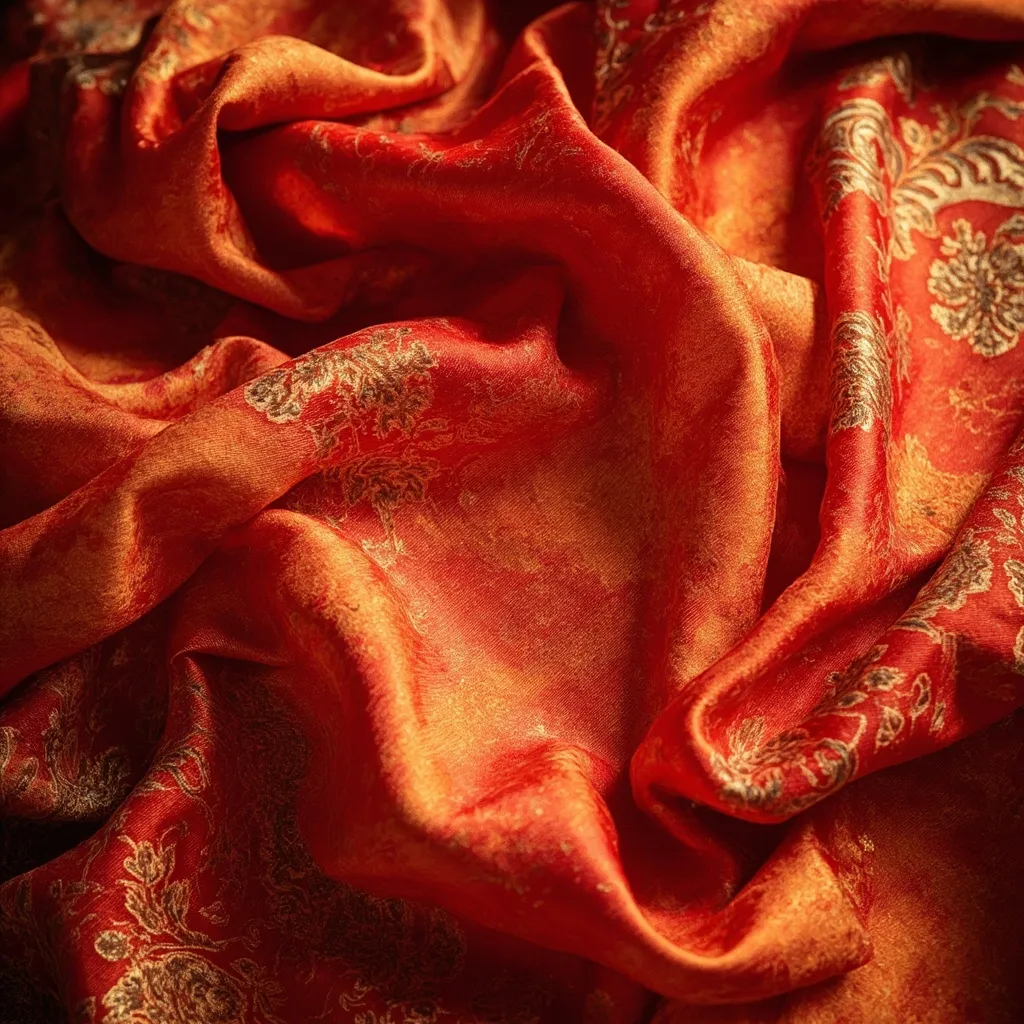
What set Chinese silk apart was the extraordinary range of techniques developed over the centuries. There was damask, with its subtle reversible patterns visible only in the light. There was satin, with its lustrous, smooth surface achieved through a special weave structure. There was brocade, with its raised patterns of gold and silver threads. And there was the legendary gongzhu, or palace velvet, with its intricate designs that seemed to dance as the fabric moved.
The dyeing process was equally sophisticated. Chinese dyers developed a palette of colors that would remain unmatched for centuries. They extracted purple from the gromwell plant, creating a hue so precious that it was reserved for imperial use. They produced crimson from the cochineal insect, a technique they learned from Central Asian traders. They created deep indigo from woad plants, and golden yellow from the gardenia flower. Each color had its own symbolic meaning in Chinese culture—red for luck and celebration, yellow for royalty and earth, white for mourning and purity.
Patterns and motifs in Chinese silk were far more than decorative—they told stories, conveyed wishes, and displayed wealth and status. Dragons, phoenixes, clouds, and mountains symbolized power, prosperity, and good fortune. Peonies represented wealth and honor. Bamboo symbolized integrity and resilience. Each design was carefully chosen for its meaning, making Chinese silk not just a fabric but a language of symbols.
The finest Chinese silk garments could take months or even years to complete. Imperial robes required the work of dozens of skilled artisans, each specializing in a particular technique. The legendary palace velvet, with its intricate designs created by cutting and pressing the silk pile, was so time-consuming to produce that a single robe could take years to complete.
The Silk Road: Spinning Connections Across Continents
For centuries, the Chinese maintained strict penalties against revealing the secrets of silk production. Anyone caught smuggling silkworm eggs or revealing sericulture techniques to foreigners faced execution. Despite these efforts, silk eventually made its way westward, transforming from a Chinese monopoly to a global luxury.
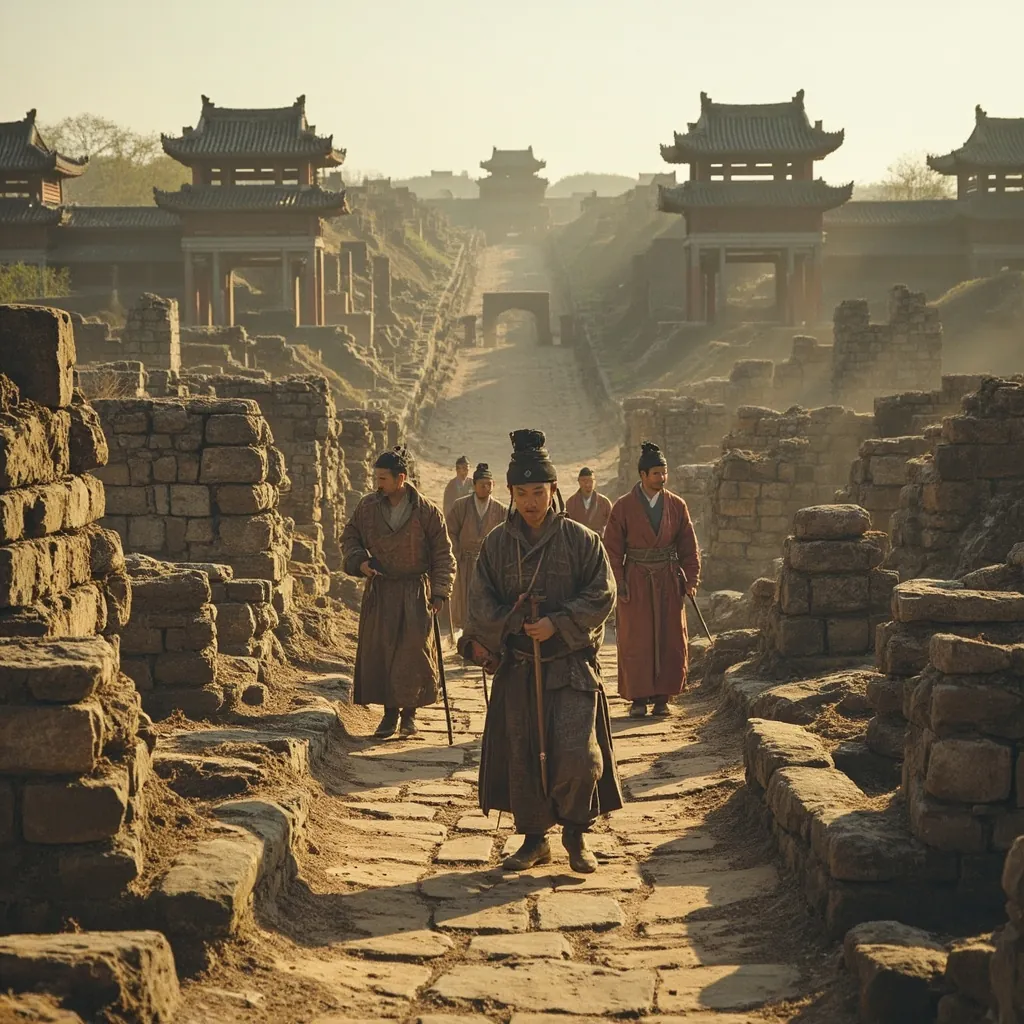
The trade routes that connected China to the Mediterranean world came to be known collectively as the Silk Road—a name coined by German geographer Ferdinand von Richthofen in the 19th century, though the routes themselves had existed for millennia. These ancient highways stretched over 4,000 miles, crossing deserts, mountains, and grasslands to link the great civilizations of East and West.
Merchants traveling the Silk Road faced tremendous dangers. They crossed the Taklamakan Desert, where sandstorms could bury entire caravans. They crossed the Pamir Mountains, where treacherous passes could trigger avalanches. They encountered bandits, harsh weather, and political instability. But the potential profits were immense—silk could be purchased in China for a fraction of its value in Rome, and even a single successful journey could make a merchant wealthy for life.
Silk was only one of the many goods that traveled these routes. Chinese porcelain, tea, and paper moved westward, while glass, gems, and wool moved east. Perhaps most importantly, ideas traveled alongside goods—Buddhism spread from India to China along these routes, while Chinese technologies like papermaking and gunpowder eventually transformed Europe.
The demand for silk in the Roman Empire was insatiable. Roman senators wore silk garments, even though the Senate periodically tried to ban the fabric as a threat to traditional Roman values. The historian Pliny the Elder complained that Rome was losing massive amounts of gold to pay for Chinese silk. At its peak, silk was so valuable in Rome that it was worth its weight in gold—an exchange rate that made silk more expensive than any other commodity in the ancient world.
Chinese silk also reached the Byzantine Empire, where it became a symbol of imperial prestige. The Byzantine emperors established their own silk workshops, reportedly using monks who had learned sericulture in China (smuggling silkworm eggs in hollow bamboo walking sticks) to establish production. For centuries, Byzantine silk was considered second only to Chinese silk in quality, and the two traditions influenced each other in design and technique.
The Silk Road wasn’t a single road but a network of trade routes, with branches connecting different regions and different civilizations. Some routes went north, through the steppes of Central Asia. Others went south, through the mountain passes of Tibet and into India. And some went by sea, following the coastlines of Southeast Asia and across the Indian Ocean. Silk traveled all these routes, reaching markets from Japan to the Mediterranean.
Silk in Chinese Culture: Beyond Fabric
In China, silk was never merely a commercial product. It was deeply woven into the fabric of Chinese culture, appearing in religious rituals, court ceremonies, and everyday life.
The earliest Chinese texts mention silk offerings to the gods and spirits. Silk banners were hung in ancestral halls to honor deceased family members. The dead were buried in silk shrouds, their bodies wrapped in fabric meant to ensure a comfortable afterlife. Silk was used to wrap sacred objects, to paint ritual banners, and to create the elaborate garments that marked important life transitions.
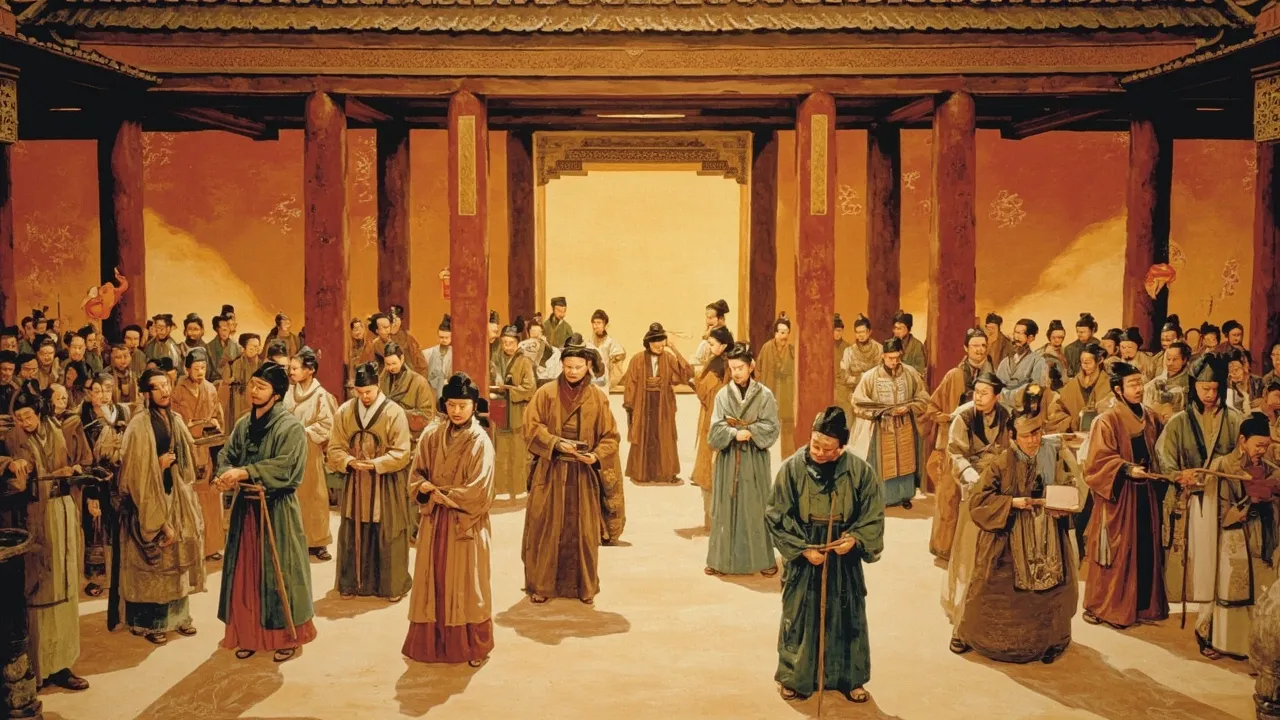
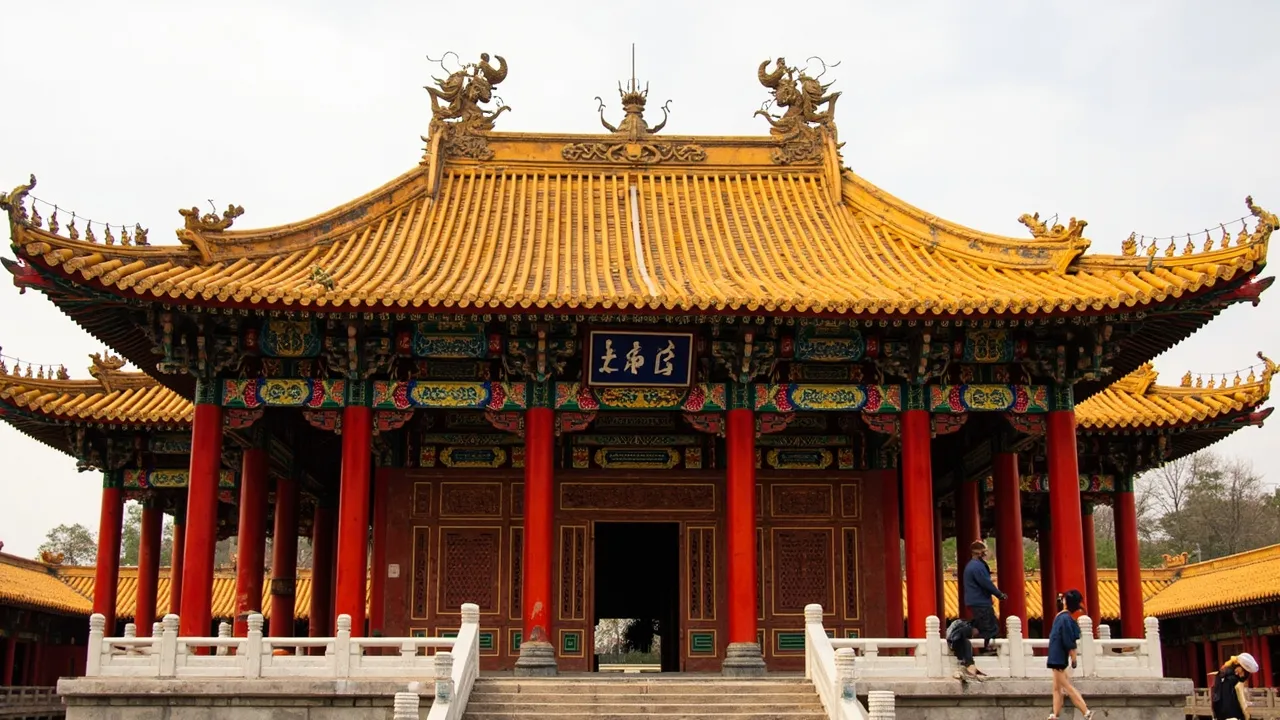
Imperial China reserved certain silk patterns and colors for exclusive imperial use. Only the emperor could wear robes with five-clawed dragons. Only members of the imperial family could wear certain shades of yellow. The production of these restricted silks was closely controlled, with imperial workshops employing thousands of skilled workers to create garments for the court.
Even in everyday life, silk played a larger role than just clothing. Wealthy Chinese families used silk for window curtains, bed hangings, and furniture covers. Silk paintings—paintings created on silk panels rather than paper—became a distinct art form. Calligraphers prized silk paper for its smooth surface and elegant appearance. Silk fans, silk parasols, and silk bags all reflected the importance of this material in Chinese daily life.
The Chinese vocabulary for silk is remarkably rich, with dozens of different terms describing various weights, weaves, and qualities. There’s chunshan, a heavyweight silk ideal for winter garments. There’s xiangshan, a delicate, almost transparent silk perfect for summer. There’s duan, a satiny silk with a smooth finish, and jiang, a type of raw silk with a textured surface. This vocabulary reflects the central place of silk in Chinese material culture.
The Modern Legacy
Today, China remains the world’s largest producer of silk, though the industry has evolved dramatically from its ancient roots. Modern sericulture combines traditional techniques with contemporary technology, producing silk that meets the demands of global fashion brands while maintaining the quality that Chinese silk has been known for for millennia.
Chinese silk continues to be prized for its quality, luster, and comfort. The country produces roughly 150,000 metric tons of raw silk annually, accounting for about 80% of world production. Chinese silk is used in high fashion, luxury bedding, medical applications, and countless everyday products.
But beyond its economic importance, Chinese silk represents a cultural achievement that has shaped human civilization. The Silk Road that opened up between East and West created networks of trade, exchange, and cultural contact that continue to influence our world today. The technological secrets that the Chinese guarded so carefully eventually spread, but the artistic traditions and aesthetic sensibilities that developed around silk remained distinctly Chinese, evolving in ways that continue to influence fashion and design worldwide.
Next time you touch a piece of silk—whether it’s a luxurious scarf, a fine shirt, or a simple silk ribbon—take a moment to think about the ancient Chinese farmers who first discovered this remarkable fiber, the weavers who transformed it into works of art, and the merchants who carried it across deserts and mountains to reach the farthest corners of the ancient world. You’re touching history.