The Art of Chinese Tea Ceremony: A Guide to Gongfu Cha
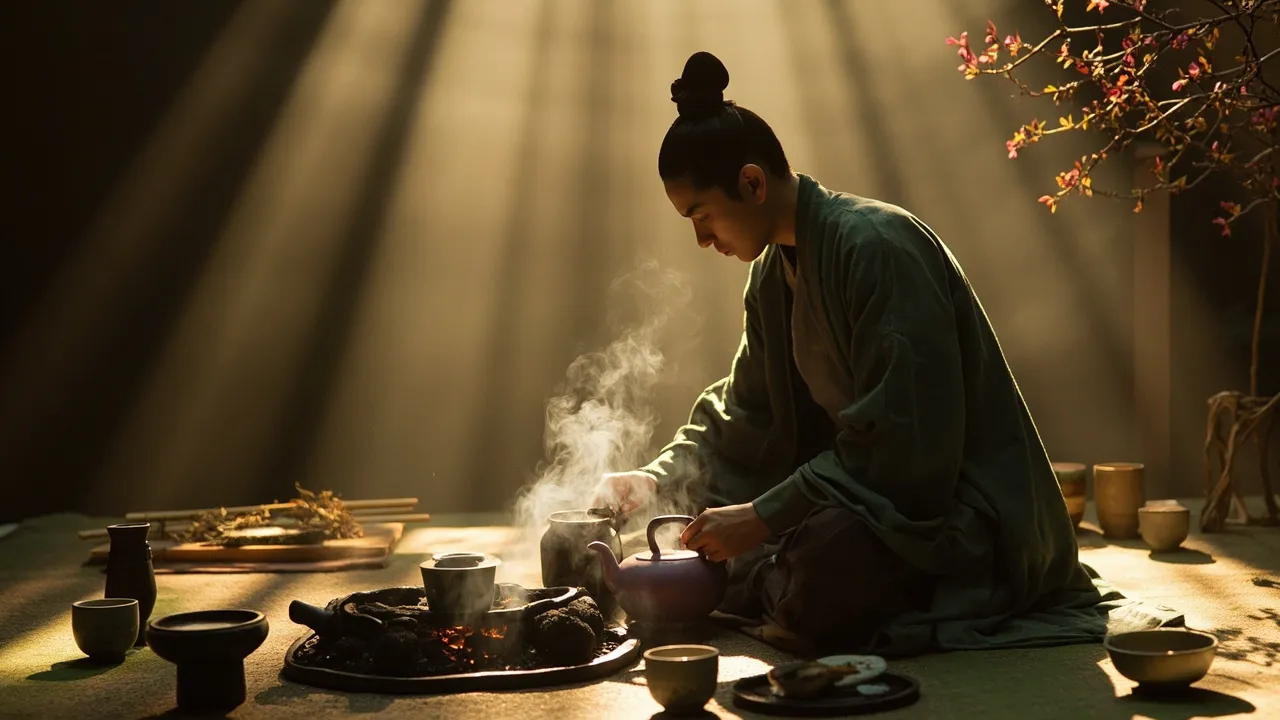
Imagine holding a warm ceramic cup on a quiet morning. Steam rises, carrying the fragrance of orchid and honey. You breathe in, and for a moment, the world slows down. This is not just drinking tea — this is Gongfu Cha, the Chinese tea ceremony, a practice that has transformed a simple beverage into a meditation on presence, patience, and appreciation.
For centuries, tea has been at the heart of Chinese culture. What began as a medicinal drink evolved into a sophisticated art form practiced by emperors, scholars, and monks alike. Today, this tradition offers a way to slow down and reconnect with yourself, one cup at a time.
This guide covers what makes the Chinese tea ceremony unique, walks you through the step-by-step process of preparing tea the Gongfu way, and shows how to bring this ancient practice into your daily routine.
What Is the Chinese Tea Ceremony?
The term Gongfu Cha (工夫茶 or 功夫茶) literally translates to “tea made with skill” or “tea of effort.” Despite what the word “ceremony” might suggest, Gongfu Cha is not about rigid formality or performing for an audience. Instead, it’s about the deliberate attention you bring to every movement — from heating the water to the final sip.
In Chinese tradition, tea is more than a drink. It is a vehicle for mindfulness, a bridge between people, and a reminder to slow down and savor life’s simple pleasures. The practice emphasizes the process as much as the outcome, transforming an everyday act into a moment of beauty and reflection.
A Brief History: From Tang Dynasty to Today
The roots of Chinese tea culture stretch back over 3,000 years, but the Gongfu Cha style we know today emerged during the Ming Dynasty (1368–1644). During this period, the practice of steeping loose-leaf tea in small teapots became widespread among scholars.
By the Qing Dynasty, Gongfu Cha had evolved into the elaborate ritual practiced in teahouses across Fujian and Guangdong. It spread to Taiwan, where it continued to flourish, and eventually to communities worldwide. Today, interest in the Chinese tea ceremony is experiencing a renaissance, as people seek meaningful alternatives to the constant stimulation of digital life.
The Philosophy: Tea as a Way of Life
At its core, the Chinese tea ceremony is guided by four principles that reflect the values of Chinese philosophy:
- Harmony — Finding balance between the tea, water, fire, and the people sharing it
- Respect — Treating every element — the tea, the tools, the water, and your guests — with reverence
- Purity — Maintaining clarity in both the tea and the mind, free from distraction
- Tranquility — Cultivating inner stillness and presence
These principles connect deeply to Taoist ideas of living in harmony with nature and the flow of life, as well as to Buddhist concepts of mindfulness and being fully present in the moment.
When you practice Gongfu Cha, you’re not just preparing a beverage. You’re creating a small sanctuary — a pocket of peace in your day. The tea becomes a focal point for meditation, and the ritual becomes a way to let go of worry and simply be.
Essential Tools (茶具)
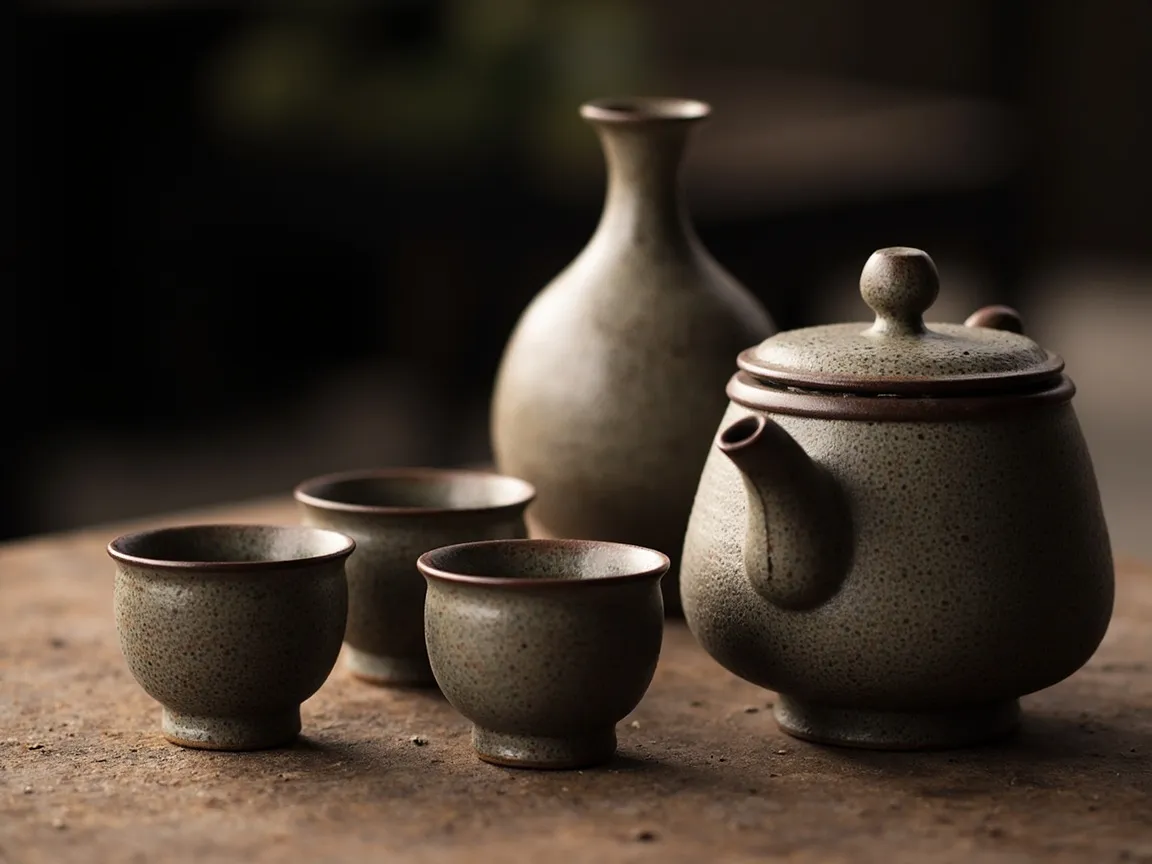
One of the beautiful aspects of the Chinese tea ceremony is that it can be as simple or as elaborate as you wish. While traditional tea sets include many pieces, you can start with remarkably few items.
The Core Equipment
- Gaiwan — A lidded bowl used for steeping and serving tea. This is the most versatile tool in Gongfu Cha and the best starting point for beginners. A porcelain gaiwan allows you to see the tea leaves unfurl and gives you full control over the brewing process.
- Tea pitcher — A vessel used to distribute the brewed tea evenly among cups, ensuring each guest receives tea of equal strength.
- Tea cups — Small cups designed for smelling the aroma and savoring the tea in small sips. The best tea cups are small, typically holding 30–50 ml.
- Tea tray — A tray with a drainage system to catch water and spills. It keeps your brewing area clean and makes cleanup easy.
For Heating and Preparation
- Kettle — An electric kettle with adjustable temperature is ideal. Different teas require different temperatures, so precise control matters.
- Tongs — Used to handle hot items safely.
- Tea filter — Catches small tea particles when pouring.
- Tea towel — For wiping spills.
What Beginners Really Need vs. Nice-to-Haves
If you’re just starting, here’s the honest truth: you need only a gaiwan and two cups to practice Gongfu Cha. That’s it. Everything else — the elaborate teapot, the bamboo tray, the decorative tea pets — is optional and can be added gradually as your practice deepens.
A simple setup might look like this:
- One gaiwan (the brewing vessel)
- Two small tea cups
- An electric kettle with temperature control
- Your favorite loose-leaf tea
This minimalist approach keeps the focus where it belongs: on the tea and the moment. As you grow more comfortable with the practice, you can explore tools like Yixing teapots (unglazed clay teapots that absorb the flavor of the tea), bamboo accessories, and decorative elements that enhance your personal ritual.
The Gongfu Cha Procedure: Step by Step
Now comes the actual practice: preparing and drinking the tea. The following steps outline a typical Gongfu Cha session. This is not about perfection — it’s about presence. Let each step remind you to breathe, to notice, and to be fully where you are.
Step 1: Warming the Vessels
Begin by boiling fresh water. While waiting, place your gaiwan and tea cups on the tray. Pour a small amount of hot water into the gaiwan, then swirl it gently to warm the ceramic. Pour out the water into the cups, swilling them around to warm them as well. Finally, discard this water into the pitcher or directly onto the tray.
Warming the vessels serves a practical purpose — it brings the tea to the right temperature quickly — but it also symbolizes preparing your space with care and attention. It’s a moment to arrive, to shift from the busyness of the outside world into the stillness of the tea table.
Step 2: Adding the Tea
Using a tea scoop or your fingers, measure the tea leaves into the gaiwan. A good starting amount is approximately 3–5 grams of tea, depending on the tea type and your taste preference. For most oolongs and pu-erhs, 5 grams is a comfortable starting point. You’ll quickly learn to adjust based on how strong you prefer your brew.
Place the lid on the gaiwan and give it a gentle swirl. Bring the gaiwan close to your nose and inhale the dry leaf aroma. This is your first encounter with the tea — a moment of anticipation.
Step 3: The First Infusion – “Awakening” the Tea
Pour water at the appropriate temperature over the tea leaves. Different teas require different temperatures:
- Green tea: 75–80°C (167–176°F)
- White tea: 75–85°C (167–185°F)
- Oolong tea: 85–95°C (185–203°F)
- Pu-erh tea: 95–100°C (203–212°F)
Pour in a circular motion, starting from the center and working outward, ensuring all leaves are saturated. Fill the gaiwan but do not place the lid yet. Watch as the dry leaves begin to unfurl, releasing their fragrance. This first infusion is often called “awakening” the tea — you’re bringing the leaves back to life with hot water.
Let the tea steep for a short time — usually 10–30 seconds for the first infusion, depending on the tea. You’ll notice the color deepening with each steep. Set a timer on your phone, or simply count silently. Trust your senses: look at the color, smell the aroma, and notice what your body tells you.
Step 4: The Tea Shower
This is a critical step that many beginners overlook. The “tea shower” involves discarding the first infusion immediately after steeping. Don’t worry — this is intentional.
Pour the first steep into the tea pitcher (or directly onto the tray), watching the tea stream out. This rinse removes any residual dust or impurities from the processing and transport of the tea leaves. It also preps the leaves for subsequent infusions, allowing them to unfurl fully and release their true flavor.
Some practitioners save this first rinse and drink it separately, but for most, it’s simply poured away. Think of it as preparing the canvas before painting.
Step 5: Multiple Infusions
Now you’re ready to drink. Pour fresh hot water over the leaves again. Steep for roughly 20–40 seconds, then pour the brewed tea into the pitcher. From there, distribute it evenly into your cups.
Hold the cup with both hands — let the warmth transfer to your palms. Raise the cup to your nose and inhale the aroma. Notice the complex layers: maybe there’s orchid, honey, roasted nuts, or a hint of fruit. Each steep reveals something new, and the flavor evolves with each infusion.
A quality oolong or pu-erh can yield 6–10 infusions, each with a different character. The first few steeps might be lighter and more aromatic; later steeps often become richer and more nuanced. This progression is one of the great joys of Gongfu Cha — it’s like experiencing several different teas in one session.
Tips for timing and temperature:
- If the tea tastes bitter or astringent, shorten your steep time or lower the water temperature
- If the tea tastes weak or watery, steep a bit longer or add more leaves
- Trust your palate — the “correct” way is the way that tastes best to you
- With each subsequent infusion, add 5–10 seconds to the steep time, as the leaves gradually release their flavors
Tea Types and Pairings
The world of Chinese tea is vast and diverse. Here are some of the most popular options for Gongfu Cha:
- Oolong tea — Partially oxidized, ranging from light and floral (Tieguanyin) to dark and roasted (Da Hong Pao). Oolongs are perfect for Gongfu Cha because they reveal different flavors across multiple steepings.
- Pu-erh tea — Aged, fermented tea with earthy, complex flavors. Aged pu-erhs can develop remarkable depth and smoothness over decades.
- Green tea — Fresh, vegetal, and delicate. Requires lower temperatures to avoid bitterness.
- White tea — Subtle and sweet, made from young buds and leaves. Very forgiving for beginners and responds beautifully to the Gongfu method.
Food pairing principles: Light teas pair well with fresh fruits, light pastries, or mild cheeses. Darker, more robust teas like pu-erh stand up to richer foods — think dark chocolate, roasted nuts, or dim sum. The key is balance: let the tea and food complement each other without overwhelming each other.
Creating Your Home Tea Ceremony
One of the most important things to understand about the Chinese tea ceremony is that it is not reserved for special occasions. It is a daily practice — something you can do in five minutes with a single cup, or something you can extend into an hour-long meditation. The choice is yours.
Minimalist Setup for Beginners
You don’t need a dedicated tea room or expensive equipment. Start here:
- Find a quiet corner of your kitchen or a windowsill
- Boil water and let it cool to the right temperature
- Measure a small amount of tea into your gaiwan or cup
- Steep, sip, and notice
That’s it. The ritual does not require silence or special clothing or perfectly arranged flowers. It simply requires you, present, paying attention.
Setting the Atmosphere
That said, a few small touches can help shift your mindset:
- Lighting — Soft, natural light or a warm lamp creates a calm ambiance
- Sound — Remove distractions. Some people enjoy soft instrumental music; others prefer silence
- Cleanliness — Keep your tea area tidy. A clean space supports a clear mind
- Scent — Avoid strong competing smells (like cooking or perfume). The tea’s aroma should be the star
Mindful Tea Drinking as Meditation
The true power of Gongfu Cha lies not in the brewing but in the drinking. After pouring your tea, pause before the first sip. Look at the color in the cup. Smell the aroma. Feel the warmth in your hands. Take a sip and let it rest on your tongue, noticing the flavors and textures. Swallow slowly and notice the aftertaste — the “huigan” (回甘), or returning sweetness that lingers after swallowing.
This is mindfulness in its simplest form. You are not trying to achieve anything or get anywhere. You are simply here, with the tea, in this moment. And that is enough.
Chinese Tea Ceremony vs. Japanese Tea Ceremony
A common point of confusion for newcomers is the difference between the Chinese tea ceremony and its Japanese counterpart, Chanoyu. Both traditions share roots in mindfulness, but have evolved differently:
- Chinese (Gongfu Cha): Flexible, tea-focused, works anywhere — kitchen table, park bench, or teahouse. Uses gaiwan, small teapots, oolong, pu-erh, green, and white teas.
- Japanese (Chanoyu): Highly structured, spiritual discipline emphasizing host-guest relationship. Uses chawan (tea bowl), chasen (whisk), and primarily matcha.
The Chinese approach is like a conversation — fluid and personal. The Japanese is more like a sacred performance — structured and symbolic. Both are beautiful, but Gongfu Cha fits more naturally into everyday life.
Conclusion: Tea as a Daily Practice
The Chinese tea ceremony is not about perfection or owning expensive teapots. It is about presence — slowing down to smell the leaves, feel the warmth of the cup, and taste the complexity that nature has packed into a single leaf.
In a world that constantly demands our attention, Gongfu Cha offers something different: permission to pause. To breathe. To be fully where you are, even if just for five minutes.
You don’t need much to begin. A cup, some hot water, and a willingness to pay attention. That’s all. Start small. Brew a single cup with care tomorrow morning. Notice how the hot water transforms the dry leaves. Notice how the aroma fills the room. Notice how your body feels as you sip slowly.
That is the art of the Chinese tea ceremony — not a grand performance, but a quiet, daily act of mindfulness. And the more you practice, the more you’ll find that the tea was never really the point. The point was always the pause.
The Chinese tea ceremony offers a path to mindfulness through tea. Gongfu Cha connects ancient tradition with modern life through deliberate, present-moment awareness.
📚 Recommended Reading & Products
Disclosure: This article contains affiliate links. We earn a commission on qualifying purchases.