Traditional Chinese Wedding: Rituals of Love
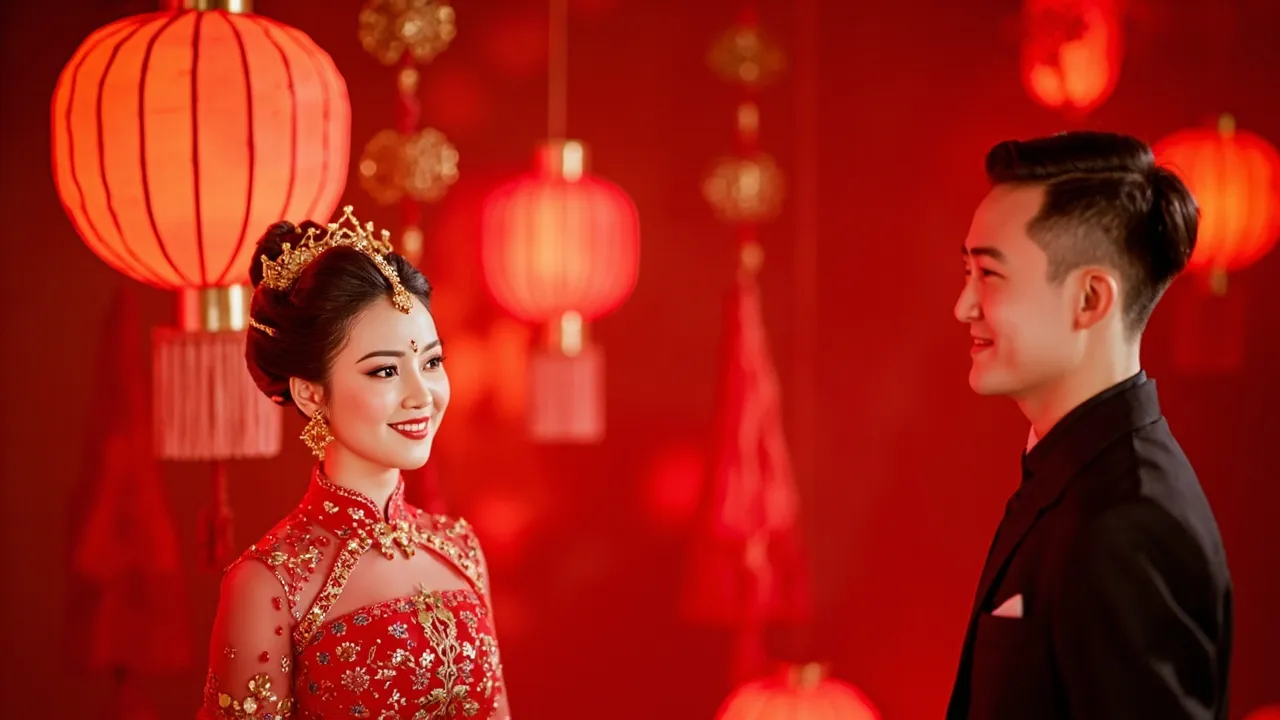
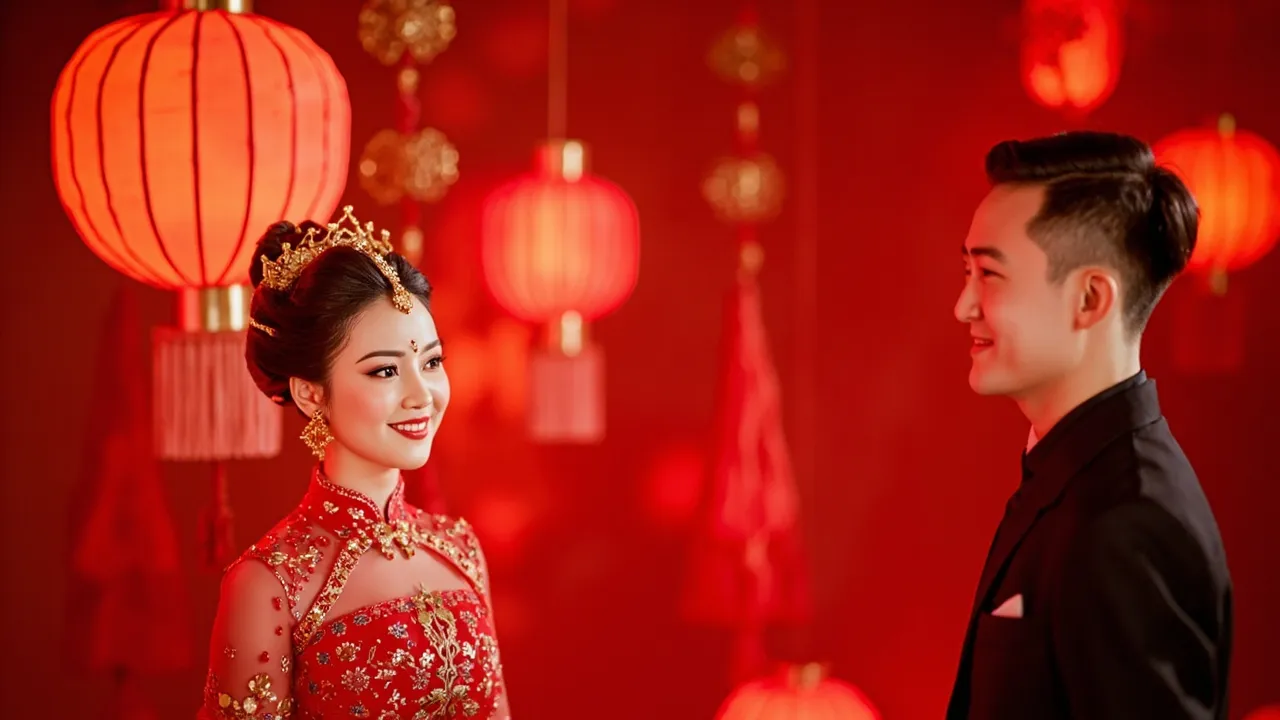
Imagine walking into a venue decorated from floor to ceiling in shades of red and gold. The air smells of incense and fresh flowers. Loud drums and cymbals announce the arrival of the bride, draped in an elaborate embroidered gown. Around you, relatives clap and cheer while elders nod approvingly at the properly observed customs. This isn’t a scene from a period drama—it’s a real traditional Chinese wedding, and the rituals you’ll witness have been perfected over thousands of years.
Chinese weddings are far more than two people promising to love each other. They’re a joining of families, a honoring of ancestors, and a celebration that draws in every relative, neighbor, and friend who matters. The customs might seem complex at first glance, but each ritual carries deep meaning—wishes for fertility, prosperity, happiness, and harmony. Let’s walk through what makes these weddings so special, from the days before the ceremony all the way through the reception.
Pre-Wedding Rituals
The celebrations actually begin long before the wedding day itself. Chinese families take the pre-wedding preparations seriously, and for good reason—these customs are designed to make sure the couple and both families are truly ready for this major life change.
Matchmaking and Betrothal
In traditional Chinese culture, marriage was historically arranged by families rather than by the individuals themselves. A matchmaker would help introduce suitable families, and if both sides agreed, the couple’s horoscopes would be compared to ensure compatibility. While modern Chinese weddings rarely involve forced arrangements, many families still observe the custom of formal matchmaking as a way to honor tradition.
The formal betrothal happens when the groom’s family visits the bride’s family with gifts—traditionally tea, gold jewelry, and of course, red envelopes filled with money. This visit, called " Guo Da Li" in Mandarin, literally means “taking gifts.” It signals the groom’s family is serious about the marriage and shows respect for the bride’s family. In return, the bride’s family accepts these gifts and offers tea to the groom’s representatives, officially accepting the alliance.
Choosing an Auspicious Date
Chinese people take the wedding date very seriously. Most couples consult a fortune teller or consult a lunar calendar to pick an auspicious day. The date should be lucky for both the bride and groom, and families avoid months associated with bad luck—traditionally, the fourth lunar month is considered unlucky for weddings because the word for “four” sounds like the word for “death.”
The selected date typically falls during the autumn months, especially around the Chinese New Year period when families are already gathered and spirits are high. September and October are particularly popular, as the weather is pleasant and the harvest season symbolizes abundance.
The Bridal Preparations
In the weeks before the wedding, the bride undergoes several preparations. One important ritual is the hair combing ceremony, where a married woman—often the bride’s mother or a respected female elder—combs the bride’s hair four times while reciting blessings. Each stroke represents a different wish: first for wealth and status, then for harmonious marriage, then for many sons and grandsons, and finally for a long, happy life.
The bride also prepares her trousseau—a collection of clothing, jewelry, and household items she’ll bring to her new home. Red is the dominant color, as it symbolizes good luck and joy. Family members and close friends might give gifts to help stock the new household, and these presents are displayed prominently to show the couple’s social connections.
The Door-Greeting Ceremony
On the morning of the wedding day, the groom faces one of the most entertaining challenges: getting past the bride’s door. Close female friends and relatives of the bride form a barricade, demanding red envelopes and gifts in exchange for allowing the groom to see his bride. This custom, called “zhu men” or “blocking the door,” is good-natured fun but also serves a deeper purpose—it tests the groom’s willingness to be generous and his determination to marry the bride.
Once the groom finally reaches the bride, there’s another ritual: the flower shoes. The groom must find and put on the bride’s shoes, symbolizing his willingness to care for her. In some regions, the bride is carried out of her parents’ home by her eldest brother, so her feet never touch the ground—a sign that she’s not “leaving” but rather being transferred with honor.
The Wedding Day
The main ceremony is a series of carefully choreographed rituals, each with its own significance. While modern weddings might abbreviate some of these steps, the core traditions remain meaningful to families who value their heritage.
The Procession
The wedding procession, or “jie qin,” was traditionally an impressive spectacle. The groom would travel to the bride’s home in a decorated sedan chair, accompanied by musicians, attendants carrying banners, and servants bearing gifts. Today, cars have replaced sedan chairs, but the spirit remains the same—a grand display of the groom’s family’s status and the seriousness of the occasion.
Red banners and lanterns mark the path, and firecrackers are set off to announce the arrival and ward off evil spirits. The bride, dressed in her finest, waits in her room. Before leaving her childhood home, she typically cries with her mother—a tradition called “cuo jia” or “crying into the family.” This isn’t necessarily sadness; it’s an expression of gratitude and a symbolic acknowledgment that she’s leaving one family to join another.
The Tea Ceremony
One of the most important parts of a traditional Chinese wedding is the tea ceremony, called “gong cha.” The couple serves tea to both sets of parents and elder relatives, who in turn give them red envelopes and offer blessings. This ritual officially introduces the bride to the groom’s family and marks her acceptance as a new member.
The tea is usually served in a specific order: first to the groom’s parents, then to elder relatives on both sides, and finally to other family members. The couple kneels or bows while offering tea, showing respect for their elders. In return, elders drink the tea and present the couple with gifts—traditionally red envelopes containing money or gold jewelry.
The Three Bowls
In some Chinese traditions, particularly in southern China and among overseas Chinese communities, the couple participates in a ceremony involving three bowls. These bowls contain different foods: noodles for longevity, glutinous rice balls for unity and having many children, and dried longan or lotus seeds for bearing many sons.
Each bowl carries specific wishes. The noodles represent a long and healthy life together. The rice balls—called “tang yuan” —symbolize family togetherness and the hope that the couple will have many children. The dried fruits represent fertility and the continuation of the family lineage.
Wedding Attire
The clothing choices in a traditional Chinese wedding are striking and deeply symbolic. Forget the white gown—this celebration is all about red.
The Qipao and Traditional Gowns
Modern Chinese brides often wear a traditional qipao or cheongsam—a form-fitting dress with a high collar and intricate buttons. However, for the most traditional ceremonies, brides don elaborate gowns with extensive embroidery, often taking months to craft by skilled artisans.
Red dominates the bride’s wardrobe because it symbolizes joy, luck, and prosperity. The bride might change into multiple outfits throughout the day—several qipaos for different parts of the ceremony, plus a western-style gown for the reception if the couple wants to incorporate both traditions. Each outfit represents a different aspect of the celebration.
The Dragon and Phoenix Gown
For the most formal parts of the ceremony, many brides wear a dragon and phoenix gown, called “longfeng gua.” This spectacular garment features elaborate embroidery depicting a dragon and phoenix—symbols of the emperor and empress, representing the union of yin and yang, masculine and feminine energies. The phoenix is often more prominent, as it represents the bride, while the dragon symbolizes the groom.
These gowns can take hundreds of hours to create and feature gold threadwork on rich red silk. In some families, this gown is passed down through generations, making it a tangible link between the past and present.
The Groom’s Attire
The groom typically wears a traditional long robe called a “chang pao” or a formal western suit—depending on the couple’s preferences and how traditional the family is. If wearing traditional clothing, the groom might coordinate with the bride’s colors, often in dark blue or black with red accents. In some traditions, the groom also wears a special cap or hat, sometimes decorated with tassels.
The Double Happiness Symbol
You’ll see the Chinese character for double happiness—囍—everywhere at a Chinese wedding. This symbol, which is simply two happiness characters placed side by side, represents the joy of the married couple and is considered essential wedding decoration. It appears on the wedding invitations, the decorations at both families’ homes, the couple’s bedding, and even on the food served at the reception.
Reception and Celebration
The wedding reception in Chinese culture is a grand affair—much more than a simple dinner. It’s a statement about the families’ status, a chance to honor relationships, and a community celebration that can involve hundreds of guests.
The Wedding Banquet
Chinese wedding banquets are famous for their scale and elaborate courses. Unlike western receptions where guests might receive a plate of chicken and vegetables, Chinese wedding feasts often feature ten to twelve courses, each more elaborate than the last. Dishes like whole steamed fish symbolize abundance, roasted pig represents prosperity, and abalone signifies wealth.
The seating arrangements follow strict protocols. The bride and groom sit at a head table facing the door, with the bride on the groom’s left side (from the couple’s perspective). The most honored guests—usually the eldest relatives—sit closest to the couple. Family members and friends are carefully seated according to their relationship and importance.
The Reception Program
The reception follows a fairly standard program. Guests arrive and are directed to their seats, where they find small red envelopes at each place setting—this is actually a gift from the hosts to the guests, containing a small amount of candy or chocolate, representing sweetness in the marriage. When everyone is seated, the bride and groom make a grand entrance, often to applause and firecrackers.
The couple then visits each table to toast their guests—a crucial duty that can take hours at larger weddings. Guests should finish their drink when the couple toasts them, and they might shout phrases like “zui jiu feng chang” (drink till you’re drunk and happy) to encourage the couple to drink more.
Gift-Giving
Guests at Chinese weddings give monetary gifts in red envelopes, called “hongbao.” The amount usually reflects the guest’s relationship to the couple and local customs. Close family members might give substantial amounts, while colleagues or more distant friends give smaller sums. Interestingly, the couple typically doesn’t open these envelopes at the reception—in fact, it’s considered rude to do so in front of the giver.
The money in these envelopes isn’t really for the couple to keep. Historically, it helped offset the cost of the banquet, which can be extremely expensive. While modern couples might keep the money, the tradition ensures that hosting a wedding doesn’t create financial ruin for the families.
Entertainment and Toasts
Traditional wedding entertainment often includes lion dances, drum performances, and sometimes even traditional opera. The lion dance is particularly popular because the lion symbolizes good luck and fortune, and the dance is meant to chase away evil spirits and bring happiness to the new couple.
Throughout the reception, guests make endless toasts. Elders might give speeches about the importance of family, and friends tell embarrassing stories about the couple (with good humor, of course). The atmosphere is festive and loud—quiet, reserved receptions are not the Chinese style.
Conclusion
A traditional Chinese wedding is more than a ceremony—it’s a living expression of thousands of years of cultural values. Every red envelope, every bow, every drumbeat carries meaning. These rituals honor ancestors, strengthen family bonds, and express hopes for the couple’s future.
What strikes most Western observers is how thoroughly the community participates. In American weddings, the focus often centers on the couple themselves. In Chinese weddings, the emphasis is equally on the families joining together, the community witnessing the union, and the continuation of traditions passed down through generations.
Whether you attend a traditional Chinese wedding as a guest or simply learn about the customs from afar, you’ll discover a rich tapestry of meaning woven into every step. The colors, the food, the music, the rituals—all tell the story of two people, two families, and a culture that has celebrated love and commitment in meaningful ways for centuries.
So the next time you hear those drums announcing a bride’s arrival, you’ll know you’re witnessing something far more profound than a party. You’re seeing a tradition that has shaped and been shaped by countless families, each adding their own chapter to an ancient but ever-living story.