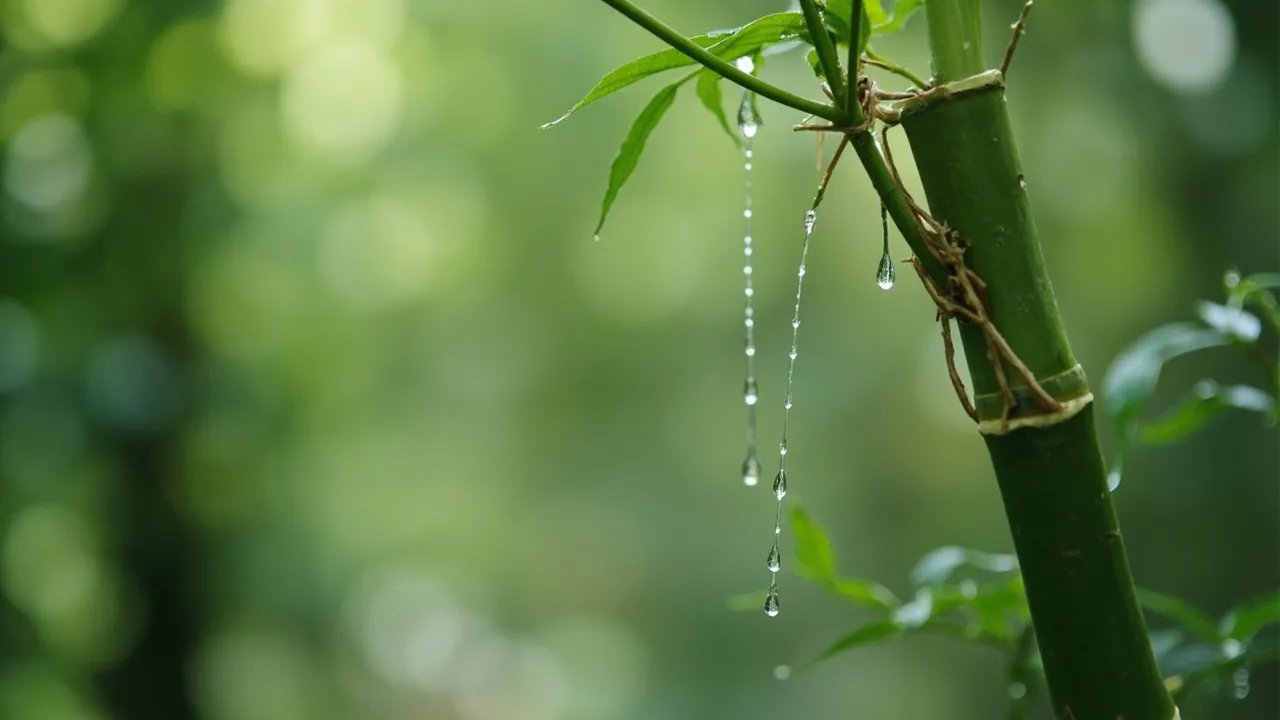
There’s something magical about the moment when day and night agree to be the same length. For one brief moment each year, the world holds its breath in perfect balance. In China, this moment has a name: Chunfen (春分), the Spring Equinox. It’s the fourth of the 24 solar terms in the traditional Chinese calendar, and it’s celebrated as a day when heaven and earth, light and dark, find their equilibrium.
If you’ve never heard of Chunfen, you’re not alone. This ancient concept doesn’t get much attention in Western culture, but it carries wisdom that feels surprisingly relevant today — especially when it comes to health and wellness. So let’s explore what makes this day special, how people celebrate it, and what health lessons we can steal from this centuries-old tradition.
What is the Spring Equinox?
The word “Chunfen” literally means “spring division” or “spring equinox” in Chinese. Chun (春) means spring, and fen (分) means to divide or split — but in this context, it’s about balance. The Spring Equinox marks the exact moment when the sun crosses the celestial equator, moving from the Southern Hemisphere to the Northern Hemisphere. This astronomical event usually happens around March 20th or 21st each year.
For people in the Northern Hemisphere, Chunfen signals the true arrival of spring. The days start getting longer, temperatures climb, and the natural world begins to wake up from its winter sleep. But what makes Chunfen special isn’t just the change in weather — it’s the symbol it carries.
In Chinese philosophy, balance is everything. The ancient Chinese saw the equinox as a powerful symbol of harmony — not just between day and night, but between all opposing forces in the universe. Yin and yang, hot and cold, male and female — the Spring Equinox reminds us that these forces are never truly separate. They’re always dancing together, each giving way to the other in an endless cycle.
This idea shapes how Chunfen is understood and celebrated. It’s not just an astronomical marker; it’s a reminder to look for balance in our own lives. After months of cold, dark winter days, the return of equal day and night feels like the world hitting reset. And in traditional Chinese culture, that reset is worth honoring.
When is Chunfen 2026?
This year, Chunfen falls on March 20, 2026. The exact moment of the equinox — when the sun sits directly above the equator — happens at a precise point in time, but the celebration traditionally spans the entire day. In the Chinese lunar calendar, Chunfen marks the midpoint of the spring season, which runs from the first solar term (Lichun, or Beginning of Spring) to the next major seasonal marker (Lixia, or Beginning of Summer).
Traditional Customs
Chunfen isn’t just an abstract concept in China — it’s a day packed with customs and traditions that have been passed down for generations. These practices reflect the values of balance, harmony, and renewal that the day symbolizes.
Egg Balancing
One of the most popular Chunfen traditions is the custom of standing eggs upright on the equinox day. The belief is that on this day, when day and night are perfectly balanced, it’s easier to balance an egg on its end. This might sound like superstition, but it’s actually a tradition that has spread worldwide — you’ve probably seen videos of people attempting to balance eggs during the Spring Equinox.
There’s no real scientific reason why an egg would be easier to balance on the equinox (gravity works the same way regardless of the date), but the tradition carries a deeper meaning. It serves as a playful reminder of the day’s theme: balance. Families and friends gather together, each person trying to balance an egg, and laughter fills the air regardless of whether anyone succeeds. The point isn’t really about the egg — it’s about coming together and celebrating the wonder of nature.
Flying Kites
Spring is kite season in China, and Chunfen is a particularly popular day for flying kites. The gentle spring breeze makes this the perfect activity, and families head to parks and open fields to watch their kites dance against the sky. In some regions, people write wishes or prayers on their kites and release them, believing that the wind will carry their hopes to the heavens.
This custom connects to the idea of renewal. Just as the kite rises into the sky, people feel a sense of lifting their spirits after the gloom of winter. It’s a day of joy and possibility, and the kites floating overhead are a beautiful visual reminder of new beginnings.
Eating Spring Vegetables
Food is central to most Chinese celebrations, and Chunfen is no exception. The Spring Equinox marks the beginning of the season when fresh vegetables become abundant again after winter. People celebrate by eating dishes made with spring greens — tender bamboo shoots, fresh peas, young lettuce, and other seasonal produce.
These foods aren’t just delicious — they’re considered health-promoting in traditional Chinese medicine. After a winter of heavier, warming foods, the body craves lighter, cooling foods that match the warming weather. Spring vegetables provide exactly that, while also delivering fresh vitamins and minerals after months of stored produce.
Visiting Ancestors
In some regions of China, Chunfen is a day for families to visit the graves of their ancestors. This practice, called “spring sweeping” (踏青, taqing), combines honoring the dead with enjoying the renewal of nature. Families bring food and incense to ancestral graves, tidying the area and paying their respects. After the ceremony, they often have a picnic in the nearby countryside, soaking in the beauty of the spring season.
This custom reflects the Chinese value of respecting one’s roots while also embracing the present. It’s a day of connection — to nature, to family, and to the cycle of life that continues with each spring.
Health Tips for Chunfen
Beyond its cultural significance, Chunfen offers practical wisdom for staying healthy as winter turns to spring. Traditional Chinese medicine (TCM) places great importance on aligning our habits with the seasons, and the Spring Equinox is a natural checkpoint for adjusting our routines. Here are some health tips inspired by this ancient tradition.
Embrace Light, Nutritious Foods
Winter calls for hearty, warming foods — soups, stews, roasted meats. But as spring arrives, your plate should shift toward lighter options. In TCM philosophy, the body naturally transitions from needing warming foods to needing cooling, refreshing foods as the weather warms.
Spring vegetables are perfect for this transition. Try adding fresh greens like spinach, lettuce, and bok choy to your meals. Bamboo shoots, asparagus, and snow peas are also excellent choices. These foods help clear the body’s internal heat (a TCM concept related to inflammation and toxicity) while providing essential nutrients after the nutrient-sparse winter months.
If you’re new to cooking with Asian greens, start simple. A quick stir-fry with garlic, a light soy sauce, and a splash of sesame oil can make any spring vegetable delicious. The goal isn’t to overhaul your entire diet overnight — it’s to gradually introduce more fresh, seasonal produce as the days get longer.
Get Outside and Move
After months of cold weather keeping people indoors, spring is the time to reconnect with the outdoors. Traditional Chinese health practices emphasize that humans are part of nature, and spending time outside helps align our internal rhythms with the natural world.
Chunfen is the perfect day for a walk, a hike, or simply sitting in a park. The moderate temperatures and gentle sunshine make outdoor activity comfortable and enjoyable. In TCM terms, movement helps circulate the body’s qi (vital energy), which can become stagnant during the cold, sedentary winter months. Even a 20-minute walk in nature can make a noticeable difference in how you feel.
Balance Your Sleep
The changing seasons can affect your sleep patterns, and Chunfen is a good time to assess and adjust your rest habits. As daylight hours increase, your body naturally wants to be awake longer and sleep less. Rather than fighting this impulse, work with it.
Try going to bed slightly earlier than you did in winter, but also waking with the sunrise when possible. Creating a sleep routine that aligns with natural light cycles can improve your energy levels and mood. If you’ve been struggling with sleep during the winter months, the arrival of spring — with its longer days and abundant natural light — often brings improvement. Embrace it by establishing consistent sleep and wake times.
Protect Your Liver
In traditional Chinese medicine, spring is the season associated with the liver. The liver is believed to govern the smooth flow of qi throughout the body, and spring is the time to support this organ through lifestyle choices.
One way to care for your liver is through diet — reducing alcohol consumption, limiting processed foods, and eating plenty of leafy greens. Another is through emotional balance. The liver is closely linked to anger in TCM philosophy, and holding onto frustration or resentment can disrupt its function. Spring is a good time to practice letting go of negative emotions and cultivating a sense of inner peace.
Simple practices like deep breathing, gentle stretching, or meditation can support liver health by reducing stress and promoting the smooth flow of qi. You don’t need to adopt an elaborate wellness routine — even a few minutes of mindful breathing each day can make a difference.
Stay Hydrated
As temperatures rise, your body needs more water to function properly. Winter air may be dry, but summer heat brings its own hydration challenges. Starting good hydration habits in spring prepares your body for the warmer months ahead.
Aim to drink water consistently throughout the day rather than waiting until you feel thirsty. Adding lemon, cucumber, or fresh mint can make plain water more appealing. In TCM, warm water is often preferred over cold, as extreme cold is believed to shock the digestive system. Room-temperature water or warm herbal teas are excellent choices for supporting digestion and hydration.
Dress in Layers
Spring weather can be unpredictable — warm and sunny one moment, cool and blustery the next. This changeability reflects the transitional nature of the season. In Chinese medicine, this is a time when the body’s defenses (wei qi) are still adjusting to the changing environment, making it more vulnerable to external pathogens.
The practical advice? Dress in layers. A light jacket or cardigan that you can remove and put back on as temperatures shift will serve you well. Pay particular attention to protecting your neck and upper back, areas considered vulnerable to wind and cold in TCM theory. A scarf isn’t just a fashion statement — it’s a practical health tool.
Conclusion
Chunfen reminds us that balance isn’t a one-time achievement — it’s an ongoing practice. Each year, the Spring Equinox offers us a chance to reflect on where we might be out of harmony and make adjustments. Whether it’s our diet, our sleep, our emotional state, or our connection to nature, this ancient tradition encourages us to pay attention and make conscious choices.
The beauty of Chunfen is that it doesn’t demand anything elaborate. You don’t need special equipment or complicated rituals. Stand an egg if you want to (or don’t). Fly a kite if the opportunity arises. Eat a few more vegetables. Take a walk outside. These simple acts, rooted in centuries of tradition, are the real essence of the day.
As we welcome spring in the Northern Hemisphere, let the平衡 (pingheng) — the balance — of Chunfen inspire you. The world is tilting toward longer days and warmer skies. Take a moment to appreciate that perfect equilibrium, and carry a little of that harmony into your own life.
Have you ever tried the egg-balancing tradition? Share your experience in the comments below! And if you’re interested in learning more about the 24 Chinese solar terms, stay tuned — we’ll be exploring more throughout the year.