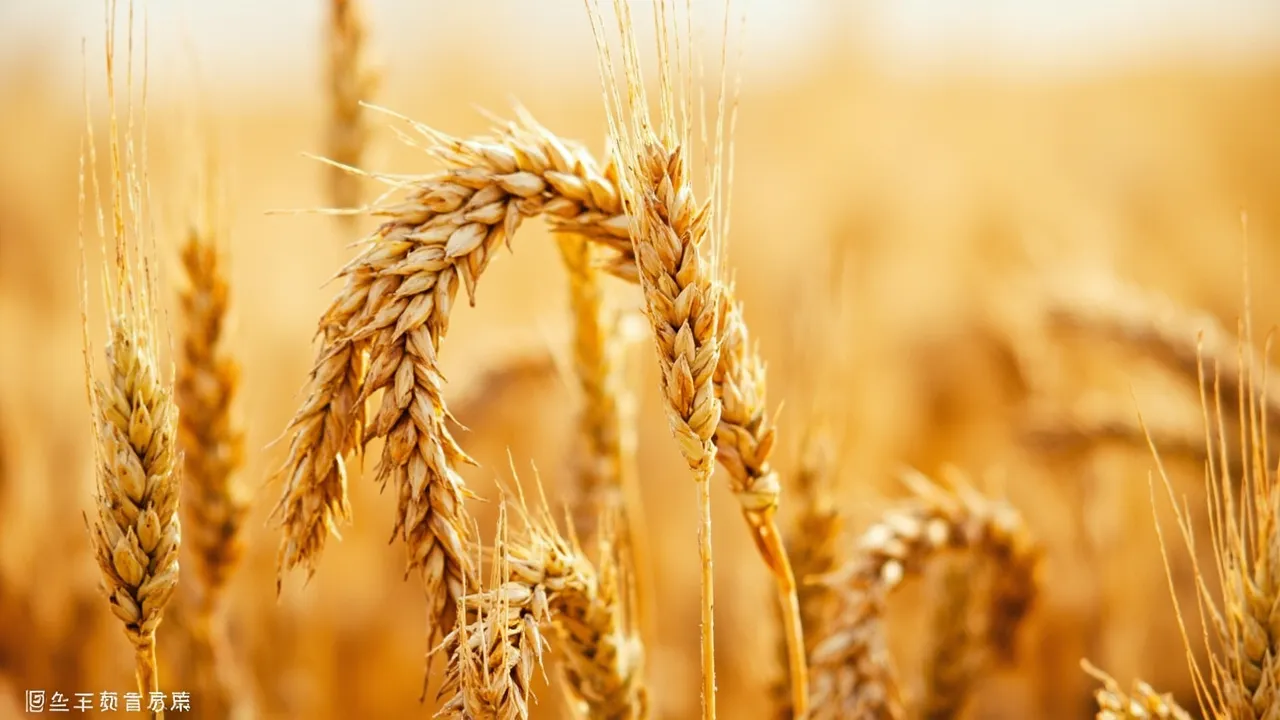
Dashu: The Hottest Days of the Year
If you’ve ever wondered how people in China survive the peak of summer, there’s an ancient system that still guides millions of people through these scorching months. It’s called Dashu, or Major Heat, and it’s one of the most fascinating solar terms in the Chinese calendar.
Dashu marks the hottest period of the entire year. While the Western calendar tells us that summer runs from June 21 to September 22, the Chinese have a much more nuanced view of the seasons. They’ve divided the year into 24 solar terms, each lasting about 15 days, based on the sun’s position and natural phenomena. Dashu is the twelfth of these terms, falling right around July 22nd each year, and it’s when the heat really turns up.
The Meaning of Major Heat
The Chinese character for Dashu is 大暑, where “大” means “big” or “major” and “暑” means “heat” or “summer heat.” This isn’t just any hot day we’re talking about. This is the big heat—the peak of summer, when temperatures soar across China and life literally slows down to escape the blazing sun.
But here’s what makes Dashu really interesting: it coincides with what’s called the “sanfu” days, or the “dog days” of summer. In the Chinese lunar calendar, sanfu refers to three periods of 10 days each, totaling 30 days, when the heat reaches its absolute peak. The old saying goes, “Minor Heat isn’t really hot, but Major Heat is the real dog days.” This is when the sun feels like it’s bearing down with all its might, and the air gets so thick and heavy that even the cicadas seem to stop singing.
From the perspective of Traditional Chinese Medicine (TCM), Dashu represents something profound about the body’s relationship with nature. This is the time when “暑、湿、热” (heat, dampness, and summer heat) all combine together. These three “evils” as the Chinese call them, can drain your energy, dry out your fluids, and throw your internal organs out of balance. The goal during Dashu isn’t just to cool down—it’s to work with your body’s natural rhythms to stay healthy despite the extreme conditions.
The interesting thing is that Dashu also marks a turning point. Even though it’s the hottest time, it’s also when theYang energy— that active, warming, expansive force in Chinese philosophy—starts to decline. The ancient Chinese saw this as nature’s way of preparing for autumn. So in a way, Dashu is both the climax of summer heat and the beginning of its gradual retreat.
Traditional Customs
Across China, people have developed all kinds of ways to cope with Dashu, and these traditions reveal a lot about how Chinese culture thinks about health, community, and the seasons.
One of the most widespread customs is drinking herbal teas specifically designed for this time of year. These aren’t your typical English breakfast teas—they’re carefully crafted blends meant to cool the body from the inside out. Popular choices include bitter melon tea (苦瓜茶), which sounds exactly as unpleasant as it tastes but is beloved for its cooling properties, and chrysanthemum tea (菊花茶), a floral, gentle drink that helps clear summer heat. Many families prepare these teas in large batches and keep them in the fridge, drinking them throughout the day to stay refreshed.
Then there’s the food. The Chinese have always believed that you are what you eat, and during Dashu, the kitchen becomes a battleground against the heat. Cold foods are avoided not because they’re unhealthy, but because in TCM thinking, they can shock the digestive system when your body is already dealing with so much internal heat. Instead, people eat foods that are “cool” in the energetic sense—bitter melon, winter melon, mung beans, lotus root, and water spinach are all summer staples. Even ice cream is approached with caution; while it’s certainly enjoyed, many people prefer to eat it slowly rather than chugging ice-cold drinks.
In some regions, there’s a tradition of eating turtle soup during Dashu. Turtles in TCM are considered extremely nourishing and yin-enhancing, helping to counterbalance all that excessive summer yang. Duck is another popular choice—specifically, a certain type of duck called “laoya” (老鸭) or old duck, which is believed to be especially effective at clearing summer heat. Families will often make hearty soups with these ingredients, sharing them with neighbors and relatives as a way of building community during a difficult season.
One particularly charming custom involves children. In some parts of China, families with young children will write wishes on paper fans or hang them outside the house, hoping the wind will carry their prayers for cooler weather to the heavens. It’s a beautiful example of how even in hard times, people find ways to maintain hope and create meaning.
Health Tips for Dashu
Now here’s where this ancient wisdom becomes genuinely useful, even today. Whether you’re experiencing a brutal American summer or just want to understand how to work with your body’s natural rhythms, the health principles of Dashu are worth considering.
First, let’s talk about what TCM practitioners call “clearing summer heat and removing dampness.” The heat part is obvious—when it’s 95 degrees outside, you need strategies to cool down. But the dampness part might surprise you. Summer humidity combines with the heat to create a heavy, sticky feeling that can make you feel tired and sluggish even when you’re doing nothing. In TCM, this dampness can accumulate in your body and cause problems if you don’t address it.
One of the simplest ways to combat both is through what you drink. Mung bean soup (绿豆汤) is the classic Dashu beverage—it’s been used for centuries to clear heat and detoxify the body. You can make it at home by boiling mung beans until they burst, then adding a bit of rock sugar. Let it cool to room temperature before drinking, and you’ll have a refreshing drink that actually works with your body rather than against it.
When it comes to food, think bitter and hydrating. Bitter melon is an acquired taste, but it’s incredibly effective at cooling the body. If that’s too intense for your palate, cucumber, watermelon, and celery are all excellent choices. They’re not just water-rich—they also have that slightly bitter or neutral quality that TCM considers “cooling.”
Here’s something that might go against your instincts: avoid ice cold drinks and foods when you’re overheated. I know, after a workout in the summer heat, nothing sounds better than an ice water. But TCM practitioners would tell you that shocking your digestive system with extreme cold can weaken your “spleen qi,” which is essentially your digestive fire. Instead, drink cool (not cold) water, and let your body regulate its temperature naturally through shade, fans, and appropriate clothing.
Another important principle is nourishing the heart. In TCM, summer is associated with the heart organ, and the extreme heat of Dashu can agitation and restlessness. This is where practices like gentle movement, adequate sleep, and emotional balance become crucial. Morning and evening are the best times to be outside—avoid the midday sun when UV rays are strongest. If you exercise, do it early in the morning or after sunset when the air has cooled a bit.
Finally, pay attention to your mental state. The Chinese concept of “心静自然凉” (xin jing zi ran liang) means “coolness comes naturally to a calm heart.” This is Taoist wisdom at its most practical: when you stay emotionally centered and avoid agitation, your body handles heat much better. It might sound like a platitude, but there’s real physiology behind it—stress hormones raise your body temperature, so finding ways to relax genuinely helps you stay cooler.
Conclusion
Dashu teaches us something important about living in harmony with nature’s extremes. The Chinese didn’t simply endure these hot days—they developed an entire system of understanding and responding to them, one that considers not just physical comfort but emotional and spiritual balance too.
Whether or not you adopt every practice from TCM, there’s value in this holistic approach. Stay hydrated with cooling foods and beverages. Protect yourself from the sun’s most intense hours. Keep your body moving gently, and your mind calm. And remember that even as Dashu brings the hottest days of the year, it’s also the signal that autumn is on its way—the cycles continue, and so do we.
So the next time you’re struggling through a sweltering summer day, think of the Chinese facing the same challenge thousands of years ago, brewing their mung bean soup and finding their shade, and take a moment to appreciate how much wisdom has survived into our modern lives.