Daxue (Major Snow): Building Winter Immunity Through Traditional Chinese Wisdom
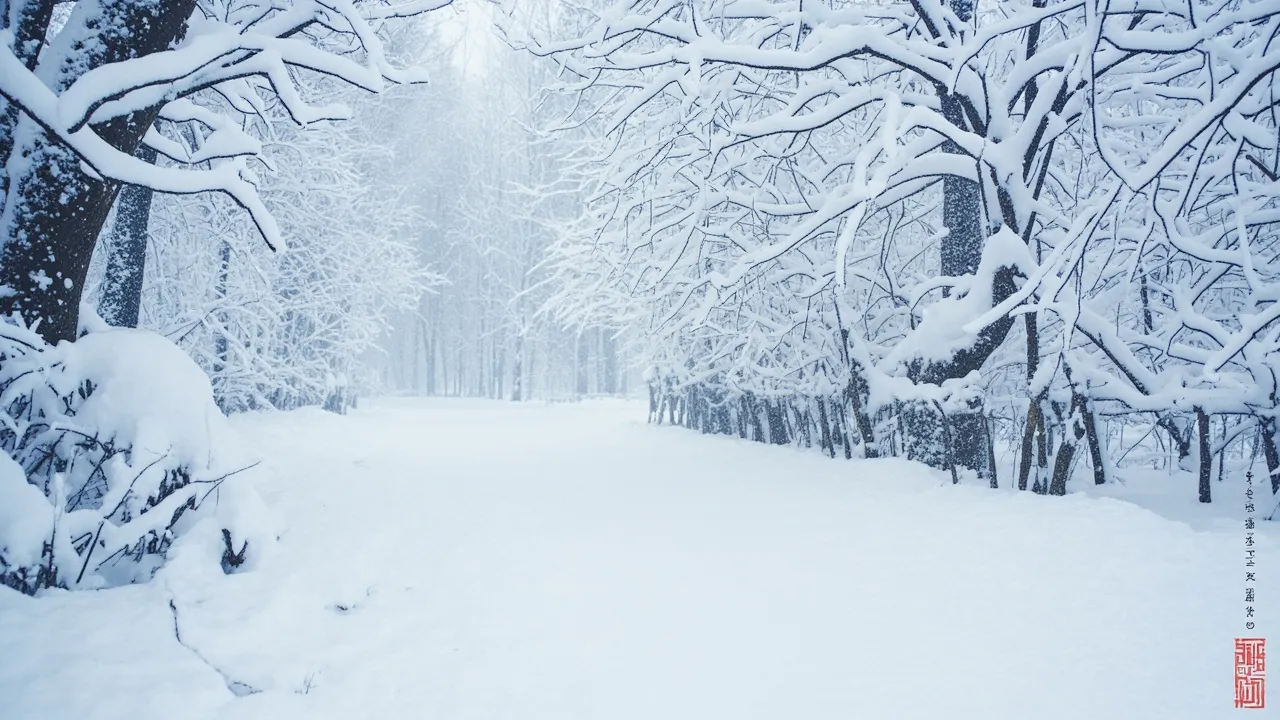
The world transforms. Snow blankets the landscape in thick, white drifts, and the air turns sharp and cold. This is Daxue—the Major Snow solar term—arriving with full winter force around December 7th each year. While its counterpart Xiaoxue brought gentle flurries and tentative beginnings, Daxue announces winter’s true arrival with conviction and depth.
For centuries, Chinese communities have marked this moment in their agricultural and wellness calendars. Daxue represents not just a meteorological milestone but a philosophical one as well—the point at which winter truly establishes its dominion, and when human beings must gather their inner resources to match the season’s intensity.
Understanding Daxue: The Deep Winter Arrives
Daxue, literally meaning “Great Snow” or “Major Snow,” marks the solar term when snowfall becomes significant and consistent across much of China. Unlike the light dusting of Xiaoxue, Daxue brings the kind of heavy snowfall that transforms landscapes, blocks roads, and signals the true onset of winter’s severity.
Astronomically, Daxue occurs when the sun reaches 255 degrees longitude. This positioning places us firmly in the depths of winter, with the shortest days of the year approaching rapidly. In many parts of China, temperatures plummet below freezing, and the cold becomes a constant companion rather than an occasional visitor.
The agricultural implications of Daxue are profound. Snow cover, while creating challenges for travel and daily life, actually protects winter wheat and other crops from extreme cold. The insulating effect of snow prevents the ground from freezing too deeply and provides vital moisture as it slowly melts in spring. Traditional farmers understood this paradox—that the harshness of Daxue is ultimately benevolent for the next year’s harvest.
From the perspective of Traditional Chinese Medicine, Daxue represents the fullest expression of winter’s yin energy. While Xiaoxue began the transition, Daxue completes it. The body’s yang energy is now at its annual lowest point, making this a critical time for immune function and overall vitality. The ancient Chinese recognized that the deep cold of Daxue could either strengthen or weaken the body, depending on how one responded to it.
The character for da (大) means “big” or “great,” while xue (雪) means “snow.” This is winter in its fullness—not the anticipation of winter, but winter itself in all its imposing beauty.
Traditional Customs During Daxue
The customs surrounding Daxue reflect both practical necessity and cultural wisdom accumulated over millennia. These traditions offer insight into how traditional communities prepared for the most challenging part of the year.
The Salt-Making Season
In coastal regions of China, Daxue traditionally marked the height of salt-making season. The clear, cold air of Major Snow provided ideal conditions for evaporating seawater to extract salt. This practice, dating back thousands of years, recognized that the severe cold actually produced superior salt—ironic proof that the challenges of winter could yield precious resources.
Preserving and Storing
Like Xiaoxue, Daxue is a time for food preservation, but the emphasis shifts toward longer-term storage. Families would ensure their stockpiles of preserved vegetables, dried meats, and grains were adequate for the potentially long winter isolation that heavy snow might bring. The practice of making sausages and腊肉 (lacón, Chinese-style preserved pork) reaches its peak around this time.
Winter Mulberry
A particularly interesting custom involves the collection of winter mulberry (桑寄生). This parasitic plant, growing on mulberry trees, is harvested during Daxue for its medicinal properties. In TCM, it is valued for strengthening the liver and kidneys, tonifying blood, and preventing miscarriage. The timing of its harvest—during the deepest cold—reflects the TCM principle that herbs harvested in a particular season carry that season’s healing properties.
The Eating of Congee
Warm congee (rice porridge) becomes the breakfast of choice during Daxue. This easily digestible, nourishing food provides warmth and energy without overtaxing the digestive system, which TCM considers particularly vulnerable in winter. Families would prepare congee with various medicinal ingredients—ginger for warmth, red dates for blood tonification, and job’s tears for dampness elimination.
Temple Fairs and Gatherings
Despite the harsh weather, Daxue traditionally brought communities together for temple fairs and seasonal celebrations. These gatherings served important social functions, strengthening community bonds during the isolating winter months. Traditional games, performances, and shared meals created warmth that transcended the cold outside.
Building Winter Immunity: Health Tips for Daxue
The immune system faces its greatest challenge during Daxue. The combination of cold stress, reduced sunlight, and increased exposure to pathogens creates a perfect storm for illness. Yet Traditional Chinese Medicine offers a comprehensive approach to winter immunity that addresses both prevention and resilience.
Nourish the Root: Kidney and Essence Preservation
In TCM theory, winter is the season of the kidneys, and Daxue is the optimal time for strengthening this fundamental organ system. The kidneys store jing (essence), which is the foundation of all physiological function, including immune response.
Black foods are particularly beneficial for kidney nourishment during Daxue. Black beans, black sesame seeds, dark seaweed, and mulberries all possess properties that tonify the kidneys and strengthen the fundamental energy that underlies immunity. A simple daily practice of consuming a tablespoon of black sesame paste can make meaningful contributions to winter vitality.
Walnuts are another essential food for this period. Often called the “king of nuts” in Chinese medicine, walnuts specifically nourish the kidney essence and strengthen the brain. Eating 2-3 walnuts daily, either raw or lightly roasted, provides both nutritional benefits and traditional kidney support.
Bone broth deserves special mention as a Daxue dietary staple. Slow-simmered bone broth extracts minerals, collagen, and gelatin that nourish the kidneys and strengthen the sinews. Traditional recipes often include medicinal herbs like astragalus (黄芪) and goji berries (枸杞) for additional immune-supporting properties.
Strengthen the Defensive Qi
TCM recognizes a “defensive qi” (wei qi) that circulates just beneath the skin and protects the body from external pathogens. During Daxue, this defensive qi must be particularly robust to resist the cold.
Astragalus (黄芪) is perhaps the most important herb for defensive qi. Often called “huang qi” in Chinese, this herb tonifies the qi and strengthens the body’s resistance to illness. It can be added to soups, made into tea, or taken as a supplement. Modern research has confirmed that astragalus contains compounds that genuinely enhance immune function.
Ginseng (人参), particularly Asian ginseng (panax ginseng), is valued during Daxue for its ability to strengthen both qi and yang. However, ginseng is quite potent and should be used appropriately—consult with a qualified practitioner or start with very small amounts.
Reishi mushroom (灵芝) has become increasingly popular in the West, but this fungus has been valued in Chinese medicine for millennia for its immune-modulating properties. It is considered an “adaptogen” that helps the body resist various stressors, including cold.
The Power of Warmth
Maintaining physical warmth is not merely comfortable during Daxue—it is essential for immune function. When the body is cold, resources are diverted to warming vital organs, potentially compromising immune surveillance.
Moxibustion, the therapeutic use of burning mugwort, is particularly beneficial during Daxue. This warming treatment strengthens the yang energy and supports immune function. While professional treatment is ideal, simple self-care practices like applying a warming pad to the lower back (the location of the kidneys) can provide meaningful benefits.
Foot warmth deserves special attention. The feet contain numerous reflexology points connected to every organ system, and cold feet can disrupt circulation throughout the body. Wearing warm socks to bed, using foot warmers, and massaging the feet with warming oils are all valuable practices.
Ginger and cinnamon should be consumed regularly during Daxue. These warming spices can be added to food, made into tea, or used in cooking. Their warming properties are not just folk wisdom—modern research confirms that they genuinely increase body temperature and improve circulation.
Rest and Restoration
Winter is the season of rest and restoration, and Daxue especially demands this philosophical approach to living.
Early sleep is recommended during this period. The ancient Chinese practice of “early to bed, late to rise” during winter aligns with the natural decrease in yang energy. Getting adequate sleep—ideally 8-9 hours—allows the body to repair and regenerate immune cells.
Midday rest, even if brief, helps conserve energy during the darkest days. A short rest after lunch, traditionally called “yang sheng” (nourishing the yang), helps maintain vitality through the afternoon.
Reduced exertion is wisdom, not weakness. While moderate exercise remains important, the intense workouts appropriate for other seasons should be modified. The goal is to maintain circulation and mobility without depleting the body’s limited winter reserves.
Breathing Practices for Immune Defense
Certain breathing practices from the qigong tradition are particularly valuable during Daxue:
The “six healing sounds” practice, specifically the sound associated with the lungs (the syllable “ssss”), helps strengthen respiratory immunity. This gentle practice can be done for 5-10 minutes daily.
Deep abdominal breathing stimulates the diaphragm and massages the internal organs, improving circulation and lymphatic flow. This practice is best done lying down or in a comfortable seated position, with emphasis on slow, complete breaths.
Emotional Immunity
The immune system is intimately connected to emotional health, and winter can bring emotional challenges. The reduced daylight, social isolation, and general difficulty of the season can stress the nervous system and indirectly compromise immunity.
Maintaining social connections becomes especially important during Daxue. While heavy snow may limit physical gatherings, modern technology allows us to maintain important relationships. Regular contact with friends and family supports emotional resilience.
Light therapy can combat the winter blues that many people experience. Getting outside during daylight hours, even briefly, helps maintain healthy circadian rhythms and vitamin D levels.
Mindfulness practices like meditation or gentle yoga help manage stress, which directly impacts immune function. Even 10-15 minutes daily can make a meaningful difference.
Conclusion: Thriving in the Great Snow
Daxue presents us with winter in its fullness—a time of challenge, but also a time of profound opportunity for health and renewal. The traditional wisdom surrounding this solar term offers a comprehensive approach to winter wellness that addresses diet, lifestyle, environment, and emotional state.
By nourishing the kidneys, strengthening defensive qi, maintaining physical warmth, prioritizing rest, and caring for our emotional wellbeing, we can not only survive the Major Snow but emerge from it stronger than before. The challenges of deep winter test our vitality, and the careful application of traditional practices helps us pass that test with flying colors.
As the snow falls heavily outside, remember that you are participating in an ancient rhythm—a dialogue between human beings and the seasons that has been ongoing for millennia. Embrace the Great Snow with knowledge, preparation, and confidence. Let this be your healthiest winter yet.