Dongzhi (Winter Solstice): Cultivating Yang Energy on the Shortest Day
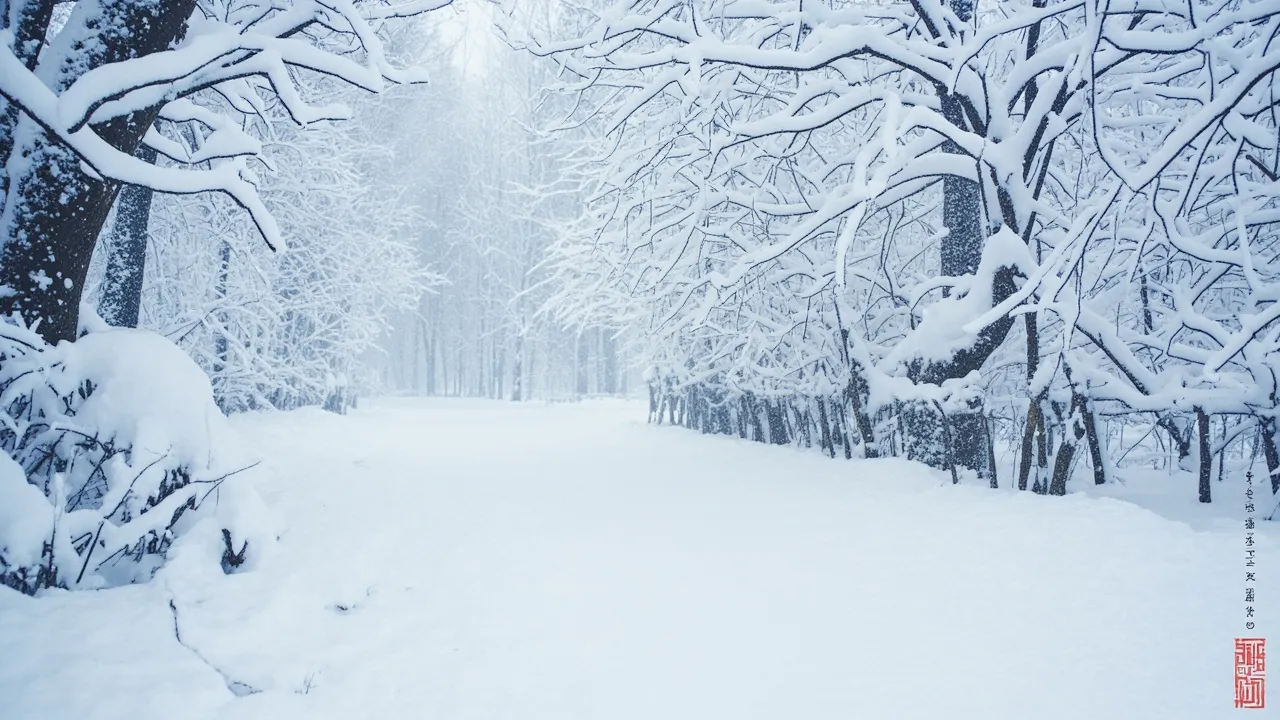
The darkest day arrives. Around December 22nd each year, the winter solstice marks the point of maximum darkness—the longest night, the shortest day. In Chinese, this moment is called Dongzhi (冬至), and it represents far more than an astronomical event. For thousands of years, Dongzhi has been recognized as a pivotal turning point, the moment when yang energy begins its slow but inexorable return to dominance.
This solar term carries profound significance in Chinese culture, philosophy, and medicine. It is a time of celebration, reflection, and intentional practice—a moment when the wisdom of seasonal living becomes especially relevant and powerful.
The Meaning of Dongzhi
The term Dongzhi translates literally as “Winter Arrival” or “Winter Extremity.” The character dong (冬) means winter, while zhi (至) means “to arrive” or “arrival.” Together, they capture the essence of this moment: winter has fully arrived, and with it, the deepest darkness of the year.
Astronomically, Dongzhi occurs when the Earth’s axial tilt is farthest from the Sun, placing the Northern Hemisphere in its most oblique relationship with our star. This results in the shortest day and longest night of the year—a phenomenon that has fascinated and frightened human cultures throughout history.
In Chinese philosophy, Dongzhi represents the maximal expression of yin—the dark, cold, passive, inward principle. But critically, it also marks the very beginning of yang’s resurgence. Just as midnight is darkest just before dawn, the winter solstice contains within it the seed of summer’s return. This philosophical understanding transforms Dongzhi from a cause for despair into a reason for hope and celebration.
The TCM (Traditional Chinese Medicine) perspective on Dongzhi emphasizes the concept of “yang cultivation” during this period. Although yang energy is at its lowest annual point, the gentle beginning of its increase makes this an ideal time for practices that support and strengthen yang. The ancient physicians recognized that working with nature’s current—even when that current seems to flow against us—produces the most powerful results.
In the calendar of twenty-four solar terms, Dongzhi falls between Daxue (Major Snow) and Xiaohan (Minor Cold). It represents a critical junction in the winter sequence, the pivot point around which the entire year turns.
Traditional Customs of Dongzhi
The customs surrounding Dongzhi are among the most elaborate and widespread of any solar term. This is a holiday of major importance in the Chinese calendar, comparable in significance to the Western Christmas or New Year.
Family Reunion Dinners
Dongzhi is traditionally a time for family gatherings, with the evening meal being particularly important. In Chinese culture, the winter solstice dinner is called “dongzhi yuan” (冬至圆), and it often features specific foods believed to bring good fortune and health.
The most iconic Dongzhi food is tangyuan (汤圆)—sweet rice balls that are boiled and served in a sweet soup. These round, glutinous balls symbolize completeness, family unity, and the returning warmth of yang. Making tangyuan together as a family is a cherished tradition that reinforces intergenerational bonds.
The Eating of Dumplings
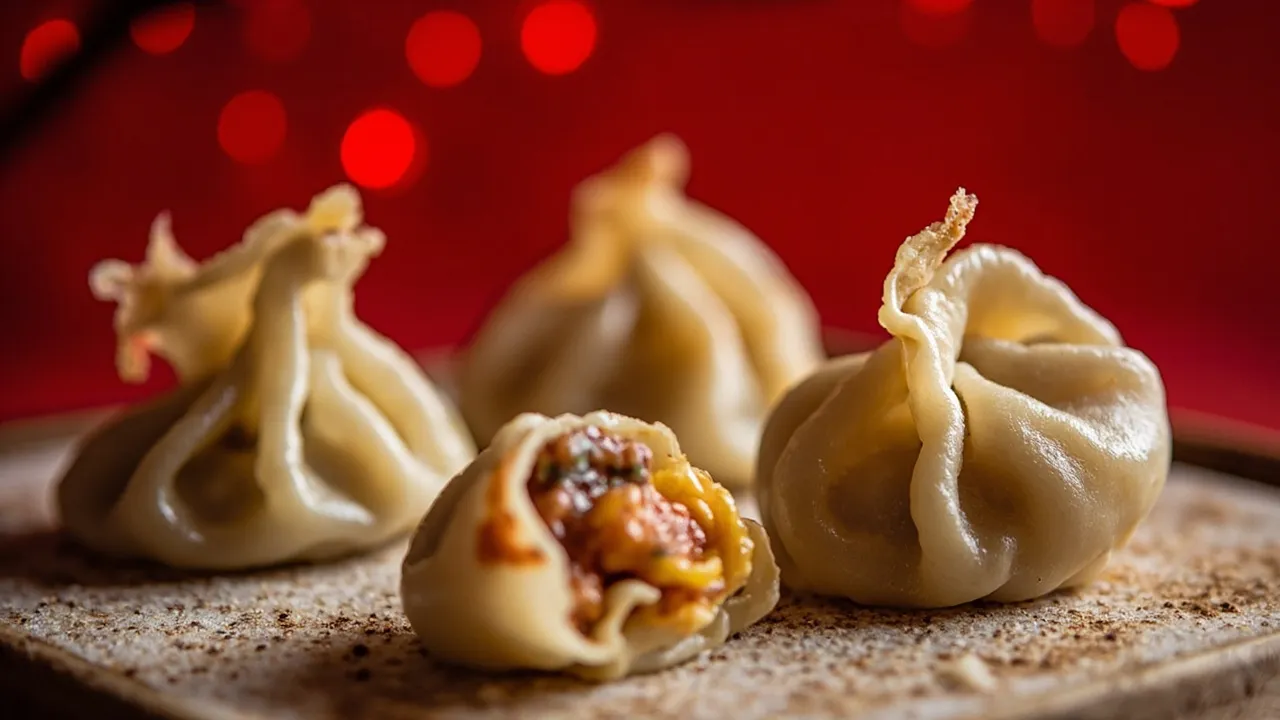
In northern China, dumplings take precedence over tangyuan for Dongzhi celebrations. The shape of dumplings is said to resemble ears, and there is a traditional saying: “Dongzhi jiaoyun, er duo bu dong” (冬至吃饺子,耳朵冻不掉)—“On Dongzhi, eat dumplings so your ears don’t freeze off.” While this is partly playful, it reflects the practical importance of staying warm during the coldest period.
Ancestor Veneration
Dongzhi is also a time for honoring ancestors. Families visit ancestral halls or gravesites to pay their respects, offering food and burning incense. This practice acknowledges the cyclical nature of life and death, and the continuing connection between generations.
The “First Winter” Traditions
In some regions, Dongzhi marks what is called “the first winter” (一九), beginning the nine nine-day periods that make up the coldest part of Chinese winter. Each nine-day period is called a “nine” (九), and the progression from 一九 (first nine) through九九 (ninth nine) charts the slow return of warmth. The saying goes: “yi jiu er jiu san jiu bing tian xia” (一九二九不出手,三九冰天下)—“In the first and second nines, hands are kept in pockets; in the third nine, the world is ice.”
Winter Counting
Children in traditional China would use a special song to count the days until spring, beginning from Dongzhi. Each nine-day period was marked, with the song predicting weather and agricultural conditions for the coming year. This tradition connects Dongzhi to agricultural planning and seasonal anticipation.
Medicinal Preparations
Dongzhi is considered an optimal time for certain herbal preparations. Herbal medicines that tonify yang, warm the meridians, and strengthen the kidneys are traditionally prepared or refreshed at this time. Many families would visit herbalists to obtain custom formulations suited to their individual constitutions.
Cultivating Yang: Health Tips for Dongzhi
The winter solstice presents a unique health opportunity. Although yang is at its lowest ebb, its imminent return means that practices supporting yang will be particularly effective. This makes Dongzhi an ideal time to begin or reinforce habits that strengthen warmth, vitality, and active energy in the body.
Sunrise Practices
One of the most powerful practices for Dongzhi is witnessing the sunrise. The winter solstice sunrise, while occurring late in the morning in most locations, carries symbolic and actual potency. The practice of facing east and doing gentle stretching or qigong at sunrise helps receive the returning yang energy.
Even for those unable to witness the exact sunrise, getting outside in the early morning light during the weeks surrounding Dongzhi provides real benefits. The morning sunlight helps regulate circadian rhythms, supports vitamin D production, and signals to the body’s systems that the dark period is beginning to pass.
Yang-Nourishing Foods
Dietary choices during Dongzhi should focus on foods that tonify yang and warm the body:
Lamb is perhaps the premier yang-nourishing food in Chinese dietary therapy. Lamb soup with ginger and green onions is a traditional Dongzhi dish that provides both warmth and deep nourishment. For those who don’t eat lamb, beef or venison can serve similar purposes.
Ginger in all forms supports yang. Fresh ginger tea, ginger-infused dishes, and ginger-preserved foods are all valuable during this period. The warming effect of ginger is immediate and noticeable, making it particularly appropriate for the coldest days.
Nutmeg and cloves are warming spices often used in traditional winter cooking. These potent aromatics can be added to soups, stews, or mulled drinks for additional yang support.
Chestnuts are a traditional Dongzhi food, valued for their warming and tonifying properties. Roasted chestnuts are not only delicious but provide minerals and energy that support winter vitality.
Congee with yang-tonifying ingredients is an excellent breakfast choice. Rice porridge cooked with small amounts of ginger, cinnamon, and dried longan fruit provides gentle, sustained warmth throughout the morning.
The Practice of Moxibustion
Moxibustion—the burning of dried mugwort (艾灸)—is particularly powerful when performed around Dongzhi. This warming treatment can be done at home with moxa sticks, or professionally at a TCM clinic.
The most important point for Dongzhi moxibustion is Zhongwan (CV12), located on the upper abdomen, about four finger-widths above the navel. This point, known as the “central sea” of qi, is particularly responsive to warming treatments. Applying gentle moxa warmth to this area for 10-15 minutes daily during the Dongzhi period strengthens the middle jiao (digestive system) and supports overall yang.
Another important point is Guanyuan (CV4), located three finger-widths below the navel. This point is closely connected to kidney yang and is a primary point for strengthening fundamental energy.
Movement Practices for Yang
While rest is important in winter, gentle movement during the Dongzhi period helps activate yang. The key is choosing practices that generate warmth without causing exhaustion:
Tai Chi is ideal for this time of year. The slow, flowing movements generate internal heat while respecting the body’s need for conservation. Even 15-20 minutes of Tai Chi practice can significantly improve circulation and warmth.
Walking remains accessible and beneficial. A daily walk, preferably during the sunniest part of the day, stimulates circulation and provides exposure to natural light.
Qigong exercises focusing on the kidneys are particularly appropriate. The “kidney rubbing” exercise—rubbing the lower back in circular motions—warms this crucial area and stimulates kidney yang. This practice can be done anytime, anywhere, and is especially valuable upon waking.
Sleep and the Art of Rest
Dongzhi emphasizes the importance of rest, but quality matters as much as quantity:
Early evening rest is beneficial during this period. The ancient recommendation was to retire with the sunset and rise with the sun, though modern schedules make this impractical. However, going to bed earlier than usual around Dongzhi supports the body’s natural rhythms.
The “yang sleep” position—lying on the back with arms and legs spread outward—supposedly helps absorb yang energy from the environment. While this may sound fanciful, it does facilitate heat dissipation from the core and can improve sleep comfort.
Afternoon rest during the longest days helps manage energy. A brief rest after lunch, particularly on the days immediately surrounding Dongzhi, helps maintain afternoon vitality.
Emotional Cultivation
The return of yang is not just a physical phenomenon but an emotional and spiritual one as well:
Cultivating hope during this time has real health benefits. The knowledge that the light is returning, even though the darkest day is at hand, supports emotional resilience. Practices like journaling about intentions for the coming year can harness this hopeful energy.
Gratitude practice is especially valuable during the holiday season, which roughly coincides with Dongzhi. Focusing on what we are grateful for supports the positive emotional state that underlies good health.
Light therapy combat the winter blues. Using a light therapy box, getting outside during daylight, or simply opening curtains to maximize natural light exposure helps maintain emotional balance during the darkest days.
The Power of the Navel
In TCM, the navel area (particularly the point Shenque, CV8) is considered a crucial area for yang cultivation. A simple practice that many find helpful is:
Navel warming—placing a warm (not hot) water bottle or heating pad over the navel for 15-20 minutes before bed. This simple practice directly warms the body’s core and can significantly improve sleep quality and warmth throughout the night.
Conclusion: Embracing the Returning Light
Dongzhi invites us to participate in one of nature’s most profound cycles—the return of light from darkness, warmth from cold, activity from dormancy. This is not merely an astronomical event but a philosophical and practical guide for living.
By understanding and working with the principles embodied in Dongzhi—yang cultivation, family connection, nourishment and rest, hopeful expectation—we can transform the longest night into a celebration of coming light. The shortest day becomes not an ending but a beginning.
As you gather with family this Dongzhi, share in the traditional foods, honor your ancestors, and look forward to the slow return of spring. Know that the practices you engage in during this period—eating warming foods, getting gentle exercise, prioritizing rest, maintaining hopeful emotions—are not just customs but profound health wisdom refined over thousands of years.
The yang is returning. Embrace it fully.