Fujian Cuisine: The Coastal Treasure of Southern China
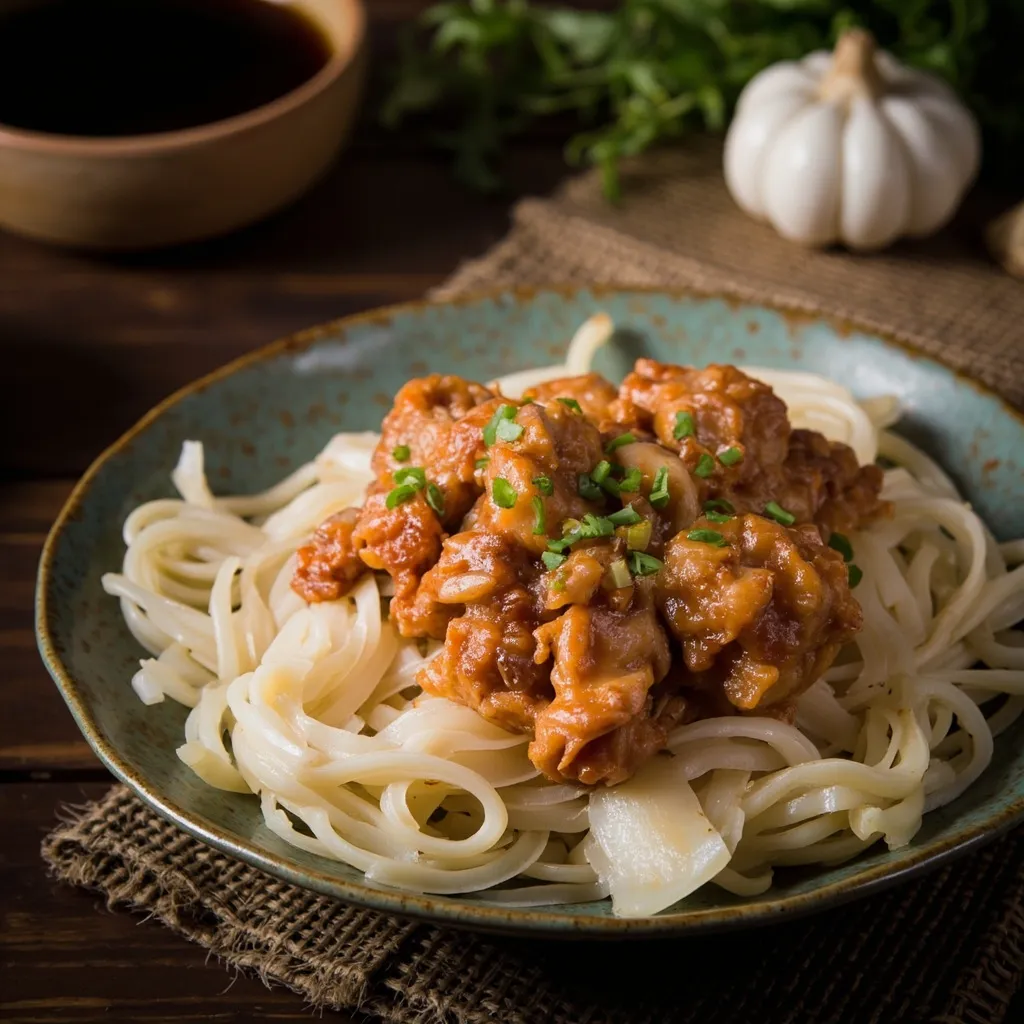
Perched on China’s southeastern coast, with the mountains rising dramatically to the west and the ocean stretching out to the east, Fujian Province has developed one of the most distinctive regional cuisines in all of China. Known as闽菜 (Mǐn cài) or Min cuisine, this coastal cooking style is famous for its emphasis on umami, its clever use of preserved and fermented ingredients, and its show-stopping dishes that have earned fame throughout the Chinese-speaking world. From the legendary “Buddha jumps over the wall” to the humble yet delicious oyster omelette, Fujian cuisine offers a journey through flavors that are unlike anything else in Chinese gastronomy.
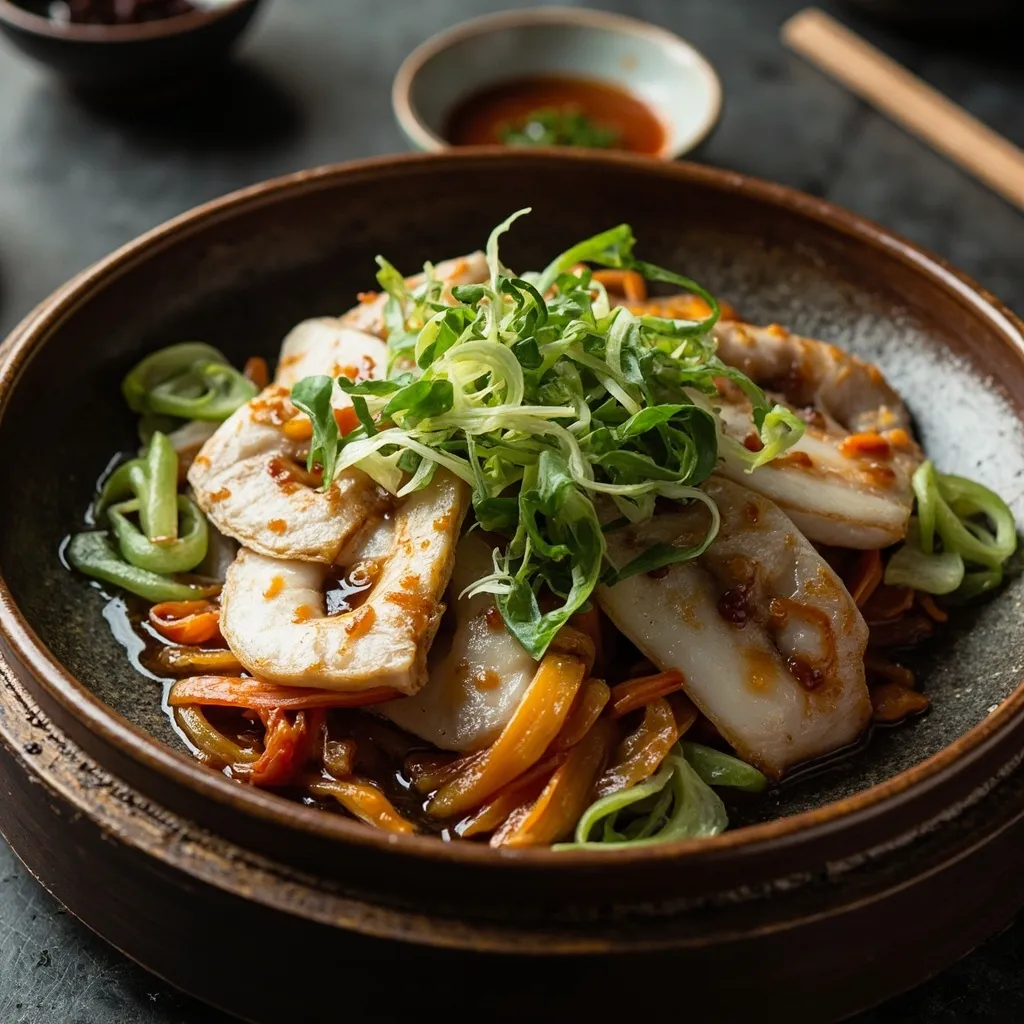
What makes Fujian cuisine special is its relationship with the sea. The province has a long coastline dotted with fishing villages and port cities, and seafood has always been central to the local diet. But Fujian cooks don’t just grill their catch or steam it simply—they’ve developed an array of techniques for building deep, complex flavors, particularly through the use of dried and preserved seafood. A handful of dried shrimp, some aged fish sauce, a few pieces of preserved mustard greens—these humble-seeming ingredients can transform a simple dish into something extraordinary, layered with umami that seems to linger on your palate long after the meal is over.
The Art of Umami: Building Depth Through Preservation
If there’s one concept that defines Fujian cuisine, it’s the pursuit of umami—that elusive fifth taste that we describe as “savory” or “meaty.” Where other Chinese regional cuisines might achieve depth through spice (Sichuan), braising (Shandong), or fresh simplicity (Cantonese), Fujian builds flavor through preservation and combination.
Dried seafood is the secret weapon of the Fujian kitchen. Dried shrimp (虾仁干, xiā rén gān), dried scallops (干贝, gān bèi), dried squid (鱿鱼干, yóu yú gān), and dried fish (鱼干, yú gān) are used extensively to add depth to soups, braises, and stir-fries. These ingredients might not look glamorous—shriveled, sun-dried, and often quite smelly when you open the package—but they pack enormous flavor punch. A small amount of rehydrated dried scallops, for example, can transform a plain chicken broth into something that tastes like it simmered for hours with the finest seafood.
Fermented ingredients are equally important. Fujian is famous for its various sauces and pastes: shrimp sauce (虾酱, xiā jiàng), oyster sauce (蚝油, háo yóu), fermented bean paste (豆瓣酱, dòu bàn jiàng), and rice wine (黄酒, huáng jiǔ). These ingredients add complexity and depth, the result of months or even years of careful fermentation. The best Fujian cooks know how to combine these elements in precise proportions, creating sauces that taste simultaneously sweet, salty, sour, and deeply savory.
The province’s history as a maritime trading hub also brought new ingredients and techniques. The port city of Quanzhou was one of the starting points of the ancient Maritime Silk Road, and over the centuries, Fujian cooks absorbed influences from Southeast Asia, Japan, and beyond. This global exchange created a cuisine that’s distinctly Chinese but with fascinating international undertones—dishes that taste like nothing else in the Middle Kingdom.
Buddha Jumps Over the Wall: The Most Famous Dish You’ve Never Tried
If there’s one dish that represents Fujian cuisine to the world, it’s Buddha Jumps Over the Wall (佛跳墙, Fó tiào qiáng). This legendary dish has a name as memorable as its taste, and the story behind it is almost as delicious as the dish itself.
The legend goes that a group of monks were passing by a restaurant in Fuzhou when the aroma of this extraordinary stew wafted out to meet them. The smell was so enticing that one monk reportedly jumped over the wall to get a closer look (and presumably a taste). The Buddha in the name refers to this monk—supposedly a vegetarian who couldn’t resist the temptation of this incredibly aromatic dish.
The reality is slightly less dramatic but no less impressive. Buddha Jumps Over the Wall is a super-luxurious stew that typically includes dozens of expensive ingredients: dried abalone, dried sea cucumber, dried scallops, fish maw, chicken, pork, duck, ham, and more, all simmered together in a rich broth for hours. The result is a dish that’s intensely flavorful—deeply savory from all the dried seafood, rich from the meat and poultry, and complex from the long, slow cooking that allows all the flavors to meld together.
Making authentic Buddha Jumps Over the Wall at home is a major undertaking. The dish requires numerous hard-to-find ingredients, many of which need to be soaked and rehydrated for days before cooking. The cooking itself takes most of a day, as the ingredients need to be added in sequence based on how long they take to become tender. The final result, though, is extraordinary—a single bowl that contains the concentrated essence of dozens of premium ingredients.
For those who want to experience the dish without the enormous expense and effort, many Chinese restaurants offer simplified versions with fewer ingredients. Even these “budget” versions give you a taste of what makes this dish so special—the incredible depth of flavor that comes from combining so many umami-rich ingredients.
Fuzhou’s Signature: The Oyster Omelette
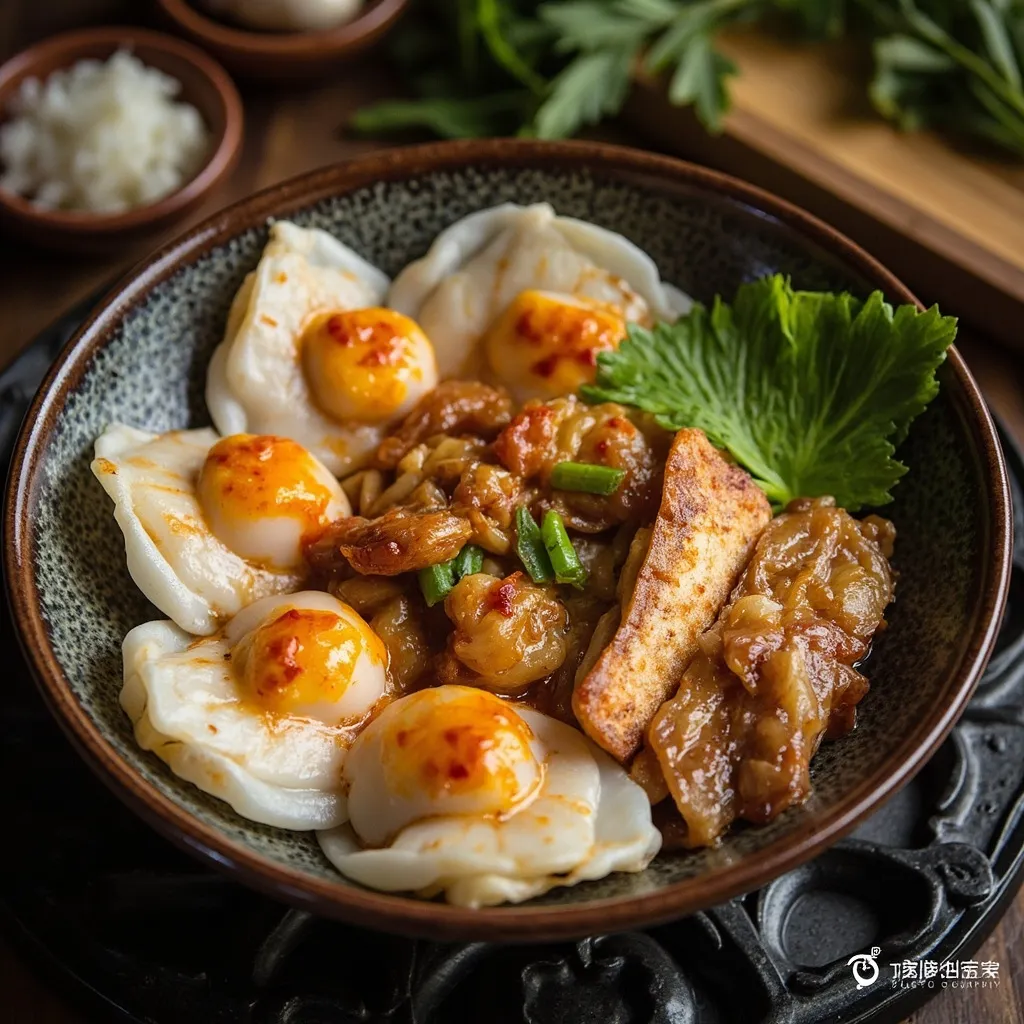
While Buddha Jumps Over the Wall is the celebrity dish of Fujian cuisine, the everyday favorite is something much more humble but equally delicious: the Oyster Omelette (蚵仔煎, ó zǎn jiān). This popular street food has spread from Fuzhou throughout Taiwan and Chinese communities worldwide, and it represents everything that’s wonderful about coastal Fujian cooking.
The basic concept is simple: fresh oysters are mixed with sweet potato starch (or another starch) and egg, then pan-fried until the outside is crispy and the inside is creamy. The sweet potato starch gives the omelette its characteristic slightly chewy texture—neither quite a pancake nor an omelette, but something uniquely delicious. The oyster provides briny, succulent bites that burst in your mouth, while the egg adds richness and helps hold everything together.
The key to a great oyster omelette is the sauce. It’s typically a sweet and tangy mixture made from Taiwanese sweet sauce (甜酱, tián jiàng), hoisin sauce, and sometimes chili sauce, which is spooned over the top. Some versions also include a drizzle of soy sauce and a sprinkle of crushed peanuts for texture. The sauce is essential—it provides the sweet-sour-spicy contrast that balances the rich, savory oysters and starch.
In Fuzhou itself, you’ll find countless small shops and street vendors specializing in oyster omelets, each with their own variation. Some add minced pork for extra richness; others include vegetables like cabbage or bean sprouts. But the core is always the same: fresh oysters, crispy-fried starch, and that irresistible sauce.
The Soups That Define Fuzhou
If there’s one element of Fujian cuisine that truly stands out, it’s the soups. Fujian soups are not afterthoughts or simple accompaniments—they’re often the centerpiece of the meal, deeply flavorful and packed with ingredients.
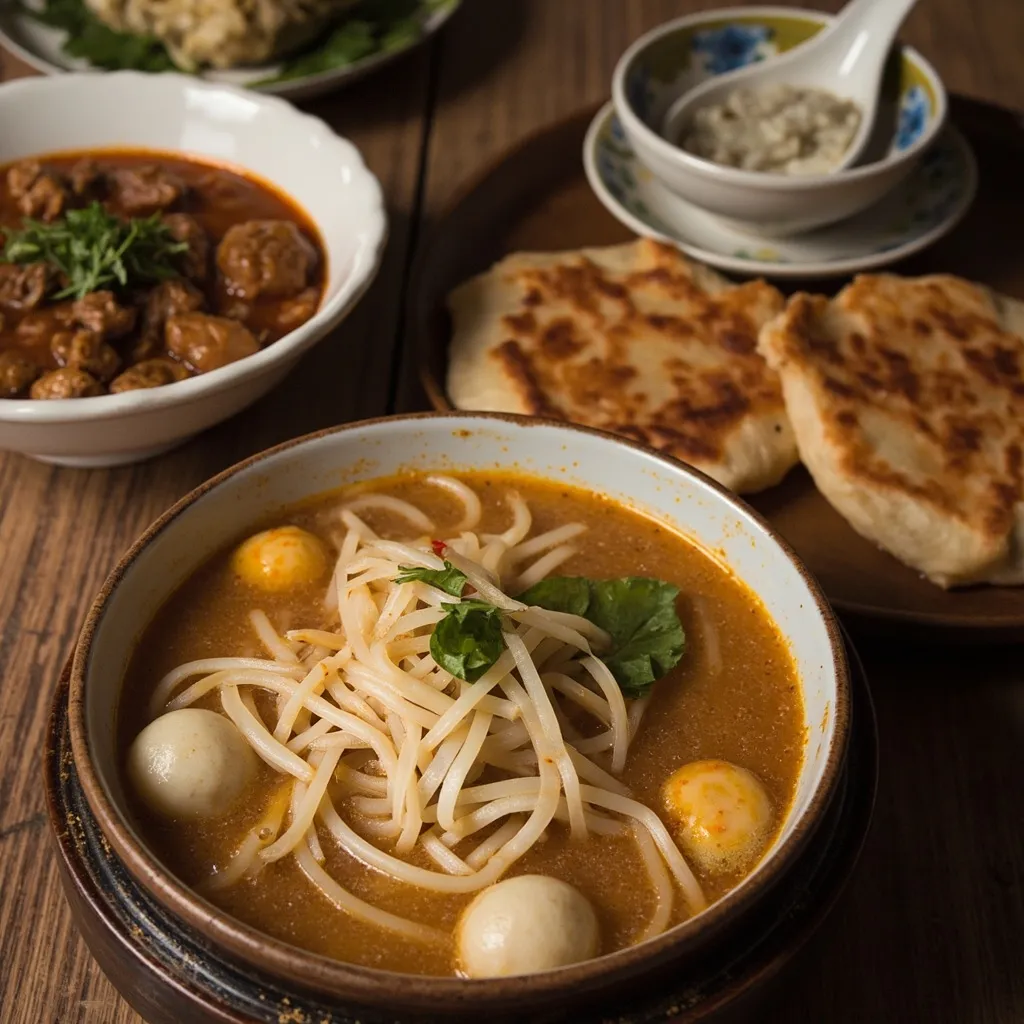
Buddha Jumps Over the Wall is technically a soup (or thick stew), but there are many more everyday options. Wontons in Soup (馄饨, hún tún) are a beloved breakfast or snack—thin wrappers filled with seasoned pork, served in a savory broth that’s often made with dried shrimp for extra umami. The broth itself is usually topped with various garnishes: chopped scallions, crispy fried onions, maybe some pickled vegetables.
Seafood Soup (海鲜汤, hǎi xiān tāng) is another staple, made with whatever is fresh that day—fish, shrimp, clams, mussels, squid—cooked quickly in a light broth. The key is using the freshest possible seafood and not overcooking it. A good seafood soup should taste like the ocean itself, clean and briny, with the natural sweetness of the seafood coming through.
For something more substantial, try Braised Pork Belly with Taro (芋头红烧肉, yù tou hóng shāo ròu). This dish combines tender pork belly with slices of taro, both braised together in a flavorful sauce until the taro becomes creamy and the pork is fall-apart tender. The taro absorbs the rich flavors of the pork sauce while adding its own subtle sweetness—a perfect example of how Fujian cuisine combines ingredients for mutual benefit.
The Southern Min Split: Fuzhou vs. Quanzhou
Fujian cuisine isn’t monolithic—it varies significantly between different parts of the province, with the two major styles being Fuzhou cuisine (福州菜) and Quanzhou cuisine (泉州菜).
Fuzhou cuisine, from the provincial capital, tends to be lighter and more focused on seafood. The cooking methods are gentler—more steaming and quick-frying, less heavy braising. Fuzhou dishes often feature “sour and sweet” (酸甜, suān tián) flavors, with a noticeable touch of sugar and vinegar that other regional cuisines don’t typically emphasize. The famous lychee pork (荔枝肉, lì zhī ròu) is a perfect example: crispy-fried pork pieces tossed in a sweet and sour sauce that tastes surprisingly like the fruit it’s named after.
Quanzhou cuisine, from the historic port city, tends to be richer and more preservation-focused. This makes sense given Quanzhou’s maritime history—the city was a major hub for trade, and its cuisine absorbed influences from Southeast Asia and beyond. Quanzhou dishes often feature more dried and preserved ingredients, stronger braised flavors, and more complex spice combinations.
Min Nan popped rice (锅边糊, guō biān hú) is a beloved Quanzhou breakfast dish. Rice batter is poured onto the edge of a hot wok (锅边, guō biān), where it crisps up into thin, lacy sheets that fall into the broth below. The resulting dish is somewhere between a soup and a porridge, with crispy bits interspersed throughout. It’s often served with various side dishes—preserved vegetables, fried tofu, braised meats—making it a complete and deeply satisfying morning meal.
Bringing Fujian Flavor Home
You don’t need to travel to Fuzhou to enjoy the flavors of Min cuisine. Many of the key ingredients are now available in Chinese grocery stores, and the techniques are accessible to home cooks willing to experiment.
Start with shrimp sauce and oyster sauce—these two condiments will instantly give your cooking a Fujian character. Add them to stir-fries, soups, and braises for instant depth. Dried shrimp are also widely available and can be rehydrated and added to dishes for that characteristic briny sweetness.
For the famous oyster omelette, look for fresh oysters at your fish market—they’re increasingly common at well-stocked seafood counters. If you can’t find them, canned oysters work in a pinch, though they’re not as good. The sweet potato starch is the other essential ingredient; look for it in Asian grocery stores, usually sold as “sweet potato starch” or “tapioca starch” (which works fine as a substitute).
The key to Fujian-style cooking is building layers of flavor. Don’t add all your seasonings at once—start with the aromatics (ginger, garlic, scallions), then add your proteins, then build your sauce with the fermented ingredients. Let everything cook together long enough for the flavors to meld. The result will taste more complex, more interesting, more quintessentially Fujian than rushed cooking ever could.
The Tea of the Mountains
Fujian is not just famous for its food—it’s also one of China’s great tea-producing provinces. The province’s mountainous interior is perfect for tea cultivation, and Fujian has given the world some of the most prized teas in existence.
Oolong tea (乌龙茶, wū lóng chá) is Fujian’s greatest contribution to the tea world. Unlike green teas (which are unoxidized) or black teas (which are fully oxidized), oolongs are partially oxidized, creating a vast spectrum of flavors ranging from light and floral to dark and roasted. Tieguanyin (铁观音), named after the Iron Goddess of Mercy, is perhaps the most famous oolong—it’s known for its floral aroma, smooth texture, and lingering sweetness.
For those who prefer something darker and more complex, Da Hong Pao (大红袍, “Big Red Robe”) is the ultimate oolong. This legendary tea comes from ancient tea bushes on the Wuyi Mountains, and genuine Da Hong Pao can cost thousands of dollars per pound. The flavor is intensely roasted—caramel, chocolate, toasty warmth—with a subtle floral undertone that emerges as you drink.
Brewing oolong properly is an art in itself. Use water around 195-205°F (90-96°C), and don’t use too much tea—a little goes a long way with these flavorful leaves. The first steep releases the lighter, more floral notes; subsequent steeps reveal deeper, roaster flavors. A quality oolong can be steeped 5-8 times, each cup different from the last.
A Taste of the Maritime South
Fujian cuisine might be the least familiar of the major Chinese regional styles to American readers, but that makes it all the more exciting to explore. Here, you’ll find flavors that don’t appear elsewhere in Chinese cooking—the distinctive sour-sweet of Fuzhou, the umami punch of dried seafood, the comforting warmth of a well-made soup.
What makes Fujian cuisine special is its connection to the sea. Every dish seems to carry a whiff of ocean, whether it’s the briny sweetness of fresh oysters, the deep savoriness of dried scallops, or the clean, clean taste of fish simply steamed. This is coastal cooking at its finest—food that tastes like the place it comes from, shaped by centuries of maritime tradition and culinary innovation.
So the next time you see an oyster omelette on a menu, or encounter a soup that seems to glow with deep, complex flavor, give it a try. You might just find that Fujian cuisine—the quiet treasure of China’s southeastern coast—is exactly the new thing your palate has been looking for.