Guyu: When Rain Feeds the Grain
If you’ve ever wondered how farmers knew exactly when to plant their crops centuries before weather apps and satellite forecasts, the answer lies in an ancient system that the Chinese have used for thousands of years. It’s called the solar terms—a calendar of 24 seasonal markers that guide everything from farming to festivals. And right around April 20th, one of the most important ones arrives: Guyu, which translates to “Grain Rain.”
This isn’t just a poetic name. Guyu marks the moment when spring rainfall becomes essential for new crops. It’s the sixth solar term in the cycle, and importantly, it’s the last one of the spring season. After Guyu, summer officially begins its approach. For anyone interested in Chinese culture, wellness, or just understanding how people lived in harmony with nature, Guyu offers a window into a wisdom that’s still relevant today.
The Meaning of Grain Rain
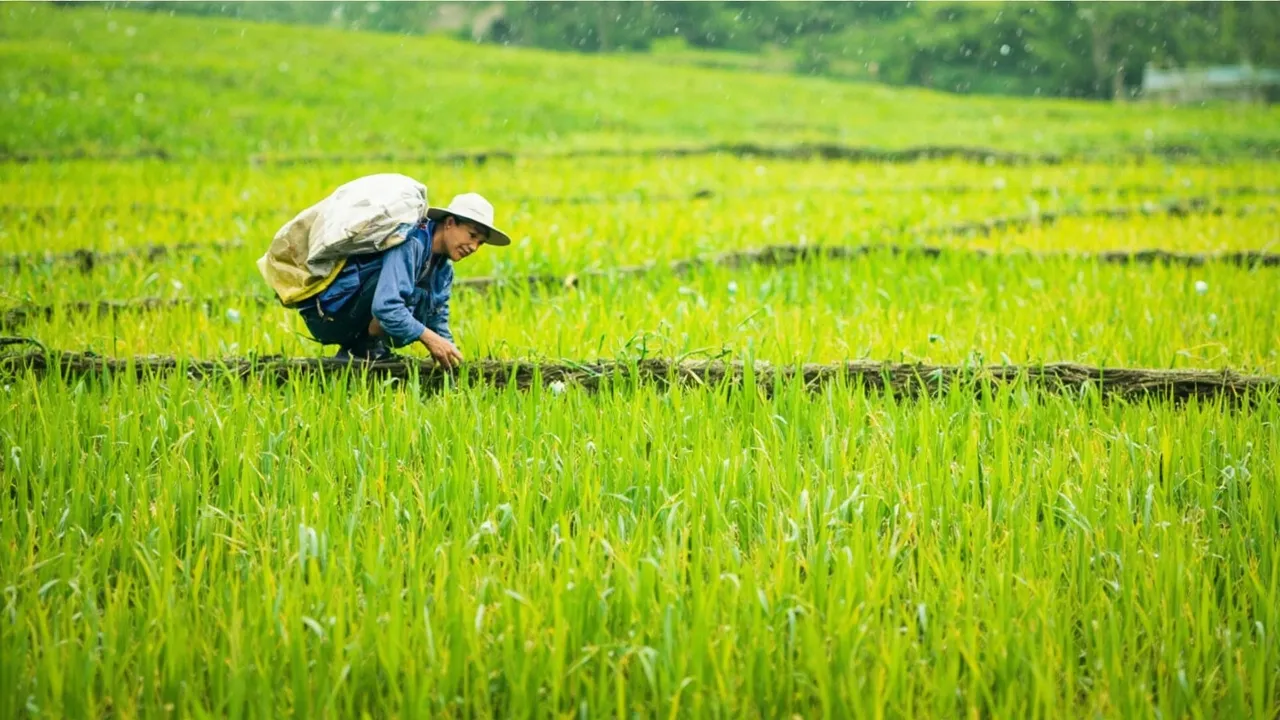
Let’s break down what makes Guyu so significant. The Chinese characters 谷雨 break down literally as “grain” (谷) and “rain” (雨)—but there’s more nuance here than meets the eye. This rain isn’t just any shower. It’s the rainfall that nourishes the young grain seedlings as they push up from the soil. Without this moisture, the spring harvest would struggle to survive.
In technical terms, Guyu typically falls between April 19th and April 21st each year. It signals a shift in the seasonal pattern: temperatures are rising, the cold winter air has fully retreated, and precipitation becomes more frequent and reliable. For an agrarian civilization like ancient China, this was make-or-break time. The farmers knew that the rains during Guyu would determine whether their fields would flourish or fail.
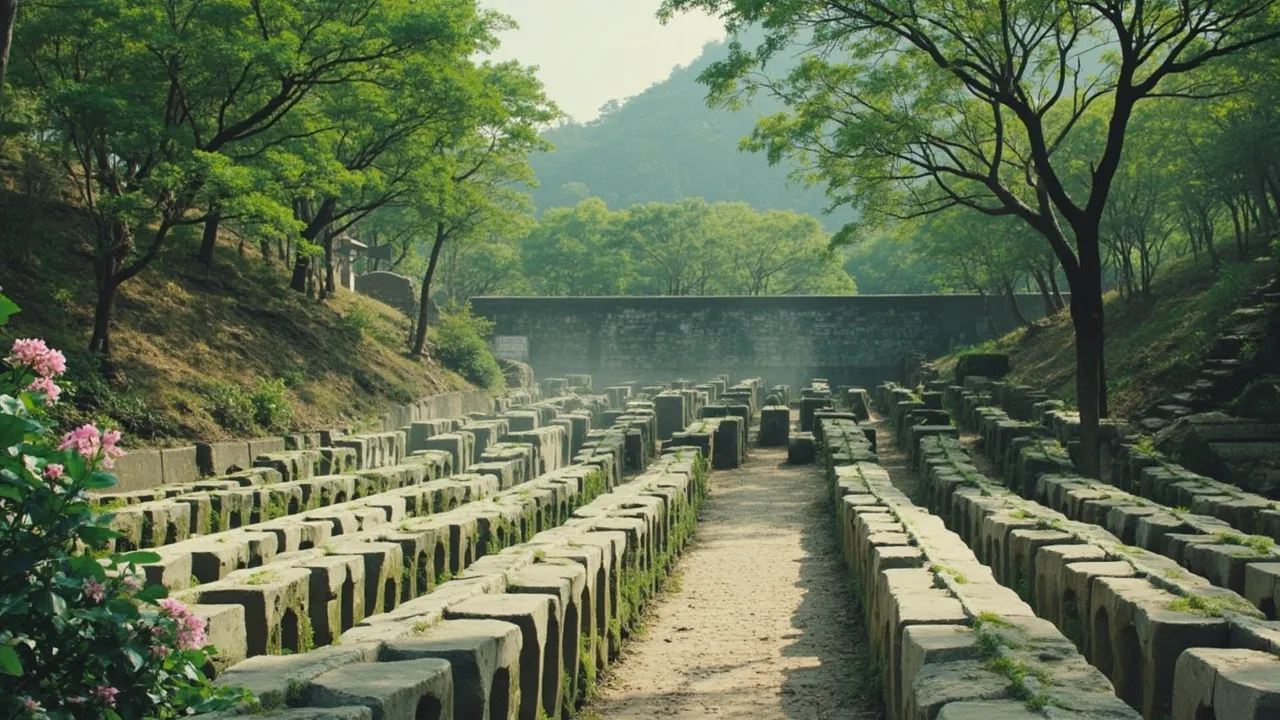
But Guyu isn’t just about agriculture. The solar terms were designed as a holistic guide for living—telling people when to plant, what to eat, how to stay healthy, and which traditions to observe. During this period, the environment transforms. Cherry blossoms reach their peak. Willow trees sway with fresh green leaves. The world feels alive with new growth. It’s a time of anticipation and renewal, a reminder that nature operates in rhythms that humans can learn to read and respect.
Traditional Customs
Guyu has accumulated a rich tapestry of customs over the centuries. Let’s explore some of the most interesting ones that you might still encounter today.
Drinking Grain Rain Tea
One of the most beloved traditions during Guyu is drinking Guyu cha—literally “Grain Rain tea.” This isn’t any ordinary cup of tea. The leaves are harvested during this specific window, and according to tradition, they’re particularly fresh and flavorful. Chinese tea connoisseurs believe that tea picked during the Grain Rain period has a unique sweetness and aroma, something about the combination of season and moisture that the leaves absorb.
If you visit China or a Chinese tea house around late April, you might hear people talking about “mid-spring tea” (二春茶). This is the same thing—tea that’s plucked during Guyu. It’s often served to guests as a way of celebrating the season. The ritual of preparing and sharing this tea connects people to the land and the rhythms of the year in a tangible, delicious way.
Eating Seasonal Vegetables
Food plays a central role in celebrating Guyu. As the temperatures warm and rains become frequent, certain vegetables come into season and become prized ingredients on the dinner table. Two particularly stand out:
Chinese toon (香椿, xiangchun) is a fragrant green that appears in early spring and is especially prized during Guyu. It has a distinctive, slightly garlicky aroma that pairs wonderfully with eggs— scrambles, omelets, or fried rice all become spring celebrations when you add this ingredient. In northern China, families will gather young toon shoots and prepare them in various dishes, preserving the taste of the season.
Fresh peas and beans also make their appearance around this time. The rains nourish the legume crops, and there’s a tradition of eating fresh green beans and peas to welcome the new season’s abundance. It’s a simple way of aligning your plate with what nature is producing right now.
Cherry Blossom Viewing
While cherry blossom viewing (賞桜, or shangying in Chinese) is often associated with Japan, the tradition actually has roots in China as well. During Guyu, cherry trees across the country reach full bloom, and people take to parks and hillsides to appreciate the cascades of pink and white flowers. It’s a time for picnics, photography, and quiet contemplation of nature’s fleeting beauty.
The Fishermen’s Festival
Here’s a custom that might surprise you: in coastal regions of China, Guyu marks the start of the fishing season. For more than 2,000 years, fishermen have celebrated a festival called the Fishermen’s Opening Day (渔民节). The idea is that the rains bring life to the rivers and oceans, and it’s time to set sail for the year’s first major fishing expedition.
Ancient fishermen believed that their safety and success depended on the favor of the sea gods. They’d offer prayers and sacrifices before launching their boats, asking for safe journeys and abundant catches. Today, this tradition has evolved into community celebrations, but the spirit of gratitude and respect for the ocean remains.
Health Tips for Guyu
In traditional Chinese medicine and wellness philosophy, each solar term comes with specific guidance for staying healthy. Guyu is no exception, and its advice is particularly relevant to modern life—especially if you struggle with the damp, changeable weather that characterizes this time of year. The principles behind these health practices are rooted in the idea that humans should live in balance with their environment, adjusting diet, activity, and daily habits as the seasons shift.
Understanding Dampness in Traditional Chinese Medicine
The Chinese concept of “dampness” (湿气, shiqi) is central to understanding health during Guyu. It’s not just about feeling moist or humid—dampness in this context refers to excess fluid or sluggishness in the body that can manifest in various ways. Some people experience it as persistent fatigue that no amount of sleep seems to cure. Others notice digestive issues, bloating, or a feeling of heaviness in the limbs. Joint aches often become more pronounced during damp weather, and some people report a general fogginess or lack of mental clarity.
During Guyu, with its frequent rains and warming temperatures, the external environment is considered particularly conducive to dampness entering the body. The moisture in the air, combined with the still-cool ground, creates conditions that Chinese medicine practitioners have observed for centuries. The good news is that there are practical, time-tested ways to manage this.
Managing Moisture in the Body
To counteract excess dampness, traditional recommendations include several approaches that are surprisingly applicable to modern life:
Eating light, easy-to-digest foods. Heavy, oily, or fried foods can add to the body’s damp burden. Instead, think steamed vegetables, clear soups, and lean proteins. The seasonal peas and beans we mentioned earlier? They’re actually excellent for this—they’re believed to help the body eliminate excess moisture. Adding foods like radishes, turnips, and lotus root to your diet can also support the body’s natural processes.
Incorporating aromatic herbs. Herbs like ginger, dried tangerine peel (chenpi), and cilantro are traditionally used to “dry” internal dampness. You might add a few slices of fresh ginger to your tea or cooking during this period. Dried tangerine peel, which you can find at Asian grocery stores, is particularly valued—it helps regulate qi (the body’s vital energy) while addressing dampness. A simple tea made by steeping chenpi in hot water can become a comforting daily ritual during this season.
Staying active. Gentle movement helps the body’s natural circulation and prevents dampness from settling. This doesn’t mean you need an intense workout—a daily walk, some stretching, or practices like tai chi are perfect for the season. The key is consistency rather than intensity. Even a twenty-minute walk in the fresh air can make a noticeable difference in how you feel.
Adjusting to Spring’s End
Guyu marks the transition from spring to summer, which means your body is adjusting to changing conditions. The advice here is about balance—listening to what your body needs as the season shifts:
Don’t shed your layers too quickly. Even though temperatures are rising, the rain can bring sudden chills. Keep a light jacket handy, and consider wearing layers that you can remove if the sun comes out but add back when a shower passes through.
Stay hydrated. The increased moisture in the air can be deceiving—you might not feel as thirsty as in summer, but your body still needs water to function optimally. Warm or room-temperature water is generally better than ice-cold drinks during this transitional period.
Get outside. The longer days and warmer temperatures make this an ideal time for outdoor activities. Fresh air and gentle sunshine support overall wellness in ways that go beyond any specific remedy. Just be mindful of overexposure—spring sun can be deceptively strong.
The Emotional Aspect of Seasonal Change
Beyond the physical recommendations, Guyu also offers an opportunity to reflect on the emotional dimensions of seasonal change. Spring is associated with new beginnings and growth, but as Guyu marks spring’s end, it can also be a time of transition that brings mixed feelings. Some people find themselves more emotionally volatile during this period, while others feel a sense of urgency to accomplish tasks before the year really gets going.
Traditional practices during Guyu often emphasize gratitude and mindfulness. Taking a few moments each day to appreciate the rain, the new growth, and the abundance of the season can shift your perspective in meaningful ways. This isn’t about forced positivity—it’s about acknowledging what’s happening around you and finding your place within it.
A Note on Modern Application
These traditional practices aren’t about replacing modern medicine or following rigid rules. Instead, think of them as gentle guidance—a framework for living in sync with seasonal changes. The underlying principle is about awareness: paying attention to how the environment affects your body and making small, supportive adjustments. Whether you adopt some of these habits or simply gain a new appreciation for the rhythms of the year, that’s the real gift of understanding Guyu.
Conclusion
Guyu reminds us that we’re part of something larger—a natural world that moves in cycles and seasons. In our modern lives, it’s easy to lose touch with these rhythms. We check our phones for the weather without really noticing the clouds, buy whatever vegetables are in the supermarket without thinking about what the season is offering, and schedule our days without regard for the shifting energies of spring and summer.
But the wisdom encoded in Guyu is still there for those who want to access it. The Grain Rain teaches us about the importance of nourishment at the right moment, the value of seasonal eating, the power of gratitude for nature’s gifts, and the need to stay adaptable as conditions change. These aren’t just ancient Chinese ideas—they’re practical lessons for living well in the 21st century.
So the next time it rains around April 20th, take a moment to pause. Feel the water on your skin, notice the fresh scent of the wet earth, and think about the farmers tending their seedlings and the tea pickers harvesting their leaves. In that moment, you’re connected to a tradition that stretches back millennia—a tradition that sees rain not as an inconvenience, but as a blessing that feeds the grain and sustains life.
Give it a try. Brew a cup of seasonal tea, add some fresh spring vegetables to your plate, or simply step outside and appreciate the rain. Guyu comes only once a year, but the awareness it brings can stay with you all year round.