Hanlu (Cold Dew): Warming Up as Autumn Deepens
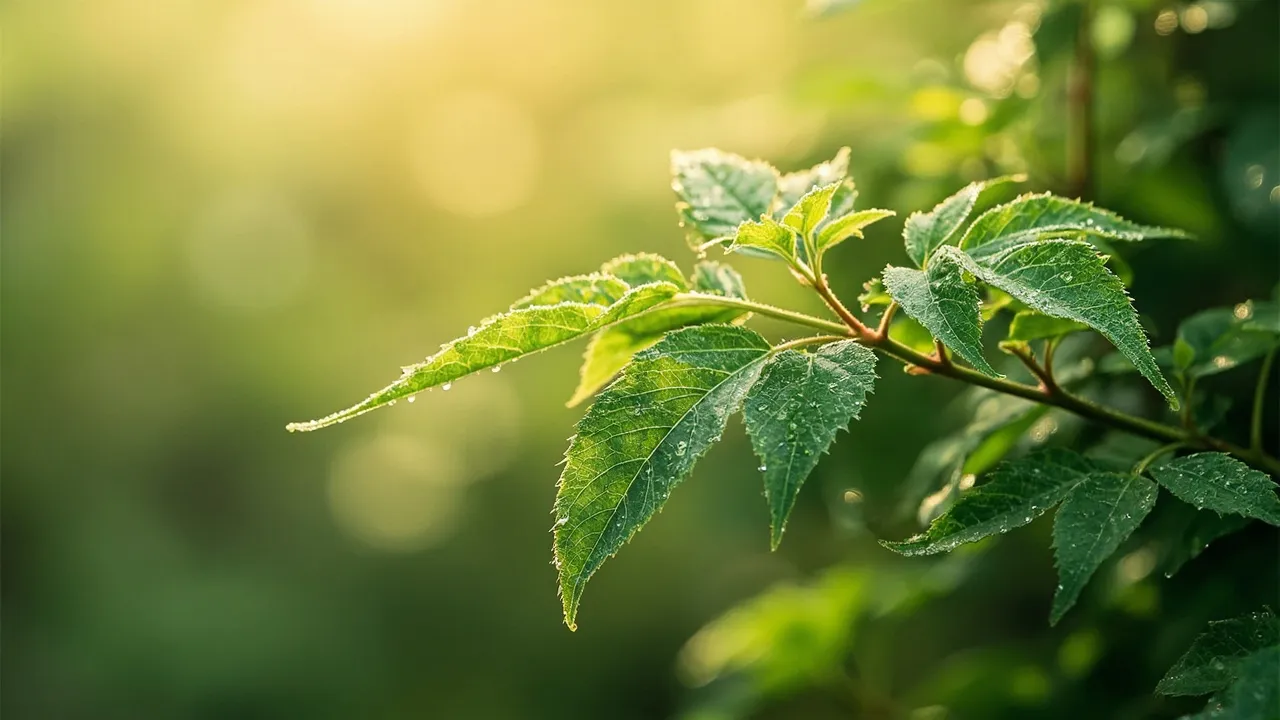
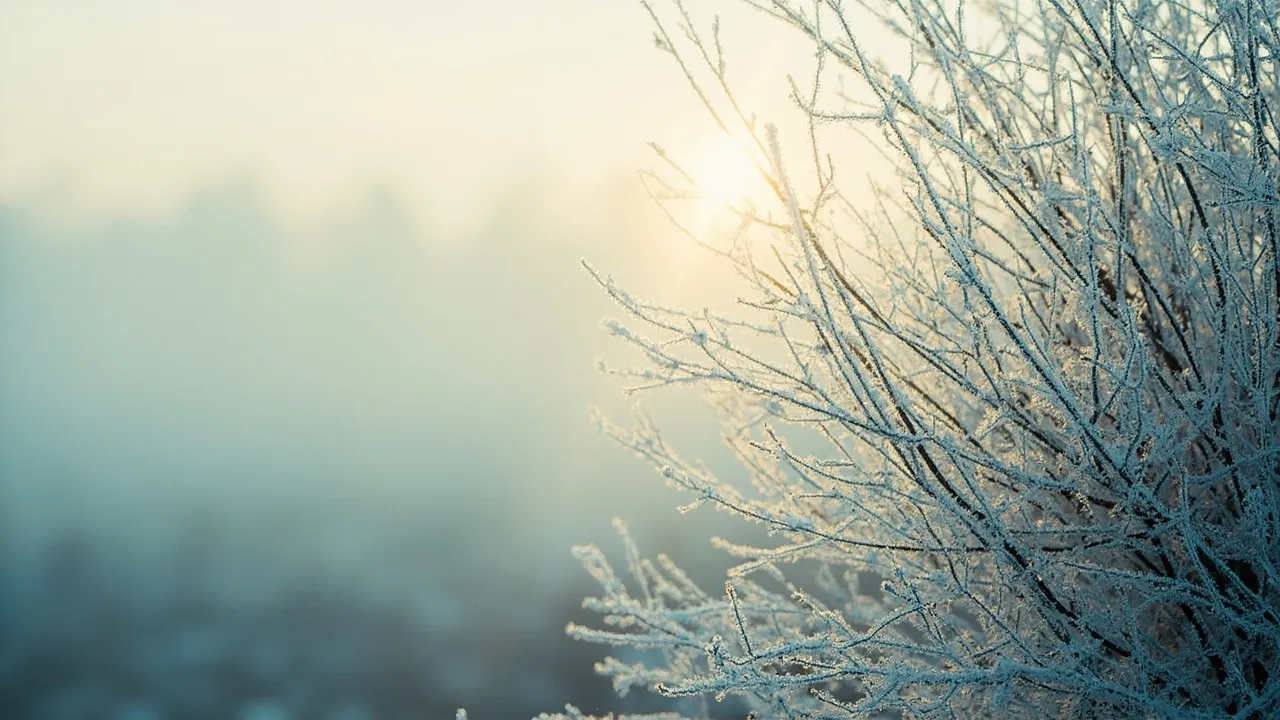
There’s a noticeable shift around October 8th. The mornings aren’t just cool anymore — they’re genuinely cold. That delicate white dew from earlier in the month has turned frosty. The Chinese knew exactly what to call this moment: Hanlu, or Cold Dew. It’s the solar term that marks autumn’s accelerating slide toward winter, and it signals that it’s time to start shifting your habits in a more warming direction.
For most people, Hanlu hits differently than the earlier autumn transitions. It’s not just that the weather has changed — it’s that winter is now genuinely within reach. The first frost has likely happened (or is about to happen), and there’s no pretending anymore that summer might come back. This is the real deal, and your body knows it.
What Hanlu Tells Us
Hanlu arrives when the temperature drops enough that the morning dew actually feels cold to the touch. This isn’t just a poetic description — it’s a practical marker of seasonal change. The air has gotten genuinely chilly, and the warmth of summer is now just a memory. In the Chinese solar term system, Hanlu sits right in the middle of autumn, a clear signal that the season is advancing quickly.
The Chinese characters for Hanlu tell an interesting story. “Han” (寒) means cold, while “lu” (露) means dew. Together, they describe exactly what happens during this period: the dew that formed as white frost now has a distinct chill to it. It’s a subtle shift, but one that marks a significant change in the seasonal character. We’re moving from the cool of early autumn into the cold that heralds winter.
For farmers, this was a critical checkpoint. The harvest needed to be wrapped up completely by now. Any crops left in the fields were at risk from the approaching cold. There was a real urgency to Hanlu — winter was knocking, and you needed to be prepared. This urgency drove many of the traditional customs associated with this solar term, and there’s a wisdom in that urgency that still applies today.
In TCM, Hanlu represents a significant internal shift. The body’s yang energy, which has been declining since late summer, now hits a new low. Meanwhile, the cold and dryness of autumn are becoming more pronounced in the environment. This creates a double challenge: you’re losing your internal warmth while the external cold is increasing. The traditional answer is to start actively warming the body, both through food and lifestyle.
This is also when the lungs become particularly vulnerable. In Chinese medicine, the lungs are closely associated with autumn and with the skin — your body’s outermost defensive layer. As the external cold increases, the lungs need extra support. This is why so many people catch their first cold around Hanlu. Their lung energy is weak, and the seasonal shift has created an opening for external pathogens.
The wisdom of Hanlu is all about preparation. Just as farmers were gathering everything and preparing for winter, you’re meant to be shifting into a more warming, protective mode. This doesn’t mean hibernating — it means making thoughtful choices that help your body stay strong as the cold sets in.
Traditional Customs for Cold Dew
One of the most practical Hanlu customs involves preparing warm foods. This isn’t complicated — it’s about shifting the overall character of your diet toward warming, cooked foods. Porridge returns to the breakfast table. Stews and soups become more common. The grill gets more use. There’s a reason these traditions exist: warming food genuinely helps your body maintain its internal heat during this transition.
In many families, there’s a tradition of eating lamb or goat during Hanlu. In TCM, lamb is considered a warming protein — it literally adds heat to your body. This makes it perfect for the cold dew period. Whether you prefer lamb chops, a warming lamb stew, or the famous Chinese lamb soup with ginger and scallions, the idea is the same: give your body some internal warmth. You can adapt this to your preferences; any warming protein works.
There’s also a custom of drinking warm drinks exclusively during Hanlu. This means switching from iced beverages to warm water, warm tea, or warm milk. It sounds simple, and it is, but the impact is real. Every cold drink your body has to warm up draws on your internal yang energy. By sticking with warm beverages, you’re conserving that energy for more important tasks, like keeping your immune system strong.
Some traditions emphasize wearing more layers, particularly around the back and chest. In TCM, the back houses the yang energy of the body, and keeping it warm is crucial during Hanlu. This might mean wearing a light jacket or scarf when you’re outside, or making sure your back isn’t exposed to drafts. It’s practical advice that makes a real difference in how you feel.
A more spiritual custom involves “storing” energy for winter. This isn’t about eating more (though you might slightly increase calories) — it’s about being more intentional with your rest and activities. Hanlu is when you start to pull back a bit, conserve your resources, and prepare for the more inward energy of winter. Think of it as strategic preparation rather than slowdown.
In some regions, Hanlu was also a time for preserving foods for winter. Making kimchi, pickling vegetables, curing meats — these were all ways of capturing the season’s bounty and preparing for leaner months. While most of us don’t need to preserve food this way, there’s an underlying principle worth adopting: think ahead, prepare now, thank yourself later.
There’s also a tradition of taking autumn excursions during Hanlu. The autumn foliage is typically at its peak during this time, and people would make trips to enjoy the colorful leaves. This wasn’t just tourism — it was considered health-supporting to be in nature during this beautiful transitional time. The colors, the crisp air, the beauty of the changing season — all of this feeds the soul.
Staying Warm and Healthy During Hanlu
Here’s where Hanlu gets practical. What can you actually do to navigate this shift comfortably?
Start with breakfast. Cold mornings call for warm breakfasts — that’s not just comfort, it’s strategy. Oatmeal with warming spices (cinnamon, ginger, a little nutmeg), congee with shredded chicken, even a simple scrambled egg with ginger and scallions all work beautifully. The idea is to break your fast with something warm that helps your digestive system get moving without expending too much energy heating up cold food.
Ginger is your friend during Hanlu. This humble root is one of the best warming foods available, and it’s incredibly versatile. You can add fresh ginger to stir-fries, simmer it into tea, pickle it as a condiment, or use it in marinades. Even a small amount of ginger in your diet helps warm your core and supports digestion. If you tend to feel cold easily, consider adding ginger to your daily routine in some form.
Don’t forget about the feet. In Chinese medicine, the feet are where yang energy rises from, and keeping them warm is surprisingly important. This might mean wearing warmer socks, using a foot warmer at your desk, or giving yourself a quick foot massage before bed. It sounds minor, but cold feet can disrupt your sleep and drain your energy. Take care of your feet and they’ll take care of you.
Your exercise routine needs to warm up too. Cold muscles are more prone to injury, so spend more time warming up before you exercise. Also, consider shifting the timing of your workouts to the warmer part of the day, if possible. Early morning workouts during Hanlu mean exercising in the coldest conditions — not ideal unless you’re already well-warmed up. After-work workouts, when the day has had a chance to warm up, tend to work better.
This is also the time to address any lingering summer issues. If you still have any leftover summer heat symptoms — a slightly sore throat, some restlessness, dry skin that won’t quit — now’s the time to clear them. Foods like pears, honey, and chrysanthemum tea can help with any residual summer heat. Meanwhile, start introducing more warming foods. The transition shouldn’t be abrupt, but it should be intentional.
Finally, protect your sleep environment. As temperatures drop outside, make sure your bedroom isn’t too cold. This might mean adding a blanket, using a space heater briefly before bed, or wearing warmer sleepwear. Sleep is when your body does its most important repair and conservation work, and a cold bedroom can disrupt that process. Keep it warm, keep it dark, and give yourself the rest you need.
One additional tip: consider adding warming herbs to your diet. Cinnamon, cardamom, nutmeg, and black pepper are all considered warming in TCM. Adding a pinch of these to your meals or drinks can make a surprising difference in how you feel. You don’t need much — just a little goes a long way.
Embracing the Cold
The first cold snap of the season can feel jarring, especially after the warmth of summer. But Hanlu has a quiet beauty to it. There’s something satisfying about bundling up, sipping a warm drink, watching the frost glint on the grass in the early morning. This is nature’s way of slowing down, of creating space for reflection and preparation.
Rather than fighting the cold, let Hanlu teach you about warmth. The contrast makes the warmth more precious. A hot cup of tea, a cozy sweater, a warm meal at the end of a cold day — these simple pleasures take on new meaning when you’ve felt the chill. That’s the gift of Hanlu: it makes you appreciate warmth, and in doing so, it helps you find comfort in the changing season.
So when you step outside and feel that first real cold of the season, don’t pull back. Step into it. Feel it. Let it remind you of what warmth really means. That’s the secret that the Chinese understood centuries ago, and it’s still true today.