If you’ve ever eaten at a Chinese restaurant and thought, “This is good, but I wish it had more kick,” then you owe it to yourself to explore Hunan cuisine. This is food that doesn’t apologize for itself. It doesn’t whisper across your palate or ask politely for your attention. It announces itself with smoke, fire, and an unforgettable punch of flavor that stays with you long after the meal is over.
Hunan cuisine, also called Xiang cuisine after the Xiang River that winds through the region, is one of China’s eight great culinary traditions. And if you ask me, it’s the most honest of the bunch. While other regional cuisines might dress things up with subtle sauces or delicate presentations, Hunan food looks you in the eye and says exactly what it is: bold, mountainous, and unapologetically spicy.
The Land That Forged a Fierce Culinary Tradition
To understand Hunan cuisine, you first need to understand Hunan itself. This province sits in south-central China, surrounded by mountains and cut through by the Xiang River. The climate is muggy, the summers are brutal, and the winters are damp and cold. For centuries, the people who lived here needed food that could wake them up, warm them from the inside out, and make them forget about the relentless humidity.
That’s where the chilies came in. And let me tell you, when Hunan cooks reach for chilies, they don’t mess around. We’re not talking about a pinch of cayenne to add a little warmth. We’re talking about dried red chilies that pack actual heat, fresh green chilies that snap with brightness, and chili bean pastes that form the backbone of countless dishes. In Hunan, chilies aren’t a garnish or a suggestion — they’re the main event.
The geography also gave Hunan cuisine another defining characteristic: preservation. Because getting fresh ingredients to remote mountain villages was historically difficult, Hunan cooks became masters of pickling, smoking, and salting. You’ll find pickled vegetables, smoked meats, and fermented beans in dish after dish, giving the cuisine a depth of flavor that goes way beyond just “spicy.”
What Makes Hunan Cuisine Different
Now, I know what some of you might be thinking. “Spicy Chinese food? That’s just Szechuan, right?” Wrong. That’s like saying all Italian food is the same because it’s all “European.” Hunan and Szechuan cuisines are cousins, sure, both known for their heat, but they’re very different animals.
Szechuan cuisine leans on the famous “numbing spiciness” — that strange, tingling sensation you get from Sichuan peppercorns. It’s a complex, almost schizophrenic flavor profile where your mouth goes both hot and tingly at the same time. Hunan cuisine, on the other hand, is all about pure, straightforward heat. No numbing, no tricks. Just the clean, aggressive burn of chili oil and fresh chilies doing exactly what they’re supposed to do.
And while Szechuan cooking often reaches for garlic, ginger, and those signature peppercorns, Hunan cooks tend to emphasize the natural flavors of their ingredients. They use fewer spices and let the quality of the vegetables, pork, and fish speak for itself. It’s cuisine that respects the ingredient while still absolutely annihilating your taste buds in the best possible way.
Another difference? Hunan food tends to be drier than its Szechuan counterpart. You’re less likely to find pools of sauce drowning your food and more likely to find wok-tossed, dry-cooked dishes where the ingredients themselves have absorbed all that flavor. Think smoky, charred, and deeply savory.
Iconic Dishes You Need to Know
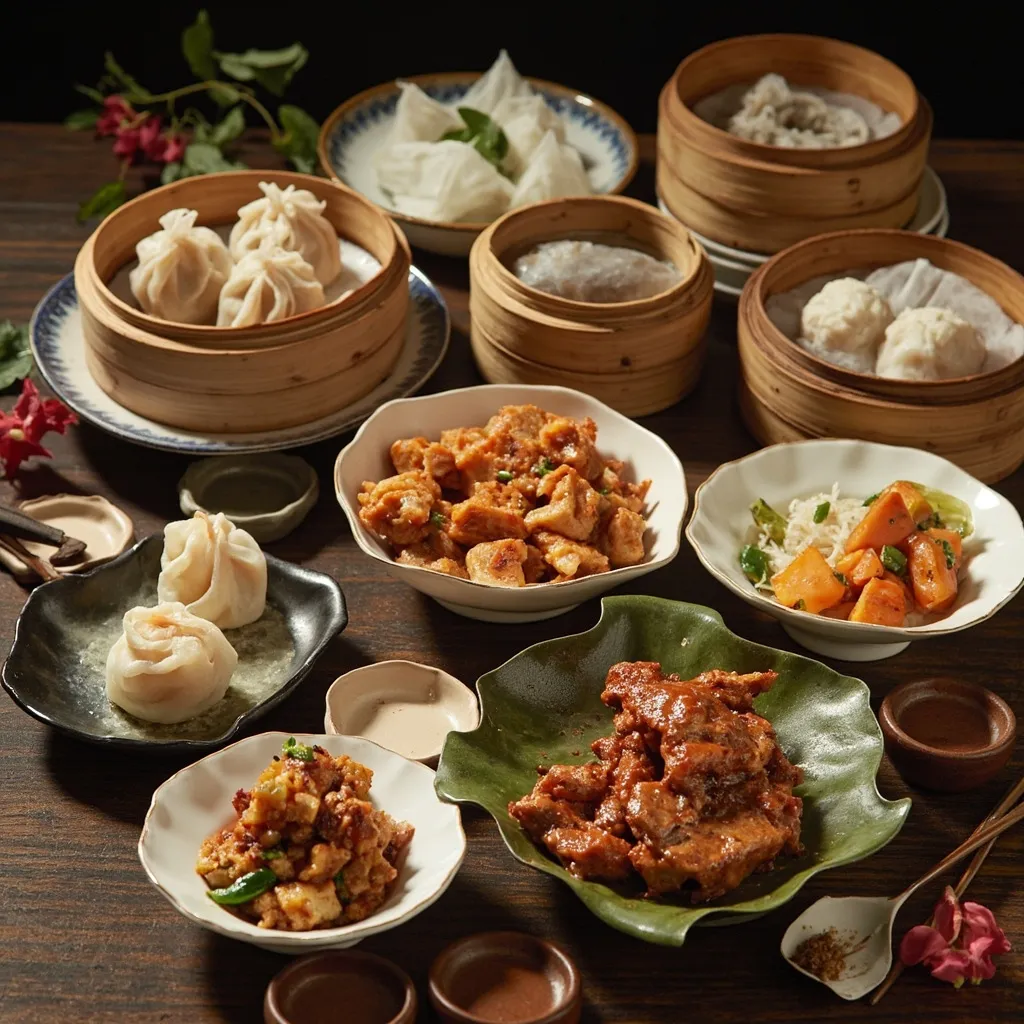
Let’s talk about the stars of the show. If you’re going to explore Hunan cuisine, these are the dishes that will ruin you for all other Chinese food — in the best way possible.
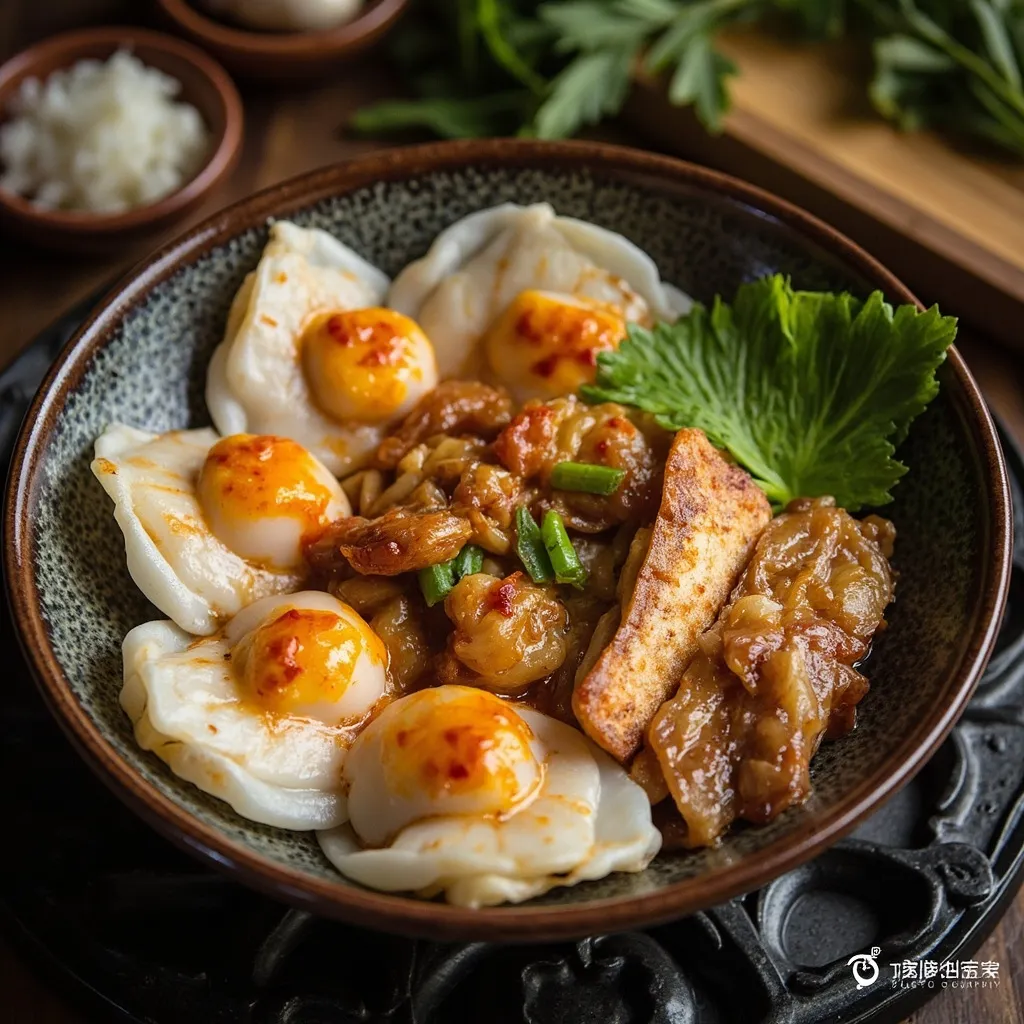
Steamed Fish Head with Diced Red Chilies (剁椒鱼头) is perhaps the most famous Hunan dish, and for good reason. A whole fish head — yes, the whole thing — is steamed until tender and then covered in a mountain of pickled red chilies. The chili masala seeps into every crevice of the fish, giving you meat that’s simultaneously spicy, tangy, and unbelievably fragrant. The fish itself is silky and delicate, which might sound like it can’t handle all that heat, but that’s exactly what makes it magical. It’s a dish that balances elegance with fire, and once you’ve tried it, you’ll understand why it’s served at banquets across China. The key is in the fermented chilies, which have a slightly sour, slightly sweet complexity that cuts through the richness of the fish. Restaurants often serve this in a huge clay pot, the fish head emerging from a sea of bright red chilies like some kind of delicious volcanic eruption.
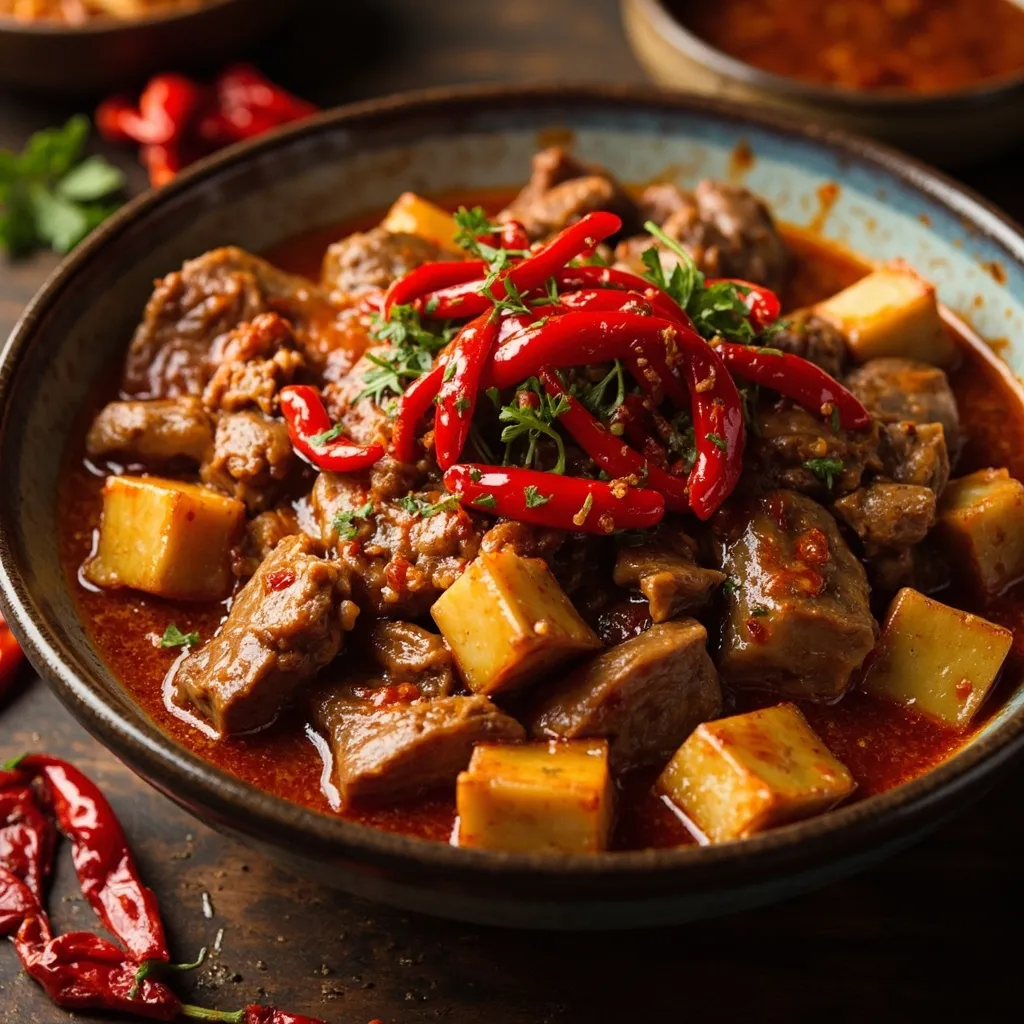
Chopped Chili Head (辣椒头) is not for the faint of heart. This dish takes chicken — usually the feet or less desirable cuts — and stews them in a thick, fiery sauce made with massive amounts of dried chilies. You can find chilies floating in the sauce like some kind of culinary sea of red flags. The chicken absorbs all that heat, and what you get is meat that’s chewy, tender, and absolutely blasting your palate with every bite. It’s the kind of dish that makes you reach for your drink and question your life choices, then immediately take another bite. The sauce is often sticky, clinging to the ingredients and creating that beautiful combination of heat and texture that Hunan food does so well.
Stir-Fried Pork with Preserved Vegetables (外婆菜) is a humble but essential Hunan dish. It uses “waipo cai,” which translates to “grandmother’s vegetables” — a pickled mustard green that has a sour, salty depth. When you stir-fry this with pork and dried chilies, you get something that tastes like comfort itself. It’s the dish your grandmother would make if your grandmother happened to be from rural Hunan and had a deep understanding of fermentation. The preserved vegetables add texture — slightly chewy, slightly crunchy — and the pork provides the perfect savory counterpoint. This is the kind of dish you could eat every day and never get tired of.
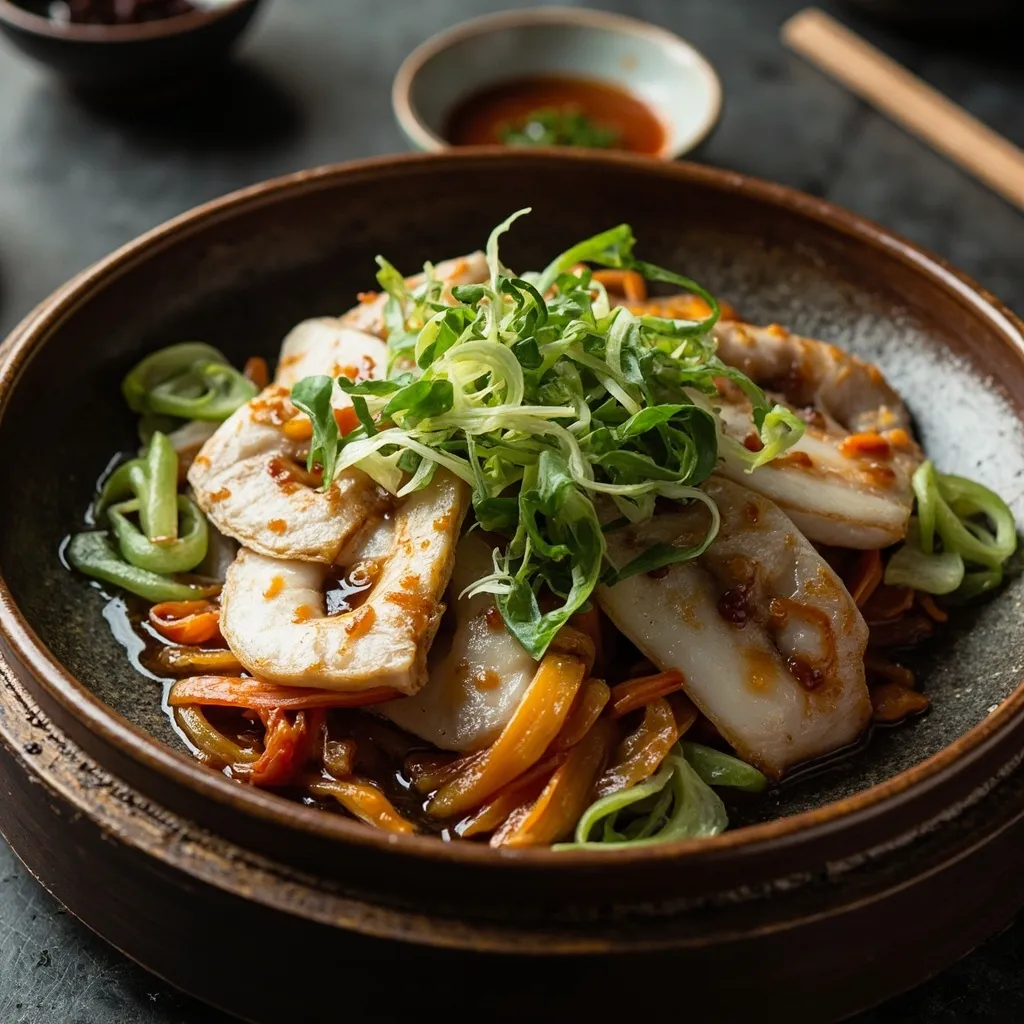
Hot and Sour Chicken (酸辣鸡) swings the flavor profile in a different direction. Here, the heat comes with a punch of vinegar tang that cuts through the spice and makes your mouth water. It’s the kind of dish that wakes you up, makes you grip the table, and immediately makes you want more rice to cool things down. The sauce is often made with rice vinegar, fresh chilies, and sometimes a splash of orange juice for unexpected brightness. It’s bright, it’s bold, and it’s absolutely addictive.
Spicy Crab (香辣蟹) is another Hunan favorite that has spread far beyond the province. Fresh crab is deep-fried until crispy, then tossed in a wok with dried chilies, garlic, ginger, and a sweet-savory sauce. The result is a dish where you get the sweet, briny flavor of the crab contrast with the aggressive heat of the chilies. You end up with buttery crab meat in a sticky, spicy, slightly sweet sauce that you absolutely do not want to miss.
And then there’s Mao’s Favorite Dishes. Yes, that Mao. Chairman Mao Zedong was born in Hunan province, and he never forgot his culinary roots. Several dishes are rumored to have been his favorites, including red-braised pork (红烧肉) — chunks of pork belly braised in soy sauce, sugar, and spices until they’re meltingly tender and slightly sweet. It’s not spicy at all, which goes to show you that Hunan cuisine isn’t a one-trick pony. The pork is cut into large cubes, typically about an inch on each side, and cooked until the fat has rendered down into something almost silky. The sauce becomes thick and glossy, coating each piece in a sweet, savory glaze. Mao was particularly fond of this dish, and it’s said he would have it prepared for special occasions. The province also gave Mao stir-fried green chilies (青椒炒肉), a simple but addictive dish of pork stir-fried with mountain peppers and fresh green chilies. Simple, rustic, and deeply satisfying — it shows that Hunan cooking isn’t all about extreme heat; sometimes the best dishes are the simplest ones done perfectly.
The Cooking Techniques Behind the Magic
Hunan cuisine isn’t just about throwing a bunch of chilies into a wok and calling it a day. There’s actual technique here, and understanding it makes you appreciate the food even more.
Wok hei is the concept of “breath of the wok” — that smoky, charred flavor you get when you cook food in a blazing-hot wok. Hunan cooks are masters of this. They toss ingredients at extreme temperatures, letting the wok’s concave surface create pockets of intense heat that char the food while keeping the inside juicy. It’s what gives Hunan dishes that distinctive smoky undertone.
Braising and stewing are also central to the cuisine. Because Hunan has such cold, damp winters, slow-cooked dishes that warm you from the inside became essential. Red-braised pork, for example, simmers for hours in a mixture of soy sauce, rice wine, and spices, resulting in meat that falls apart at the touch of a chopstick.
And then there’s pickling and fermentation. Hunan households traditionally kept huge ceramic vats of pickled vegetables — mustard greens, radishes, cabbages — that would last through the winter. This tradition gave the cuisine its signature sour and tangy notes, which provide a perfect counterpoint to all that heat.
Exploring Hunan Cuisine Outside China
Here’s the good news: you don’t need to book a flight to Changsha to experience this incredible cuisine. Hunan restaurants have been spreading across the world, and some of them are doing justice to the real deal.
When you’re looking for authentic Hunan food, keep an eye out for a few things. First, look for the red — not just in the chilies, but in the color of the oil and sauce. Authentic Hunan dishes should have a deep, ruddy color from chili oil and fermented bean pastes. Second, pay attention to the heat level. A good Hunan restaurant won’t water down the spice for Western palates. If you ask for “mild,” they might just look at you funny. Third, look for dishes that feature fermented or pickled elements. That’s the hallmark of authenticity.
If you’re cooking at home, start with a good chili oil — the kind that’s deep red and浮动with actual chili flakes. You’ll also want to get your hands on some doubanjiang (chili bean paste) and dried red chilies. A hot wok, some patience, and a willingness to sweat a little are the rest of the ingredients you need.
Why Hunan Cuisine Matters
In a way, Hunan cuisine represents something pure about food: the desire to make something delicious out of whatever you have, to use the tools and ingredients available to you, and to create something that brings people together around a table. This is peasant food at its finest — hearty, satisfying, and unpretentious.
But it’s also food that carries history. This is the cuisine that fed a revolution, that sustained soldiers marching through mountain passes, that warmed farmers after long days in the rice paddies. Every bite of authentic Hunan food is a connection to centuries of tradition and the indomitable spirit of a region that refused to let anything — not climate, not geography, not history — stand between it and a really good meal.
So next time you’re scrolling through your food delivery app or walking past a Chinese restaurant, skip the generic orange chicken. Look for Hunan. Look for the chilies. Look for the smoke. Your taste buds will thank you, even if they’re screaming a little.