Lixia: Summer Arrives with Strength
There’s something magical about the moment when winter finally loosens its grip. For those of us who’ve shivered through months of gray skies and frozen mornings, that first warm day feels like a small miracle. Now imagine a whole culture built around celebrating these seasonal turning points — that’s the beauty of the Chinese solar terms.
Today, let’s talk about Lixia, which literally translates to “Beginning of Summer.” It’s one of twenty-four special points on the Chinese calendar, each marking a shift in nature and offering guidance on how to live in harmony with the seasons. Lixia usually falls around May 5th, when the temperature starts climbing and the world bursts into green. But it’s far more than just a date on a calendar — it’s a time-honored invitation to adjust our habits, our diets, and our mindsets as summer approaches.
The Meaning of Beginning of Summer
The Chinese solar term system goes back thousands of years, tracing its roots to the Yin and Yang philosophy and the five elements (wood, fire, earth, metal, and water). Each solar term reflects the sun’s position and the natural changes happening around us. Lixia, the seventh solar term, arrives right as spring fades and summer takes hold.
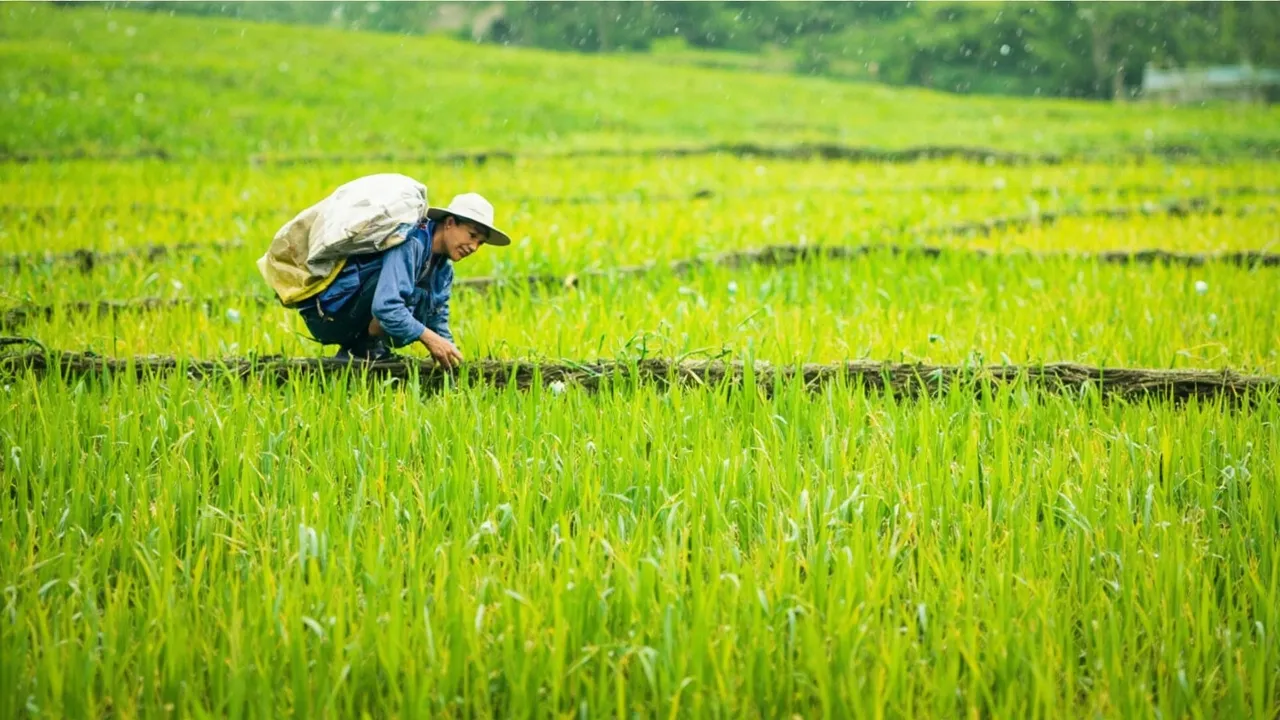
In practical terms, Lixia signals that the cold days are truly over. Temperatures rise, rainfall increases, and crops enter their rapid growth phase. For ancient farmers, this was a critical moment — the harvest season was approaching, and everything depended on how well they read nature’s signals.
But Lixia isn’t just about agriculture. In Traditional Chinese Medicine (TCM), this period marks a major shift in the body’s energy. Winter is a time when our yang energy — that active, warming force — retreats inward to protect us. As summer arrives, that yang energy bursts outward. This can sometimes create imbalance, leading to what the Chinese call “excess fire” — feelings of restlessness, irritability, digestive issues, or general fatigue.
The ancient Chinese understood something that modern science is only beginning to appreciate: we aren’t separate from our environment. The way we eat, sleep, move, and even think should shift with the seasons. Lixia is the perfect reminder to make those adjustments before the full heat of summer arrives.
Traditional Customs
One of the most charming things about Lixia is the collection of customs that have been passed down for generations. These aren’t dusty relics — they’re living traditions that families still enjoy today.
The Egg Competition
If you visit China around early May, you’ll see children running around with hard-boiled eggs, carefully lining up to crack them against each other. The goal is simple: whose egg shell breaks first loses. It’s called “dàn dǐng” (蛋斗), and it’s a Lixia tradition that dates back centuries. The egg that survives wins — and is presumably eaten as a reward.
This custom might seem like pure fun, and it is, but there’s a deeper meaning. Eggs represent life and vitality. By cracking them together, families are symbolically sharing that renewed energy as summer begins. Plus, it’s a great excuse to get kids outside after a long winter indoors.
The Weighing Ceremony
Here’s a tradition that might sound unusual to Western ears: on Lixia, people weigh themselves. But it’s not about checking your BMI or obsessing over numbers on a scale. The “称人” (chēng rén) ceremony involves stepping onto a large scale while someone reads your weight aloud — sometimes with humorous commentary.
The origins go back to a belief that summer heat can cause “zhù xià” (疰夏) — a kind of seasonal fatigue that makes people lose their appetite and drop weight. By weighing yourself on Lixia and then again on Lichun (Beginning of Autumn), you can track whether you’ve maintained your vitality through summer. It was originally a health check, not a beauty contest.
These days, families often make a game of it, especially with children. The playful announcement of weights, the laughter, the gentle teasing — it all adds up to a memorable ritual that connects generations.
Eating Seasonal Foods
Food is always central to Chinese seasonal celebrations, and Lixia is no exception. The emphasis shifts to light, cooling foods that help the body handle rising temperatures. Common dishes include fresh vegetables like bamboo shoots, lettuce, and herbs that haven’t yet been cooked into submission by summer heat. In some regions, people eat “five-spice” eggs or special rice dishes prepared with seasonal ingredients.
Health Tips for Lixia
Now let’s get practical. What can you actually do to feel better as summer approaches? The TCM tradition offers some time-tested guidance that aligns surprisingly well with what modern nutritionists recommend.
Rise Early, Sleep Well
One of the key recommendations for Lixia is to go to bed and wake up earlier than usual. During summer, the days are longer, and our bodies naturally want to match that rhythm. Waking with the sunrise — around 5 or 6 AM — is said to help your yang energy flow smoothly throughout the day.
This doesn’t mean you need to become a 4 AM riser, but it does suggest avoiding those late-night Netflix binges that leave you groggy until noon. Your body is designed to sync with daylight, and summer is the easiest season for doing that. Try shifting your schedule by 30 minutes earlier for a week and notice how you feel.
Eat Light, Stay Cool
The TCM perspective on summer eating is all about balance. Summer is associated with the fire element, and too much heat in the body can damage your yin — the cooling, nourishing energy that keeps you hydrated and calm. That’s why the recommendation is to eat light, avoid heavy fried foods, and go easy on the spicy dishes.
Bitter foods are particularly recommended during this time. Bitter melon, certain herbal teas, lotus seed hearts — these all have a cooling effect on the body according to TCM thinking. Even if you’re skeptical of the energy philosophy, there’s solid advice here: heavy, oily, spicy foods are harder to digest when it’s hot outside, and they can leave you feeling sluggish and uncomfortable.
Think of summer as a chance to reset your eating habits. Load up on fresh fruits and vegetables, choose lean proteins over rich meats, and stay hydrated with water and herbal teas. Your digestive system will thank you, and you’ll likely have more energy to enjoy the longer days.
Nourish Your Mind
Summer heat can do more than affect your body — it can fray your nerves too. irritability, restlessness, and difficulty concentrating are common complaints as temperatures climb. TCM practitioners recommend practices that calm the mind and settle the spirit.
This might mean taking time for quiet activities like reading, gentle stretching, or meditation. It could involve spending time in green, natural spaces rather than sweltering in concrete jungles. Even simple practices like avoiding over-scheduling and giving yourself permission to slow down can make a big difference.
From a Western perspective, this is solid stress management advice. Chronic heat exposure affects cortisol levels and sleep quality, which in turn impacts your mood and mental clarity. Building in calm, restful moments isn’t indulgent — it’s essential for your health.
Move Your Body, Gently
The TCM concept of “dredging the meridians” sounds mysterious, but it really just means keeping your energy flowing through gentle movement. Summer isn’t the time for grueling workouts that leave you drenched in sweat — that’s a recipe for exhaustion. Instead, think about activities that keep you moving without overheating.
Morning walks, tai chi, swimming, or gentle yoga are all excellent choices. The key is consistency rather than intensity. Even a 20-minute walk in the early morning or evening can help your body adapt to warmer temperatures while keeping your joints mobile and your mood steady.
Protect Your Heart
In TCM, summer is closely connected to the heart — not just the physical organ, but the entire energetic system associated with joy, connection, and mental clarity. The heart is considered the “king” of organs, and summer is its season. This means Lixia is an ideal time to pay extra attention to cardiovascular health.
Practical steps include staying hydrated (your heart works harder when you’re dehydrated), eating foods rich in antioxidants (berries, leafy greens, and nuts all fit the bill), and managing stress. If you have any existing heart concerns, this is a good moment to check in with your healthcare provider and review your management plan.
Conclusion
Lixia is more than a quirky term from an ancient calendar — it’s a reminder that we’re part of something larger than ourselves. The changing seasons have always guided human life, even if we’ve mostly forgotten that connection in our modern, climate-controlled world.
This May, as temperatures start to rise and the days grow longer, take a moment to notice what’s changing around you. The birdsong in the morning, the buds bursting open, the way the light lingers in the evening — these aren’t just pleasant details. They’re signals, just like Lixia, telling us how to live well.
You don’t need to start an egg-cracking competition or weigh yourself on a giant scale (though honestly, those both sound like fun). But you can honor the spirit of Lixia by making small adjustments: eating a little lighter, sleeping a little earlier, moving your body with kindness, and giving your mind permission to rest.
Summer is coming. With a few thoughtful changes, you can meet it feeling strong, balanced, and ready to enjoy everything the warm months have to offer.