Mangzhong: The Season of Harvest
Summer has truly arrived. Around June 5th each year, the ninth solar term on the Chinese calendar makes its appearance, bringing with it the promise of abundant harvests and the height of warm weather. This is Mangzhong—known in English as “Grain in Ear”—and it’s one of the most important markers in the traditional Chinese agricultural calendar.
For Americans curious about Chinese culture, Mangzhong offers a fascinating window into how ancient Chinese people aligned their lives with nature’s rhythms. This isn’t just some dusty historical footnote—these traditions shape how millions of people eat, exercise, and care for their health to this day. Let’s dig into what makes this solar term so special.
The Meaning of Grain in Ear
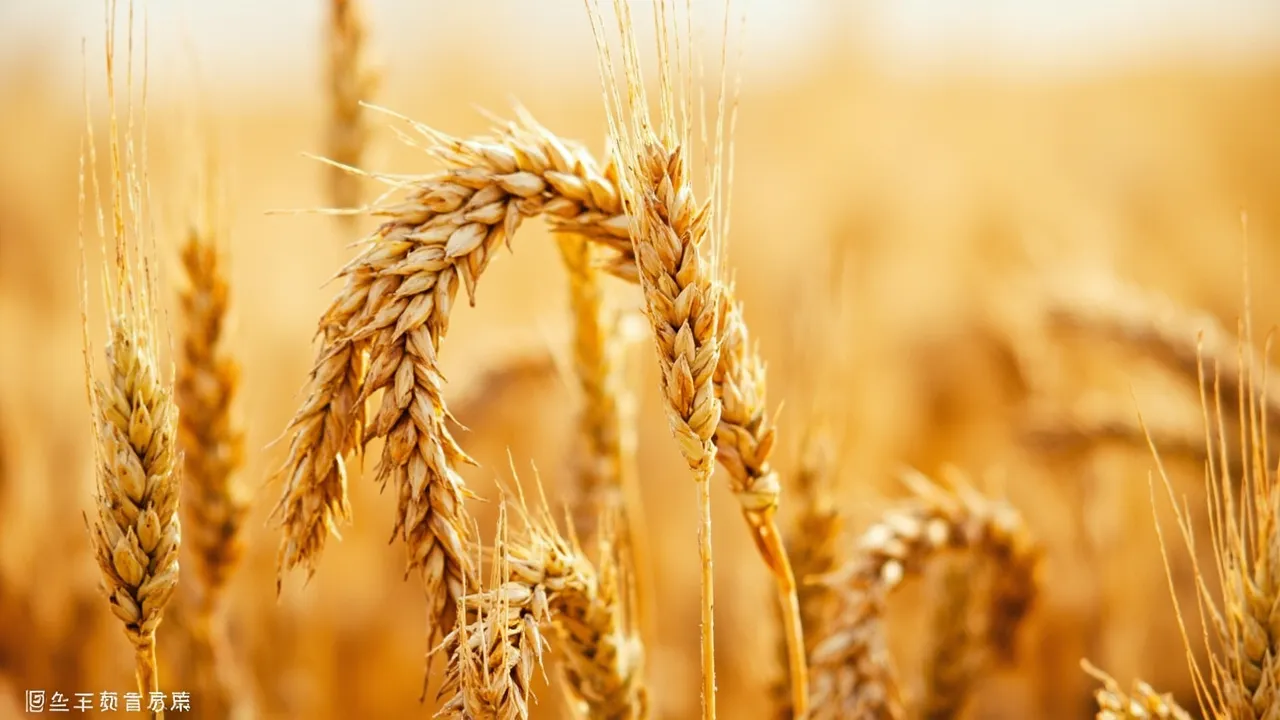
The term “Mangzhong” (芒种) breaks down into two characters. 芒 (máng) refers to the awns—that prickly beard-like part on grain heads like wheat and barley. 种 (zhòng) means to plant or sow. Put together, “Grain in Ear” vividly describes what’s happening in the fields: the grains are developing their seed heads, the wheat is swelling with potential, and farmers can practically smell the harvest coming.
The solar terms were created thousands of years ago by Chinese astronomers and farmers who noticed precise patterns in the seasons. Mangzhong falls right at the turning point when spring transitions fully into summer. The weather shifts from the gentle warmth of early summer to genuine heat. Days grow longer, the humidity rises, and that characteristic summer mugginess kicks in.
What makes Mangzhong particularly interesting from an agricultural standpoint is its dual nature. On one hand, it marks the harvest of winter crops like barley and wheat—they’re ready to come out of the fields. On the other hand, it’s the planting window for late-season crops like millet and beans. Farmers during this period are juggling two major seasonal tasks simultaneously, which is why old Chinese sayings describe Mangzhong as one of the busiest times in the agricultural year.
In Traditional Chinese Medicine (TCM), Mangzhong carries special significance too. This is considered the gateway into hot summer, when the body’s energy patterns shift. According to TCM principles, the spleen becomes particularly vulnerable during this period, and the arrival of intense heat mixed with summer humidity creates conditions that can drain your energy if you’re not careful.
Traditional Customs
Chinese communities have developed rich customs around Mangzhong that connect food, nature, and community. These practices reveal a deep appreciation for living in harmony with seasonal changes, and many of them have been passed down through families for generations.
Enjoying Green Plums (青梅)
Mangzhong is prime time for green plums, called qīngméi in Chinese. These tart, aromatic fruits ripen around this exact time of year, and people have been enjoying them for centuries. The custom goes back further than anyone can trace—ancient texts mention imperial courts serving preserved plums during the Mangzhong period.
Fresh green plums aren’t like the plums you find in American grocery stores. They’re intensely sour, almost lemony, and rarely eaten raw. Instead, people soak them in honey, cook them into jams, or steep them to make refreshing plum drinks. The tartness was believed to help the body combat summer heat, which lines up with modern understanding—plums are rich in antioxidants and vitamin C.
The tradition of enjoying green plums during Mangzhong is so ingrained in Chinese culture that it appears in classical poetry and folk songs. One old saying captures the spirit: “when plums turn yellow, the farmer has nothing to worry about”—meaning the harvest is secured.
Wheat Celebrations
Since Mangzhong marks the wheat harvest, it’s no surprise that wheat plays a starring role in the celebrations. Traditional foods during this period include wheat cakes, wheat noodles, and steamed buns made from freshly harvested grain. In rural communities, families might bake special wheat pastries to share with neighbors, celebrating the abundance of the season.
Making wheat cakes is particularly popular in southern China, where the dough is often filled with sweet bean paste or savory minced pork. These treats represent gratitude for the harvest and prosperity for the coming year. Some families still follow the tradition of giving boxes of freshly made wheat products to relatives and friends—an edible reminder of the season’s bounty.
Some regions have traditions of sacrificing to the wheat god—an acknowledgment that a good harvest depends on forces beyond human control. These ceremonies might involve offerings of the first wheat flour, burning incense, and prayers for continued prosperity. Even today, some rural communities maintain these rituals, keeping traditions alive in an increasingly modern world.
The Flower God Farewell
One of the more poetic Mangzhong customs involves saying goodbye to the flower god. Chinese tradition holds that the flower god presides over spring and the blooming season. As Mangzhong arrives, the flowers have mostly finished their show, and it’s time to thank the flower god and send them off until next spring.
This might involve simple rituals like tying colorful ribbons to flower stems or laying fresh bouquets at small altars. It’s a gentle reminder to appreciate nature’s cycles and acknowledge that each season has its own beauty and purpose. Children might make small paper flowers to float down streams, symbolically returning the flower god to the heavens.
Tea Time Traditions
Summer tea culture peaks during Mangzhong. The intense heat calls for cooling beverages, and traditional Chinese medicine recommends certain teas to help the body adjust. Locally picked fresh tea leaves are often brewed and shared among friends and family. These aren’t the fermented pu-erhs you might find in specialty shops—these are light, fresh green teas meant to cool the body from the inside out.
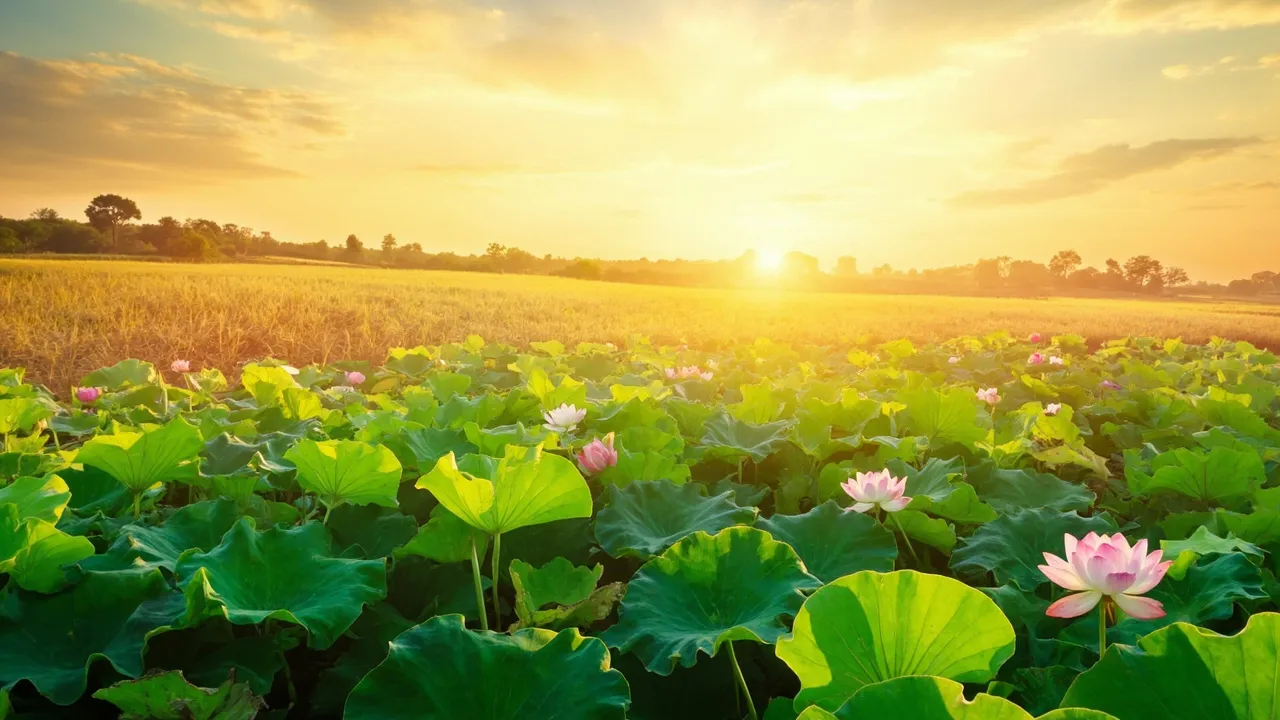
Chrysanthemum tea is particularly popular during this season. The delicate white and yellow flowers are dried and steeped to create a soothing beverage that supposedly clears internal heat. Lotus leaf tea is another favorite, made from the broad green leaves that float on ponds. Both are staples in Chinese households as summer arrives.
Sending Off the Dragon Boat
In some regions, Mangzhong coincides with preparations for the Dragon Boat Festival (Duanwu Festival), which usually falls shortly after this solar term. Families make zongzi—glutinous rice dumplings wrapped in bamboo leaves—to eat and share with neighbors. The bamboo leaves are harvested around Mangzhong, making this the perfect time to prepare for the upcoming festival.
Health Tips for Mangzhong
The ancient Chinese approach to health during Mangzhong offers practical wisdom that works surprisingly well even today. Here’s how you might approach wellness during this period, whether you follow traditional practices or just appreciate their underlying logic.
Nourish Your Spleen
TCM practitioners view Mangzhong as the ideal time to focus on spleen health. The spleen in TCM isn’t just the organ you learned about in biology class—it’s seen as the foundation of digestive energy and overall vitality. During Mangzhong, the combination of heat and humidity can tax this system, leaving you feeling sluggish or bloated.
What does this mean practically? It suggests eating foods that are easy to digest and avoiding things that create internal dampness. Think light, simple meals rather than heavy, rich foods. Soups, congees (rice porridges), and steamed vegetables fit well here. Foods like sweet potatoes, lotus root, and job’s tears (also called coix seed or Chinese barley) are traditionally recommended.
One simple practice: start your day with a small bowl of warm congee. It’s gentle on digestion, hydrating, and provides steady energy without weighing you down. You can add a few slices of ginger or some chopped green onions for extra flavor and digestive support.
Stay Cool Without Overdoing It
The instinct when summer heat hits is to reach for the coldest drink possible or crank up the air conditioning. Traditional Chinese medicine actually recommends a more moderate approach. Sudden cold shocks the system and can disrupt your body’s natural cooling mechanisms. Think of it like diving into a cold pool right after being in the sun—your body needs time to adjust.
Instead, opt for room-temperature or cool (not ice-cold) beverages. Herbal teas like chrysanthemum tea or lotus leaf tea have cooling properties and are widely consumed during Mangzhong. You can find chrysanthemum tea at most Asian grocery stores or online—it’s caffeine-free and has a pleasant, slightly floral taste. Fresh cucumber slices, watermelon, and other water-rich foods help hydrate naturally.
If you’re exercising, save your workout for early morning or evening when temperatures drop. Swimming is ideal during this season—it’s cooling, easy on the joints, and doesn’t leave you overheated.
Embrace the Rhythm of the Season
Ancient Chinese life adjusted significantly during Mangzhong. People would rise earlier to take advantage of cooler morning hours, rest during the hottest part of the afternoon, and stay active in the cooler evenings. This wasn’t laziness—it was smart medicine recognizing that fighting the season’s natural flow drains your energy.
If you can, adjust your schedule to match the season. Early morning exercise, afternoon rest, and evening walks make perfect sense when temperatures soar. Your body will thank you for working with, rather than against, the natural energy patterns. Even taking a 20-minute rest during the early afternoon can make a big difference in how you feel.
Eat Seasonally
The foods traditionally associated with Mangzhong—fresh wheat products, green plums, summer vegetables—aren’t random choices. They represent what’s naturally available and beneficial during this period. Nature provides exactly what your body needs when you need it.
Rather than sticking to the same foods year-round, consider adding seasonal items to your plate. Fresh peas, summer squash, bamboo shoots, and early stone fruits all align with Mangzhong eating principles. These foods are lighter and more cooling than winter squash or hearty root vegetables. Visit your local farmers market and ask what’s fresh—you might be surprised at what’s available.
Mind the Dampness
One of the key TCM concepts for Mangzhong is “heat meeting dampness.” When summer heat combines with humidity, it can create a heavy, sluggish feeling in the body. Traditional recommendations include avoiding excessive dairy, fried foods, and sugary treats, as these are believed to increase internal dampness. This might sound like old-fashioned thinking, but there’s a kernel of truth—these foods can indeed make you feel more sluggish when it’s hot and humid.
Instead, focus on bitter foods, which have drying properties according to TCM. Bitter melon, tea, and certain leafy greens fit this category. They’re not always easy to love taste-wise, but they serve a purpose in the seasonal eating framework. A cup of unsweetened green tea can actually feel refreshing when the weather is hot.
Protect Your Energy
Between the heat, the humidity, and the busy harvest season, Mangzhong can leave you feeling drained. Traditional practices suggest taking extra care during this period. Get enough sleep, stay hydrated, and don’t overcommit socially or professionally. Your body is working hard to adapt to the changing season—give it the support it needs.
Simple things make a difference: wear loose, breathable clothing in natural fibers. Keep your living space ventilated but not drafty. Take short breaks throughout the day to breathe deeply and reset.
Conclusion
Mangzhong represents a beautiful example of how traditional Chinese culture wove itself into the fabric of nature’s rhythms. What began as agricultural guidance evolved into a comprehensive approach to living well—connecting food, health, celebration, and community.
Even if you don’t follow the lunar calendar or practice TCM, there’s something valuable in this ancient wisdom. Eat with the seasons. Adjust your pace to match the weather. Honor the cycles of nature. Stay cool but don’t shock your system. These aren’t exotic concepts—they’re practical health strategies that happen to have been refined over thousands of years.
As summer ramps up and the grain heads swell in the fields, Mangzhong invites us all to pause and notice the season changing around us. Whether you try a cup of chrysanthemum tea, explore some seasonal produce at your local farmers market, or simply shift your schedule to match the longer days, you’re participating in a tradition that stretches back through countless generations. That’s pretty remarkable when you think about it.