The Ming Dynasty: China’s Age of Exploration and Glory
Imagine standing at the bow of a massive wooden ship, the wind filling your sails as you glide across the Indian Ocean. You’ve got nearly 300 vessels under your command—some of them the largest wooden ships ever built—carrying more than 27,000 sailors, soldiers, and diplomats. Your mission: to visit more than 30 countries, establish trade relations with distant kings, and bring back tribute from the corners of the known world. This wasn’t a European naval expedition. This was China in the early 15th century, during the Ming Dynasty, when Chinese explorers sailed seas that wouldn’t see European ships for another century.
The Ming Dynasty (1368-1644) stands as one of the greatest periods in Chinese history. After nearly a century of Mongol rule, the Ming restored Chinese sovereignty and immediately set about rebuilding what had been lost. What followed was 276 years of remarkable achievement—architecture that still takes breath away, porcelain that remains the gold standard for ceramics, literature that defined Chinese literary tradition, and voyages that made China the preeminent naval power of the world. Let’s explore this magnificent dynasty and understand why it still captures the imagination of people everywhere.
The Rise of the Ming: From Peasant to Emperor
The Ming Dynasty emerged from chaos. The Yuan Dynasty, ruled by Mongols, had grown corrupt and weak by the mid-14th century. Natural disasters—floods, famines, and plagues—ravaged the countryside. The people, burdened by heavy taxes and discriminatory policies, rose in rebellion.
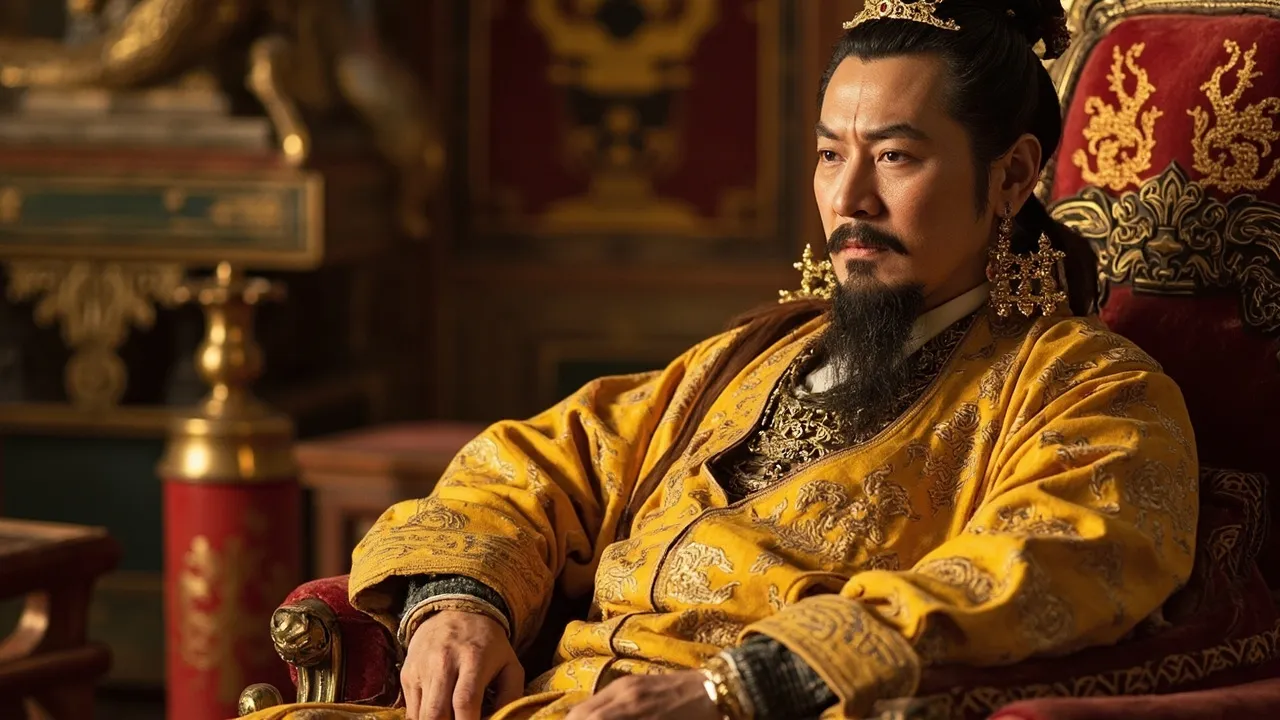
Among the rebel leaders was a man who would become one of China’s most famous emperors: Zhu Yuanzhang. Born into a poor peasant family in 1328, Zhu lost his parents to famine and plague as a child. He became a monk, then joined a rebel army fighting against Mongol rule. Through a combination of military skill and political acumen, Zhu gradually unified the rebel forces under his command. In 1368, he captured Beijing, drove out the Mongols, and declared the Ming Dynasty. He took the name Hongwu Emperor, meaning “Enormous Martial Virtue.”
Hongwu proved to be a complicated ruler. Having grown up in poverty, he had deep sympathy for ordinary peasants—and deep suspicion of the wealthy elites and officials who had oppressed them. He instituted policies aimed at helping farmers, including land redistribution and tax relief. At the same time, he became increasingly paranoid and authoritarian, purging officials he suspected of disloyalty and establishing a secret police force that terrorized the population.
Despite these darker aspects, Hongwu’s reign established the foundations for Ming greatness. He rebuilt the bureaucracy, restored the civil service examination system, and rebuilt the Chinese economy. Most importantly, he provided stability after decades of chaos—a stable platform from which his successors would build something extraordinary.
Zheng He and the Treasure Voyages
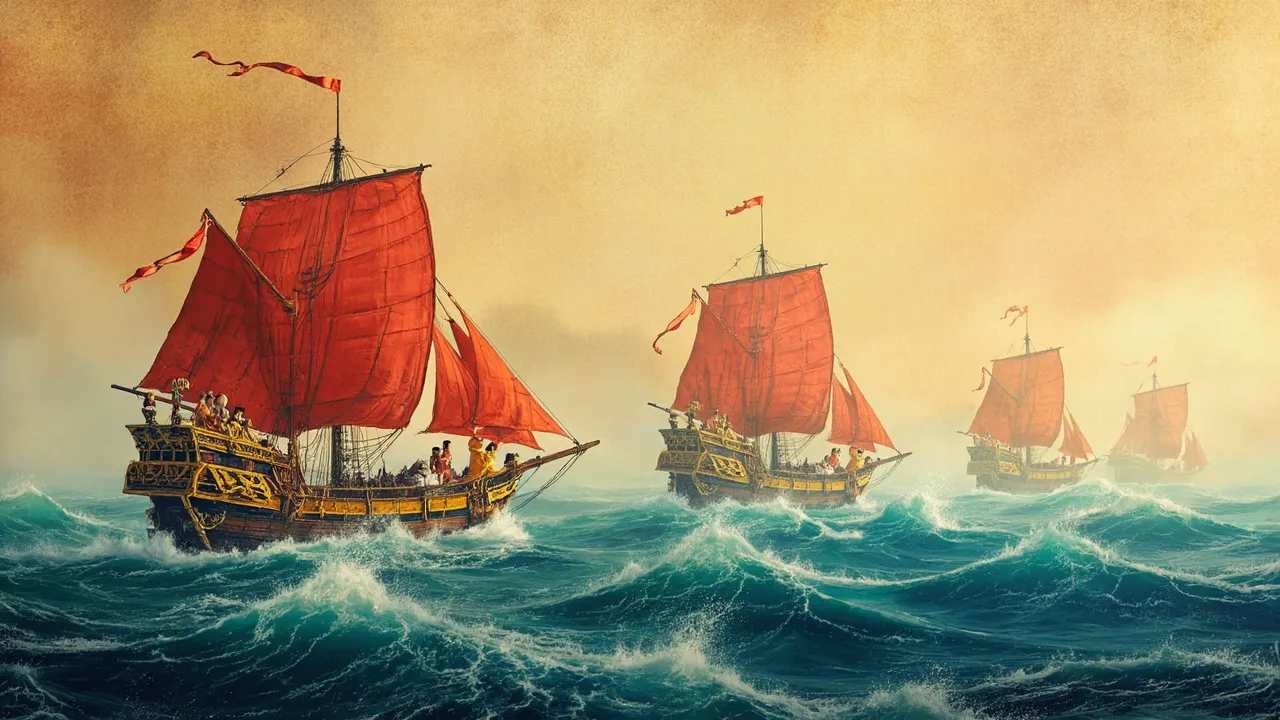
If there’s one image that captures the Ming Dynasty at its peak, it’s the treasure voyages of Zheng He. These massive naval expeditions, spanning roughly from 1405 to 1433, represented the largest naval operation in world history before the modern era—and perhaps the most impressive feat of seamanship and navigation that the premodern world produced.
Zheng He was not a typical Chinese official. Born Ma He to a Muslim family in what’s now Yunnan Province, he was captured as a child during Ming campaigns against local rulers and became a eunuch in the imperial court. Through ability and good fortune, he rose to become a trusted admiral of the Yongle Emperor, the third Ming emperor.
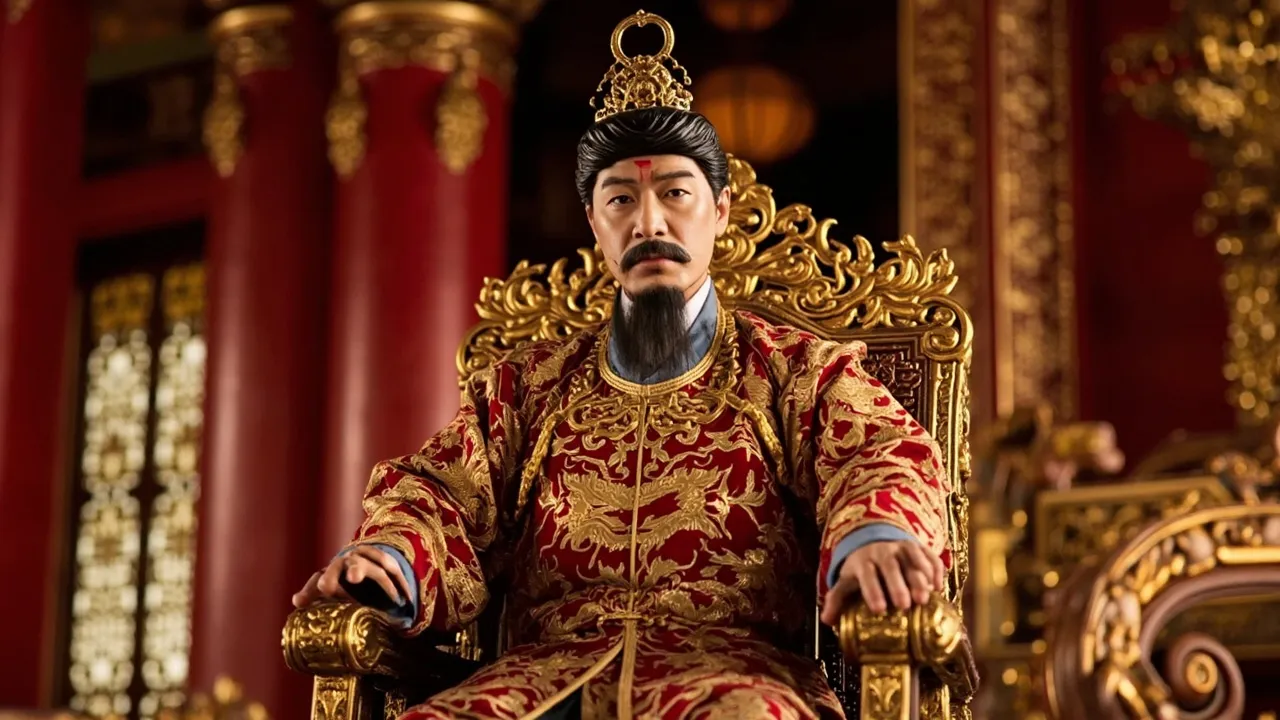
The Yongle Emperor had grand ambitions. He had moved the capital from Nanjing to Beijing, begun construction of the Forbidden City, and wanted to extend Chinese influence across the known world. Zheng He, with his maritime experience and organizational genius, was the perfect instrument for this vision.
Between 1405 and 1433, Zheng He led seven major expeditions. His fleet included the famous “treasure ships”—enormous vessels that some sources say reached over 400 feet in length, though modern estimates suggest more like 200-250 feet. Either way, these were the largest wooden ships ever built. The total fleet included hundreds of vessels, from massive treasure ships to supply ships, warships, and horse transports.
Zheng He’s voyages reached destinations that would have been unimaginable: the Philippines, Indonesia, Sri Lanka, India, Persia, the Arabian Peninsula, and the east coast of Africa. At the peak of his third voyage (1409-1411), he visited Calicut in India, which had long been a center of trade. His sixth voyage (1421-1422) sent fleets simultaneously to over 20 countries, an operation that wouldn’t be matched for centuries.
What was the purpose of these voyages? The Ming emperors framed them in terms of tribute—distant rulers sending gifts to the Emperor of China, acknowledging his supremacy. In reality, these voyages were about establishing trade networks, demonstrating Chinese power and prestige, and bringing back foreign products and knowledge. Zheng He returned with giraffes (presented as “qilin,” mythical creatures heralding great rulers), jewels, spices, and ambassadors from dozens of kingdoms.
Why did the Ming stop these voyages? Historians argue about this. The cost was enormous. Some officials argued that the voyages enriched only merchants and bureaucrats while draining the imperial treasury. The death of the Yongle Emperor in 1424 and the succession of more conservative emperors eventually led to the voyages’ termination. By the 1440s, China had turned inward, and the great ships were left to rot. By the time European explorers arrived in the 16th century, Chinese naval power had declined dramatically—a decision that would have profound consequences for world history.
The Forbidden City and Architectural Marvels
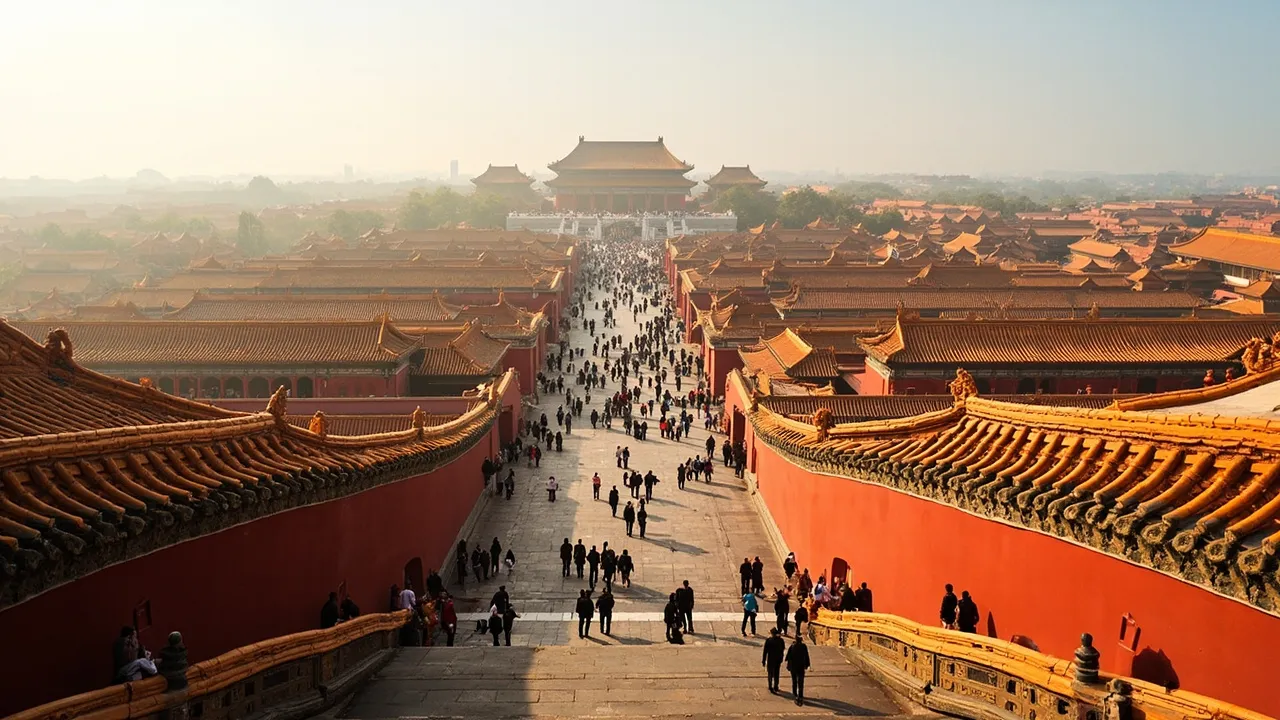
While Zheng He’s ships were conquering the seas, the Ming emperors were building something equally enduring on land: the Forbidden City in Beijing. This massive palace complex, the largest wooden palace in the world, remains one of humanity’s architectural achievements.
The Forbidden City was constructed between 1406 and 1420, during the reign of the Yongle Emperor. Over a million workers, including artisans, craftsmen, and laborers, participated in its construction. The complex covers 180 acres, includes 980 buildings, and contains roughly 8,700 rooms. Every element—from the famous golden roof tiles to the intricate wooden carvings—reflects the pinnacle of Ming craftsmanship.
The name “Forbidden City” comes from the fact that ordinary citizens were forbidden from entering without imperial permission. For nearly 500 years, this was the seat of Chinese power—first under the Ming, then the Qing Dynasty that followed. Twenty-four emperors lived and ruled from within these walls.
What makes the Forbidden City so remarkable? First, its layout follows strict principles of Chinese cosmology and governance. The complex is divided into two main sections: the Outer Court, where the emperor conducted public business, and the Inner Court, where he lived with his family. Everything is symmetrical, oriented along a north-south axis, with the emperor’s throne placed at the exact center—the literal center of the universe, according to Chinese cosmology.
Second, the colors are significant. The yellow tiles on the main roofs represent the emperor, the center of everything. Green tiles were reserved for the crown prince, while blue (representing the sky) marked the Temple of Heaven. The vermilion red columns and walls symbolize good fortune and joy.
Beyond the Forbidden City, the Ming Dynasty left an indelible mark on Chinese architecture. The reconstruction and extension of the Great Wall during the Ming period created the version we recognize today—fortifications, watchtowers, and the stunning mountain-spanning wall that still draws millions of visitors. Ming-era temples, pagodas, and garden pavilions across China continue to showcase the era’s architectural excellence.
The Ming Golden Age of Culture and Commerce
The Ming Dynasty wasn’t just about emperors and admirals—it was a period of remarkable cultural flowering that touched every aspect of Chinese life. Literature, art, commerce, and technology all reached new heights during these centuries.
The Ming period is considered the golden age of Chinese porcelain. The reign of the Xuande Emperor (1425-1435) produced ceramics so refined that they remain the most prized in the world. The famous blue-and-white porcelain—white ceramic decorated with cobalt blue designs—became one of China’s most valuable exports, traded across Asia, Africa, and eventually Europe. This porcelain was so highly valued that European collectors paid fortunes for it, and the very word “china” became synonymous with fine ceramics.
Ming literature produced some of China’s most beloved works. The novel “Journey to the West,” attributed to Wu Cheng’en and written in the 16th century, tells the story of the Monkey King and remains a cultural touchstone in China today. “The Plum in the Golden Vase,” a massive novel exploring themes of sexuality, morality, and power, pushed the boundaries of what was acceptable in literature.
In painting, the Ming period saw the development of new styles that moved beyond the conservative approaches of earlier periods. The Wu School of painting, based in Suzhou, emphasized literati painting—works by scholar-amateurs who painted for personal expression rather than official commissions. This tradition produced some of the most refined and beloved works in Chinese art history.
The Ming economy was remarkably vibrant. The abolition of the Mongol restrictions on commerce opened trade. Chinese merchants became increasingly active in domestic and international commerce. New industries emerged, and cities grew. The southern city of Suzhou became one of the wealthiest and most cultured cities in the world, famed for its silk production, its gardens, and its scholars.
Technology also advanced during the Ming. The period saw improvements in metallurgy, shipbuilding, and military technology. The famous “Ming dynasty” of Chinese gunpowder weapons—cannons, firearms, and rockets—represented significant advances in military technology, though they ultimately couldn’t prevent the dynasty’s fall.
The Decline and Fall
No dynasty lasts forever, and the Ming Dynasty began to show serious cracks by the late 16th century. The problems were multiple: corrupt officials, peasant rebellions, economic difficulties, and, most dramatically, the growing threat from beyond China’s borders.
The Ming had long relied on the Great Wall and defensive strategies to deal with nomadic threats from the north. But in the early 17th century, a new power emerged: the Manchus, a militaristic people from northeast of China. The Ming military, long neglected and corrupted, proved unable to stop the Manchu advance. In 1644, Beijing fell to a rebel army—but the Manchus soon took advantage of the chaos, seized the capital, and established the Qing Dynasty.
The Ming fall was messy and violent, but the dynasty’s legacy endured. The Qing, though Manchu, adopted much of Ming administrative practice. The Forbidden City remained the imperial palace. The Great Wall remained a symbol of Chinese civilization. And the cultural achievements of the Ming—its porcelain, its novels, its gardens, its architectural marvels—became the standard against which later Chinese achievements would be measured.