Dragon and Phoenix Symbolism: A Chinese Language of Harmony
Discover how the dragon and phoenix became a beloved Chinese symbol of marriage, balance, prosperity, and auspicious celebration.
Read More →Exploring the rich tapestry of Chinese Culture & History
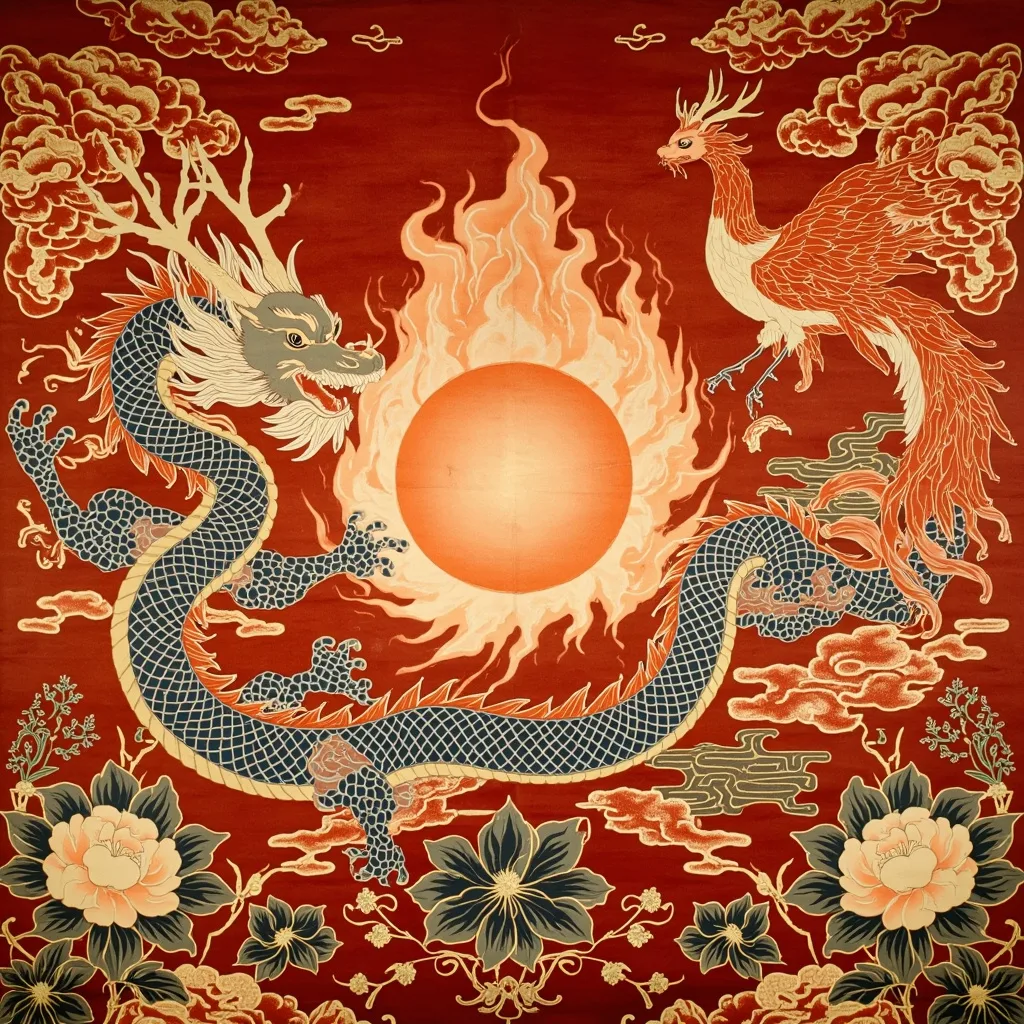
Discover how the dragon and phoenix became a beloved Chinese symbol of marriage, balance, prosperity, and auspicious celebration.
Read More →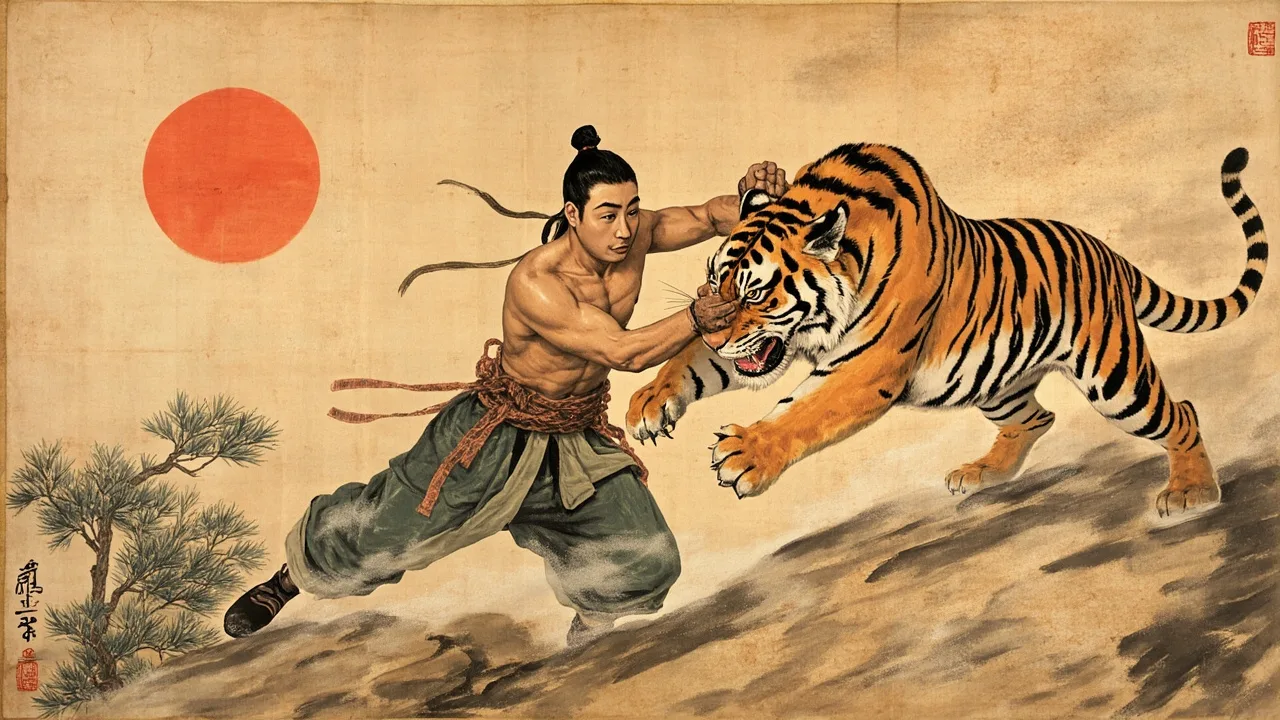
Wu Song, the barehanded tiger-killer of Jingyang Ridge, is the most popular hero from the Chinese classic Water Margin (水浒传). Here is the story behind the legend, and why a drunken brawl with a big cat has stayed famous for 700 years.
Read More →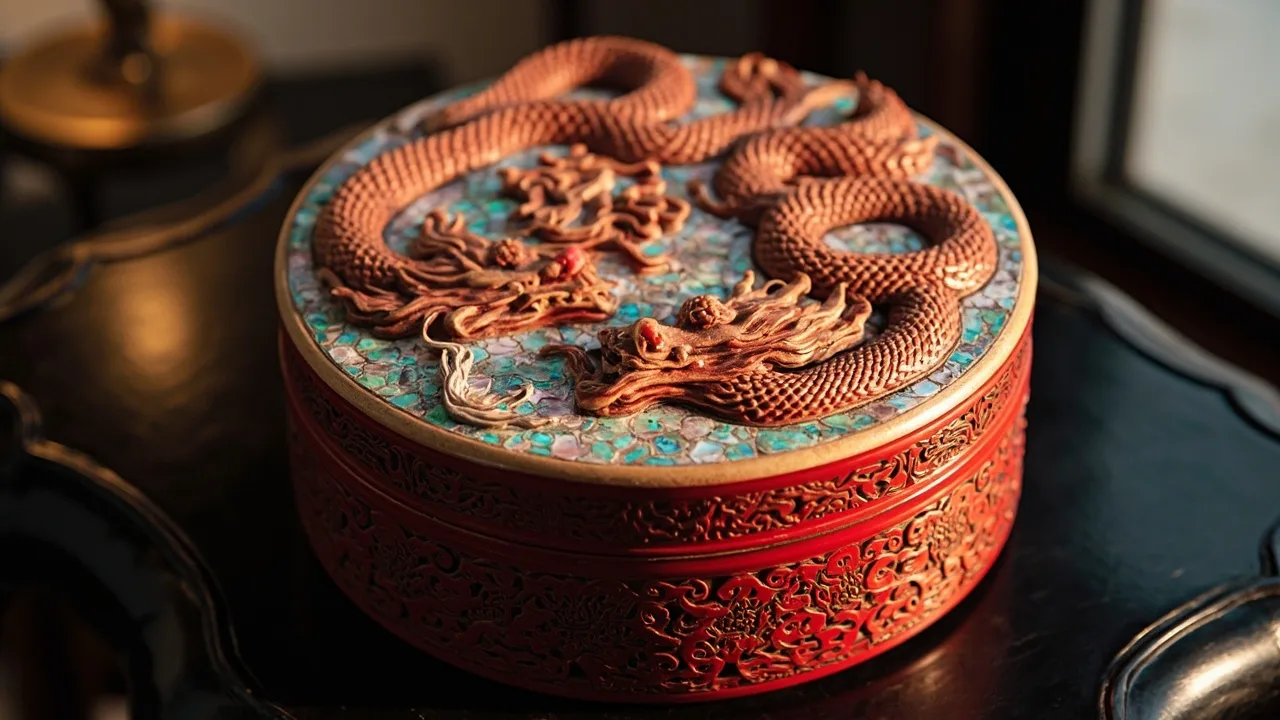
Chinese lacquerware (漆器) is a 7,000-year craft tradition where artisans build up 30+ thin layers of tree-sap lacquer, often carved or inlaid. Here is the history, the techniques, and how to start collecting.
Read More →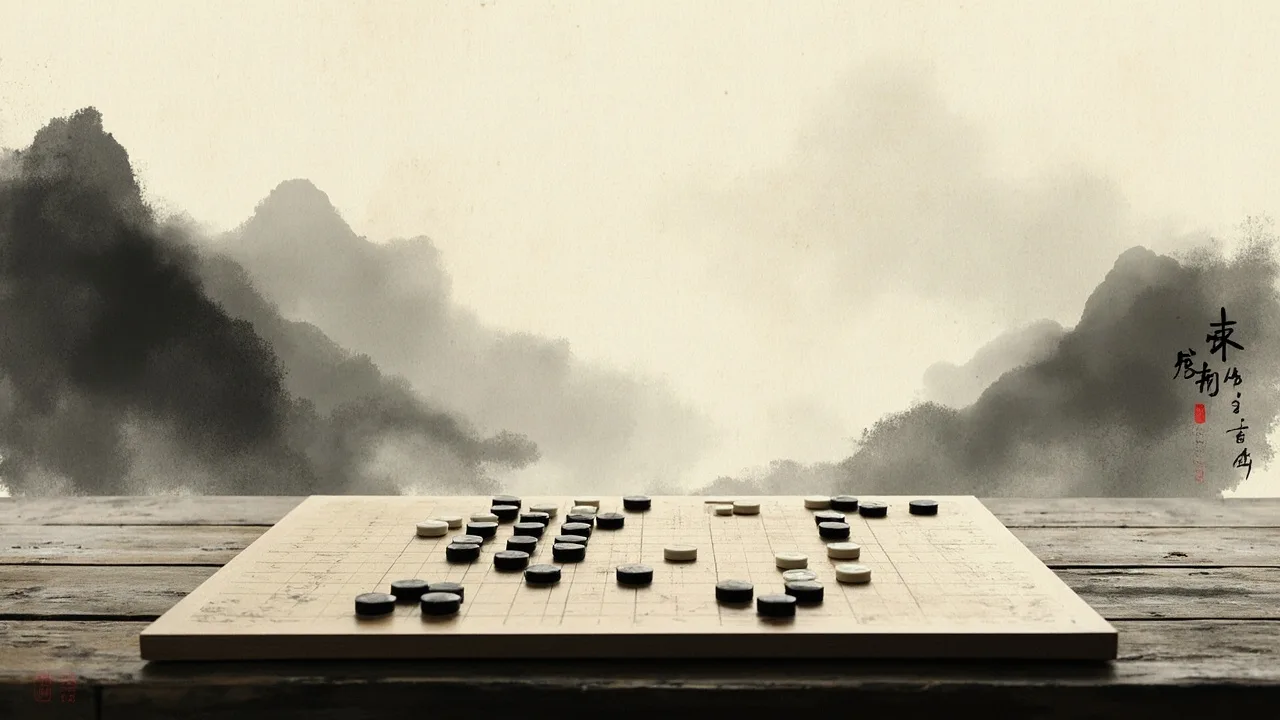
Weiqi, known in the West as Go, is a 4,000-year-old Chinese strategy game where two players surround territory on a 19x19 grid. Here is how it works, why it matters, and what AlphaGo changed.
Read More →
Joss paper (纸钱) is the tradition of burning paper money and spirit goods for ancestors in Chinese culture. Here is where it came from, how it works, and how visitors can participate respectfully.
Read More →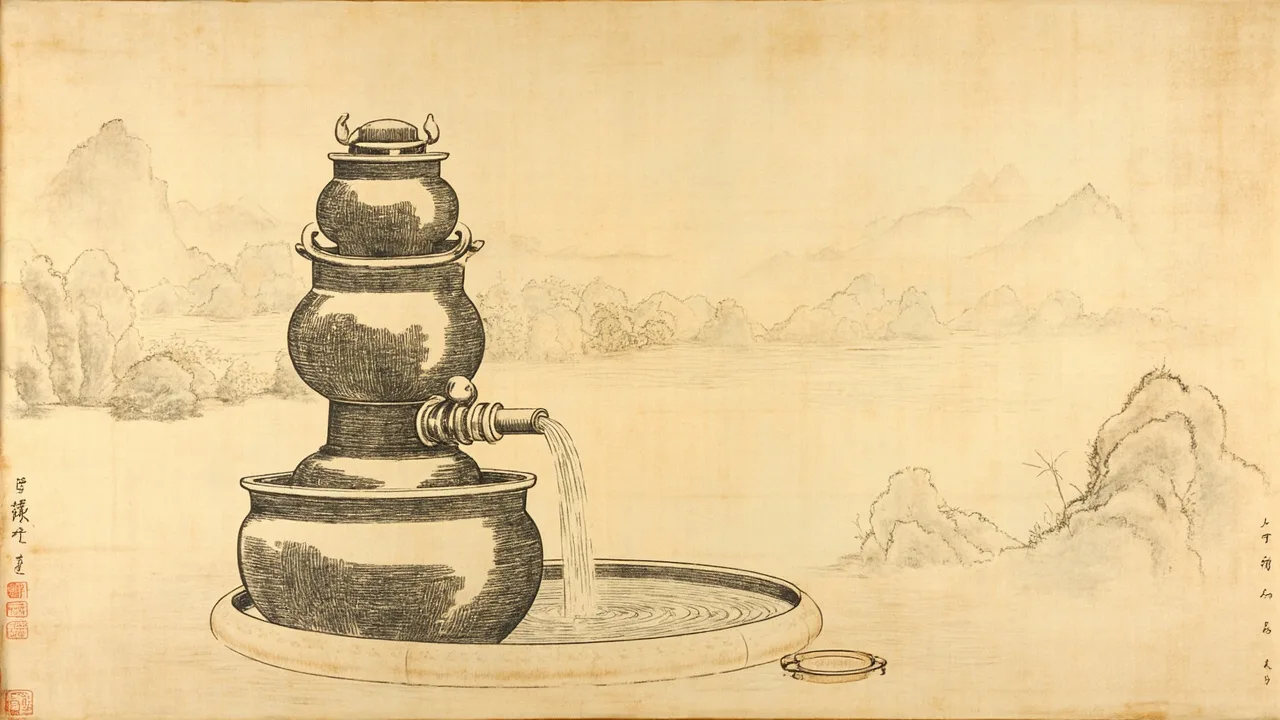
Long before mechanical clocks, China had water clocks (漏壶) that ran day and night. Han dynasty engineers refined them into precision instruments, and Su Song's Song-dynasty astronomical clock tower was a medieval marvel.
Read More →
The Hani rice terraces of Honghe in Yunnan are a 1,300-year-old agricultural landscape organized through forest, village, terraces, and water.
Read More →
The guqin is a seven-string Chinese zither shaped by Confucian learning, private practice, and stories such as Bo Ya and Ziqi, recognized by UNESCO in 2003.
Read More →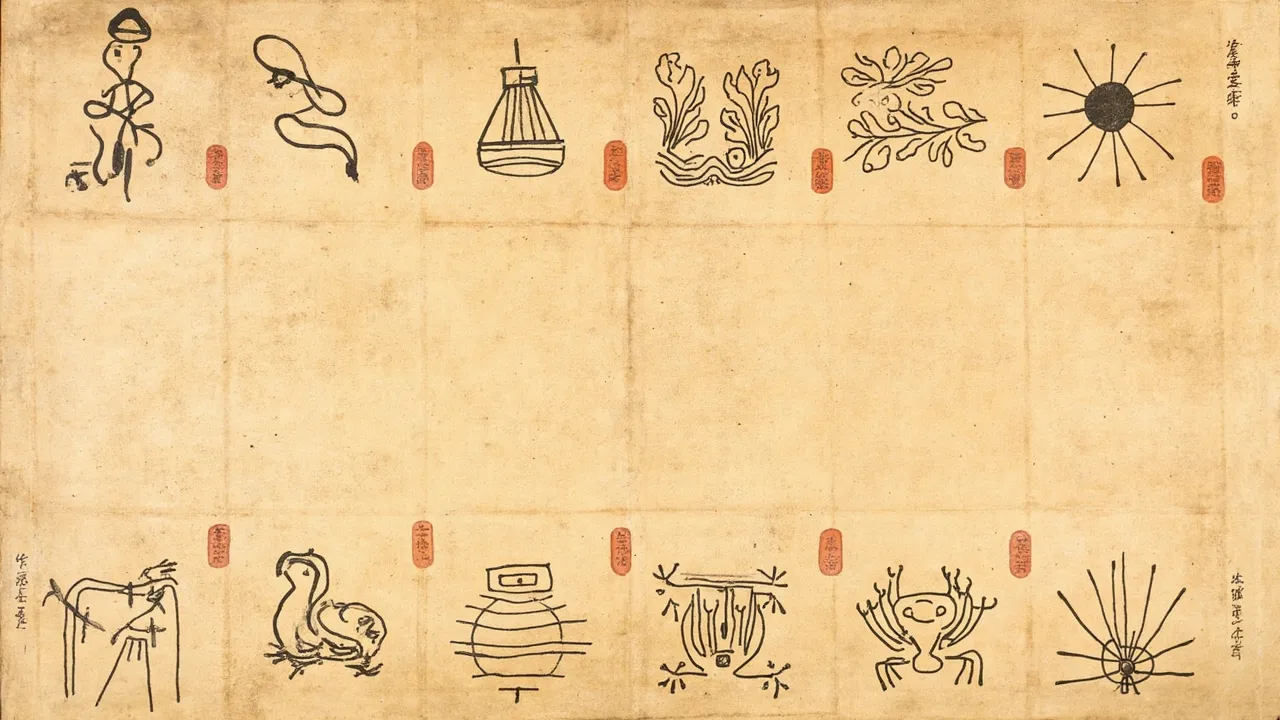
Explore Dongba script — the only surviving ancient pictographic writing system in daily use, created by the Naxi people of Yunnan. Learn about its 1,000-year history, how Dongba priests use it, and why UNESCO recognized it as a masterpiece of human heritage.
Read More →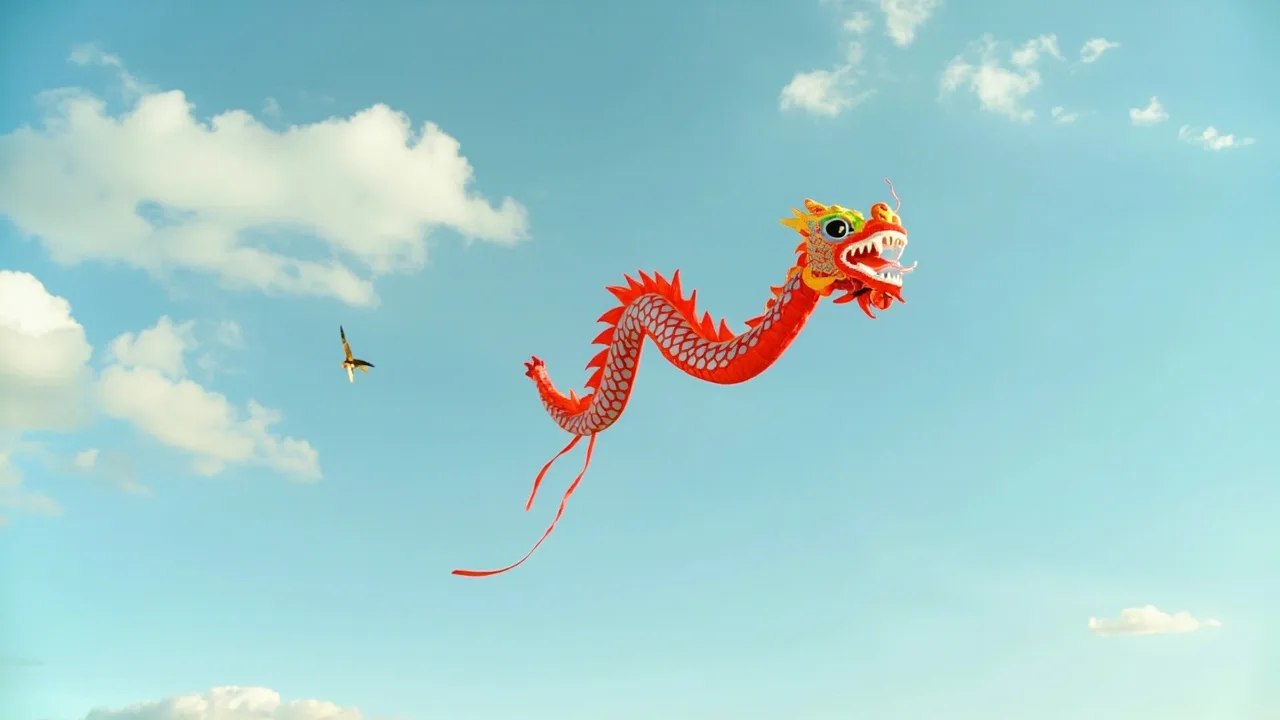
Beyond being a legendary invention, kite flying is a living Chinese tradition — a meditative practice, a social ritual, and a way of connecting with nature. Learn how, when, and where Chinese people fly kites, the spiritual meaning behind the practice, and how Americans can join the tradition.
Read More →