Wang Xizhi and the Orchid Pavilion Preface - The Birth of Chinese Calligraphy
How Wang Xizhi wrote the Lantingji Xu at a springtime drinking party in 353 CE and changed Chinese calligraphy forever — the man, the work, the legend.
Read More →Exploring the rich tapestry of Chinese Culture & History
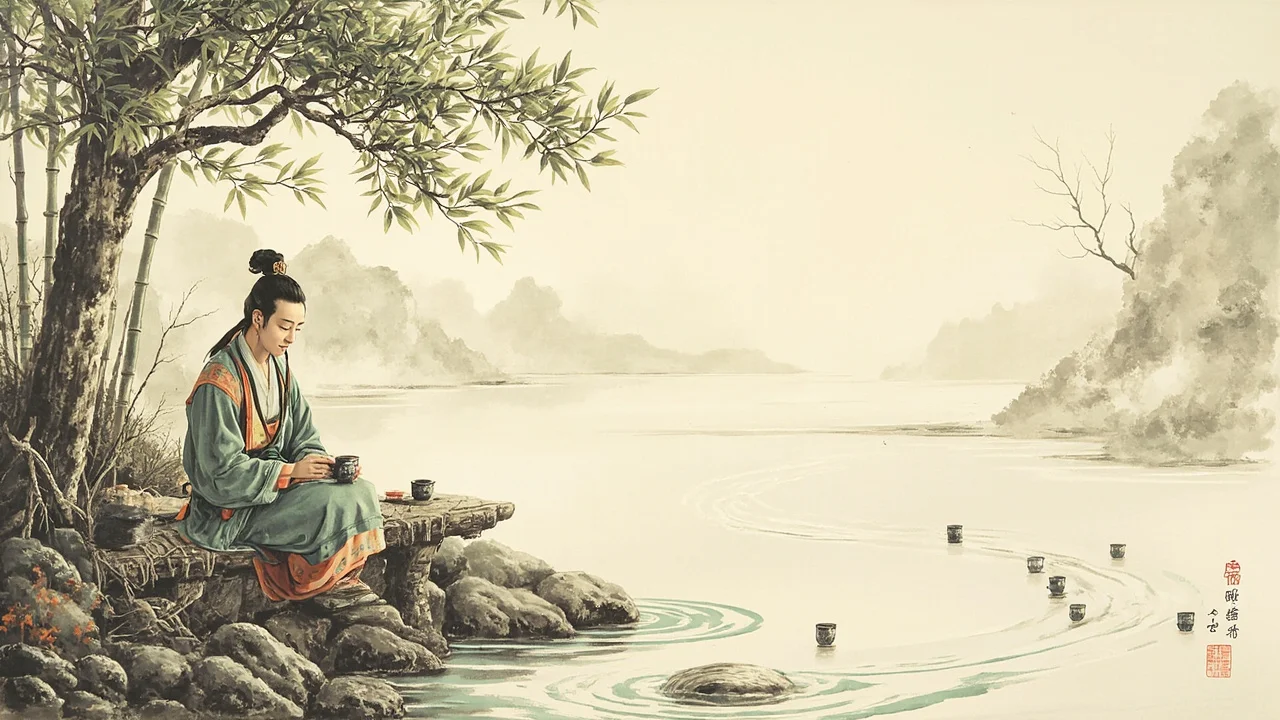
How Wang Xizhi wrote the Lantingji Xu at a springtime drinking party in 353 CE and changed Chinese calligraphy forever — the man, the work, the legend.
Read More →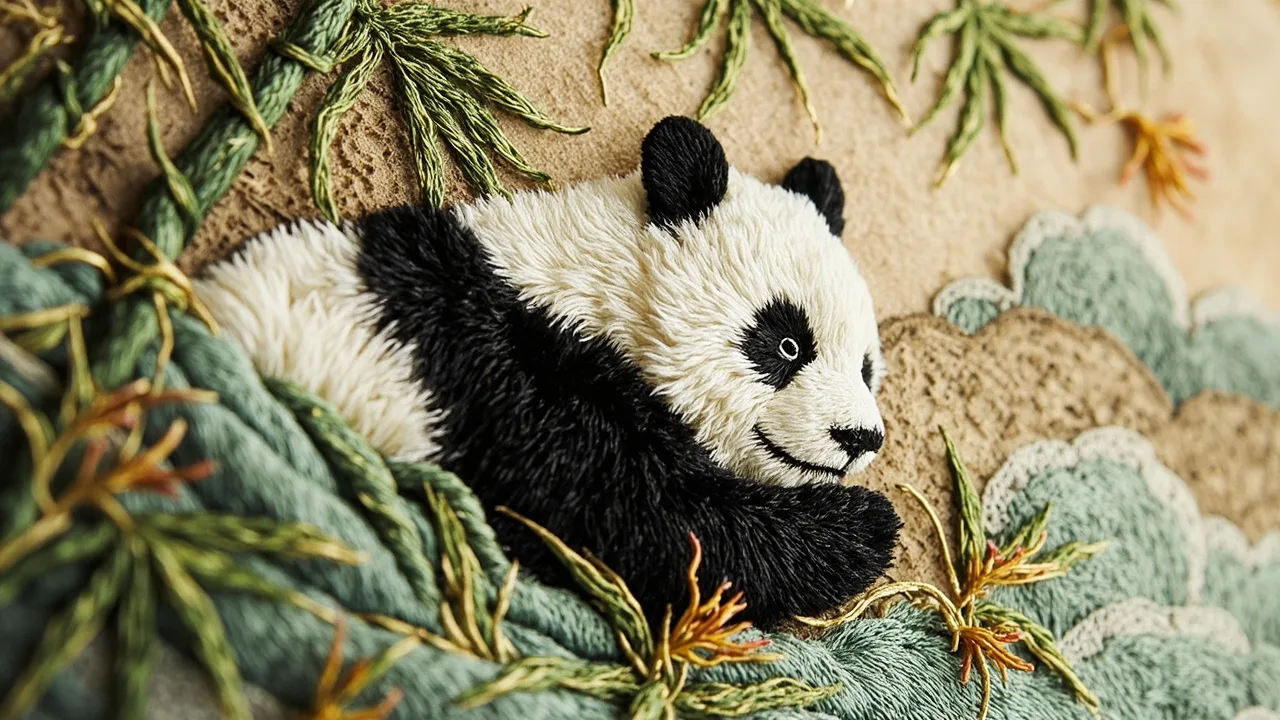
Shu embroidery (蜀绣) from Sichuan weaves silk thread into phoenixes, pandas, and lotus. Over two thousand years old, one of Chinas four great embroidery schools.
Read More →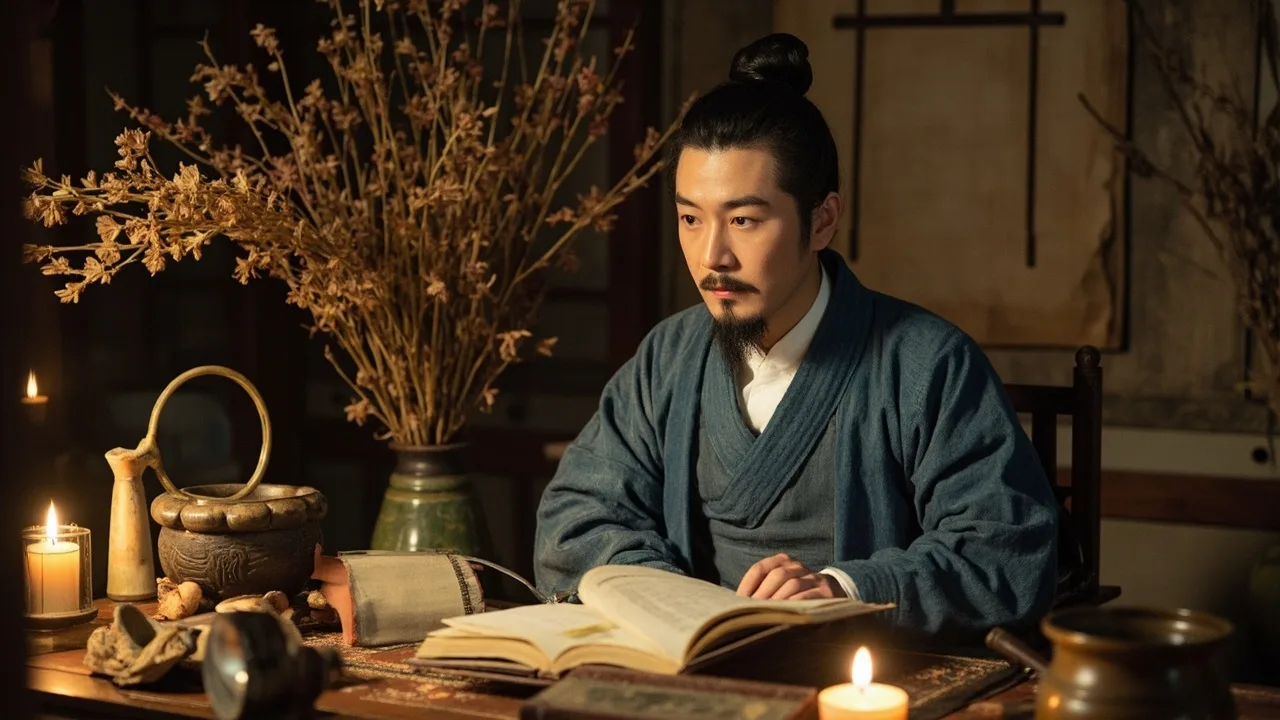
Li Shizhen spent 27 years writing the Bencao Gangmu, a Ming dynasty encyclopedia of 1,892 medicinal plants, animals, and minerals. Here is his life and legacy.
Read More →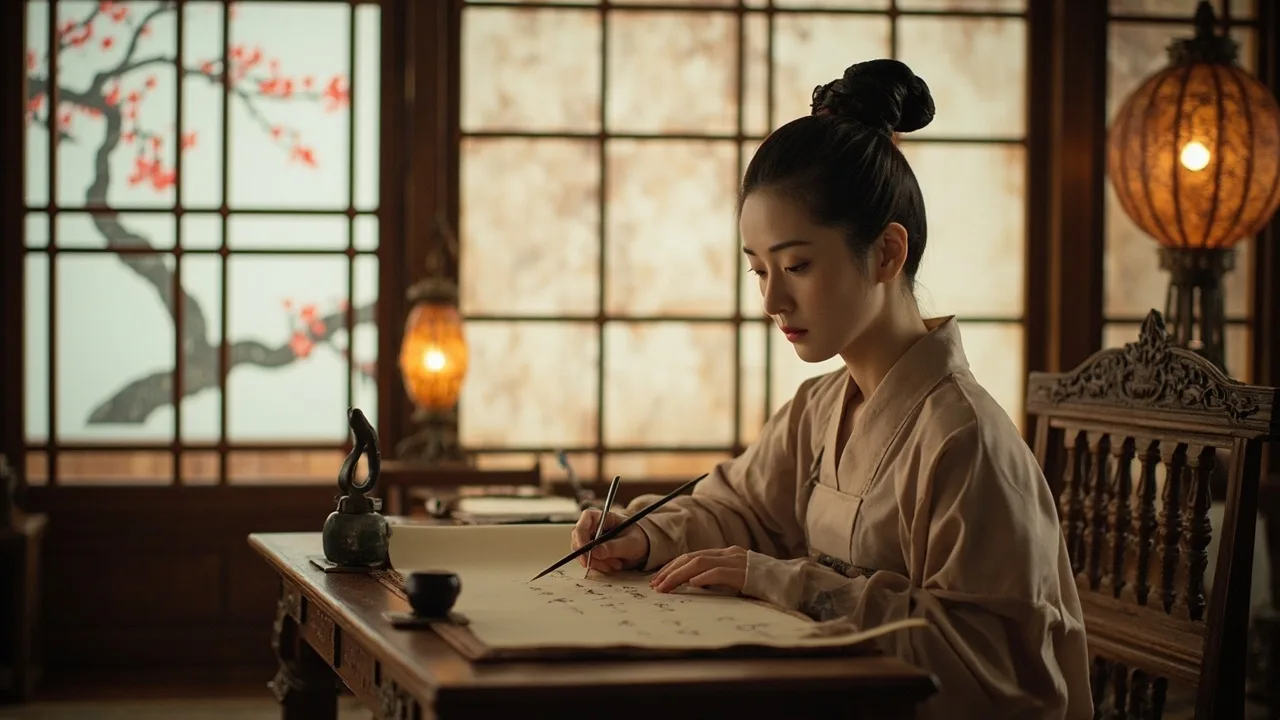
Li Qingzhao of the Song dynasty (1084 - c.1155) wrote ci poetry so sharp and tender it still feels modern. Here is her life, her art, and what she left behind.
Read More →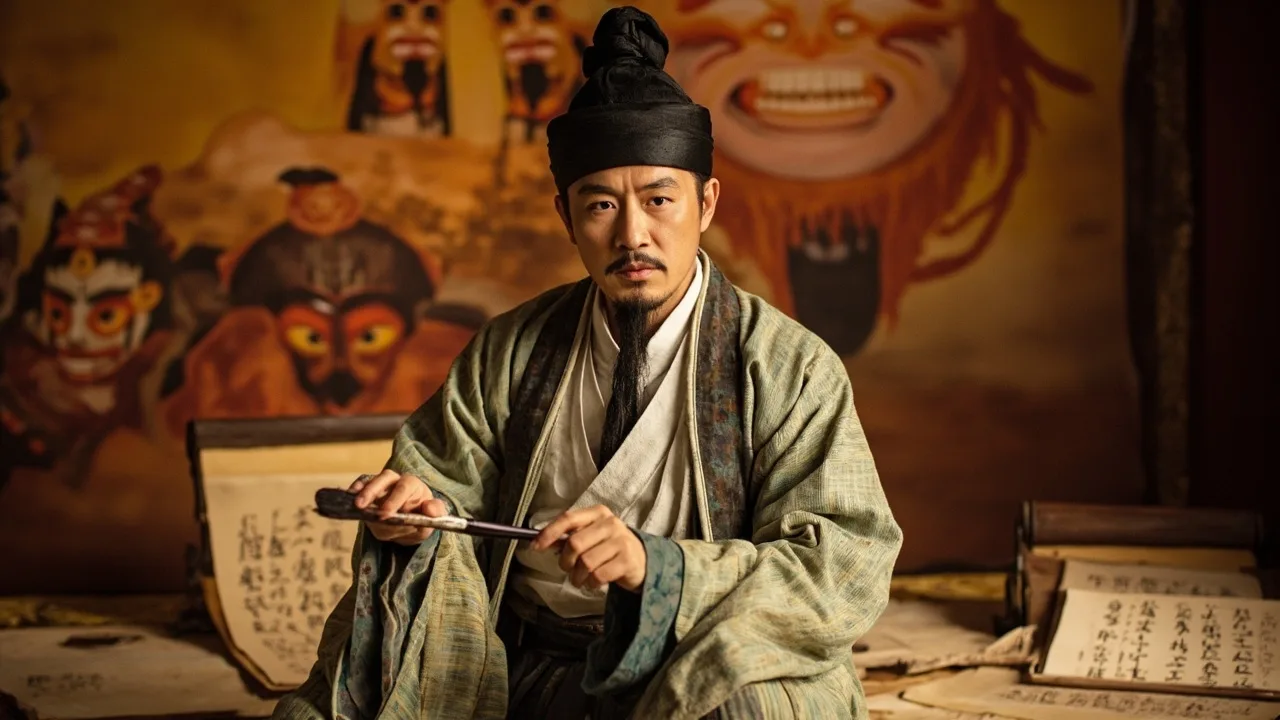
Guan Hanqing, the father of Chinese drama, wrote zaju plays for the Yuan dynasty stage. The four masters of Yuanqu shaped the art of theater in East Asia.
Read More →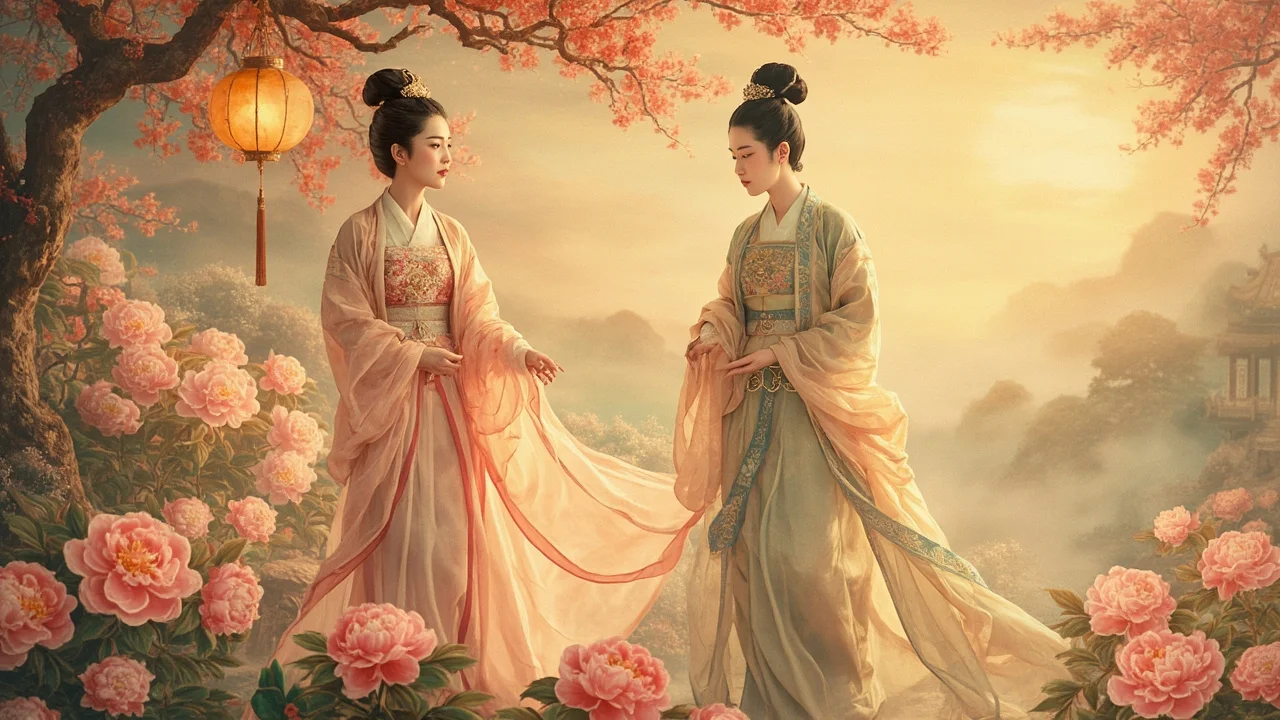
Bai Juyi's 806 CE Changhenge turned Emperor Xuanzong and Yang Guifei into China's most famous tragic lovers — the poem, the history, the enduring afterlife.
Read More →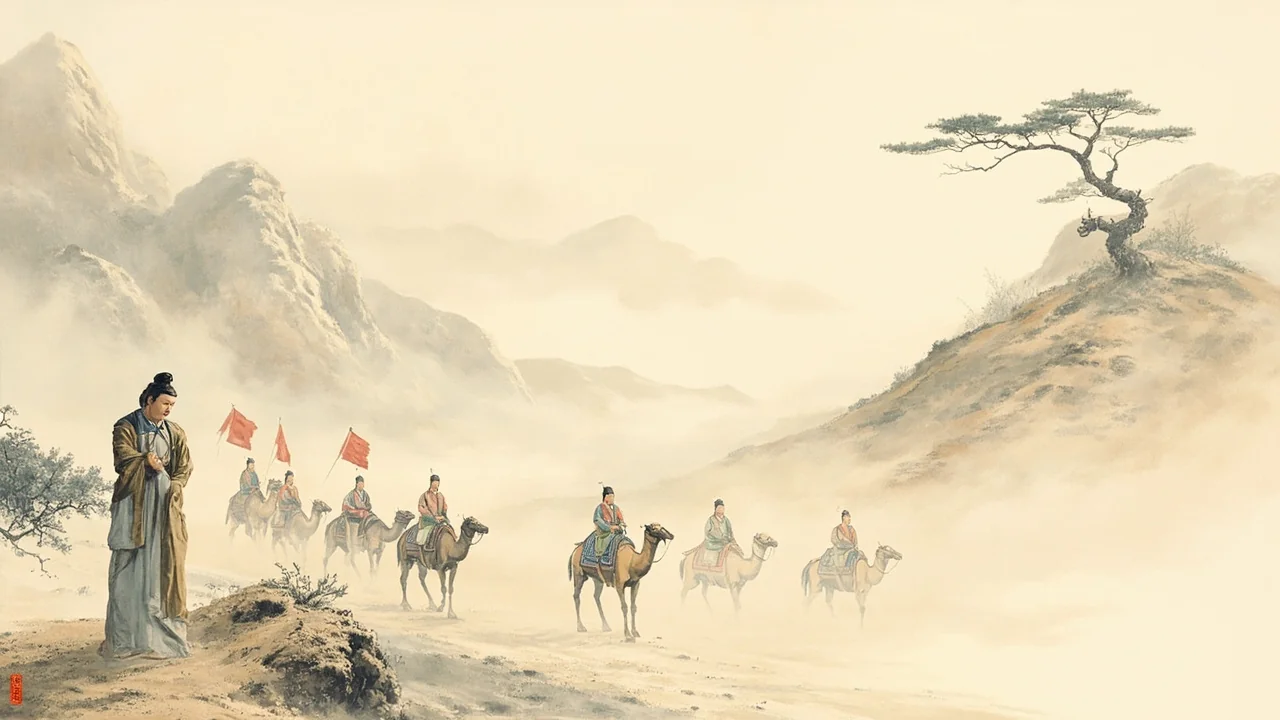
The untold story of the Han Dynasty diplomat who trekked 4,000 miles into the unknown, survived captivity, and accidentally connected Rome to China — creating the trade route we still call the Silk Road.
Read More →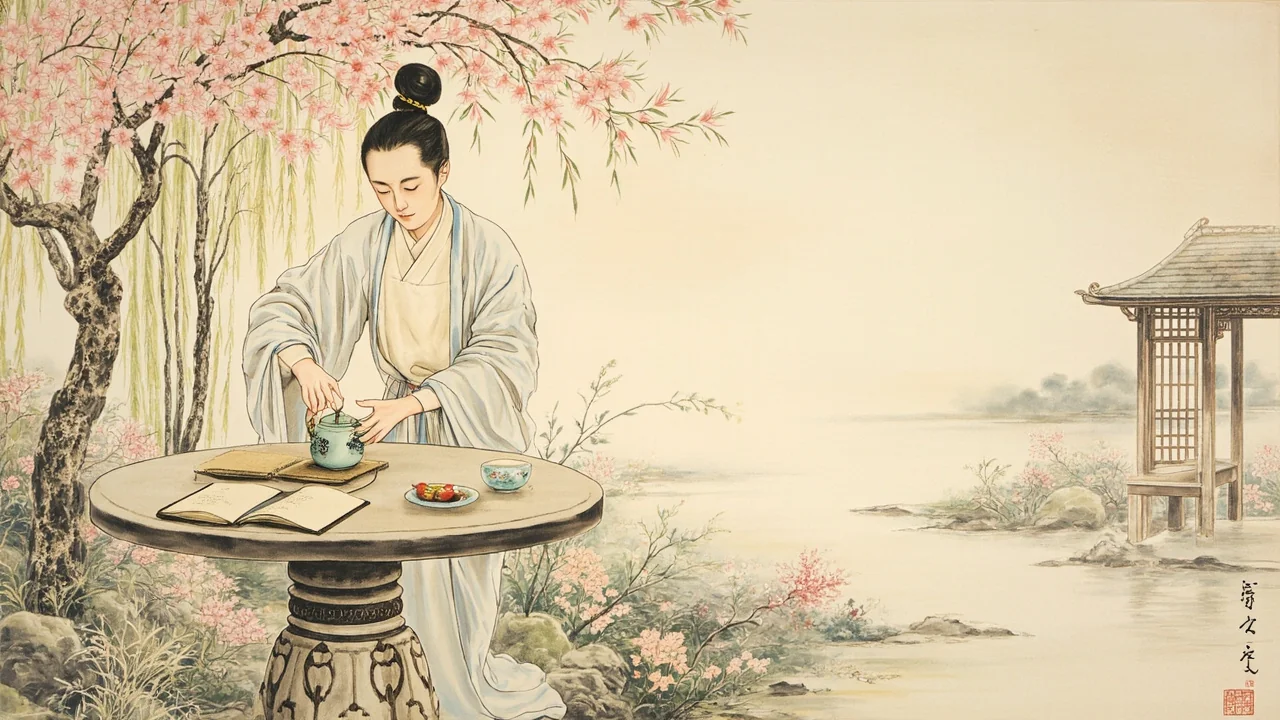
The Qing Dynasty poet, official, and obsessive home cook who retired to his garden in Nanjing, kept forty mistresses, and wrote a cookbook so precise it is still in print.
Read More →
The Ming Dynasty official, military commander, and philosopher who developed one of the most radical ideas in Chinese thought — that the mind is the universe, that knowledge without action is not knowledge, and that everyone has the capacity to become a sage.
Read More →
The Eastern Jin poet who quit his post rather than bow to a corrupt official, retreated to his farm, and wrote the most influential short story in Chinese literature — a 425-word utopia that still gets quoted two millennia on.
Read More →