There’s a moment every year when winter finally releases its grip and spring rushes in with full force. The air gets softer, flowers start popping up everywhere, and that familiar sense of renewal fills the atmosphere. In China, this time of year has a special name: Qingming (清明), which translates to “Pure Brightness.”
Qingming is unlike any other day on the Chinese calendar. It’s one of the few times when a solar term — a marker based on the sun’s position and climate patterns — also functions as a major traditional festival. That makes it pretty special. Let’s explore what Qingming means, how people celebrate it, and what health wisdom we can borrow from this ancient tradition.
The Meaning of Qingming
The term “Qingming” has two characters. The first, 清 (Qing), means clear, pure, or clean. The second, 明 (Ming), means bright or clear. Together, they paint a picture of clarity and brightness — which is exactly what this time of year represents. After the gray, dormant months of winter, everything around us seems to wash clean. The sky turns a deeper blue, the sunshine feels warmer, and the world just looks brighter.
This solar term falls between April 4th and 6th each year, most commonly landing on April 5th. In 2026, Qingming arrives on April 5th. It marks the transition from mid-spring to late spring, a period when nature really kicks into gear. The temperatures rise, rain becomes more frequent (which is why you’ll often hear people say “it rains during Qingming”), and the landscape transforms into a sea of green.
But Qingming isn’t just about the weather. In Chinese philosophy, this time carries deep meaning. It represents clarity of mind and spirit — a chance to clear away the fog of winter and embrace new beginnings. The ancient Chinese saw this as a perfect time for reflection, renewal, and honoring those who came before us.
What’s fascinating is how Qingming blends two seemingly different ideas: remembrance and rejuvenation. It’s a day to visit ancestral graves and pay respects to the deceased, but it’s also a time to get outside, enjoy the spring weather, and celebrate life. That might sound contradictory, but in Chinese culture, it makes perfect sense. Death is seen as part of nature’s cycle, not an ending but a transformation. By honoring the dead, we also celebrate the living world around us.
Traditional Customs
Tomb Sweeping
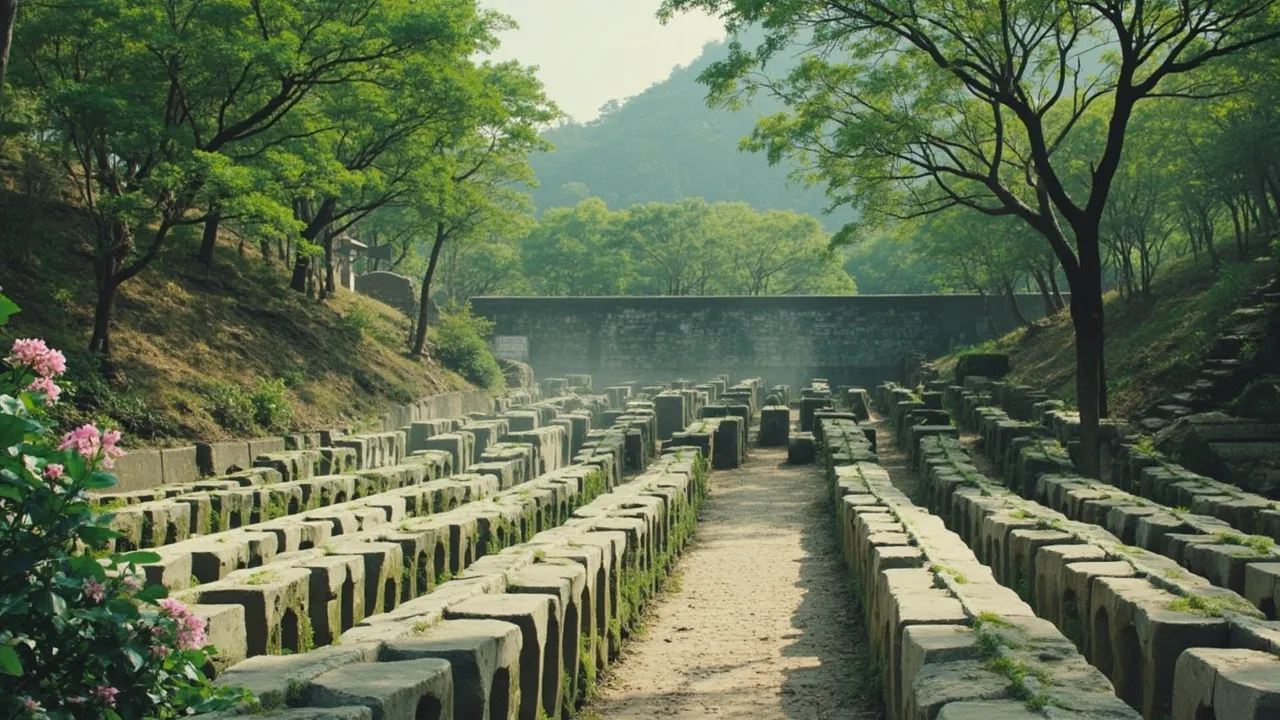
The most well-known tradition associated with Qingming is tomb sweeping, which is why the holiday is often called “Tomb Sweeping Day” in English. On this day, families travel to the graves of their ancestors to clean the site, remove weeds, and make offerings.
This isn’t a somber occasion in the way you might expect. Yes, there’s an element of respect and remembrance, but it’s also a family gathering. People bring food, drinks, and sometimes even picnic supplies to the gravesite. After taking care of the cleaning and offerings, families often stay to eat together in the beautiful spring weather. It’s a way of including deceased family members in the celebration of the season.
Traditional offerings include paper money (which is burned so the deceased can use it in the afterlife), fresh fruit, tea, and favorite foods of the departed. You’ll also see people lighting candles and incense, bowing before the graves, and sharing stories about their ancestors. The act of sweeping the tomb is both practical — keeping the gravesite tidy — and symbolic, representing the act of remembering and honoring.
Spring Outings
Qingming is also known as a time for spring outings, called踏青 (taqing) in Chinese, which literally means “treading on the green.” After being cooped up during the cold months, people eagerly head outside to enjoy the spring scenery.
Parks, gardens, and countryside areas fill with families and friends on this day. They picnic under blooming trees, take walks through flower-filled fields, and simply soak in the beauty of the season. The timing couldn’t be better — cherry blossoms, peach blossoms, and rape flowers are often at their peak during Qingming.
This tradition connects to the Chinese belief in living in harmony with nature. Spring is a time of growth and vitality, and the ancient Chinese saw it as essential to align ourselves with this energy. Spending time outdoors, breathing fresh air, and connecting with the natural world was considered crucial for health and well-being.
Flying Kites
Kite flying is another beloved Qingming activity. The spring weather provides perfect conditions — gentle breezes, mild temperatures, and plenty of open space. Families gather in parks and fields to fly kites of all shapes and sizes.
In some regions, there’s a particular custom where people write wishes or prayers on their kites and then release them, believing the wind will carry their hopes to the heavens. It’s a beautiful image — colorful kites floating upward, each one carrying someone’s wishes into the sky.
Kite flying during Qingming also has a playful side. Children especially love this activity, and it’s common to see elaborate kites in the shapes of dragons, butterflies, and other creatures dancing above the fields.
Eating Cold Food
Here’s an interesting tradition: on Qingming, many people eat cold food. This practice has historical roots going back over 2,500 years to the story of Jie Zitui, a loyal minister who sacrificed his life for his lord. During the period of his death, people were forbidden from using fire to cook, hence the tradition of eating cold food.
Today, this translates to special Qingming foods that are easy to prepare and don’t require cooking. Different regions have their own specialties, but common foods include sweet rice balls (青团, qingtuan), which are made with glutinous rice and mugwort leaf giving them their distinctive green color. These sticky, sweet treats have become synonymous with the festival.
Other traditional foods include crisp fried wheat cakes, steamed rice cakes, and various cold dishes made with fresh spring vegetables. The emphasis on fresh, simple foods aligns with the spring health philosophy we’ll discuss later.
Wearing Willow Branches
In some parts of China, people wear willow branches on their heads or hang them outside their doors during Qingming. The willow is associated with resilience and flexibility in Chinese culture — it bends but doesn’t break in the wind. Wearing a willow branch is believed to bring good luck and protect against misfortune in the coming year.
Health Tips for Qingming
Traditional Chinese Medicine (TCM) has long recognized that each season requires different health practices. Spring, and particularly Qingming, is a time to focus on clearing, renewal, and gentle movement. Here are some health tips inspired by this ancient wisdom that you can apply in your own life.
Embrace Light, Nourishing Foods
According to TCM, spring is the time when the liver functions at its peak. The liver is associated with smooth flow and movement — of energy, of emotions, and of physical processes. To support this natural energy, spring diets focus on light, fresh foods rather than heavy, rich winter fare.
During Qingming, consider incorporating more fresh vegetables into your meals. Leafy greens like spinach, lettuce, and fresh herbs are excellent choices. These foods are believed to help “clear” the body of winter’s stagnation and support the liver’s cleansing functions.
Sweet foods are also favored during this time, but in moderation. The sweet taste in TCM is associated with nourishment and strengthening. Think sweet potatoes, dates, and轻度 sweet fruits rather than heavy desserts.
It’s also recommended to eat warm, cooked foods rather than raw, cold ones. Even though spring is warming up, your digestive system still benefits from foods that are easier to process. Soups, steamed vegetables, and warm grains are ideal.
Get Outside and Move
The spring outing tradition isn’t just cultural — it’s genuinely good for your health. After months of cold weather keeping people indoors, Qingming encourages everyone to get outside and move.
Gentle exercise is particularly beneficial during this time. Walking, gentle hiking, stretching, and tai chi are all excellent choices. The idea is to move your body without exhausting it. Spring energy is rising, and过度 strenuous activity can work against this natural flow.
Outdoor activities also provide exposure to natural light, which helps regulate your circadian rhythm and boosts vitamin D levels. The fresh spring air, filled with pollen and negative ions from growing plants, can also have invigorating effects on your respiratory system.
Protect Your Liver
In TCM, spring is the season of the liver, and Qingming is a particularly important time for liver health. The liver is responsible for the smooth flow of qi (life energy) throughout the body. When the liver is functioning well, you feel energetic, emotionally balanced, and physically comfortable.
To support liver health, consider incorporating bitter foods into your diet. Bitter tastes are associated with the liver in TCM and are believed to help drain dampness and clear heat. Dandelion greens, chrysanthemum tea, and foods with a mildly bitter taste are good choices.
It’s also advisable to avoid excessive alcohol, fried foods, and overly processed foods during this time, as these can create heat and stagnation in the liver. Staying hydrated with water and herbal teas supports the liver’s detoxification functions.
Practice Emotional Balance
The liver in TCM is closely connected to emotional health, particularly anger and frustration. Spring is a time when emotions can run high — the energy is rising, and if it’s not properly channeled, it can manifest as irritability, mood swings, or feeling “stuck.”
Qingming, with its themes of remembrance and reflection, offers an opportunity for emotional processing. Taking time to remember and honor those who came before us can put our own lives in perspective. The act of visiting graves and reflecting on the cycle of life and death can be surprisingly grounding and calming.
If you’re feeling emotionally turbulent during this time, consider practices that promote emotional balance: meditation, gentle yoga, spending time in nature, or simply taking a few deep breaths. The spring energy supports growth and renewal, but it helps to have healthy outlets for strong emotions.
Stay Warm But Don’t Overheat
April weather can be unpredictable. Some days feel like summer, others can still carry a chill. TCM recommends dressing in layers during spring, keeping the body warm but not overheating.
The old saying “春捂秋冻” (spring cover, autumn expose) reflects this wisdom. Basically, it’s better to keep yourself slightly warm in spring rather than getting cold too early. The body is adjusting from winter’s cold to spring’s warmth, and sudden temperature changes can stress the immune system.
Pay particular attention to keeping your neck, shoulders, and lower back warm, as these areas are considered vulnerable to wind and cold in TCM. A light scarf or jacket on cooler days can make a big difference.
Connect with Nature
Perhaps the most important Qingming health tip is simply to spend time in nature. This isn’t just about exercise — it’s about connecting with the living world around you. Spring is a time of tremendous life force, and being present in natural settings allows you to tap into that energy.
Whether it’s a formal spring outing to a park or garden, or just spending time in your own backyard, making an effort to connect with nature during Qingming can have profound effects on your well-being. Notice the new growth, listen to the birds, feel the warmth of the sun. These simple experiences can be deeply restorative.
Conclusion
Qingming is a beautiful example of how Chinese culture weaves together remembrance and renewal. On this day, people honor their ancestors while also celebrating the arrival of spring. They clean graves and fly kites, eat traditional foods and enjoy spring outings. It’s a time of contradictions that somehow makes perfect sense — life and death, past and present, stillness and movement.
The health wisdom embedded in Qingming traditions offers valuable lessons for modern life. Lighten your diet, get outside, move gently, protect your liver, balance your emotions, and stay connected to nature. These aren’t just ancient superstitions — they’re practical strategies for thriving during the spring season.
So as Qingming approaches this year, consider stepping outside, breathing the fresh spring air, and appreciating the cycle of renewal that’s all around you. Whether you have Chinese heritage or simply appreciate the wisdom of traditional cultures, there’s something to gain from honoring this ancient celebration of pure brightness.
Qingming falls on April 5, 2026. Start planning your spring outing now — the flowers are waiting.