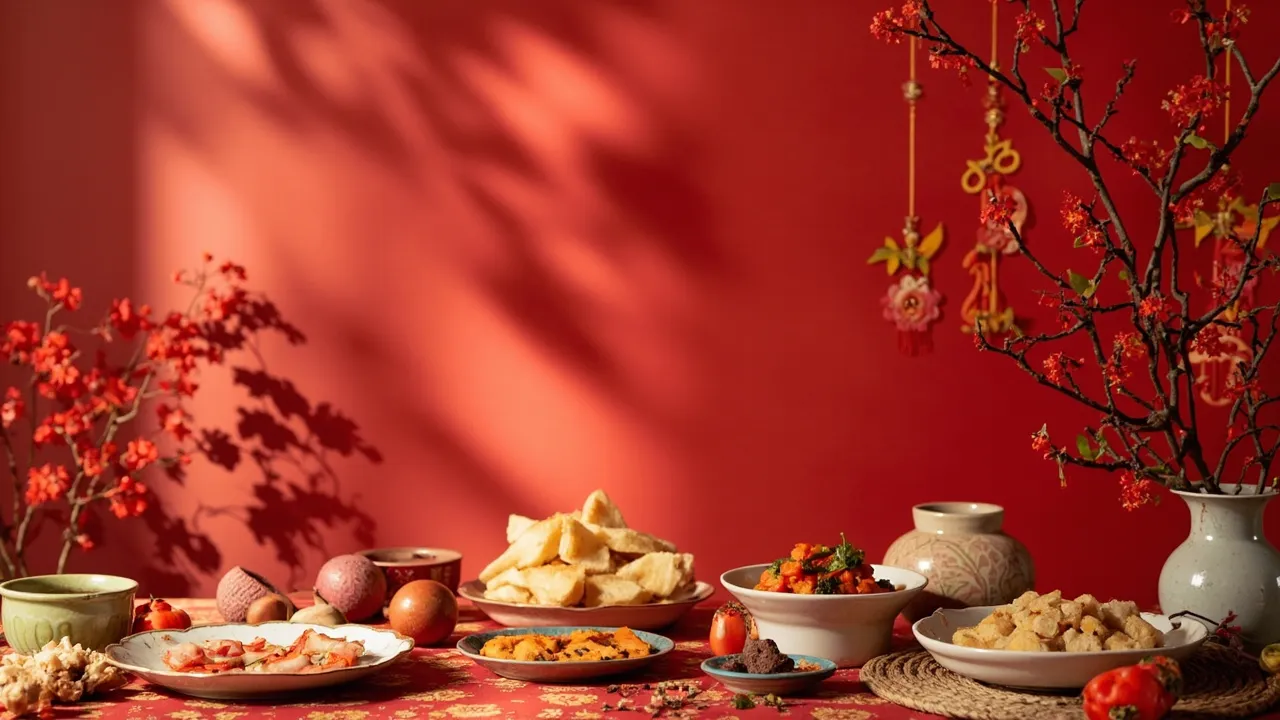
Seasonal Chinese Customs: Ancient Wisdom for Modern Living
Every culture has ways of marking the passage of time, but few have developed the detailed, interconnected system of seasonal customs that China created over thousands of years. While Western cultures might have four main seasons and a handful of holidays, traditional Chinese culture developed an incredibly sophisticated calendar system with 24 solar terms and dozens of specific customs, each tied to particular times of year and connected to agriculture, health, family, and spirituality.
These aren’t just quaint traditions from the past—many are still actively practiced today, both in mainland China and in communities around the world. Understanding seasonal Chinese customs gives us insight into how Chinese people have lived, worked, and celebrated for millennia. It also offers practical wisdom about living in harmony with natural cycles that feels surprisingly relevant in our modern world.
The Solar Terms: A Calendar Beyond Months
The foundation of Chinese seasonal customs is the “二十四节气” (èr shí sì jié qì), or the 24 solar terms. Unlike the Western calendar, which is based on the movement of the moon, this system is based on the Earth’s position in its orbit around the sun. Each solar term marks a specific astronomical moment—usually when the sun reaches a certain position—and reflects changes in climate, agriculture, and natural phenomena.
The system goes back over 2,000 years to the Warring States period, with the 24 terms officially finalized during the Han Dynasty. Farmers used these terms to know exactly when to plant, harvest, and perform other agricultural tasks. But the terms became important beyond farming—they influence cuisine, health practices, festivals, and even business decisions.
Let’s look at a few examples. “立春” (Lì Chūn, Start of Spring) falls around February 4th and marks the beginning of spring. Traditional customs include eating spring rolls (symbolizing new life), avoiding fights or harsh words (for a peaceful start to the season), and even moving furniture to “wake up” the household. “大暑” (Dà Shǔ, Major Heat) occurs around July 23rd and is the hottest time of the year—customs focus on staying cool, eating seasonal foods that prevent heat exhaustion, and taking precautions against the intense summer sun.
Even today, Chinese TV weather forecasts announce the current solar term, and many families still follow traditional customs associated with each one. It’s a living system that connects modern Chinese people to their agricultural ancestors.
Spring: Renewal and New Beginnings
Spring in China isn’t just a season—it’s a cultural event that lasts for months and includes some of the most important holidays in the calendar. The customs associated with spring reflect deep cultural values about family, renewal, and fresh starts.
The most famous spring festival is Spring Festival, also known as Chinese New Year (usually falling between late January and mid-February). But the spring customs actually begin weeks before the new year with “扫尘” (sǎo chén), a thorough house cleaning. Families clean every corner of their homes to sweep away bad luck from the previous year, making room for good fortune to arrive.
On Chinese New Year’s Eve, families gather for the most important reunion dinner of the year. Every dish has symbolic meaning—fish represents abundance (the word for fish, “鱼,” sounds like the word for surplus), dumplings look like ancient gold ingots and symbolize wealth, and noodles represent longevity. After dinner, families stay up all night (守岁, shǒu suì) to welcome the new year and honor their elders.
The first few days of the new year are filled with specific customs. People wear red clothing (red symbolizes luck and joy), give children red envelopes (hongbao) containing money for good luck, avoid breaking things or saying unlucky words, and visit relatives to exchange greetings. These customs reinforce family bonds and express hopes for the coming year.
As spring progresses, other traditions emerge. The Lantern Festival (about 15 days after new year) features massive lantern displays and eating tangyuan (sweet rice balls) that symbolize family unity. Qingming Festival in early April involves sweeping ancestral graves and offering food to deceased family members—a custom that expresses respect for ancestors and connection to family history.
Summer: Heat, Health, and Dragon Boats
Summer brings intense heat to most of China, and traditional customs reflect both the challenges and pleasures of the warmest season. Summer customs focus heavily on health maintenance, festival celebration, and taking advantage of the long days.
The Dragon Boat Festival (端午节, Duān Wǔ Jié) occurs around June and commemorates the ancient poet Qu Yuan, who drowned himself in protest against government corruption. Customs include racing dragon boats (originally to rescue his body, though legends vary), eating zongzi (rice dumplings wrapped in bamboo leaves), and hanging calamus and mugwort on doors to ward off evil spirits and diseases. The festival falls during the hottest part of summer, and the traditional foods and activities were believed to help people stay healthy during this challenging season.
“夏至” (Xià Zhì, Summer Solstice) marks the longest day of the year. Traditional customs include eating noodles (said to bring good luck and health), taking cold showers to beat the heat, and avoiding strenuous work during the hottest afternoon hours. Many families prepare special summer foods designed to cool the body according to traditional Chinese medicine principles.
The “三伏天” (sān fú tiān), or “three fu days,” refers to the three hottest periods of summer (usually falling in July and August). These are considered the most dangerous days for health, and traditional wisdom includes specific dietary recommendations: eat bitter foods to clear heat, drink cooling herbal teas, and avoid overly rich or spicy dishes. Some families traditionally eat specific foods during each fu period to maintain health throughout the summer.
Autumn: Harvest, Moons, and Remembrance
Autumn is perhaps the most poetically celebrated season in Chinese culture. The customs of this season reflect gratitude for the harvest, appreciation for the beauty of nature, and contemplation of life’s changes.
The Mid-Autumn Festival (中秋节, Zhōng Qiū Jié) is the most important autumn celebration, falling on the 15th day of the 8th lunar month when the moon is supposedly at its fullest and brightest. Families gather to appreciate the full moon, eat mooncakes (round pastries symbolizing reunion and completeness), and express wishes for family togetherness. The moon itself is central to the celebration—Chinese legends tell of Chang’e, the Moon Goddess, who lives in a palace on the moon, and families often leave offerings to her during the festival.
The harvest season brings numerous customs related to agricultural gratitude. “秋分” (Qiū Fēn, Autumn Equinox) was traditionally a time for offering thanks to the gods of grain and soil. Farmers would prepare special foods using newly harvested crops and share them with family and neighbors. Some communities still maintain harvest festival traditions that date back centuries.
Double Ninth Festival (重阳节, Chóngyáng Jiév) falls on the 9th day of the 9th lunar month (usually October) and is dedicated to honoring elders and climbing heights. The number nine is considered auspicious (it sounds like the word for “long-lasting”), and the festival specifically celebrates longevity and respect for the elderly. Customary activities include climbing mountains, drinking chrysanthemum wine, and eating double Ninth cakes.
Winter: Reflection, Reunion, and Renewal
Winter customs in Chinese culture focus on family reunion, preparation for the coming year, and conservation of energy during the coldest months. Many of the year’s most important celebrations occur during this season.
“冬至” (Dōng Zhì, Winter Solstice) is considered one of the most important solar terms, marking the shortest day and the official start of winter. Families traditionally eat dumplings on this day (especially in northern China), believing it helps keep them warm and healthy through the winter. In some regions, families gather to offer sacrifices to ancestors and share festive meals.
The final weeks of the year bring increasing preparations for the next Spring Festival. “腊八节” (Là Bā Jié, Laba Festival) occurs around January and features eating “laba congee”—a special rice porridge with eight or more ingredients including nuts, dried fruits, and beans. The custom is said to honor Buddha and ensure good fortune.
Major Cold (大寒, Dà Hán), the last solar term of the year, falls around January 20th and marks the coldest period. Traditional customs focus on staying warm, eating nourishing foods, and preparing both body and home for the new year. This is a time for reflection on the past year and planning for the year ahead.
Why These Customs Still Matter
You might wonder why anyone would bother with customs that developed in an agricultural society thousands of years ago. The answer is that these traditions offer something that modern life often lacks: a structured way to connect with family, nature, and cultural heritage.
In our fast-paced modern world, many people feel disconnected—from each other, from nature, and from meaningful traditions. The Chinese seasonal customs provide frameworks for these connections. They tell us when to gather with family, when to appreciate nature’s changes, when to honor ancestors, and when to look forward with hope.
There’s also practical wisdom in these customs. The emphasis on eating seasonal foods, maintaining health through different times of year, and adjusting daily routines to match natural cycles reflects a sophisticated understanding of human wellbeing. Modern nutrition science often confirms what traditional Chinese wisdom knew intuitively—eating with the seasons is generally healthier than eating the same foods year-round.
Perhaps most importantly, these customs create shared experiences that bind communities together. When everyone in a culture knows that certain days involve certain activities, it creates a sense of belonging and shared identity. For Chinese communities around the world, maintaining these traditions helps preserve cultural connections across generations and distance.
Experiencing Chinese Seasonal Customs Today
You don’t need to be Chinese or live in China to appreciate and participate in these seasonal customs. Many aspects can be adapted to modern life anywhere in the world.
Start with the food. Look up traditional foods for different solar terms and try making them at home. Eating tangyuan during the Lantern Festival or mooncakes during the Mid-Autumn Festival connects you to traditions practiced by billions of people.
Learn about the solar terms and notice how they relate to your local climate. The specific dates won’t match perfectly outside China, but the general principles—planting at Start of Spring, harvesting in autumn, adjusting diet with the seasons—can be applied anywhere.
Many Chinese communities in Western countries maintain these traditions, especially for major festivals like Chinese New Year and the Mid-Autumn Festival. Attending local celebrations is a wonderful way to experience these customs firsthand and connect with Chinese cultural traditions in your own city.
Even small acknowledgments can be meaningful. Lighting a candle at the Winter Solstice, hanging autumn foliage in your home during the Mid-Autumn season, or simply taking a moment to appreciate the changing seasons connects you to a tradition that stretches back thousands of years.
Chinese seasonal customs offer us a gift: a structured, meaningful way to mark time’s passage and connect with something larger than our individual lives. In a world that often feels disconnected and chaotic, that gift is more valuable than ever.
Traditional Practices in Daily Life
Beyond the major festivals, Chinese seasonal customs permeate everyday life in subtle but meaningful ways. These practices connect people to the natural world and to centuries of accumulated wisdom about how to live well throughout the year.
Dietary customs form one of the most accessible aspects of seasonal living. Traditional Chinese medicine emphasizes eating foods that match the season—cooling foods in summer, warming foods in winter, fresh foods in spring, hearty foods in autumn. This isn’t just about nutrition; it’s about maintaining balance with the natural world.
In spring, people eat young vegetables like bamboo shoots and fresh greens—foods that represent renewal and growth. Summer brings cooling foods like bitter melon, mung beans, and watermelon to combat the heat. Autumn features foods that support lung health and prepare the body for winter— pears, apples, and honey. Winter is the time for warming foods like ginger, lamb, and hearty soups that nourish the body from within.
Clothing customs also follow the seasons. Traditional Chinese clothing was designed with the climate in mind, and changing garments marked seasonal transitions. While modern clothing has largely abandoned these traditions, some practices persist—wearing more layers as temperatures drop, choosing fabrics that match the weather.
Home customs include seasonal cleaning and organization. Spring cleaning before Chinese New Year is the most famous example, but other seasons bring their own rituals. Families might rearrange furniture with the seasons, display different decorations, or adjust their living spaces to accommodate weather changes.
The Twenty-Four Solar Terms Explained
The 24 solar terms form the backbone of Chinese seasonal customs. Let’s explore how this system works and what each term represents:
Spring Terms:
- “立春” (Lichun, Start of Spring) - Around February 4th
- “雨水” (Yushui, Rain Water) - Around February 19th
- “惊蛰” (Jingzhe, Awakening of Insects) - Around March 5th
- “春分” (Chunfen, Spring Equinox) - Around March 20th
- “清明” (Qingming, Clear and Bright) - Around April 4th
- “谷雨” (Guyu, Grain Rain) - Around April 20th
Summer Terms:
- “立夏” (Lixia, Start of Summer) - Around May 5th
- “小满” (Xiaoman, Grain Buds) - Around May 21st
- “芒种” (Mangzhong, Grain in Ear) - Around June 5th
- “夏至” (Xiazhi, Summer Solstice) - Around June 21st
- “小暑” (Xiaoshu, Minor Heat) - Around July 7th
- “大暑” (Dashu, Major Heat) - Around July 22nd
Autumn Terms:
- “立秋” (Liqiu, Start of Autumn) - Around August 7th
- “处暑” (Chushu, End of Heat) - Around August 23rd
- “白露” (Bailu, White Dew) - Around September 7th
- “秋分” (Qiufen, Autumn Equinox) - Around September 22nd
- “寒露” (Hanlu, Cold Dew) - Around October 8th
- “霜降” (Shuangjiang, Frost’s Descent) - Around October 23rd
Winter Terms:
- “立冬” (Lidong, Start of Winter) - Around November 7th
- “小雪” (Xiaoxue, Minor Snow) - Around November 22nd
- “大雪” (Daxue, Major Snow) - Around December 7th
- “冬至” (Dongzhi, Winter Solstice) - Around December 21st
- “小寒” (Xiaohan, Minor Cold) - Around January 5th
- “大寒” (Dahan, Major Cold) - Around January 20th
Each of these terms marks a specific astronomical moment and has associated customs, foods, and health practices. Together, they create a comprehensive framework for living in harmony with the seasons.
Regional Variations and Modern Adaptations
Chinese seasonal customs aren’t uniform—they vary significantly by region, ethnicity, and even family tradition. This diversity makes the tradition rich and adaptable.
Regional differences are substantial. Northern China, with its cold winters and hot summers, has different seasonal customs than subtropical southern China. Coastal regions have different traditions than inland areas. Mountain communities maintain customs that differ from those in river valleys.
For example, the Dragon Boat Festival features different foods in different regions—zongzi in most areas, but different shapes and fillings in different provinces. The Winter Solstice tradition of eating dumplings is strongest in northern China, while southerners might eat tangyuan (sweet rice balls) instead.
Ethnic variations add another layer of diversity. China’s 56 ethnic groups each have their own seasonal traditions, which interact with and sometimes differ from mainstream Han Chinese customs. Tibetan, Mongolian, Uyghur, and many other communities maintain distinct seasonal practices.
Modern adaptations are constantly emerging. Younger generations may celebrate holidays differently than their parents, incorporating new foods, technologies, and social practices while maintaining core traditions. Urban dwellers might adapt rural customs to apartment living. Families abroad maintain key traditions while creating new ones that fit their circumstances.
This adaptability is a strength, not a weakness. Seasonal customs have survived for thousands of years precisely because they can evolve while maintaining their essential character and purpose.
How to Incorporate These Customs
You don’t need to be Chinese or live in China to benefit from these seasonal traditions. Here are practical ways to incorporate Chinese seasonal wisdom into your life:
Start with food. Research traditional foods for the current season in the Chinese calendar. Try cooking one or two each season. This is an easy way to connect with the tradition and enjoy new culinary experiences.
Notice the solar terms. Even if you don’t change your behavior, becoming aware of the solar terms helps you notice seasonal changes in your own environment. When is the coldest time of year where you live? The hottest? How do plants and animals respond to these cycles?
Create your own rituals. The underlying purpose of seasonal customs is creating structure, connection, and meaning. You can achieve similar benefits through your own practices—weekly family dinners, seasonal decluttering, annual traditions that mark the year’s passage.
Explore the philosophy. Seasonal customs are rooted in Taoist and Confucian ideas about harmony with nature and proper social relationships. Learning about these philosophies can deepen your understanding and appreciation of the practices.
Join community celebrations. Many cities with Chinese communities host seasonal festivals that are open to outsiders. Attending a Dragon Boat Festival or Mid-Autumn celebration can be a wonderful way to experience these traditions firsthand.
Chinese seasonal customs offer us a gift: a structured, meaningful way to mark time’s passage and connect with something larger than our individual lives. In a world that often feels disconnected and chaotic, that gift is more valuable than ever.