Shuangjiang (Frost’s Descent): Protecting Your Bones as Winter Approaches
October 23rd brings the first real frost of the season. Not the delicate whiteness of morning dew, but a genuine hard frost that changes everything. The Chinese solar term for this is Shuangjiang — Frost’s Descent — and it’s one of the most significant markers in the autumn calendar. This is when autumn effectively ends and the slide toward winter becomes undeniable.
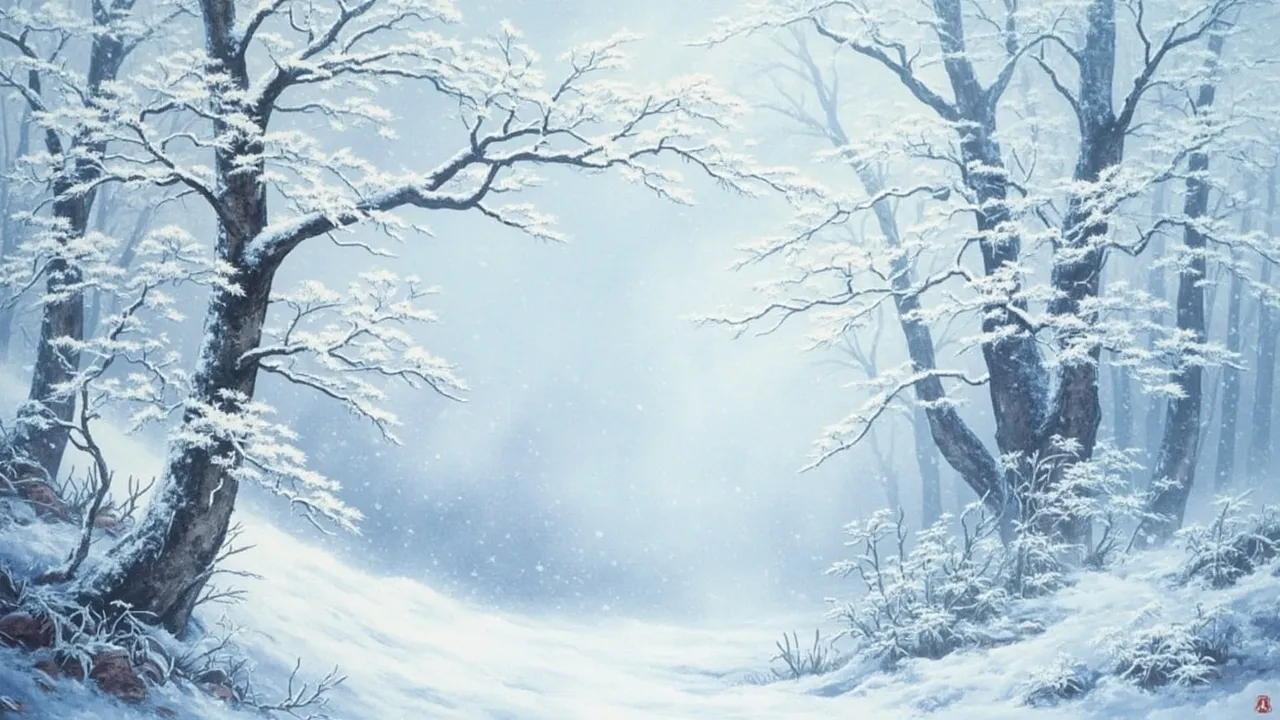
There’s a particular quality to the air on this day. It’s not just cold — it’s the kind of cold that makes your breath visible, that crunches under your feet, that transforms the world into something that looks almost like a different planet. The colors are muted now, the landscape has taken on that wintry cast, and there’s no denying that the seasons have changed.
Understanding Shuangjiang
Shuangjiang arrives when the temperature drops low enough for frost to form not just on grass and leaves, but on the ground itself. This is winter’s advance notice, a literal white flag from the autumn season. In the agricultural calendar, this was the end of outdoor work. The fields were fallow, the harvest was in, and it was time to turn inward toward the quieter pace of winter.
The Chinese characters provide insight into this solar term. “Shuang” (霜) means frost, while “jiang” (降) means to descend or fall. Together, they describe the arrival of frost — not just the possibility of frost, but its actual presence. This is a milestone, a clear marker that winter has begun its official approach.
The traditional understanding of Shuangjiang goes deeper than temperature, though. In TCM, this is when the body’s yang energy reaches its annual low point. The external cold is now firmly established, and your internal warmth needs active support to stay strong. It’s a critical juncture — how you care for yourself during Shuangjiang sets the foundation for your health through the coming winter months.
This solar term also marks a time when bone health becomes particularly important. In Chinese medicine, the kidneys govern the bones, and the kidneys are especially vulnerable during the deep cold of winter. Shuangjiang is the time to start strengthening this foundation, before the coldest months arrive. This isn’t just about avoiding osteoporosis — it’s about overall vitality and strength.
The descent into winter brings a natural pull toward introspection and conservation. Just as the natural world is withdrawing its energy, your body naturally wants to rest more, eat more warming foods, and conserve resources. Fighting this pull depletes your energy. Working with it builds resilience. Shuangjiang invites you to honor this natural rhythm.
There’s also a psychological dimension to this solar term. The first frost can feel like a loss — the end of the colorful autumn leaves, the end of mild outdoor days, the beginning of the grey months ahead. Traditional cultures recognized this and had customs designed to process these feelings. There was an understanding that emotional health matters, especially during seasonal transitions.
Traditional Customs at Frost’s Descent
One of the most interesting Shuangjiang traditions involves eating bone broth. This isn’t just comfort food — it’s deliberate medicine. Bone broth is rich in minerals, collagen, and amino acids that support bone health, joint function, and overall strength. In TCM, bone broth is considered deeply nourishing, particularly for the kidneys and bones. Making a big pot of bone broth during Shuangjiang was both practical and symbolic — storing strength for winter.
In many parts of China, this was also the time for eating certain nuts, particularly walnuts and chestnuts. Walnuts are kidney-shaped, and in TCM philosophy, that shape indicates they benefit the kidneys (which govern bones). They’re also rich in omega-3 fatty acids and other nutrients that support overall health. Chestnuts have similar warming, strengthening properties. Roasting them and eating them warm is both delicious and deeply appropriate for this time of year.
There’s a custom of taking extra care of the feet and lower back during Shuangjiang. These areas are particularly vulnerable to cold, and traditional practices included foot soaking, back massage, and keeping these areas well-covered when outside. A warm foot soak with ginger or cinnamon is perfect for this time of year — it’s both warming and deeply relaxing.
Some traditions emphasize rest during Shuangjiang more than other times of year. This isn’t about being lazy — it’s about honoring the natural pull toward slower rhythms. If you can, try to ease your schedule slightly during this period. Get a little more sleep. Say no to extra commitments. Your body is doing important internal work as it adjusts to the seasonal shift, and it needs the space to do that.
In many regions, Shuangjiang was a time for preparing winter supplies. Making preserved foods, mending warm clothing, stock up on firewood — these practical activities were both necessary and meaningful. They created a sense of preparation and readiness that helped people feel secure through the coming winter. Even today, there’s value in this principle: take some time to prepare, and you’ll feel more grounded as winter arrives.
A more philosophical custom involved gratitude for the year’s harvest and preparation for the season ahead. There was an understanding that you can’t move forward without acknowledging where you’ve been. Taking a moment to feel grateful for the abundance of the past season creates the emotional foundation for the coming months.
There’s also a tradition of consuming black foods during Shuangjiang. In TCM, black foods are associated with kidney health — black sesame, black beans, black rice, and similar ingredients. The rationale is both practical (these foods are nutritious) and symbolic (the color black corresponds to the kidneys in TCM theory). This is a great tradition to adopt: look for opportunities to add black sesame paste, black beans, or other black foods to your diet.
Health Tips for Shuangjiang
Now for the practical part — how do you actually navigate Frost’s Descent in a way that supports your health?
Prioritize bone and kidney health. This means eating foods that nourish these systems: bone broth, walnuts, black sesame seeds, kidney beans, and other deeply nourishing foods. If you’re vegetarian, focus on foods like black sesame paste, tofu made with calcium sulfate, and dark leafy greens. The key is being intentional about these nutrients during this critical window.
Keep moving, but shift the type of movement. Summer’s outdoor activities might be less appealing now, and that’s okay. Instead, focus on exercises that build internal warmth and strength without overexposing yourself to the cold. Tai chi, gentle yoga, swimming in a heated pool, or even brisk walking indoors all work well. The goal is maintaining circulation and strength without draining your yang energy.
Continue with warming foods, but start introducing more nourishing, substantial dishes. Soups, stews, and slow-cooked meals become increasingly appropriate. Think of your digestive system as a furnace — it works best when you feed it warm, cooked food that doesn’t require too much additional energy to process. Raw salads are now a thing of the past for most people. Cooked vegetables, warm grains, and hearty proteins are your friends.
This is also prime time for self-massage, particularly around the lower back and feet. A simple daily practice of rubbing your lower back (where the kidneys are located) for a few minutes each day helps stimulate that area. Similarly, massaging your feet before bed supports the kidney energy and helps you sleep better. It takes just a few minutes but makes a real difference.
Pay attention to your energy levels. If you’re feeling more tired than usual, that’s not laziness — it’s your body asking for rest. During Shuangjiang, try to get to bed a bit earlier and allow for more sleep than usual. This isn’t about sleeping your life away, but about giving your body the rest it needs to adjust to the seasonal shift. Think of it as banked energy for the winter ahead.
Don’t forget about hydration. It might seem counterintuitive when the air is cold and you’re not sweating, but staying hydrated is still crucial. The cold air is dry, and indoor heating makes it drier. Continue drinking plenty of water, and consider adding a humidifier if your home tends to get very dry. Your skin, your respiratory system, and your overall health all benefit from proper hydration.
Finally, protect your mental health. The first frost and the rapidly shortening days can affect mood. Stay connected with friends, get outside when you can (even on cold days, natural light helps), and find activities that bring you joy. Winter is coming, but it doesn’t have to be gloom. Shuangjiang is actually a beautiful time — crisp air, clear skies, the last of the autumn color. There’s plenty to enjoy if you look for it.
One additional practice: consider adding a few drops of essential oils to your bath or diffuser. Oils like cinnamon, ginger, or black pepper have warming properties and can help counteract some of the cold energy in your environment. Just be careful with essential oils — always dilute them properly and use them according to guidance.
Building Strength for Winter
Shuangjiang is the foundation-laying time. Everything you do now — every warming meal, every extra hour of sleep, every moment of rest — becomes the resource your body draws on through the winter months. It’s an investment, and it’s one that pays real dividends.
Think of yourself as preparing for a journey. You wouldn’t set off on a long trip with an empty gas tank and no supplies. Shuangjiang is your chance to fill up, stock up, and get ready. The cold is coming, but you’re preparing for it. That’s the spirit of this solar term: not fear of what’s ahead, but confident preparation for it.
So embrace the first frost. Wear your warmest sweater. Make a pot of bone broth. Get extra rest. You’re doing exactly what nature intended — building strength from the inside out, preparing to not just survive the winter, but to emerge from it healthy and strong.
Remember, Shuangjiang isn’t about dreading what’s coming. It’s about acknowledging the change, preparing for it, and trusting that you have what it takes to navigate the cold months ahead. You’ve done it before, and you can do it again.