Sichuan Cuisine: The Bold and Flavorful Heart of Chinese Food
If you’ve ever eaten at a Chinese restaurant in America and felt your mouth go pleasantly numb while simultaneously set ablaze with heat—welcome to the world of Sichuan cuisine. This legendary regional cooking style from southwestern China has become one of the most popular Chinese cuisines worldwide, and once you understand what makes it special, you’ll never look at “spicy” food the same way again.
Sichuan cuisine—sometimes spelled “Szechuan” in American menus—isn’t just about making things hot. It’s a sophisticated culinary tradition built on a delicate balance of flavors, a unique mouth-feel called “mala” (numbing-spicy), and cooking techniques developed over centuries in the province’s mountain valleys and river plains. Let me take you on a flavor journey through one of the world’s most exciting food cultures.
The Land That Shapes the Flavor
Sichuan Province sits in southwestern China, a land of dramatic geography that has profoundly shaped its cuisine. The province is known as the “Land of Abundance” (天府之国, Tiānzhōu zhī Guó)—and for good reason. Fertile plains, misty mountains, and abundant rivers provide ingredients that local cooks have been perfecting for over a thousand years.
The climate is famously humid, with foggy winters and sweltering summers. This weather created two interesting problems for ancient Sichuanese: preserving food in the humid conditions, and finding ways to warm the body during damp winters. The solution? Heavy use of preserved ingredients like salt, pickled vegetables, and fermented beans, combined with warming spices that made you sweat and feel toasty.
The region also sits on a geological fault line, which means it’s literally hot—geothermal springs dot the province, and some areas have natural hot springs where people cook eggs in the boiling water. There’s even a famous dish called “hot spring egg” (温泉蛋) that’s gently cooked in these thermal waters to create a custard-like texture impossible to achieve any other way.
What really defines Sichuan, though, is its famous peppercorns. We’re not talking about the black pepper you shake on your steak—Sichuan’s “hua jiao” (花椒) is a completely different species, native only to China. These little reddish-brown berries produce a unique citrusy flavor and—crucially—a tingling numbness that coats your tongue. When combined with dried chili peppers, they create that characteristic Sichuan “mala” sensation: simultaneously spicy, numbing, and deeply aromatic.
The Seven Flavors of Sichuan Cooking
One of the most fascinating aspects of Sichuan cuisine is its systematic approach to flavor. Local chefs talk about the “seven fundamental flavors” (七味), each associated with different dishes and cooking techniques.
Spicy-numbing (麻辣, málà) is what most Americans associate with Sichuan food—the famous mala combination that makes your lips tingle. This comes from the combination of dried chilies (providing heat) and Sichuan peppercorns (providing that electric numbness).
Fish-fragrant (鱼香, yúxiāng) doesn’t actually contain fish—it’s named for the sauce used to flavor fish in the original dish, which has since been applied to tofu, eggplant, and many other ingredients. The flavor profile combines sweet, sour, salty, and spicy with garlic, ginger, and scallions.
Red-braised (红烧, hóngshāo) is a cooking technique where meat is slowly braised in a soy sauce-based liquid, creating deeply flavorful, tender dishes with a rich reddish-brown color.
Garlic (蒜香, suànxiāng) emphasizes the pungent, savory punch of raw and cooked garlic—a staple in many household-style dishes.
Strange-flavor (怪味, guàiwèi) is exactly what it sounds like: a complex combination of sweet, sour, salty, spicy, and savory that doesn’t fit into other categories. It’s a Sichuan specialty.
Peanut (糊辣, húlà) uses fried peanuts and dried chilies for a nutty, slightly sweet heat that’s absolutely addictive.
Sour and hot (酸辣, suānlà) combines tangy vinegar with chili heat—think of the famous “suan la tang” (sour and spicy soup) that’s a street food staple.
Understanding these flavor profiles helps explain why Sichuan food feels so carefully balanced rather than just “spicy for spicy’s sake.” Every dish has a mission, a flavor goal it’s trying to achieve.
Iconic Dishes You Need to Try
Now let’s get to the good part—the food itself. Here are some essential Sichuan dishes that will change your understanding of Chinese cuisine.
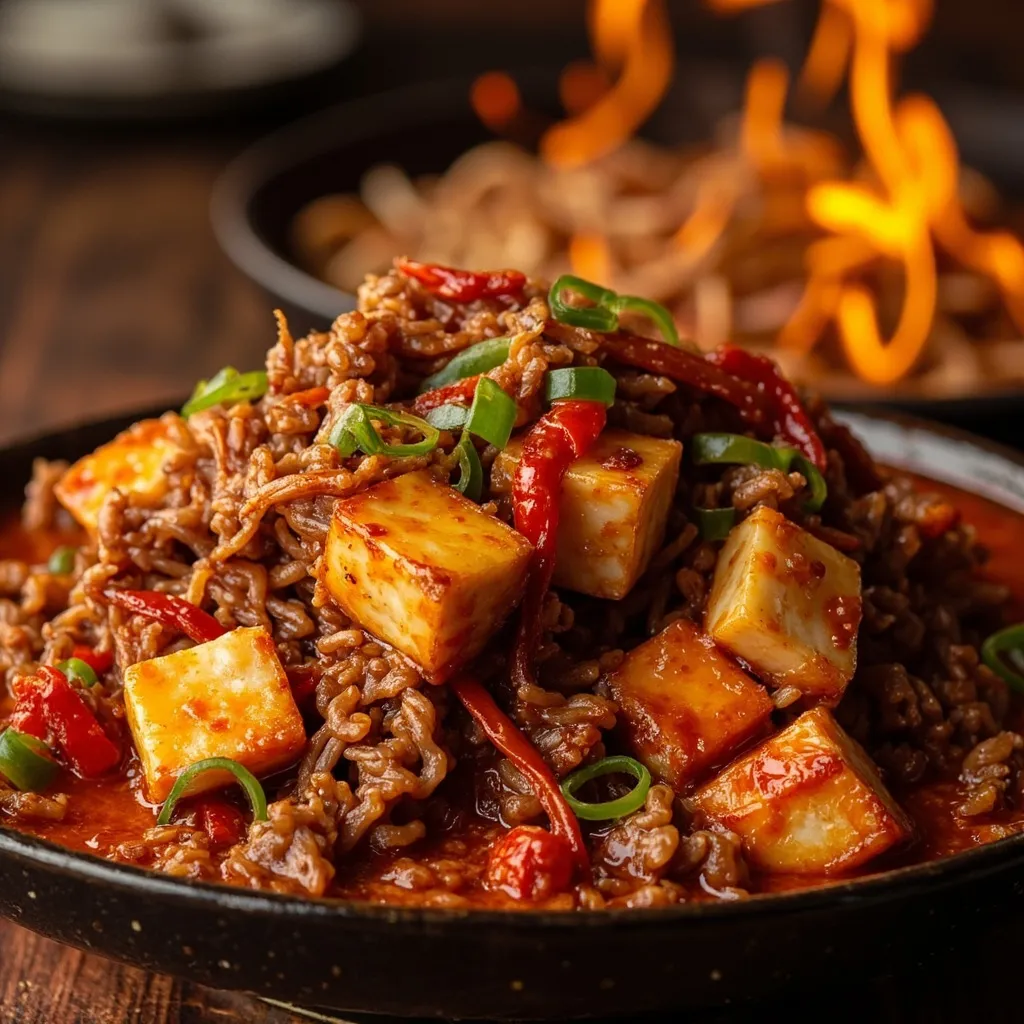
Mapo Tofu (麻婆豆腐) is perhaps the most famous Sichuan dish worldwide, and for good reason. Soft silken tofu cubes are swimming in a spicy, numbing sauce made with fermented broad bean paste (doubanjiang), ground pork, Sichuan peppercorns, and dried chili oil. The name literally means “pockmarked grandmother’s tofu”—reportedly named after a Qing Dynasty restaurant owner whose facial scars gave her the nickname. The best mapo tofu has a silky texture that practically melts in your mouth, with that perfect balance of mala heat and savory umami.
Kung Pao Chicken (宫保鸡丁) has become a universal favorite, even appearing on American Chinese restaurant menus everywhere. Tender chicken cubes are stir-fried with dried chilies, Sichuan peppercorns, roasted peanuts, and a slightly sweet-savory sauce. The dish is named after Ding Baozhen, a Qing-era official from Shandong who supposedly loved it—but the Sichuan version is the authentic one, with a drier, more aromatic sauce than the glazed American version.
Hot and Sour Soup (酸辣汤) is the ultimate comfort food in Sichuan. This thick, silky soup combines tofu, bamboo shoots, wood ear mushrooms, and egg ribbons in a tangy, spicy, numbing broth. It’s the perfect remedy for a cold day or a sore throat—the vinegar and Sichuan peppercorns somehow make you feel instantly better.
Dan Dan Noodles (担担面) are thin wheat noodles served with a complex sauce of sesame paste, soy sauce, Sichuan peppercorn oil, preserved vegetables, and ground pork. The name comes from the carrying poles (dan) that street vendors used to balance their noodle stands on their shoulders. These days, you can find excellent dan dan noodles in restaurants worldwide, but the best ones still have that street-food soul.
Water-Cooked Fish (水煮鱼) is a showstopper. A whole fish is poached in a mild broth, then served in a bowl literally overflowing with dried chilies and Sichuan peppercorns—it’s like a lava pool of flavor with fish hidden underneath. The contrast between the mild, delicate fish and the raging mala sauce is absolutely magical.
The Philosophy Behind the Heat
Here’s something that might surprise you: Sichuan cuisine is actually very carefully balanced, and not everything is overwhelmingly spicy. Many dishes emphasize the “mouth feel” (口感, kǒugǎn) just as much as the flavor—the way ingredients are cut, the amount of oil used, the texture of the sauce.
Sichuan chefs talk about the importance of “tongguo” (通过)—the idea that a dish should have layers of flavor that reveal themselves as you eat. The first bite might taste spicy, but then you notice the numbing sensation, then the underlying sweetness, then the fragrance of garlic and ginger. It’s a complete experience, not just a punch in the mouth.
The province also has an incredible variety of non-spicy dishes. Sliced pork in garlic sauce (蒜泥白肉), for instance, is a cold appetizer where thin pork slices are served with a intensely garlicky sauce—not spicy at all, but absolutely bursting with flavor. Steamed fish with ginger and scallions is another beloved preparation, showcasing the natural sweetness of fresh fish without any heat at all.
This balance extends to the dining experience. A traditional Sichuan meal might include a clear soup to cleanse the palate, a mild fish dish, a spicy meat course, and vegetable dishes—all arranged to create a progression of flavors and temperatures across the meal.
Bringing Sichuan Home
You don’t need to fly to Chengdu to enjoy authentic Sichuan food—here’s how to bring some of that magic into your own kitchen.
First, invest in good Sichuan peppercorns. They’re not expensive, but they make an enormous difference. Look for ones that still have their reddish color—old, faded peppercorns have lost much of their aromatic oil. Toast them briefly in a dry pan before grinding to release their fragrance.
Second, get some fermented broad bean paste (doubanjiang). This is the soul of many Sichuan dishes, providing that deep, complex, slightly fermented savory base. The best brands come from Chengdu—look for ones with whole beans visible in the paste.
Third, learn to make chili oil. This is easier than you might think: heat neutral oil to around 350°F, then slowly pour it over a mixture of dried chili flakes, Sichuan peppercorns, and aromatics. Let it steep overnight, and you’ll have restaurant-quality chili oil that will last for months.
Finally, don’t be afraid of the heat. Sichuan food teaches us that spice is a tool for building flavor, not just an endurance test. Start with smaller amounts of chili and peppercorns, taste as you cook, and adjust to your preference. The goal is balance, not pain.
The Spicy Truth About Sichuan Peppercorns
Here’s something that might blow your mind: Sichuan peppercorns aren’t actually pepper. They’re the dried berries of a plant called Zanthoxylum schinifolium, part of the citrus family. That’s why they have that distinctive citrusy, almost piney aroma that regular black pepper completely lacks.
The numbness they produce comes from a compound called hydroxy-alpha-sanshool, which triggers specific nerve receptors in your mouth—not heat sensors like capsaicin in chilies, but the same receptors that detect vibration and touch. That’s why the sensation feels more like “tingling” or “electric” rather than burning. It’s a completely different experience from spicy heat, and it actually has a cooling effect when combined with chili, which is why Sichuan food feels so complex.
Scientists have actually studied this phenomenon extensively. Research has shown that sanshool creates its numbing effect by causing sustained firing of these specific nerve fibers—it’s the same reason why your foot goes “sleepy” when you sit on it for too long, except in your mouth. It’s totally safe, though, and some people describe the feeling as almost pleasant once you get used to it.
Sichuan’s Street Food Scene
Beyond the famous dishes, Sichuan has one of China’s most vibrant street food cultures. In Chengdu, night markets come alive with vendors selling everything from skewered lamb to grilled squid to sweet rice cakes.
One must-try is liangfen (凉粉)—cold rice noodle sheets in a spicy, tangy sauce that’s perfect for hot summer nights. Another is tangcu baozi (糖醋包子)—sweet and sour steamed buns that sound strange but taste amazing. And you can’t leave Chengdu without trying chao shou (抄手), which are essentially Sichuan-style wonton dumplings in a numbing, spicy red oil sauce.
The street food in Leshan—the city famous for the world’s largest stone Buddha statue—is particularly famous. There, you’ll find unique dishes like bowang chicken (棒棒鸡), named for the sticks vendors used to pound the chicken tender, and miluo fish (蜜骆鱼), a sweet and sour fish dish that’s been a local specialty for centuries.
A Cuisine for the Modern Age
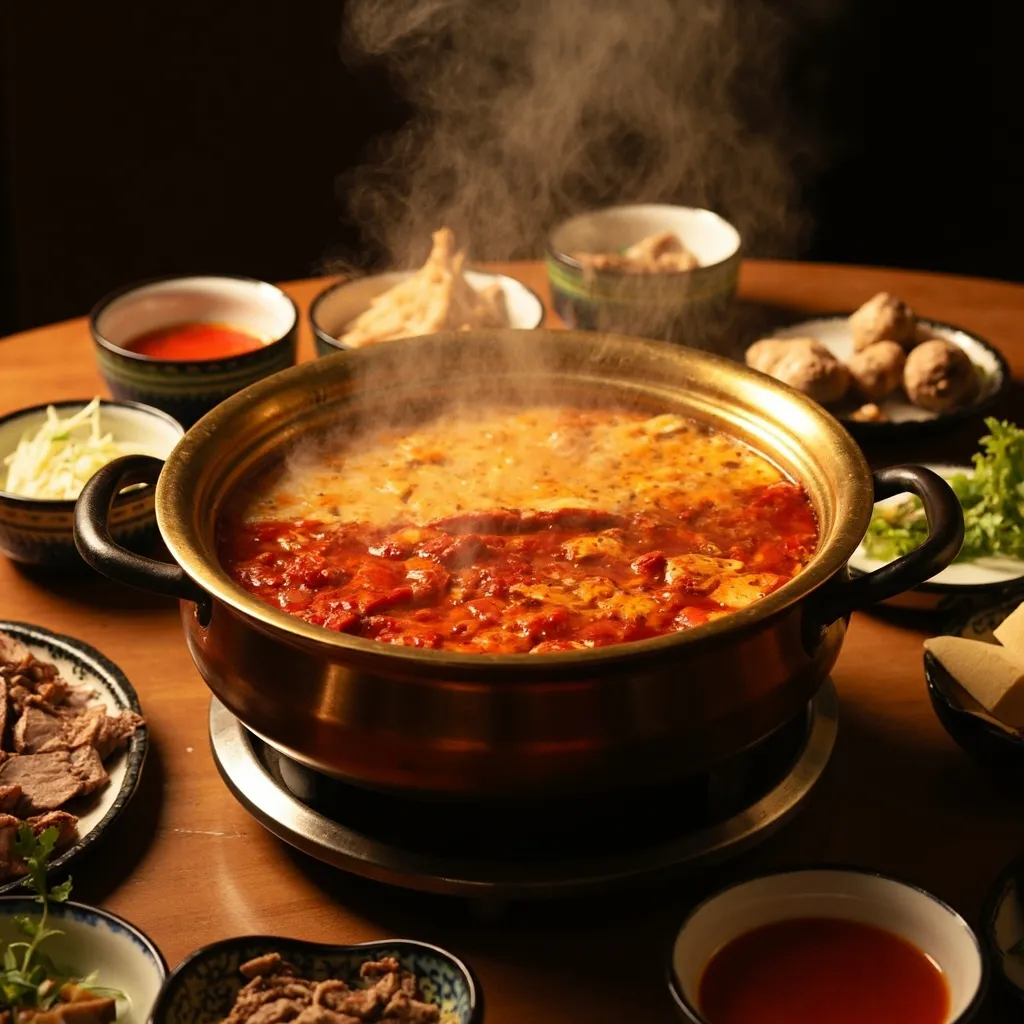
Sichuan cuisine has adapted remarkably well to the modern world. The “Sichuan spice” wave that hit American cities in the 2010s brought dishes like “mala” hot pot and “sichuan pepper” everything to mainstream attention. Food media couldn’t stop talking about the “numbing and spicy” sensation, and suddenly everyone wanted to try the food that made their mouth tingle.
This popularity has led to some interesting innovations. Sichuan-style " mala" ramen has become a thing in major American cities. Fusion restaurants blend Sichuan flavors with Mexican, Italian, and even American barbecue traditions. And the famous “devil’s chicken” (变态辣鸡翅) challenge—wings coated with progressively higher levels of Sichuan chili powder—has become a social media phenomenon for brave (or foolish) foodies.
But through all these modern adaptations, the core principles of Sichuan cuisine remain: balance, complexity, and the artful combination of flavors that has made this regional cooking style one of the most beloved in the world.