The Three Fu Days (三伏天): Chinese Summer Health Secrets
Every summer, millions of Chinese people adjust their diets, schedules, and health practices around a concept called “San Fu Tian” (三伏天) — the Three Fu Days. This tradition, rooted in traditional Chinese medicine, offers practical approaches to staying healthy during the hottest weeks of the year.
What Are the Three Fu Days?
The Three Fu Days (三伏天, sān fú tiān) refers to the three hottest periods of the Chinese summer. “Fu” (伏) means “hidden” or “crouching” — reflecting the belief that dangerous health threats lie hidden during this extreme heat. The term captures both the intensity of the heat and the need for careful health management.
The exact dates are calculated using the traditional Chinese lunar calendar and the “heavenly stems and earthly branches” (干支, gānzhī) system — a 60-year cycle still used in Chinese tradition. Rather than following fixed calendar dates, the Fu days are determined by the positions of the sun and the lunar cycle, making them slightly different each year.
2026 Three Fu Days Dates
For 2026, the Three Fu Days span a total of 40 days — what Chinese tradition calls a “long Fu” year:
| Period | Chinese Name | Dates | Duration |
|---|---|---|---|
| First Fu | 初伏 (chū fú) | July 15–24, 2026 | 10 days |
| Middle Fu | 中伏 (zhōng fú) | July 25 – August 13, 2026 | 20 days |
| Last Fu | 末伏 (mò fú) | August 14–23, 2026 | 10 days |
As of today — July 6, 2026 — we are just days away from the official start of the First Fu period. Now is a good time to explore how this tradition can inform modern summer health practices.
The Philosophy Behind San Fu Tian
Yin and Yang in Summer
Traditional Chinese medicine is built on the concept of yin and yang — two opposing but complementary forces that must be balanced for good health. Summer is considered the season of maximum yang energy. The sun is at its strongest, temperatures peak, and the yang energy in our bodies rises.
In TCM theory, this overwhelming external heat can disrupt the body’s internal balance. The heat (or “fire” energy) can damage the yin — the cooling, nourishing, calming aspect of our constitution. When yin becomes depleted, people may experience symptoms like fatigue, irritability, digestive issues, difficulty sleeping, and general discomfort.
The approach involves consuming foods and adopting practices that strengthen yin and clear excess heat. This is the core philosophy of San Fu Tian养生 (yǎng shēng) — summer health maintenance.
The Concept of Fu (伏) – Hidden Dangers
The Chinese character 伏 literally means “to crouch” or “to hide.” Ancient Chinese physicians observed that the extreme heat of these weeks wasn’t just uncomfortable — it could actively worsen certain health conditions and create new ones.
During the Three Fu Days, the body works overtime to cool itself through sweating. This puts stress on the heart and circulatory system. Digestion can become sluggish. Energy levels may plummet. Traditional practitioners believed that illnesses contracted or aggravated during this period were particularly hard to shake off.
This is why the Three Fu Days are considered an important window for preventive health care. By taking protective measures during these weeks, traditional practitioners believed you could strengthen your constitution for the rest of the year and even prevent winter illnesses — the basis of the famous “winter disease summer treatment” (冬病夏治, dōng bìng xià zhì) approach.
Traditional Health Practices
San Fu Ji (三伏贴) – HerbalApplications
One of the most famous San Fu traditions is the “San Fu Plaster” (三伏贴, sān fú tiē) — a herbal patch applied to specific acupuncture points during the Fu days. These patches contain warming herbs like ginger, cinnamon, and various traditional formulations believed to draw out deep-seated cold and strengthen the body’s resistance.
The practice is based on the principle that summer’s external heat opens the pores and allows healing substances to penetrate more deeply. By applying these herbal preparations during the hottest days, practitioners aim to treat chronic conditions that worsen in cold weather — asthma, joint pain, certain immune disorders, and more.
Many Chinese hospitals and clinics offer San Fu plaster treatments, with practitioners prescribing customized formulations based on each patient’s constitution.
Dietary Recommendations
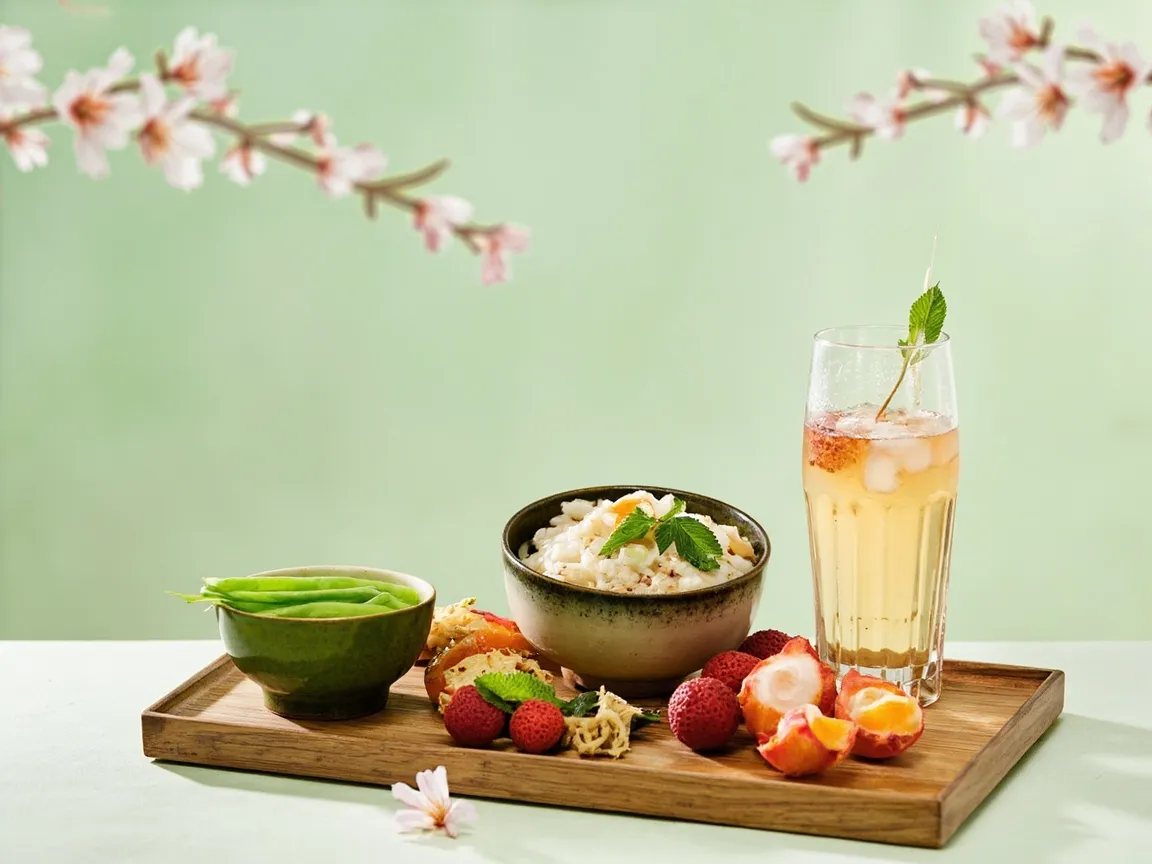
Traditional Chinese medicine classifies foods by their thermal properties — some are considered “cooling” (凉性, liáng xìng) while others are “warming” (温性, wēn xìng) or “neutral.” During the Three Fu Days, the diet shifts dramatically toward cooling foods.
Cooling Foods to Enjoy During the Three Fu Days
| Food | Chinese Name | Properties & Benefits |
|---|---|---|
| Mung Beans | 绿豆 (lǜ dòu) | Clear heat, detoxify, soothe irritability |
| Lotus Seed | 莲子 (lián zǐ) | Tonify spleen, calm the mind |
| Winter Melon | 冬瓜 (dōng guā) | Drain dampness, promote urination |
| Job’s Tears (Coix Seed) | 薏米 (yǐ mǐ) | Strengthen spleen, drain dampness |
| Chrysanthemum | 菊花 (jú huā) | Clear liver heat, relieve headaches |
| Barley | 大麦 (dà mài) | Cool the blood, strengthen digestion |
| Lily Bulb | 百合 (bǎi hé) | Nourish lungs, calm the spirit |
Foods to Limit or Avoid
- Heavy, greasy, or fried foods (they generate internal heat)
- Excessive spicy dishes (they can damage yin)
- Very hot soups and beverages (they counteract cooling effects)
- Alcohol (especially in excess)
The goal is to eat light, hydrating foods that support the body’s natural cooling processes without burdening the digestive system.
Lifestyle Practices
Beyond diet, traditional recommendations for the Three Fu Days include:
- Rest more: Avoid strenuous activity during the hottest midday hours (11 AM – 3 PM)
- Stay hydrated: Drink cool but not ice-cold water; herbal teas are excellent
- Wake early: Take advantage of cooler morning hours for exercise and activities
- Maintain emotional calm: Emotional agitation generates internal heat in TCM theory
- Moderate sweating: Light sweating is healthy; excessive sweating depletes energy
Modern Science Meets Ancient Wisdom
While traditional Chinese medicine has its own sophisticated theoretical framework, modern Western science offers additional perspectives on these practices.
From a physiological standpoint, the emphasis on light, hydrating foods during extreme heat makes good sense. When temperatures soar, the body works harder to regulate temperature, increasing metabolic demands. Heavy, fatty foods require more energy to digest, adding to this burden. Meanwhile, foods with high water content (like winter melon and cucumber) help maintain hydration.
The recommendation to avoid strenuous activity during peak heat hours aligns with modern understanding of heat-related illness risks. Dehydration, heat exhaustion, and heat stroke are real dangers, and timing physical activity to cooler parts of the day is sound advice.
As for the San Fu plasters, scientific evidence is less clear. Some studies suggest modest benefits for certain chronic conditions, but the research is limited and sometimes methodologically weak. The placebo effect — the well-documented phenomenon where belief in a treatment produces real physiological changes — likely plays a significant role in reported benefits.
This is not to dismiss traditional practices outright. Cultural traditions carry meaning beyond their literal health effects. The ritual of preparing cooling soups, the community aspect of shared dietary practices, and the psychological comfort of following ancestral wisdom all contribute to well-being in ways that modern medicine doesn’t fully capture.
What modern science does confirm is that stress reduction, community connection, and mindful attention to diet and rest — all elements of the San Fu tradition — genuinely improve health outcomes.
How to Apply Three Fu Days Principles Today
You don’t need to follow the traditional Chinese calendar to benefit from these insights. Here are practical ways to incorporate Three Fu Days wisdom into any summer routine.
Simple Cooling Recipes for American Kitchens
These recipes use ingredients available at any American grocery store:
Mung Bean Soup (绿豆汤)
A classic cooling beverage that’s simple to prepare.
Ingredients:
- 1 cup mung beans
- 8 cups water
- 2 tablespoons honey or rock sugar (optional)
- Pinch of salt
Instructions:
- Rinse mung beans and soak in cold water for 30 minutes.
- Bring water to a boil, add beans, reduce heat to simmer.
- Cook for 45–60 minutes until beans are soft and begin to open.
- Add honey or sugar to taste. A pinch of salt enhances the flavor.
- Serve cool or at room temperature.
** TCM Benefits: ** Clears internal heat, aids digestion, promotes urination.
Winter Melon Soup (冬瓜汤)
A light, refreshing soup perfect for hot days.
Ingredients:
- 2 cups winter melon, cubed (peeled)
- 4 cups chicken or vegetable broth
- 1 inch fresh ginger, sliced
- Salt to taste
- Fresh cilantro for garnish (optional)
Instructions:
- Bring broth to a simmer.
- Add winter melon and ginger.
- Simmer for 15–20 minutes until melon is translucent and tender.
- Season with salt.
- Serve warm or cool.
** TCM Benefits: ** Drains dampness, clears heat, supports digestion.
Chrysanthemum Tea (菊花茶)
A calming tea that cools the liver and eyes.
Ingredients:
- 1 tablespoon dried chrysanthemum flowers (available at Asian grocery stores or online)
- 4 cups boiling water
- Honey to taste (optional)
Instructions:
- Place chrysanthemum in a heat-proof container.
- Pour boiling water over flowers.
- Steep for 5–10 minutes.
- Strain and sweeten with honey if desired.
- Serve cool.
** TCM Benefits: ** Clears liver heat, relieves eye strain, calms the spirit.
Everyday Tips
- Swap heavy salads for light soups: In extreme heat, warm soups are paradoxically more digestible than cold, heavy salads.
- Add mint or lime to water: These have mild cooling properties and make hydration more appealing.
- Choose light proteins: Fish, chicken, and tofu are easier on the digestive system than red meat during hot weather.
- Embrace “cold” grains: Barley, Job’s tears (also called coix seed or pearled barley), and mung beans are excellent summer grains.
- Rest during midday: If possible, schedule less demanding activities between 11 AM and 3 PM.
Conclusion: Summer Wellness Through Tradition
As we approach the First Fu day on July 15, 2026, consider this an invitation to slow down, cool in, and tune into what your body needs during these long, hot summer days.
📚 Recommended Reading & Products
Disclosure: This article contains affiliate links. We earn a commission on qualifying purchases.