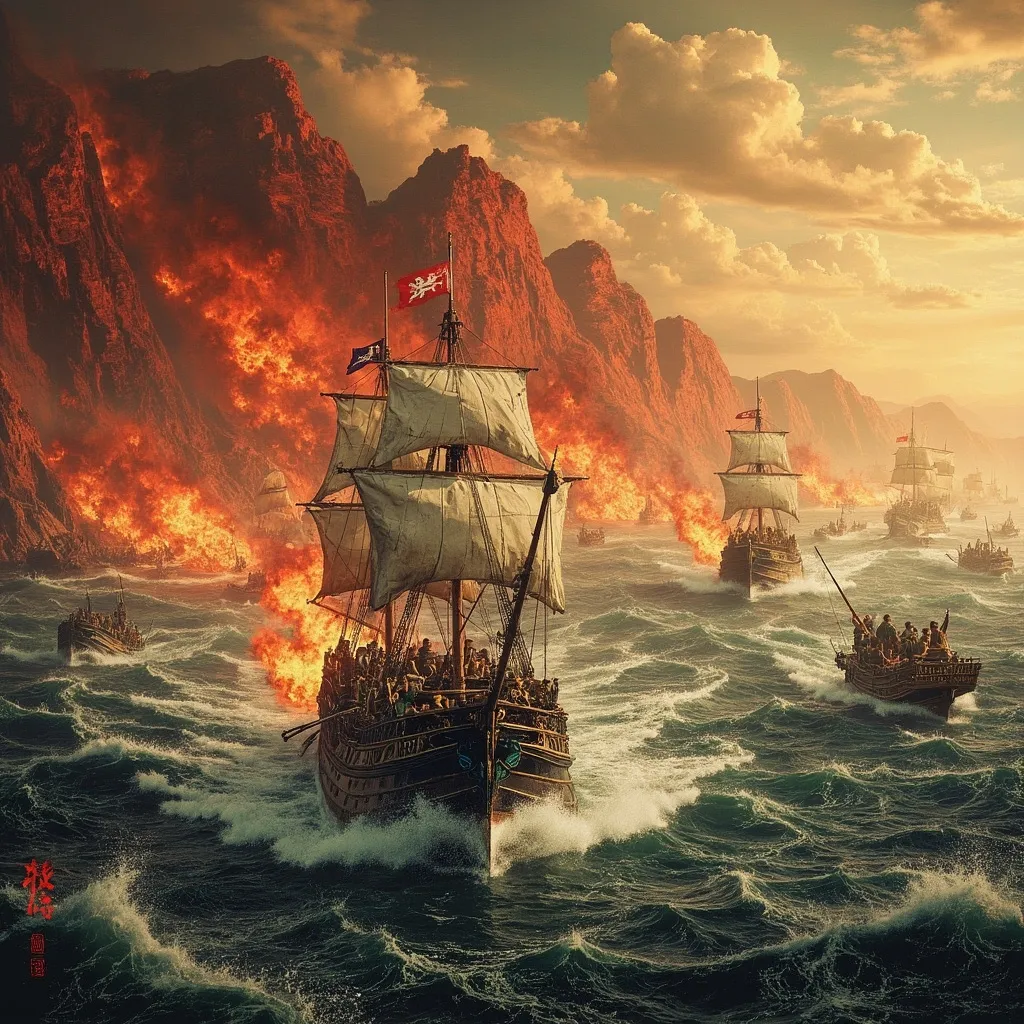
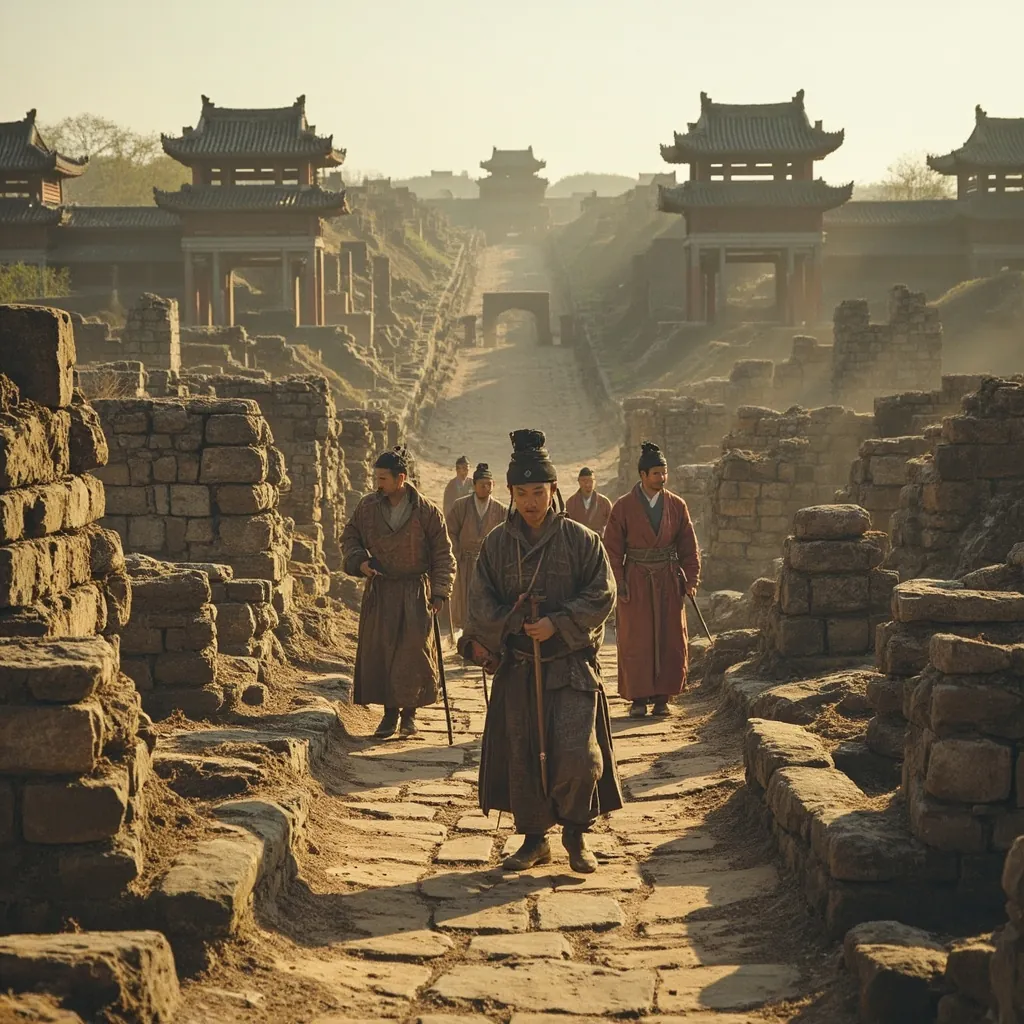
In 220 CE, a general named Cao Pi强迫 his way onto the throne and declared a new dynasty. The Han Emperor Xian, who had been a puppet ruler for decades anyway, was allowed to retire with some dignity. And just like that, four centuries of imperial rule ended — not with a dramatic last stand, but with a quiet political maneuver in a northern capital. China, which had been slowly fracturing for generations, was now officially split. What followed was one of the most legendary periods in Chinese history: an era of war, betrayal, legendary heroes, and philosophical strategists whose stories are still told in video games, television dramas, and opera houses more than 1,800 years later.
If you’re an American reader, it’s worth finding a point of comparison. Think of the fall of the Western Roman Empire in 476 CE — the moment when centralized imperial authority collapsed in Western Europe and the land broke into competing kingdoms, warlords, and power centers that took centuries to sort out. The Three Kingdoms period in China was something like that: the death of a unified imperial order, followed by generations of fragmentation, warfare, and the slow emergence of new political structures. The difference is that China’s Three Kingdoms era produced a body of legend and literature so rich that it still shapes the culture in profound ways — more as if the fall of Rome had produced a narrative tradition as powerful as the Bible, one that every subsequent generation memorized, debated, and dramatized.