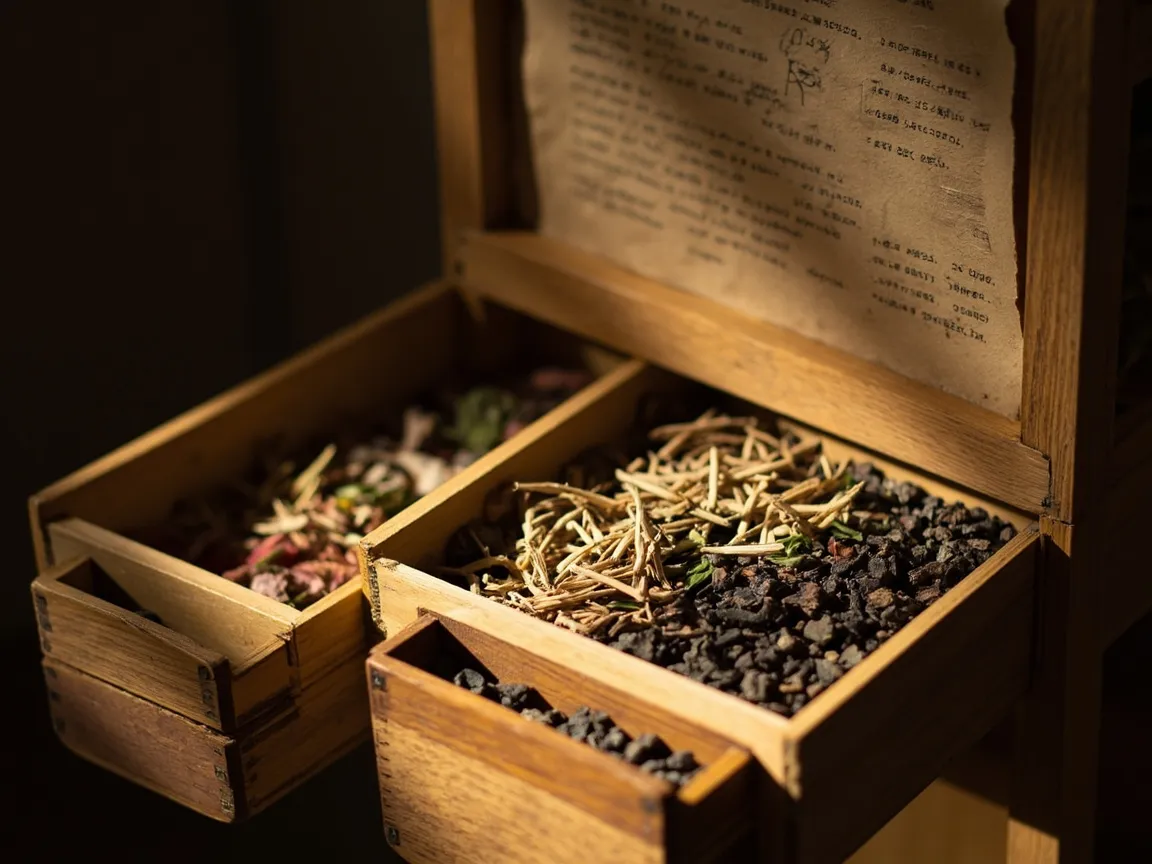
Traditional Chinese Medicine: Ancient Wisdom for Modern Health
Have you ever felt like modern medicine was missing something? Like there has to be a better way to treat the root cause of your health issues rather than just masking symptoms? You’re not alone. Millions of Americans are turning to Traditional Chinese Medicine (TCM) to fill that gap, seeking answers that span thousands of years of healing wisdom.
Traditional Chinese Medicine isn’t just some fringe alternative therapy. It’s a complete medical system that has evolved over more than 2,000 years, treating billions of people worldwide. In fact, the World Health Organization recognizes TCM as a valid form of healthcare, and it’s estimated that nearly one-third of the world’s population uses some form of traditional or complementary medicine.
So what’s the big deal? Why are so many people looking East for health solutions? Let’s dive into the fascinating world of TCM and discover what makes this ancient healing tradition so relevant to our modern lives.
What Is Traditional Chinese Medicine?
Traditional Chinese Medicine is a comprehensive healing system that originated in ancient China. Unlike Western medicine, which tends to focus on treating specific symptoms or diseases, TCM takes a holistic approach—meaning it looks at the whole person, not just the part that’s hurting.
At its core, TCM is based on the idea that the human body is a miniature version of the universe. Just as nature follows certain patterns and rhythms, our bodies also operate according to universal principles. When these patterns are in balance, we experience health. When they become disrupted, we get sick.
The fundamental concept behind TCM is something called “Qi” (pronounced “chee”). You might have heard this term before—it’s often translated as “vital energy” or “life force.” According to TCM philosophy, Qi flows through everything in the universe, including our bodies. When Qi flows smoothly and freely, we feel healthy and energetic. When it becomes blocked or imbalanced, we experience pain, illness, or emotional distress.
But Qi isn’t the whole picture. TCM also emphasizes the importance of Yin and Yang—two opposing but complementary forces that exist in everything. Yin represents the cool, quiet, inward aspects of life—think rest, darkness, and nourishment. Yang represents the warm, active, outward aspects—think movement, energy, and activity. Health, in TCM understanding, comes from maintaining the right balance between Yin and Yang within your body.
This might sound a bit philosophical, but here’s the practical takeaway: TCM practitioners don’t just look at what disease you have. They look at how your whole body system is functioning—your energy levels, your digestion, your sleep patterns, your emotional state, even the texture of your tongue and the rhythm of your pulse. They use all this information to understand what’s happening beneath the surface and develop a treatment plan that’s tailored specifically to you.
One of the most important things to understand about TCM is that it’s highly personalized. What works for your neighbor might not work for you, even if you have similar symptoms. This is because TCM treats each person as an individual with unique constitutional patterns. Two people with headaches might receive completely different treatments, because TCM recognizes that the underlying causes—and the appropriate remedies—can be completely different depending on the person’s overall constitution.
The Five Elements Theory
If you’ve ever studied Chinese philosophy or feng shui, you’ve probably encountered the Five Elements theory. This ancient concept plays a huge role in TCM, helping practitioners understand how different parts of the body relate to each other and to the natural world.
The Five Elements—Wood, Fire, Earth, Metal, and Water—represent five fundamental energies that exist in nature and within our bodies. Each element is associated with specific organs, tissues, emotions, colors, seasons, and even times of day. Let’s break this down:
Wood corresponds to the liver and gallbladder. It governs planning, decision-making, and the smooth flow of emotions. If you’ve ever felt frustrated, angry, or stuck in a rut, Wood energy might be involved. The Wood element is also linked to tendons and ligaments, as well as the color green and the spring season.
Fire corresponds to the heart and small intestine. It governs joy, enthusiasm, and our capacity for love and connection. The fire element is associated with the circulatory system, the tongue, the color red, and summer. When Fire energy is balanced, you feel warm, social, and genuinely happy. When it’s excessive, you might experience anxiety, insomnia, or heart palpitations.
Earth corresponds to the spleen and stomach. This is the element of nourishment, both physical and emotional. Earth energy influences our ability to think clearly, concentrate, and digest not just food but also ideas and experiences. It’s linked to muscles, the mouth, the color yellow, and late summer. If you’ve ever felt “stuck” or overly worried, Earth might need some attention.
Metal corresponds to the lungs and large intestine. This element governs letting go—of waste, of old ideas, of emotional baggage. Metal energy is associated with the respiratory system, the skin, the color white, and autumn. When Metal is balanced, you feel organized, clear-minded, and able to release what no longer serves you. When it’s imbalanced, you might struggle with grief, sadness, or respiratory issues.
Water corresponds to the kidneys and bladder. This is the foundational element, representing our basic vitality, will power, and genetic inheritance. Water energy is linked to the bones, ears, the color black, and winter. It also governs fear (when imbalanced) and courage (when balanced). The kidneys in TCM are considered the “root of life,” storing our essential Jing or life essence.
Here’s where it gets really interesting: the Five Elements aren’t just separate categories—they interact with each other in specific ways. Each element generates (creates) and controls (regulates) another element. Wood generates Fire, Fire creates Earth (ash), Earth produces Metal, Metal collects Water, and Water nourishes Wood. Similarly, Wood controls Earth, Fire controls Metal, Earth controls Water, Metal controls Wood, and Water controls Fire.
This interrelationship means that an imbalance in one area can ripple through the entire system. A TCM practitioner doesn’t just treat the symptom—they trace it back to understand which element is out of balance and why. This is why TCM can sometimes seem mysterious: you might come in for headaches, and the practitioner ends up treating your digestion, because that’s where the root imbalance lies.
Understanding the Five Elements gives you a whole new lens for looking at your health. Instead of seeing isolated symptoms, you start to see patterns and connections. Why do you always get sick in winter? Perhaps your Water element needs support. Why do you feel so anxious in the spring? Maybe your Wood element is overflowing. This framework offers a way to understand not just what went wrong, but why—and how to restore harmony.
Acupuncture and Meridians
When most Americans think of TCM, acupuncture is usually the first thing that comes to mind. Those tiny needles might look scary, but millions of people swear by this ancient healing technique. In fact, acupuncture has become so mainstream in the United States that it’s now offered in many hospitals and integrated into pain management programs.
So how does acupuncture actually work? The classical TCM explanation involves meridians—energy channels that run throughout your body, connecting your internal organs to your skin and limbs. Think of meridians like a network of underground rivers or electrical lines, carrying Qi and blood to every part of your body. There are 12 primary meridians, each named after the organ it connects to, plus eight extra channels that serve as reservoirs and connectors.
Along these meridians, there are specific points—more than 400 of them—where the energy can be accessed and influenced. These are called “acupuncture points” or “acupoints.” By inserting very thin, sterile needles into these precise points, a practitioner can regulate the flow of Qi, remove blockages, and restore balance to the affected organs and systems.
The modern scientific explanation is a bit different, and researchers are still working to fully understand the mechanisms. Studies have shown that acupuncture stimulates the release of endorphins (the body’s natural pain relievers), affects the autonomic nervous system, and can change how the brain processes pain signals. Functional MRI studies have demonstrated that acupuncture activates specific areas of the brain associated with pain regulation and homeostasis.
What both ancient and modern explanations agree on is that acupuncture works—when it’s done properly. The key lies in the precise location of points and the skill of the practitioner. A well-placed needle often produces a sensation called “De Qi” (roughly translated as “arrival of Qi”), which can feel like a dull ache, tingling, warmth, or a sense of heaviness. This is considered a good sign that the needle has reached the right point and is affecting the energy flow.
People seek acupuncture for all sorts of reasons. The most common use in the United States is for pain management—back pain, neck pain, osteoarthritis, headaches, and migraines all respond well to acupuncture treatment. But that’s just the beginning. Acupuncture is also used to treat digestive disorders, respiratory conditions, fertility issues, anxiety and depression, insomnia, allergies, and many other health concerns.
One of the great things about acupuncture is its safety record when performed by a trained practitioner. The needles are hair-thin and typically cause minimal discomfort—far less than what you’d experience with a blood draw or vaccination. Serious side effects are extremely rare when acupuncture is performed by a properly trained and licensed acupuncturist.
If you’re curious about trying acupuncture, look for a licensed acupuncturist (L.Ac.) in your area. Most states require practitioners to pass national board exams and complete extensive training—typically 3-4 years of graduate-level education. Don’t be afraid to ask about their training and experience. A good practitioner will be happy to explain what they’re doing and why.
Chinese Herbal Medicine
While acupuncture gets most of the attention in Western media, Chinese herbal medicine is actually the cornerstone of TCM treatment. In China, herbal formulas have been the primary medical intervention for thousands of years, and they’re used alongside acupuncture for conditions that need internal treatment.
Chinese herbal medicine is incredibly sophisticated. It doesn’t involve just isolated herbs taken singly—it uses complex formulas that combine multiple herbs, carefully balanced to enhance their effects and minimize any potential side effects. A typical formula might contain 6 to 15 different herbs, each chosen for a specific role in addressing the patient’s pattern of imbalance.
These formulas come in various forms. Traditional preparations include decoctions (herbs boiled in water to make a tea), powders, pills, and tinctures. Modern forms include capsules, tablets, and instant teas. Whatever the form, the principle remains the same: the formula is customized for the individual based on their specific pattern of disharmony.
The Chinese pharmacopoeia includes thousands of medicinal substances, most of them plants, but also some minerals and animal products. Some of the most commonly used herbs include:
Ginseng (Ren Shen) – Perhaps the most famous Chinese herb, ginseng is considered a potent tonic for Qi, especially the Qi of the lungs and spleen. It’s often used to combat fatigue, boost the immune system, and support overall vitality.
Licorice Root (Gan Cao) – This sweet herb is known as the “great harmonizer” because it can moderate the effects of other herbs in a formula. It also tonifies Qi, clears heat, and soothes sore throats.
Astragalus (Huang Qi) – Another premier Qi tonic, astragalus is prized for its ability to strengthen the immune system and defend against external pathogens. It’s often used preventatively, especially during cold and flu season.
Goji Berries (Gou Qi Zi) – These bright red berries nourish the liver and kidney Yin, making them popular for supporting eye health and anti-aging.
Coptis (Huang Lian) – A powerful bitter herb used to clear heat and drain dampness, especially in digestive infections.
The principles behind herbal formulation are fascinating. Each herb has properties (cold, hot, warm, cool), flavors (sweet, bitter, sour, salty, pungent), and meridian affinities (which organs it affects). A skilled herbalist combines herbs so that they work together synergistically—some to address the primary problem, others to support the body’s own healing mechanisms, and still others to minimize any potential side effects.
For example, a formula to treat a cold might include one herb to release the exterior (like ginger), another to clear heat (like mint), and a third to support the body’s Qi (like ginseng). The combination is intentional and precise.
If you’re considering Chinese herbal medicine, it’s important to work with a trained practitioner. While many Chinese herbs are available over-the-counter, self-prescribing can be risky. Herbs that are appropriate for one pattern can be harmful for another. A qualified TCM practitioner will take a detailed health history, examine your tongue and pulse, and prescribe a formula that’s right for your specific situation.
It’s also worth noting that quality matters enormously in Chinese herbal medicine. Look for practitioners or companies that use high-quality, tested herbs from reputable sources. In the United States, several organizations (like the American Herbal Products Association) have established quality standards for Chinese herbs.
TCM in Modern World
Here’s something that might surprise you: Traditional Chinese Medicine isn’t stuck in the past. It’s actively evolving and integrating with modern healthcare in fascinating ways. In China, TCM hospitals operate alongside Western medical facilities, and doctors routinely refer patients for integrated treatment approaches. This integration is happening in the United States too, though it looks a bit different.
Research into TCM methods has expanded dramatically over the past few decades. Acupuncture has been studied extensively, with rigorous clinical trials showing effectiveness for conditions like chronic pain, nausea from chemotherapy, and tension headaches. The National Institutes of Health (NIH) has funded numerous studies on acupuncture and other TCM modalities, and consensus statements acknowledge that acupuncture can be helpful for certain conditions.
Herbal medicine research is also advancing. Scientists are isolating and studying the active compounds in traditional herbs, sometimes discovering new applications or better understanding how traditional formulas work. Some pharmaceutical companies have even developed drugs derived from traditional Chinese herbs—for example, the malaria treatment artemisinin was developed from the Chinese herb qinghao (Artemisia annua).
Beyond formal research, TCM has entered mainstream American culture in many ways. You can find acupuncture clinics in most cities, and many health insurance plans now cover acupuncture treatments. Chinese herbal remedies are sold in pharmacies, health food stores, and online. Yoga and tai chi studios (which have roots in TCM movement practices) have become enormously popular. Even some medical schools now offer courses in integrative medicine that include TCM topics.
That said, it’s important to approach TCM with both openness and critical thinking. Not everything in TCM has been rigorously studied, and some traditional practices haven’t held up to modern scientific scrutiny. The key is to work with qualified practitioners, be honest with your healthcare providers about all treatments you’re using, and make informed decisions.
One of the most promising developments in modern TCM is the growing recognition of its value for preventive health. While Western medicine excels at treating acute conditions and emergencies, TCM has always emphasized keeping people healthy in the first place. The TCM approach of maintaining balance and addressing small imbalances before they become big problems aligns well with the modern “wellness” movement.
More and more Americans are working with TCM practitioners not because they’re sick, but because they want to stay healthy. Regular acupuncture sessions, seasonal herbal adjustments, and attention to diet and lifestyle according to TCM principles can help maintain vitality and prevent illness from taking hold.
If you’re curious about exploring TCM, start simple. Pay attention to your body using TCM concepts—notice if you tend to feel cold or hot, dry or moist, tired or wired. Notice the patterns in your digestion, your sleep, your emotions. These patterns can give you insight into your own constitutional tendencies, which is the foundation of TCM self-awareness.
From there, you might consider seeing a licensed acupuncturist for a consultation. Many practitioners offer initial evaluations that include tongue and pulse diagnosis, discussion of your health history, and recommendations for treatment. Even if you decide to continue primarily with Western medicine for serious conditions, complementary TCM approaches can often support your overall wellbeing.
Conclusion
Traditional Chinese Medicine offers a remarkably rich and nuanced approach to health that has stood the test of time. For over two millennia, TCM practitioners have been observing the body, understanding patterns, and developing treatments that work with the body’s natural wisdom rather than against it.
The beauty of TCM lies in its holistic perspective. Rather than viewing you as a collection of separate symptoms to be treated in isolation, TCM sees you as a whole person—connected to nature, influenced by emotions, and operating according to the same universal principles that govern all life. When you understand these principles, from the flow of Qi to the interactions of the Five Elements, you gain a powerful framework for understanding your own health.
That said, TCM isn’t about rejecting modern medicine. The best approach for most people is integrative—leveraging the strengths of both systems. Western medicine excels at acute care, diagnostic imaging, surgical interventions, and evidence-based pharmaceutical treatments. TCM excels at addressing chronic conditions, supporting natural healing, preventing disease, and optimizing overall vitality.
As you consider your own health journey, we encourage you to keep an open mind. The fact that something is old doesn’t make it wrong—in fact, TCM’s longevity is a testament to its effectiveness. At the same time, approach any health decision with thoughtful consideration, working with qualified practitioners and keeping all your healthcare providers informed about the treatments you’re pursuing.
Whether you eventually try acupuncture, explore herbal remedies, or simply adopt a more TCM-informed perspective on diet and lifestyle, you’ve taken an important step by learning about this ancient yet remarkably modern approach to health. Your body is a wise system, capable of remarkable self-healing. TCM offers time-tested tools to support that healing and help you thrive.