Xiaoman: When Grain Starts to Fill
There’s something genuinely beautiful about how the ancient Chinese calendar marks the passing of seasons. Instead of just four broad divisions like our standard months, they created 24 precise solar terms—each one capturing a specific moment in nature’s rhythm. One of the most meaningful among these is Xiaoman, which translates to “Grain Buds” or “Lesser Fullness.” This year, Xiaoman falls on May 21st, and it marks a truly special time in the agricultural year and in traditional wellness practices.
If you’ve never heard of Xiaoman, you’re not alone. These ancient markers aren’t part of everyday Western life, but they offer a fascinating window into how Chinese culture has historically connected human health to the natural world. Let me walk you through what makes this solar term so interesting and how you can borrow some of its wisdom for your own wellness routine.
The Meaning of Grain Buds
Xiaoman is the eighth of the 24 solar terms in the traditional Chinese calendar, falling right in the middle of spring’s transition into summer. Specifically, it begins when the sun reaches its 60th degree of celestial longitude and wraps up around the 75th degree—basically, a window of about 15 days centered on late May.
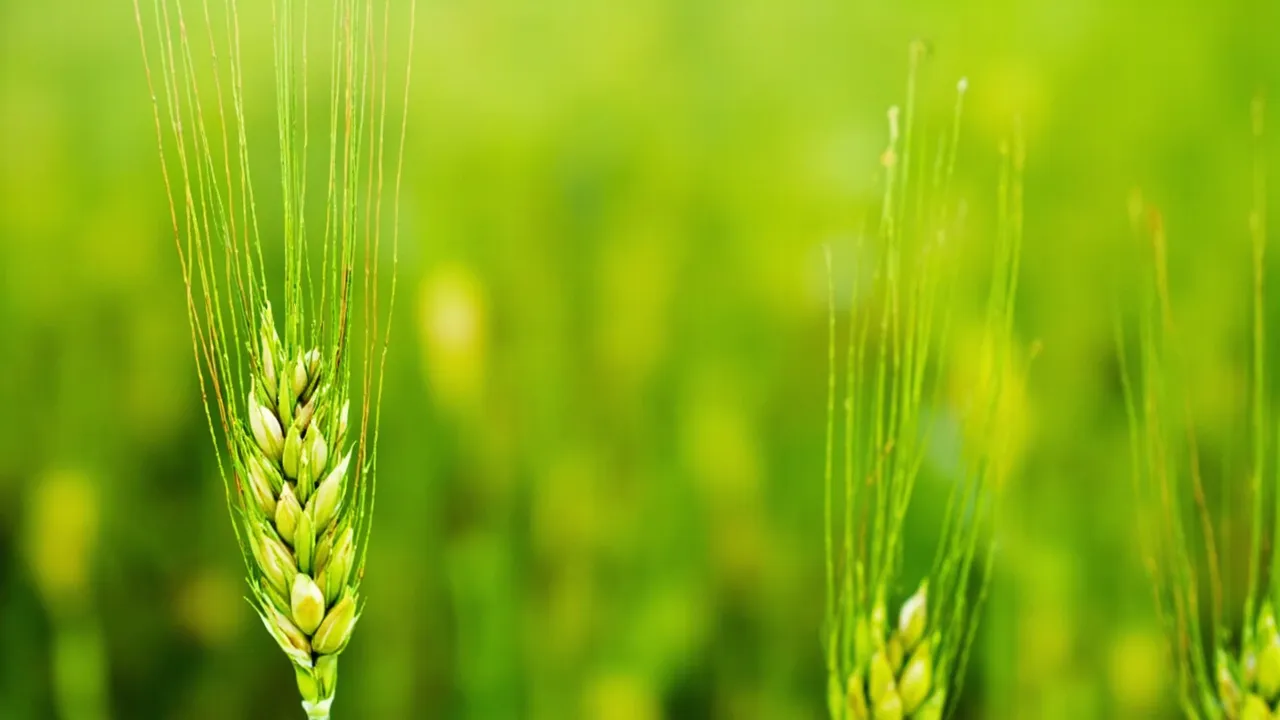
The name itself tells you exactly what’s happening in nature. The Chinese character 小 (xiǎo) means “small” or “lesser,” while 满 (mǎn) means “full” or “filled.” Together, Xiaoman captures a beautiful concept: this is the moment when grain seeds are swelling and filling up with starch, becoming plump but not yet ready for harvest. They’re full of potential, but the work isn’t done—they need a bit more time under the sun to reach full maturity.
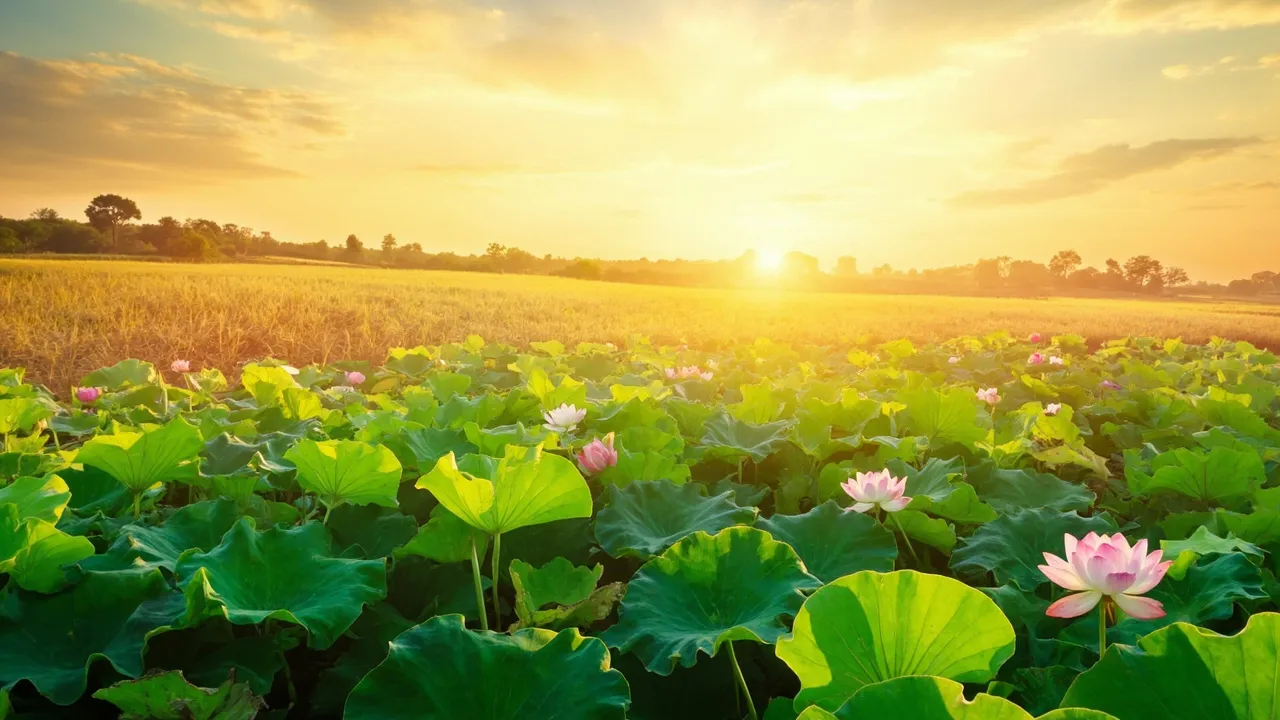
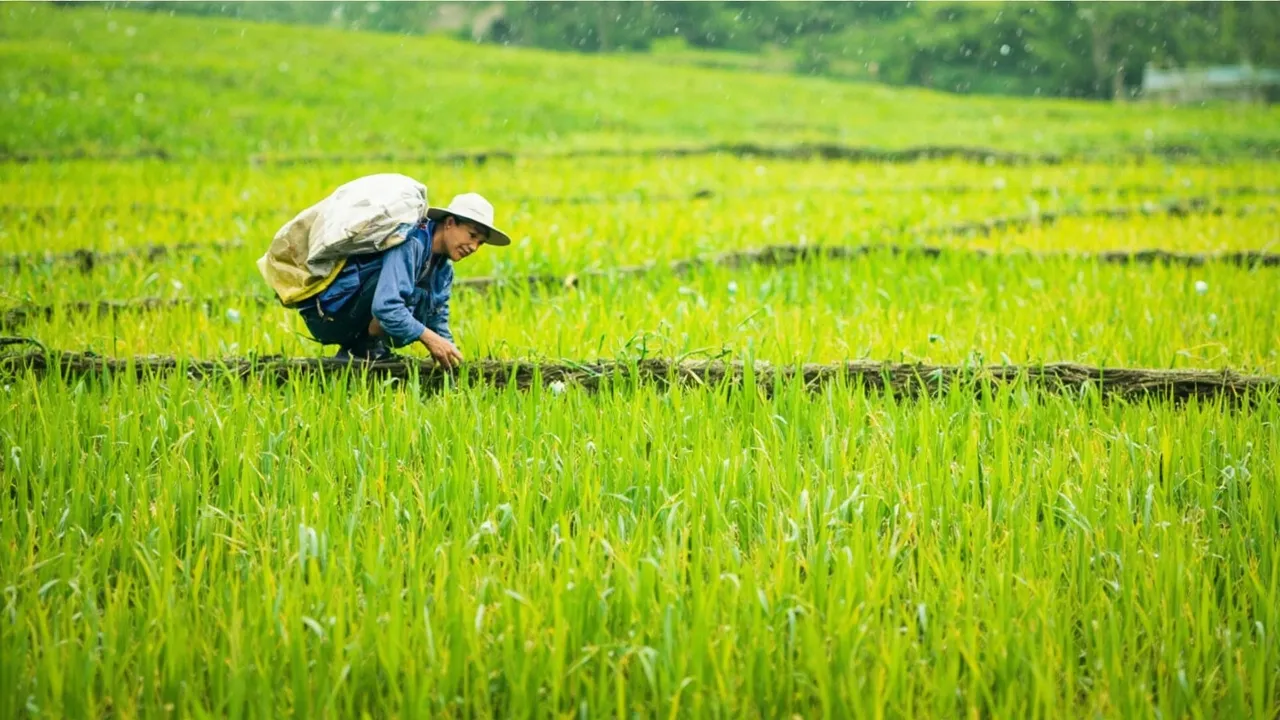
This timing makes perfect sense when you think about what farmers in China were observing thousands of years ago. In southern China, rivers and water channels begin to fill as seasonal rains arrive. In the north, wheat and other summer crops are reaching their peak fullness, the grains swelling nicely before the summer harvest begins. It was a critical moment in the agricultural calendar—a time of anticipation and careful attention to the crops.
There’s also a deeper philosophical meaning embedded in Xiaoman. The concept of “lesser fullness” suggests a modest, tempered approach to life. In Chinese cultural thinking, there’s wisdom in being full but not overflowing, satisfied but not greedy. The grain is filled but not yet complete, representing a state of healthy potential rather than final achievement. This attitude—appreciating where you are while remaining open to continued growth—has become a meaningful life philosophy that many Chinese people still embrace today.
Traditional Customs
When Xiaoman arrives, traditional communities have always had specific ways of marking the occasion. These customs vary across different regions of China, but some practices stand out as particularly meaningful.
Ceremonies and Gratitude
In many farming communities, Xiaoman was a time for gratitude and reverence. Farmers would offer prayers for a successful harvest, thanking the heavens for the rains that filled the rivers and the sun that ripened the grain. Some communities held small ceremonies to honor the earth and the spirits of the fields, recognizing that a good harvest depended on the cooperation between human effort and natural forces.
Caring for the Silkworm
One particularly fascinating custom involves the silkworm. In some regions of China, particularly in areas where sericulture (silk farming) was important, Xiaoman was closely associated with caring for silkworms. The timing worked out perfectly—the silkworms would be in their crucial growth phase around this same period when the grain was swelling. Farmers would pay special attention to their silkworm colonies, ensuring optimal conditions for the worms to produce the finest silk cocoons.
Eating Bitter Herbs
Here’s a custom that might surprise Western readers: eating bitter herbs during Xiaoman. Traditional Chinese medicine has long believed that different seasons call for different flavors in your diet. During the Xiaoman period, when dampness starts to become more prevalent in the environment, bitter-tasting foods were thought to help the body clear heat and excess moisture. Herbal teas made from dandelion, chrysanthemum, or other bitter greens were commonly consumed during this time.
Waterwheel Rides
In southern China, where rice paddies dominate the landscape, Xiaoman marked a time when the waterwheel became essential for irrigation. Some communities would actually celebrate by taking rides on the waterwheels—a playful recognition of how crucial water management was to the season’s success. It was both a practical acknowledgment of the technology and a festive way to mark the season’s arrival.
The “Three Pentads” Observation
Ancient Chinese people were meticulous observers of nature, and they divided each solar term into three pentads (five-day periods). During Xiaoman, they noticed: the first pentad was perfect for vegetables, the second saw weeds beginning to wither as summer heat built up, and the third signaled that the wheat harvest was just around the corner. This attention to detail reflects a culture that was deeply tuned into nature’s subtle shifts.
Health Tips for Xiaoman
Now here’s where things get really practical. How can you apply some of the traditional Xiaoman wisdom to your modern life? Even if you’re not a farmer tending wheat fields, the underlying principles are surprisingly relevant to everyday wellness—especially if you live in a place with humid summers.
Dealing with Summer Dampness
The Xiaoman period marks the beginning of truly humid weather in much of China, and that same principle applies in many parts of the United States. As temperatures rise and moisture increases, traditional Chinese medicine teaches that the body can become susceptible to “dampness”—a concept that describes sluggishness, bloating, and general heaviness.
What can you do about it? First, pay attention to what you’re eating. Lighter foods tend to help your body handle humidity better than heavy, greasy meals. Think steamed vegetables, fresh fruits, and easily digestible grains. At the same time, reduce your intake of dairy, fried foods, and excessive sweets, which are believed to contribute to internal dampness.
Embrace Bitter Flavors
Remember those bitter herbs I mentioned? There’s actually modern science backing up part of this tradition. Bitter foods and beverages can stimulate digestion and help your body feel more energized during sluggish summer weather. Consider adding some bitter greens to your diet—arugula, radicchio, or even a cup of unsweetened herbal tea with dandelion or mint. Your digestive system might thank you.
Stay Hydrated, But Smart
With the heat and humidity rising, staying hydrated is obviously important. But here’s a tip from traditional practice: drink water at room temperature rather than ice cold. The belief is that very cold drinks can shock the digestive system, while room temperature water is absorbed more smoothly. Of course, in the middle of a scorching American summer, this doesn’t mean you can’t enjoy something cool—just maybe don’t chug ice water directly.
Move, But Don’t Overdo It
Traditional Chinese wellness has always emphasized gentle, consistent movement. During the Xiaoman period, when the body can feel heavier due to humidity, light exercise like walking, swimming, or gentle yoga can help keep energy flowing without exhausting you. The key is consistency rather than intensity. Think of it as working with the season’s energy rather than fighting against it.
Get Some Sun (Carefully)
This might seem counterintuitive given all the talk about avoiding too much heat, but Xiaoman is actually a great time to get some moderate sun exposure. The gentle morning sun provides vitamin D and supports natural sleep rhythms. Just be reasonable about it—avoid the intense midday sun, wear sunscreen, and don’t overdo it. A morning walk or some time in the garden during the cooler parts of the day fits perfectly with the traditional wisdom of this season.
Protect Your Joints and Digestion
In traditional Chinese medicine, the spleen is particularly vulnerable during damp periods. The spleen, in TCM theory, is responsible for transformation and transportation in the body—basically, how efficiently you digest and absorb nutrients. To support it, focus on warm, cooked foods rather than raw vegetables, and consider adding some warming spices like ginger to your meals. This doesn’t mean you need to give up salads entirely, but maybe swap that cold smoothie for something at room temperature.
Mental Balance Matters Too
There’s one more aspect of Xiaoman that’s worth considering: the philosophical message about contentment and moderation. The “lesser fullness” concept invites us to appreciate where we are without constantly craving more. In our achievement-oriented culture, this feels almost radical. Take a moment during this season to notice what you’ve already accomplished, to feel satisfied with progress rather than always chasing the next goal. Your mental health will thank you.
Conclusion
Xiaoman is one of those beautiful examples of how traditional cultures found meaning in nature’s rhythms. It’s not just about agriculture—it’s about understanding where you are in the cycle of growth and honoring that moment. The grain is full, but not finished. There’s more to come, but there’s also already so much to appreciate.
Whether you decide to try some of the dietary suggestions, adopt the philosophy of moderate contentment, or simply appreciate the idea of marking seasonal transitions, Xiaoman offers something for everyone. As we move from spring into summer, it’s a gentle reminder to stay balanced, stay grateful, and remember that growth is a process—not an event.
Next time May 21st rolls around, you’ll know exactly what Xiaoman represents. And maybe, just maybe, you’ll find yourself paying a little more attention to the grains in your own life—the ones that are swelling with potential, full of promise, and just about ready to mature into something beautiful.