There’s something magical about the longest day of the year. In the Northern Hemisphere, we all feel it—that stretch of light that seems to pause and hold its breath before the slow slide back toward darkness. But in Chinese culture, this day carries a weight that goes far beyond picnics and late sunsets. It’s called Xiazhi, and it’s one of the most important markers in the ancient Chinese calendar.
What Xiazhi Really Means
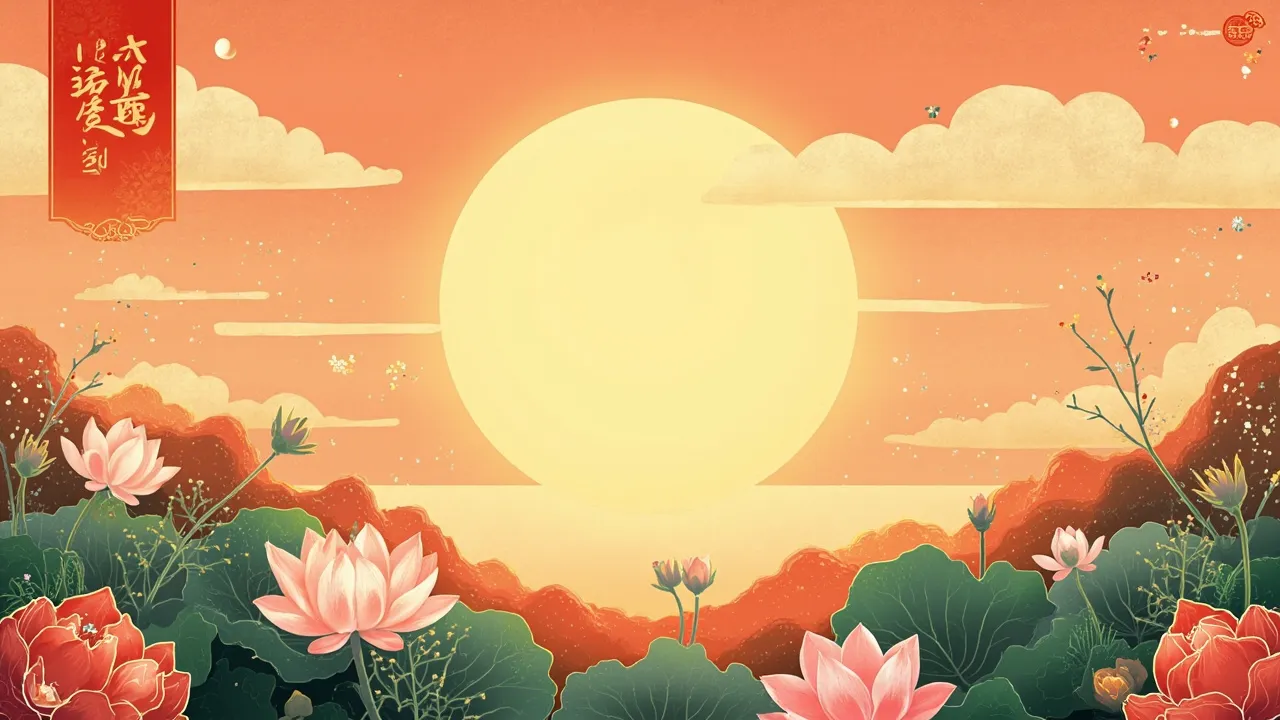
Xiazhi (夏至, xià zhì) translates literally to “summer arrives.” It’s the tenth of the 24 solar terms in the traditional Chinese lunisolar calendar, and it marks the summer solstice—when the sun reaches its highest point in the sky and the day stretches to its absolute maximum.
Here’s what’s fascinating from a scientific standpoint: the summer solstice happens when the Earth’s axial tilt is most inclined toward the sun. In practical terms, this means the longest daylight hours of the year. In Beijing, you might get nearly 15 hours of daylight. In Anchorage, Alaska, the sun barely dips below the horizon at all.
But for the ancient Chinese, Xiazhi was about much more than astronomy. The character 夏 means “summer,” and 至 means “arrival” or “extreme.” So Xiazhi is literally “summer’s extreme”—the moment when yang energy, the active, warm, expansive force in Chinese philosophy, reaches its absolute peak.
In Traditional Chinese Medicine (TCM), everything in nature cycles between yin and yang. Yin is cool, still, dark, and internal. Yang is warm, active, bright, and external. The summer solstice represents the apex of yang—that turning point where things will gradually shift back toward yin as we move into autumn and winter.
This philosophical framework shaped how the ancient Chinese experienced and celebrated the solstice. Rather than just marking a date on a calendar, Xiazhi represented a cosmic balance point, a moment to honor the rhythms of nature and align human life with those rhythms.
Traditional Customs Around Xiazhi
The ancient Chinese emperors took Xiazhi seriously—very seriously. While the winter solstice was dedicated to worshiping Heaven, the summer solstice was reserved for worshiping Earth. These two solstices were considered the most important festivals in the imperial calendar, occasions for grand ceremonies and ritual observances.
Eating Summer Noodles
One of the most widespread customs that has survived into modern times is eating noodles on Xiazhi. In many parts of China, particularly northern regions, families gather to eat “summer arrival noodles” (夏至面). The tradition holds that eating long, unbroken noodles symbolizes a long, healthy life.
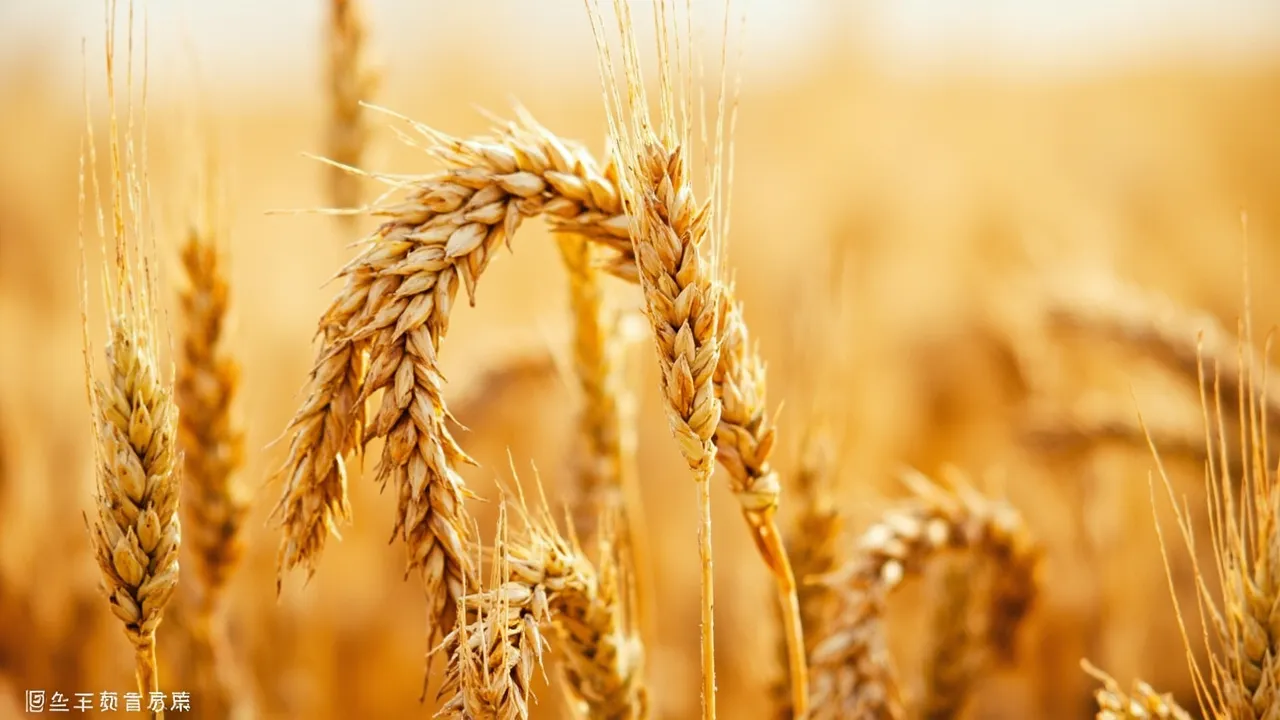
There’s also a practical dimension to this custom. Wheat is harvested around this time in northern China, so fresh noodles made from the new grain were both a celebration of the harvest and a way to fortify the body for the months ahead.
In some areas, people specifically eat cold noodles with savory sauces—the “cooling” nature of the dish was believed to help the body handle the extreme heat of midsummer.
Fan-Giving Tradition
Here’s a charming custom that many Westerners don’t know about: in ancient China, women would give decorative fans to their friends and family around Xiazhi. The fans symbolized the blowing away of heat and the wish for a cool, comfortable summer.
This wasn’t just a practical gift—it was a social ritual that strengthened bonds between women and expressed care for one another’s wellbeing during the hot months ahead.
Some families also hung fresh mint or other aromatic herbs in their homes, believing these plants helped purify the air and ward off the “summer heat” that could make people sick.
Celebrating the Harvest
Because Xiazhi falls right around the harvest season for many crops in China, it became associated with gratitude for abundance. Families would offer freshly harvested grain and vegetables to their ancestors, giving thanks for the year’s bounty and asking for continued prosperity.
In coastal regions, this was also the season for eating certain seafoods that were considered particularly nourishing during the hot months. The timing of the solstice helped people tune into what foods were most available and most beneficial at any given moment.
The Counting of Shadows
Here’s a quirky traditional activity that some people still practice: on Xiazhi, you can observe that at noon, objects cast their shortest shadows of the year. In ancient times, this was both a scientific observation and a source of folk entertainment—children would compete to see who could find the shortest shadow or trace the most interesting shadow figure in the brilliant midday light.
This simple observation connects us to the astronomical reality behind the solar term: the sun at its highest point, directly overhead in many parts of China, marking the pivot point between the year’s expanding and contracting daylight.
Health Tips for Xiazhi: Ancient Wisdom for Modern Times
Here’s where things get really interesting. The ancient Chinese didn’t just celebrate Xiazhi—they used it as a practical guide for staying healthy through the extreme heat of summer. These aren’t just folk beliefs; they’re based on centuries of observation about how the human body interacts with seasonal changes.
Nourish Your Yin While Yang Is Peak
The central health principle for Xiazhi is this: yang is at its maximum, so you need to start cultivating yin to maintain balance. Think of it like a see-saw—when one side goes up, the other naturally comes down.
This means incorporating more cooling foods into your diet. In TCM philosophy, certain foods are considered “cooling” not because of their temperature, but because of their energetic properties. Here are some examples:
- Watermelon: The ultimate summer fruit, considered highly cooling. It helps clear heat and generate fluids.
- Mung beans: Often made into a refreshing soup, mung beans are classic for “clearing summer heat.”
- Lotus root: Crunchy and cooling, good for the digestive system.
- Chinese barley (yi yi ren): A grain that’s particularly good for removing dampness and heat from the body.
- Fresh leafy greens: Bitter greens like dandelion leaves help drain excess heat.
At the same time, you’ll want to reduce or avoid foods that generate internal heat: heavily spiced dishes, fried foods, alcohol, and excessive red meat.
Stay Hydrated—But Not With Cold Drinks
Here’s a TCM principle that might surprise Americans: drinking ice-cold beverages actually impairs your body’s ability to cool itself. The shock of cold drinks constricts your digestive system and can interfere with the natural cooling processes that keep your body temperature regulated.
Instead, sip room-temperature water throughout the day, or drink warming herbal teas that promote sweating (which cools you down). Chrysanthemum tea is a classic choice—it has a cooling effect on the body and helps with the headachy, sluggish feeling that extreme heat can bring.
Protect Your Heart
In TCM, summer is associated with the heart organ and the emotion of joy. The intense heat of midsummer can put extra stress on the cardiovascular system. During Xiazhi and the weeks following, traditional practitioners recommend:
- Getting adequate rest, especially during the hottest parts of the day
- Avoiding strenuous activity during peak heat hours (typically 11 AM to 3 PM)
- Eating foods that support heart health, like red beans, lotus seeds, and bitter greens
- Practicing calming activities like gentle qigong, meditation, or quiet walks in nature
Embrace the Rhythm of the Day
Ancient Chinese health philosophy emphasized living in harmony with natural rhythms. During summer, this meant:
- Rising early: The cool morning hours are best for exercise and productive work
- Resting during midday: The traditional “siesta” makes scientific sense when you understand how the body responds to heat
- Staying up a bit later: The long summer evenings were meant to be enjoyed, but not to the point of exhaustion
Mind Your Mental Health
The concept of “summer heat” (中暑, zhòng shǔ) in Chinese medicine encompasses more than physical overheating—it also includes the mental agitation, irritability, and restlessness that hot weather can cause. The advice from TCM practitioners was to cultivate calm, avoid anger (which damages the heart), and maintain a peaceful mindset.
This might mean spending time in shaded, natural environments, practicing breathwork, or simply scheduling more downtime during the hottest weeks of the year.
Finding Balance in the Longest Day
Xiazhi teaches us something profound about life: the moment of maximum also contains the seeds of change. The ancient Chinese understood that summer’s extreme heat would gradually give way to autumn’s cool. The longest day contains within it the promise of shorter days to come.
For modern Americans dealing with the dog days of summer, there’s wisdom in this perspective. When the heat feels unbearable, remember that the solstice marks a turning point. The days, imperceptibly at first, will begin to shorten. The intense heat will eventually break.
But more than that, Xiazhi invites us to think about balance in our own lives. When we’re at our most active, most expansive, most yang—it’s time to start planting seeds of rest, cooling, and inward reflection. The extremes of nature teach us about moderation.
So this summer, whether you celebrate by eating a bowl of cool noodles, sharing a fan with a friend, or simply taking a moment to notice the extraordinary length of the daylight, you’re participating in a tradition that stretches back thousands of years. The Chinese solar terms weren’t just calendars—they were guides for living well in harmony with the world around us.
The longest day invites us to make the most of the light while we have it—and to prepare, gently and gracefully, for whatever comes next.
As you go about your summer, consider what it means to live in balance with the seasons. The ancient Chinese watched the sky and learned its rhythms. They built an entire system of health and wellbeing around the simple truth that we are part of nature, not separate from it. Xiazhi reminds us that even in our modern, air-conditioned lives, we still belong to something larger than ourselves—the great turning of the seasons, the dance of yin and yang, the eternal rhythm of the cosmos.
Xiazhi falls on or around June 21st each year. This article was written for the 2026 summer solstice.