Xingyiquan: The Explosive Art of Shape-Intent Boxing
If Tai Chi represents water and Baguazhang represents wind, then Xingyiquan represents fire. This dynamic Chinese internal martial art emphasizes explosive power, aggressive forward movement, and direct assault. Where other internal arts might yield and circle, Xingyiquan advances with relentless pressure, striking like lightning and overwhelming opponents through sheer intensity.
The name translates roughly as “Shape-Intent Boxing” or “Form-Will Boxing,” capturing the art’s focus on expressing internal intent through external form. Practitioners develop the ability to channel mental focus into physical power, creating strikes that seem to exceed what the body should be capable of producing. This isn’t magic—it’s the result of precise training methods that build specific physical abilities while training the mind to direct them effectively.
The Philosophical Foundation: Five Elements
Xingyiquan’s theoretical framework centers on the Chinese Five Elements (wuxing): Metal, Wood, Water, Fire, and Earth. Each element corresponds to specific organs, emotions, colors, and—most importantly for martial application—specific fist techniques and combat principles.
Metal (劈拳 - pi quan, or “splitting fist”) corresponds to the lungs and grief. The motion mimics chopping or splitting—powerful downward or diagonal strikes that break through defenses. In combat, Metal practice develops the ability to cut through opponent’s guards and destroy their structure.
Wood (崩拳 - beng quan, or “crushing fist”) corresponds to the liver and anger. The explosive forward thrust mimics wood’s tendency to grow upward powerfully. This is often considered the core fist of Xingyiquan—a straight, driving strike delivered with the entire body’s momentum. Metal controls Wood in the generating cycle, so Metal fist provides the foundation for Wood fist’s explosive power.
Water (钻拳 - zuan quan, or “drilling fist”) corresponds to the kidneys and fear. The drilling motion works upward or into tight spaces—like water finding cracks in rock. This fist trains penetrating attacks that slip past defenses, targeting vital points that other strikes cannot reach.
Fire (炮拳 - pao quan, or “cannon fist”) corresponds to the heart and joy. Like a cannon firing, this is the art’s most explosive technique—a powerful, open-palmed strike that blasts through opposition. Fire overcomes Metal in the controlling cycle, making this fist particularly effective against the Splitting fist’s defenses.
Earth (横拳 - heng quan, or “crossing fist”) corresponds to the spleen and worry. The lateral, crossing movement represents earth’s stabilizing, grounding quality. Earth generates Metal, connecting back to the first element and completing the cycle.
Training these five fists develops well-rounded combat capability while teaching practitioners to understand combat through philosophical frameworks. Each fist counters certain attacks and is vulnerable to others, creating a complete system where students learn both how to attack and how to defend against each type.
The Twelve Animals: Nature as Teacher
Beyond the Five Elements, Xingyiquan draws inspiration from twelve animals whose movements and fighting characteristics inform the art’s techniques. These aren’t simply “animal styles” in the sense of mimicking animal movements—they represent principles that human fighters can apply to their own combat.
The Dragon represents vertical movement and rising power—the ability to strike upward while maintaining mobility. Tiger emphasizes powerful grabs and tear-away techniques, developing the ability to control opponents at close range. Monkey brings agility and climbing movements, useful for navigating messy combat situations.
The Horse embodies powerful kicking and the ability to maintain momentum while striking. Ostrich (or Crane) represents balance, stability, and the precision strikes delivered from stable positions. Snake emphasizes sinuous movement, winding around attacks while finding paths to strike.
Turtle (or Rooster) develops defensive stability, the ability to protect oneself while remaining ready to strike. Tai (a mythical animal combining tiger and dragon characteristics) brings combination movements that blend different animal principles. The remaining three vary by school but often include variations like Eagle, Swallow, or other creatures whose movements offer useful combat principles.
Practitioners study each animal’s movement patterns, then translate those principles into human martial application. The goal isn’t to look like the animal but to embody its fighting spirit—aggressive like the tiger, stable like the turtle, explosive like the dragon.
The Combat Approach: Advancing and Destroying
Xingyiquan’s fighting strategy differs dramatically from Tai Chi’s yielding or Baguazhang’s circling. The fundamental approach involves continuous forward pressure, attacking relentlessly until the opponent is destroyed. This isn’t盲目 aggression (blind aggression)—it’s calculated offense based on specific principles.
The core movement involves “stepping and punching” (zou da) in which practitioners explode forward with each step while delivering strikes. The feet drive into the ground, the legs generate power, the hips rotate, the torso twists, and the arm extends—all in one coordinated explosion. This whole-body power generation creates strikes far more powerful than arm-only punches.
Defensive movements in Xingyiquan are minimal and immediately transition into counterattacks. Rather than blocking and then striking, practitioners use the attacking limb to deflect while continuing forward, transforming defense into offense in a single motion. This principle, called “attack is defense” (攻即是防), keeps the pressure constant.
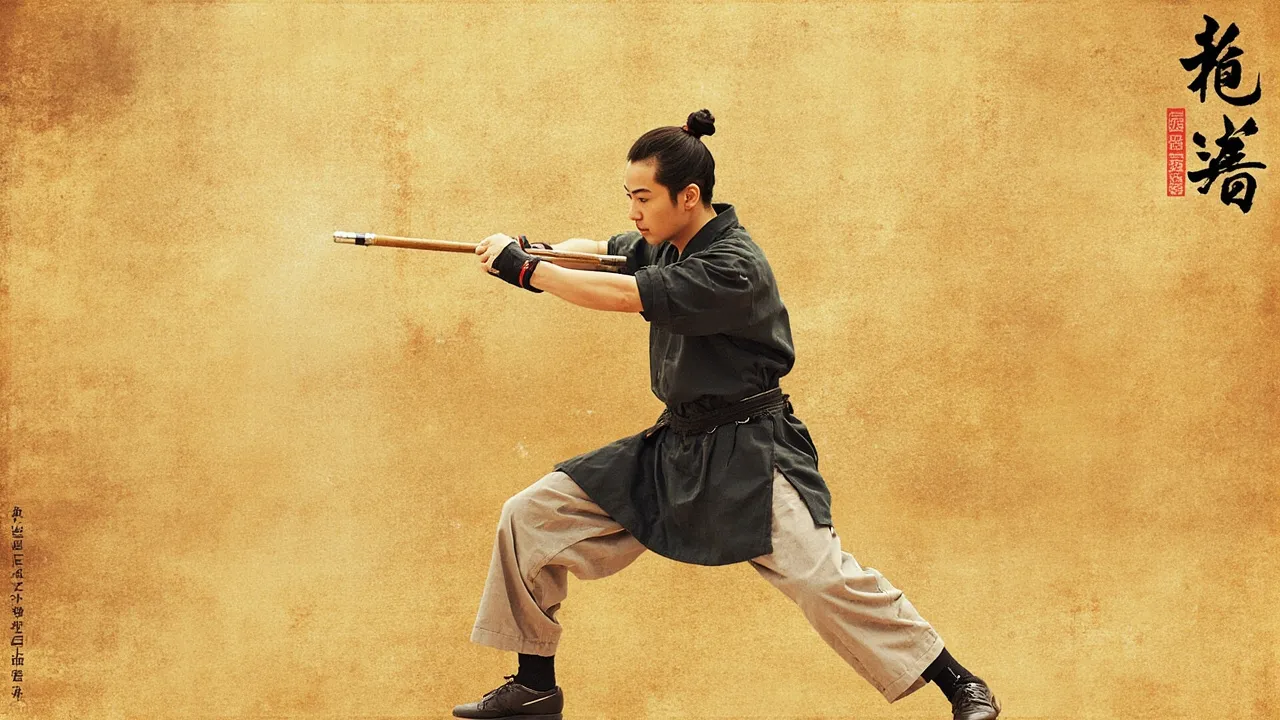
The “three bodies” (san ti) stance serves as the fundamental position from which all movement emerges. This forward-leaning posture with one hand extended and one hand guarding creates a ready position from which explosive attacks can launch in any direction while maintaining balance for forward movement.
Health Benefits and Internal Development
Like other internal martial arts, Xingyiquan develops the body and mind together, creating practitioners who are healthier, more focused, and more capable than sedentary counterparts. However, Xingyiquan’s more vigorous practice creates different benefits than the gentler internal arts.
The explosive movements develop cardiovascular fitness, leg strength, and explosive power. Unlike steady-state cardio, Xingyiquan’s interval-style training builds both aerobic and anaerobic capacity. Practitioners develop the ability to generate sudden bursts of power—a capability that translates to functional fitness for daily life.
The deep, horse-stance training develops leg strength and durability that supports joint health as practitioners age. The constant stepping and changing directions improves balance and coordination. The focus required during practice develops mental discipline and concentration that extends beyond the training floor.
Breathing practices coordinate with movement, teaching practitioners to breathe efficiently during exertion. This diaphragmatic breathing pattern, once developed, improves respiratory function during all physical activities. Many practitioners report that chronic respiratory issues improved with consistent Xingyiquan practice.
The internal energy cultivation aspect follows the same principles as other internal arts—developing sensitivity, awareness, and the ability to direct internal energy (qi) throughout the body. While Xingyiquan’s more external appearance might suggest less emphasis on these aspects, serious practitioners develop significant internal power through dedicated training.
Training Methods and Progression
Traditional Xingyiquan training follows a structured progression that builds skills systematically. Students begin with standing meditation (zhan zhuang) to develop the foundational structure and internal awareness. This practice, which involves holding specific postures while focusing on breath and alignment, builds the body awareness and power generation ability that all subsequent training depends upon.
Once basic structure develops, students learn the Five Element fists in order, typically starting with Metal (Splitting) fist and progressing through the cycle. Each fist requires extensive practice before moving to the next—properly learning just one fist can take months of focused training.
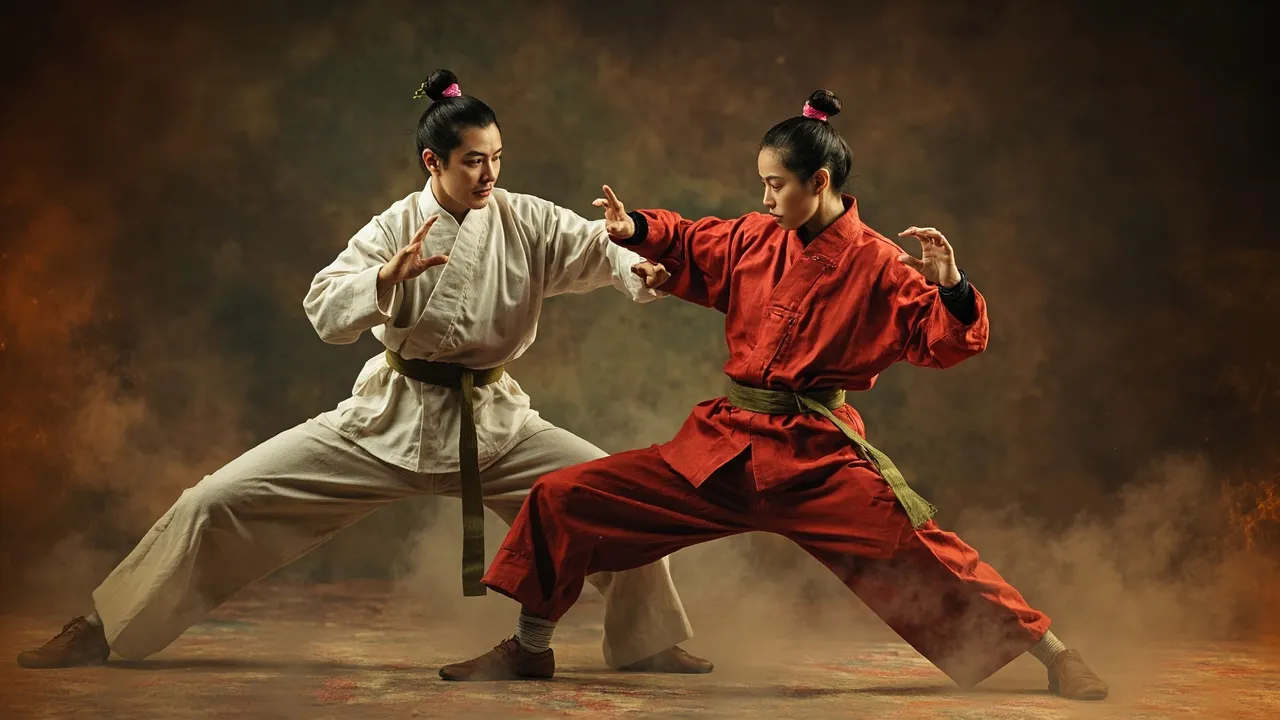
Partner training develops application skills. “Pushing hands” exercises (similar to but distinct from Tai Chi’s version) develop sensitivity and the ability to sense an opponent’s intentions and power. Controlled sparring allows testing techniques against resistance without the full intensity of actual combat.
Weapon training in Xingyiquan includes the similar (spear), dao (broadsword), and jian (straight sword). The spear practice particularly develops the explosive, thrusting power that characterizes the art—the spear becomes an extension of the fist.
Whether you seek powerful self-defense capability, cardiovascular fitness, or a path to developing internal energy, Xingyiquan offers a direct, effective approach. This art doesn’t waste time on unnecessary movement—all technique serves combat purpose, all training develops real capability. For those who resonate with its aggressive, direct approach, Xingyiquan provides a lifetime of development potential.
The path demands commitment and effort—Xingyiquan doesn’t offer shortcuts or easy progress. But for those who invest the time and energy, the rewards include genuine martial capability, robust health, and access to a profound traditional art that has produced generations of skilled practitioners.