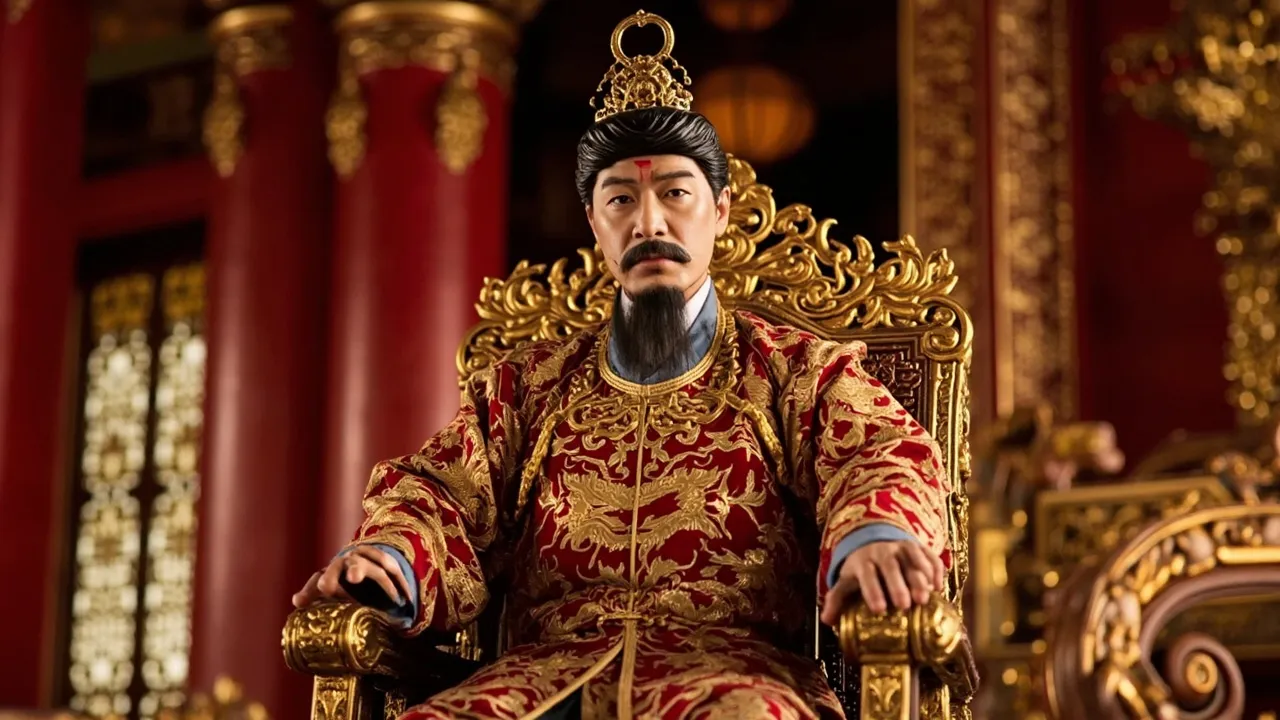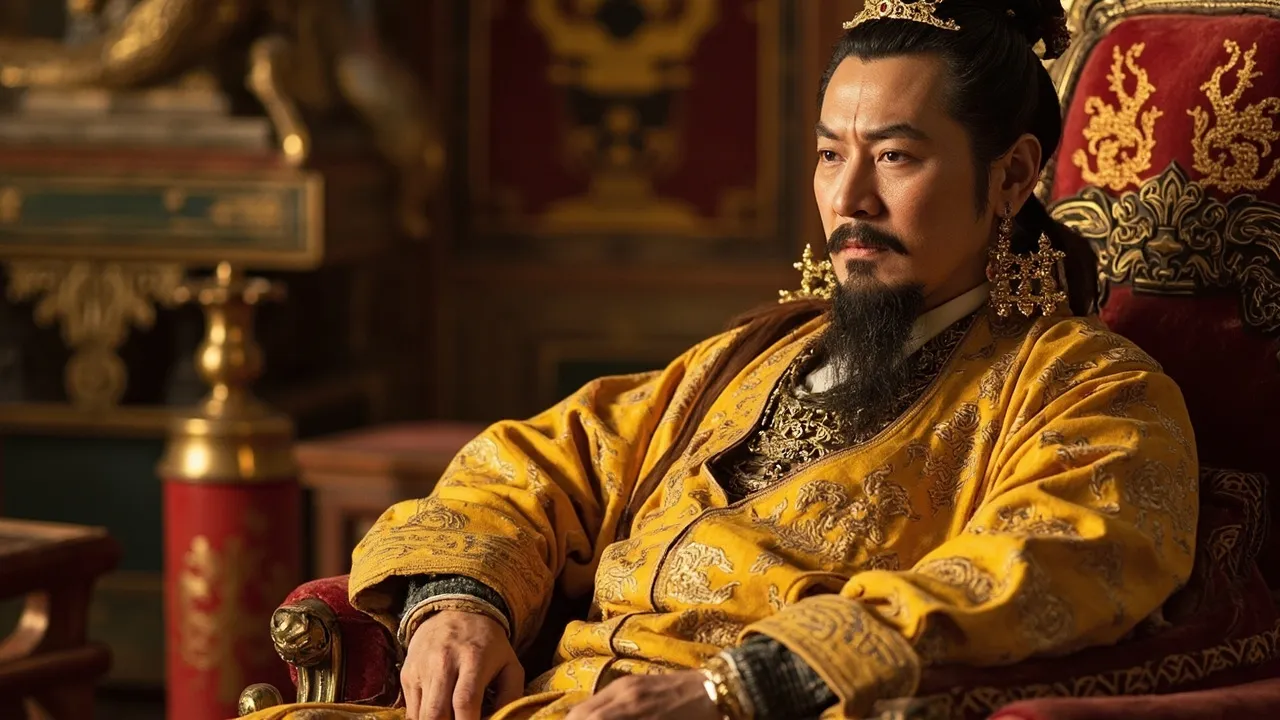
The Yuan Dynasty: When Mongolia Ruled China
Picture this: It’s the year 1275, and a young Venetian merchant named Marco Polo arrives at the court of a Mongol emperor in what’s now Beijing. The emperor speaks a language Marco doesn’t understand, wears clothes unlike anything he’s seen in Europe, and rules over a kingdom far larger than any Marco has ever known. Yet this empire, so foreign to Marco, is unmistakably Chinese—inventive, sophisticated, and constantly surprising. This was the Yuan Dynasty, a period when the Middle Kingdom was ruled by outsiders from the steppes, and the results were nothing short of revolutionary.
The Yuan Dynasty (1271-1368) was the first and only time in Chinese history that the entire country was ruled by a non-Chinese dynasty. The Mongols, those legendary horsemen from the northern grasslands, conquered China and held it for about a century. But here’s what makes the Yuan truly fascinating: they didn’t just take over—they transformed the country in ways that still affect Chinese culture today. Let’s dig into this remarkable period and discover why the Yuan Dynasty matters to anyone interested in Chinese history.
The Rise of the Mongol Empire
To understand the Yuan Dynasty, you have to start with the Mongols themselves. Before the 13th century, the Mongols were a collection of wandering tribes across the vast Eurasian steppes—skilled horsemen, yes, but not a unified power. That changed with one extraordinary man: Genghis Khan.
Born around 1162 as Temüjin, this future conqueror united the Mongol tribes in the early 1200s and launched a campaign of expansion that would create the largest contiguous land empire in human history. At its peak, the Mongol Empire stretched from Korea to Poland, from Siberia to the Persian Gulf. China, with its wealth, sophisticated culture, and productive agriculture, was the jewel they wanted most.
Genghis Khan’s grandson, Kublai Khan, was the one who finally accomplished the conquest. By 1271, Kublai had declared the Yuan Dynasty, officially marking the beginning of Mongol rule over all of China. In 1279, his forces defeated the last Song Dynasty remnants, making the Yuan the first foreign dynasty to rule all of China.
What made the Mongols such effective conquerors? A few things stand out. They were brilliant military strategists, using superior cavalry tactics and psychological warfare. They were also remarkably adaptable—once they conquered a territory, they often kept existing administrative systems in place and simply installed themselves at the top. They were pragmatists above all.
Kublai Khan: The Emperor Who Bridged Two Worlds
Kublai Khan wasn’t just a conqueror—he was a ruler who genuinely tried to understand and govern his vast domain. Born in 1215, Kublai was the grandson of Genghis Khan and one of the most capable administrators the Mongol Empire produced. He recognized that ruling China required more than military power; it required understanding Chinese ways.
Kublai established his capital at Dadu (what we’d now call Beijing), building a new city that would later become the foundation of the Forbidden City. He adopted many Chinese governmental traditions, keeping the civil service examination system (though he limited its importance), maintaining Chinese-style bureaucracy, and patronizing Chinese arts and scholarship. At the same time, he preserved Mongol traditions—his court maintained the yurt-based lifestyle even within palace walls, and he continued Mongol practices like seasonal migrations.
What made Kublai truly remarkable was his openness to the outside world. The Yuan Dynasty was remarkably cosmopolitan for its time. Foreigners flooded into China—merchants from Persia and Arabia, craftsmen from Europe, missionaries from various faiths. Kublai welcomed them all, and this openness made the Yuan period one of the most internationally connected eras in Chinese history.
This is where Marco Polo enters the picture. Whether Marco actually visited China or not (historians still debate this), his book “The Travels of Marco Polo” introduced Europe to the wonders of the Yuan Dynasty—the paper money, the postal system, the vast cities, the incredible wealth. Whether every detail was accurate, the book sparked European fascination with China that continues to this day.
Cultural Transformations Under Mongol Rule
The Yuan Dynasty produced some of the most distinctive developments in Chinese cultural history. Because the Mongols were outsiders to Chinese civilization, they approached culture differently than native Chinese dynasties had. They were less bound by tradition, more willing to experiment, and this led to some remarkable innovations.
Perhaps the most famous cultural achievement of the Yuan period is Chinese drama. While theatrical performances existed earlier, the Yuan period saw the maturation of Chinese opera—specifically, zaju (杂剧), a form that combined singing, acting, and elaborate costumes. The Yuan dramatists wrote hundreds of plays that remain influential today. Works like Wang Shifu’s “The Story of the Western Chamber” and Guan Hanqing’s “The Injustice to Dou E” are still performed and studied.
The novel also came into its own during the Yuan Dynasty. While earlier dynasties had produced narrative literature, the Yuan period saw the development of the Chinese novel as we know it. The classic “Romance of the Three Kingdoms” and “Water Margin” (also known as “Outlaws of the Marsh”) both took their final form during this period. These novels, with their sweeping narratives and memorable characters, established storytelling traditions that still shape Chinese popular culture.
The Mongols also revolutionized Chinese cuisine—perhaps an unexpected contribution. They brought new foods and cooking methods to China, including the widespread adoption of dairy products (though these had limited acceptance). More significantly, the opening of trade routes during the Yuan period introduced new ingredients and spices that would become central to Chinese cooking.
Perhaps most importantly, the Yuan period saw remarkable technological exchange. Chinese innovations like gunpowder, printing, and the compass spread westward along the Mongol-controlled trade routes. At the same time, new technologies flowed into China. This exchange of knowledge helped set the stage for the later European Renaissance.
The Fall of the Yuan and Its Legacy
The Yuan Dynasty didn’t last forever. By the mid-14th century, the dynasty was in decline—plagued by corruption, natural disasters, and growing discontent among the Chinese population. The Mongols had never fully integrated into Chinese society, and many Chinese viewed them as foreign oppressors.
A series of rebellions erupted, the most famous being the Red Turban Rebellion. In 1368, a former peasant and Buddhist monk named Zhu Yuanzhang captured Beijing and declared the Ming Dynasty. The Mongols retreated to the steppes, and Chinese rule was restored.
But the Yuan left lasting marks on China. The postal system they developed became a model for later administrations. The drama and literature they nurtured continued to flourish. Their cosmopolitan approach to trade and foreign relations set precedents that subsequent dynasties would follow (though often more cautiously).
The Yuan Dynasty also left a complicated legacy in terms of ethnic relations. The Mongols maintained a strict hierarchy, with themselves at the top, followed by Central Asians and other foreigners, then northern Chinese, and finally southern Chinese at the bottom. This system created resentment that would simmer for centuries. The memory of Mongol rule still influences Chinese attitudes toward ethnic minorities today, though this is a sensitive historical topic.
Why the Yuan Dynasty Matters Today
If you’re watching Chinese historical dramas on Netflix or streaming platforms, you’ve probably encountered the Yuan Dynasty. Popular shows like “The Legend of Kublai Khan” and various adaptations of the Marco Polo story bring this period to life. The Yuan also appears in video games, historical fiction, and academic studies. The drama “The Legend of Xiao Zhan” and other popular series have introduced millions of viewers to this fascinating period of Chinese history.
For Americans interested in understanding modern China, the Yuan Dynasty offers important lessons. It was a period of unprecedented international contact, when China was more connected to the outside world than ever before. It was also a reminder that Chinese history isn’t monolithic—China has been ruled by people from many backgrounds, and each ruling group has left its mark.
The Yuan Dynasty also challenges some Western assumptions about Chinese history. The narrative of continuous Chinese civilization, while true in many ways, obscures the foreign influences that have shaped Chinese culture. The Mongols weren’t just conquerors—they were transformers, and their century of rule fundamentally changed China.
The Mongol Administrative Legacy
One of the most lasting contributions of the Yuan Dynasty was its administrative innovations. The Mongols, though they came from a nomadic culture, proved surprisingly adept at building bureaucratic systems. They created an efficient postal system called the yam that covered the entire empire, allowing messages and goods to travel remarkable distances with remarkable speed. This network stretched from China to Persia, enabling communication across thousands of miles.
The Yuan also pioneered the use of paper currency on a national scale. While paper money had been tried in earlier Chinese dynasties, the Yuan made it the standard medium of exchange. This was a remarkably modern idea—far ahead of its time in the 13th century. The Yuan paper money system wasn’t always successful (inflation became a serious problem), but it established precedents that would influence Chinese monetary policy for centuries.
The census system the Mongols developed was another innovation. They systematically cataloged the population, tracking not just numbers but occupations, skills, and resources. This data allowed for more efficient taxation and resource allocation—though it also enabled the tight control that made the Yuan administration so effective at extracting wealth from their subjects.
Religion and Cultural Exchange
The Yuan Dynasty was a remarkably tolerant period when it came to religion. The Mongols themselves practiced shamanism, but they showed little interest in forcing their beliefs on others. This created an environment where multiple faiths could flourish side by side.
Buddhism, already well-established in China, continued to thrive during the Yuan—particularly the Tibetan variant, which the Mongols patronized extensively. The famous White Stupa in Beijing, one of the city’s most distinctive landmarks, dates from the Yuan period and reflects this Buddhist patronage.
Islam spread widely during the Yuan, brought by merchants from Central Asia and Persia. The Muslim community in China grew substantially during this period, establishing communities in major cities that would persist for centuries. Confucianism, while somewhat de-emphasized compared to native Chinese dynasties, still maintained its status as the ideology of the educated elite.
Christianity also made inroads during the Yuan. Nestorian Christians had been present in China since the Tang Dynasty, and the Mongol period saw renewed contact with European Christians. Franciscan missionaries from Europe visited the Yuan court, and there were attempts (though largely unsuccessful) to convert the Mongol rulers to Christianity.
This religious diversity created a culturally rich environment where ideas from across Eurasia could circulate freely. It also left lasting marks on Chinese religious practice, particularly in the south where Muslim communities remain significant to this day.
The Silk Road and International Trade
The Yuan Dynasty was the golden age of the Silk Road. The Mongol Empire’s political unity made trade routes safer and more accessible than they had been in centuries. Merchants from Europe, the Middle East, India, and Southeast Asia traveled to China in unprecedented numbers, and Chinese goods flowed in the opposite direction.
The port of Quanzhou in Fujian Province became one of the busiest ports in the world during the Yuan period. Ships loaded with silk, porcelain, and tea left for destinations across the Indian Ocean, while foreign merchants arrived seeking Chinese goods and carrying products from distant lands.
This international trade had profound effects on Chinese culture. New foods arrived—peanuts, corn, and chilis would eventually transform Chinese cuisine, though some arrived later. New knowledge came too—Chinese advances in printing, gunpowder, and compass navigation spread westward, while astronomical knowledge from the Islamic world came to China.
The exchange went both ways. Chinese technologies and products transformed societies across Eurasia. The very term “Silk Road” evokes this connection between East and West—a connection that reached its zenith during the Yuan Dynasty.
Conclusion: China’s Cosmopolitan Past
The Yuan Dynasty remains one of the most fascinating and underappreciated periods in Chinese history. It was a time when China was ruled by outsiders, when international exchange reached unprecedented levels, and when Chinese culture absorbed influences from across the known world.
For modern readers, the Yuan offers a counter-narrative to the often-told story of isolated, inward-looking China. It shows that China has been part of a broader Eurasian world for centuries, that foreign rulers have shaped Chinese history, and that Chinese culture has always been more cosmopolitan than sometimes assumed.
The drama and literature of the Yuan, the architectural achievements, the administrative innovations, the international trade—all these threads continue to influence Chinese culture today. Understanding the Yuan helps us understand modern China in ways that more familiar dynasties cannot.