Yushui: When Rain Brings New Life
As winter loosens its grip and the first signs of spring appear, the Chinese calendar marks a special moment called Yushui, literally “Rain Water.” This is the second solar term of the year, falling right around February 18th or 19th each year. For thousands of years, Chinese people have watched for this turning point, knowing it signals a shift in the season and a chance to refresh their health after the cold months.
If you’ve ever been curious about traditional Chinese ways of understanding the seasons, Yushui is a great place to start. It shows how deeply the Chinese people have always connected their lives to nature’s rhythms, and how those old ideas can still help us live better today.
The Meaning of Rain Water
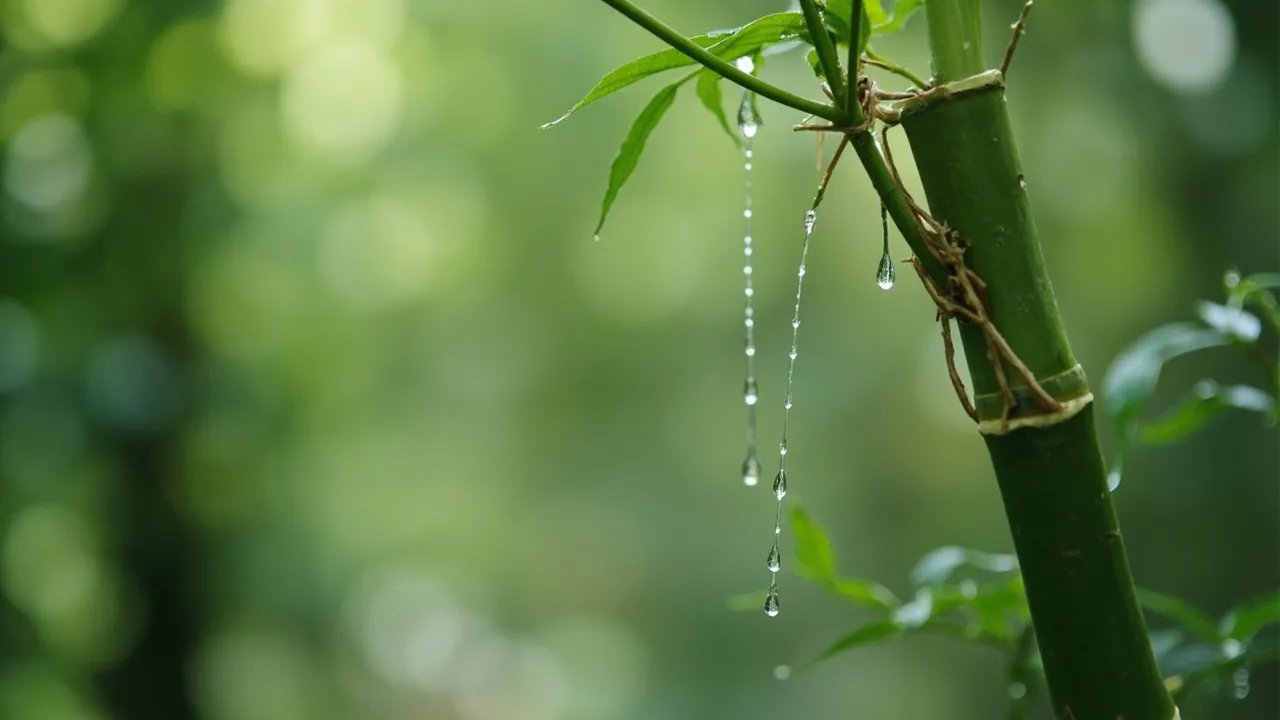
Yushui arrives when the sun reaches a specific point in the sky—technically, when it hits 330 degrees celestial longitude. This sounds like pure astronomy, but it matches what farmers and ordinary people have observed for centuries. By this time, the weather starts to warm up just enough that precipitation, which fell as snow during the previous months, now falls as rain instead. The name “Rain Water” captures this perfectly.
This solar term tells us something important about the natural world. The cold, dry energy of winter is giving way to the warmer, wetter energy of spring. Snow that piled up on mountains begins to melt. Rivers that froze over start to thaw. The ground, which was hard and unforgiving, becomes softer and ready to receive new life. In agricultural terms, this is when farmers start preparing their fields for planting. The rain that comes with Yushui provides the moisture that seeds need to sprout.
But Yushui means more than just weather changes. In traditional Chinese thinking, this period is about renewal and growth. The yin energy of winter, which is cold and still, starts to give way to the yang energy of spring, which is warm and active. This shift shows up in the world around us—birds return, buds appear on trees, and even people feel a certain restlessness after months of being cooped up indoors.
The Chinese have always paid close attention to these seasonal transitions. They believe that living in harmony with nature’s cycles keeps people healthy and balanced. Yushui marks one of those key moments when we need to adjust our habits and mindset to match what the earth is doing.
Traditional Customs
Chinese culture is full of traditions tied to the solar terms, and Yushui is no exception. One of the most interesting customs involves visiting a “rain father” or asking for rain blessings. In some rural areas, people would pray for timely rains during Yushui, believing that the weather at this time set the tone for the entire growing season. Too little rain meant poor crops; too much meant flooding. Getting it right mattered enormously.
Another widespread tradition is the practice of “welcoming the spring” (迎春). Even though the official start of spring, Lichun, comes a few weeks earlier, Yushui is often seen as the real beginning of the spring season in many parts of China. People would go outside to enjoy the milder weather, take walks in the countryside, and appreciate the first signs of new growth. Families might have a special meal to mark the occasion, often featuring foods that symbolize good fortune and abundance.
There’s also a lovely custom of “sprouting hair” or “ear picking” (理头发) that some families observe around Yushui. The idea is that just as plants are starting to grow again, it’s a good time for a fresh haircut. In some regions, people believed that cutting your hair during this period would bring good luck and healthy growth throughout the year. It’s a small thing, but it shows how deeply the solar terms were woven into everyday life.
In modern China, many of these customs have faded, but the spirit of Yushui still matters. Families might still gather for a spring-themed meal, and farmers will still watch the weather closely during this period. The solar terms remain important in traditional Chinese medicine, where practitioners use them as guides for seasonal health practices.
Health Tips for Rain Water
Traditional Chinese medicine places a strong emphasis on living in harmony with the seasons, and Yushui is no exception. This is a time when the body needs special care as it transitions from winter’s stillness to spring’s activity. Here are some health tips that draw on centuries of Chinese wisdom:
Eat light, moistening foods. After months of heavy, warming winter foods like stews and roasted meats, the body now needs something different. During Yushui, Chinese medicine recommends eating foods that help moisten the lungs and throat, which are particularly vulnerable during this damp season. Pears, apples, honey, and leafy greens are all excellent choices. A simple pear and honey tea is a classic remedy that many Chinese families still make during this time.
Stay active but don’t overdo it. The warmer weather makes outdoor activity more appealing, and gentle exercise is definitely encouraged. However, traditional practitioners warn against pushing too hard too soon. After the restful winter months, sudden intense exercise can strain the body. Walking, gentle stretching, tai chi, or qigong are all wonderful ways to welcome spring without overexerting yourself.
Get plenty of rest. The transition from winter to spring can leave people feeling tired or sluggish. This is natural—your body is adjusting to changing light levels, temperature, and energy flows. Making sure you get enough sleep helps your system recalibrate. Going to bed a bit earlier during this period is a simple but effective practice.
Watch your emotions. In Chinese medicine, each season is linked to an organ and an emotion. Spring corresponds to the liver, and the emotion associated with the liver is anger—or more accurately, frustration that doesn’t find an outlet. This is why spring can sometimes feel emotionally volatile. Taking time to breathe, meditate, or simply enjoy nature can help keep those feelings balanced.
Dress in layers. The weather during Yushui can be unpredictable. One day might feel almost summer-like, while the next could bring a cold snap. Dressing in layers lets you adapt to these shifts without getting sick. The old saying “春捂秋冻” (spring cover, autumn endure) means you should keep a light jacket handy even when the weather seems warm.
Hydrate inside and out. This might seem obvious given the name “Rain Water,” but it’s worth emphasizing. The increased moisture in the air is a reminder to drink enough water throughout the day. In Chinese dietary therapy, warm soups and congees are particularly valued during this season because they’re both hydrating and easy to digest.
Conclusion
Yushui reminds us that nature moves in cycles, and that we are part of those cycles whether we realize it or not. The rain that falls during this time feeds the seeds that will become this year’s harvest. The warming temperatures wake up dormant energies in the earth and in our bodies. There’s something deeply reassuring about this rhythm—it’s been happening for millions of years, and it will continue long after we’re gone.
For modern readers, Yushui offers more than just cultural curiosity. It provides a framework for thinking about health that emphasizes balance, seasonal awareness, and connection to the natural world. In an age when we spend so much time indoors, staring at screens, the simple act of noticing the shift from winter to spring can be transformative.
So the next time February turns to March and you feel that first hint of warmth in the air, think of Yushui. Think of the farmers who watched for this moment, the families who gathered for spring meals, and the ancient doctors who prescribed moistening foods and gentle exercise. You don’t have to follow every tradition—but taking a moment to appreciate the season’s change might just make you feel a little more connected to the world around you.
After all, rain brings new life. That’s as true today as it was thousands of years ago.